
Setting off on a trip to Thailand often sparks visions of lively markets, peaceful temples, and breathtaking coastlines. For many travelers, the journey itself adds a special layer to the adventure. Traveling by train reveals a different side of the countrys varied scenery. Knowing the thailand train travel cost is essential for organizing a trip thats both enjoyable and wallet-friendly.
Taking the train in Thailand is about more than just reaching your destination. Its a chance to peek into everyday life, catch glimpses of rural landscapes, and meet other passengers along the way. Starting from the vibrant streets of Bangkok, rail routes connect to ancient towns, jungle hideaways, and coastal hotspots. This guide breaks down what you need to know about options and expenses.
This detailed overview will help you budget for your train journeys. It covers typical ticket prices, explains the different travel classes, and offers practical advice. Youll gain insights on stretching your travel funds while experiencing the charm of Thailands rail system. Heres a closer look at train travel costs throughout this stunning country.
Why Choose Train Travel in Thailand?
Traveling by train in Thailand provides an immersive way to see the country. Unlike flying or taking the bus, trains let you take in the landscape at a leisurely pace. As the train rolls along, the view shifts from bustling city streets to verdant rice fields and dense woodlands, offering a continuously changing panorama.
Comfort is another strong point. Even the basic third-class carriages usually have more room than buses. For those wanting extra ease, first and second-class sleeper cabins offer actual beds, so you can wake up feeling rested instead of drained after a night on the road.
Riding the train also opens up cultural encounters. Sharing space with locals, monks, and fellow travelers creates a warm, communal vibe. Vendors stroll through the carriages selling snacks and drinks, enhancing the authenticity of the experience. Plus, trains are generally a safer choice, offering peace of mind to many visitors.
On top of that, train travel can be very budget-friendly, especially over long distances. Opting for an overnight sleeper can even double as a nights accommodation, making the overall thailand train travel cost particularly attractive for those watching their spending.
Understanding Thailand Train Travel Cost from Bangkok
The thailand train travel cost varies widely depending on several key factors. Bangkok acts as the main departure point for many routes. Your destination, the class of service, and the type of train all influence how much youll pay. Knowing these details helps you plan your budget better.
Distance is one of the biggest cost drivers. Trips to faraway places like Chiang Mai or Surat Thani naturally cost more, while shorter journeys to nearby spots like Ayutthaya are far cheaper. The travel class you pick also matters third class is the cheapest, first class offers the most comfort and privacy but at a premium, and second class strikes a middle ground.
The kind of train matters too. Express trains are faster and come with higher prices, whereas rapid and ordinary trains take longer but are easier on the wallet. Sleeper berths, available in first and second class, add some cost but can save you money by replacing the need for a hotel room. Keep these factors in mind when figuring out your train expenses from Bangkok.
Booking ahead can influence the price, especially for busy routes and sleeper tickets. While fares are mostly set by the State Railway of Thailand (SRT), using third-party booking sites might tack on a small service fee. Being aware of this helps you snag the best thailand train ticket price for your trip.
Train Classes and Their Costs
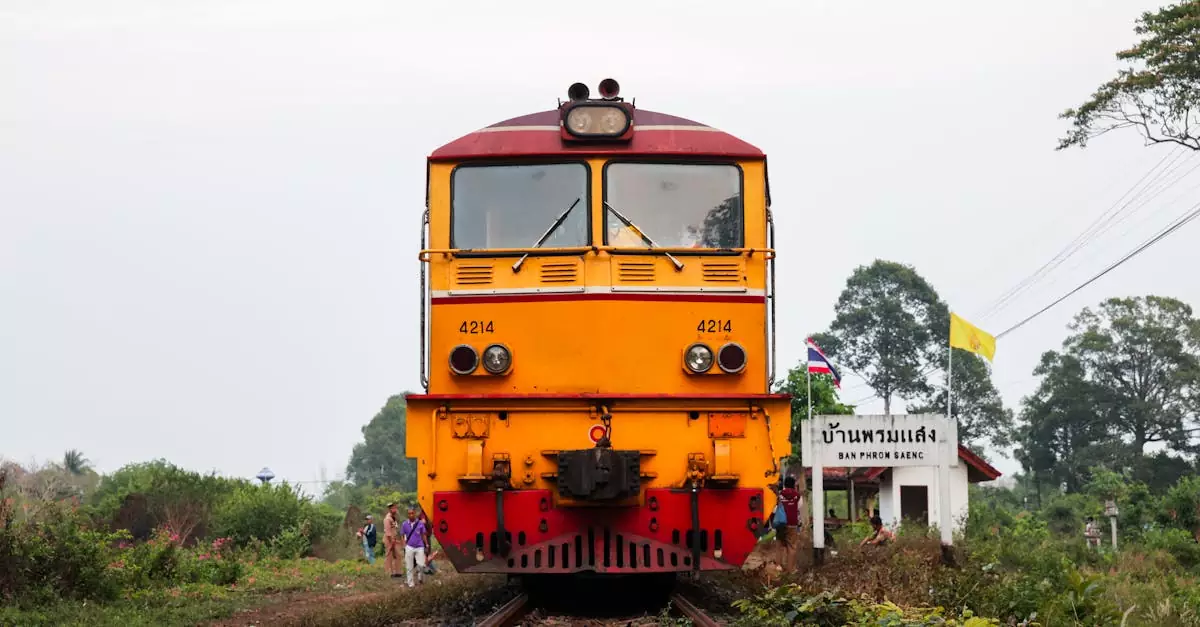
Thailands trains come in several classes, each catering to different budgets and comfort needs. Understanding what each class offers makes it easier to pick the best fit for your trip. These choices have a direct impact on your overall thailand train travel cost.
First Class (1st Class) represents the top-tier option. It features private cabins equipped with air conditioning and two berths. These compartments often include a sink and offer a quiet, private space, ideal for couples or travelers seeking solitude. Long-distance fares, such as from Bangkok to Chiang Mai, typically fall between 1,200 and 1,800 THB. Its the go-to choice for those prioritizing comfort and privacy.
Second Class (2nd Class) is the most commonly chosen by travelers. It strikes a balance between affordability and comfort. You can opt for air-conditioned or fan-cooled carriages, many of which have sleeper berths that convert from seats at night. A second-class sleeper ticket from Bangkok to Chiang Mai usually costs between 700 and 1,000 THB. This class tends to be social and offers good value for money.
Third Class (3rd Class) is the most economical option available. These carriages generally have basic wooden benches or simple padded seats and are usually fan-cooled. Although often crowded, third class is perfect for shorter trips or travelers on a tight budget. For example, a ticket from Bangkok to Ayutthaya might be as low as 20 THB, while longer trips may cost between 200 and 400 THB. Its a great way to experience local life firsthand.
Popular Routes and Estimated Fares
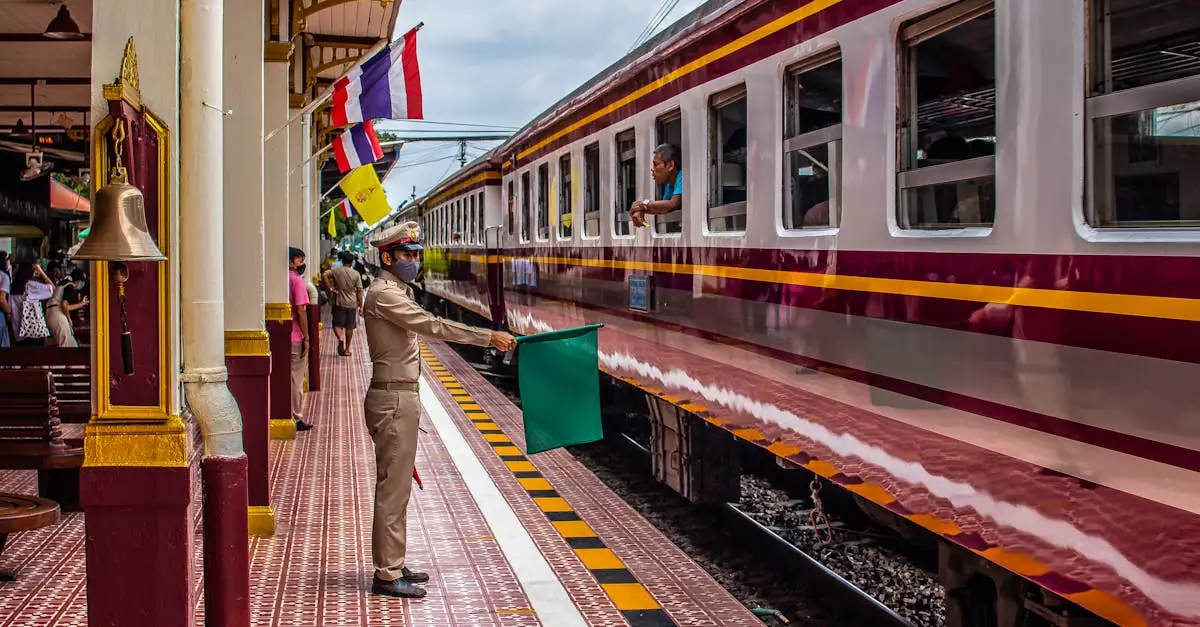
Bangkok is the heart of Thailands rail network, with many key routes starting from Krung Thep Aphiwat Central Terminal (previously Hua Lamphong for some lines). Having a sense of typical fares along these routes can help you plan your thailand train travel cost more accurately.
- Bangkok to Chiang Mai: Known as one of the countrys most iconic railway trips, this route covers roughly 750 km. The journey takes between 11 to 15 hours, often overnight.
- 1st Class Sleeper: 1,200 – 1,800 THB
- 2nd Class Sleeper (AC): 800 – 1,100 THB
- 2nd Class Seat (AC): 600 – 750 THB
- 3rd Class Seat (Fan): 250 – 450 THB
- Bangkok to Surat Thani (gateway to islands like Koh Samui, Koh Phangan): This popular route spans about 650 km and takes around 9 to 12 hours.
- 1st Class Sleeper: 1,100 – 1,600 THB
- 2nd Class Sleeper (AC): 700 – 950 THB
- 2nd Class Seat (AC): 550 – 700 THB
- 3rd Class Seat (Fan): 200 – 350 THB
- Bangkok to Ayutthaya: A favored day-trip destination located about 80 km away. The trip lasts roughly 1.5 to 2 hours.
- 2nd Class Seat (Fan): 35 – 70 THB
- 3rd Class Seat (Fan): 15 – 25 THB (extremely affordable)
- Bangkok to Nong Khai (border crossing to Laos): This route covers approximately 620 km and takes 9 to 11 hours.
- 1st Class Sleeper: 1,000 – 1,500 THB
- 2nd Class Sleeper (AC): 650 – 900 THB
- 3rd Class Seat (Fan): 200 – 350 THB
Keep in mind these fares are approximate and may vary depending on the train and season. Planning your trip during the best time to visit Thailand can affect ticket availability and demand as well.
Comparison Table: Train vs. Bus vs. Flight
When moving around Thailand, trains are just one of several options. Buses and domestic flights also serve many routes. Each mode has its own perks, drawbacks, and price points. Comparing the thailand train travel cost with buses and flights on a popular route like Bangkok to Chiang Mai can help you decide what suits your needs best.
| Mode of Transport | Estimated Cost Range (THB) | Estimated Travel Time | Comfort Level | Experience |
|---|---|---|---|---|
| Train (2nd Class Sleeper) | 700 – 1,100 | 11 – 15 hours (overnight) | Good (bed, space, dining car) | Scenic, social, authentic |
| Bus (VIP/First Class) | 600 – 900 | 9 – 12 hours (overnight) | Moderate (reclining seats, AC, often snacks) | Direct, efficient, less scenic |
| Flight (Budget Airline) | 1,000 – 2,500+ (excluding baggage) | 1.5 hours (plus airport transfers) | High (fast, modern) | Quick, convenient, no scenery |
Looking at these numbers, the thailand train ticket price for sleeper berths typically falls between bus and flight fares. Trains offer a unique combination of comfort and atmosphere. Buses tend to be cheaper for direct journeys, while flights are fastest but can add up with extra fees. Deciding comes down to whether you prioritize budget, speed, or the travel experience.
Pros and Cons of Train Travel in Thailand
There are clear advantages and disadvantages to choosing train travel in Thailand. Considering both can help you decide if it fits your itinerary and budget.
Pros:
- Scenic Views: Train routes showcase Thailands rich landscapes, from paddies to mountains and quaint villages.
- Comfort and Space: Sleeper classes provide room to relax, walk around, and sleep comfortably.
- Cultural Immersion: Sharing the journey with locals offers a genuine glimpse into Thai life, complemented by vendors selling local treats.
- Budget-Friendly for Long Trips: Overnight sleepers can double as accommodation, making them a great value.
- Eco-Friendly: Trains generally leave a smaller carbon footprint compared to airplanes.
- Relaxing Pace: The slower travel pace lets you unwind without the hassle of airports and tight schedules.
Cons:
- Slower Travel: Trains take considerably longer than flights and sometimes even buses.
- Possible Delays: Delays can occur, which might disrupt tight travel plans.
- Limited Coverage: The rail network doesnt reach every destination, so other transport may be necessary.
- Booking Challenges: Popular routes and sleeper berths sell out quickly, requiring early reservations.
- Basic Amenities: While comfortable, the facilities are modest rather than luxurious.
- Less Frequent Departures: Trains run less often than buses, so scheduling requires more attention.
Despite a few downsides, many travelers favor train travel in Thailand for its unique charm and value. It often enriches the overall travel experience.
Practical Tips for Saving on Your Thailand Train Travel Cost
Train travel in Thailand can be highly economical, especially if you follow a few helpful strategies. These tips make sure you get the best bang for your buck without missing out on the experience.
- Reserve Early: For busy routes and sleeper cabins, booking weeks ahead is wise. Tickets can sell out fast, especially for overnight trains to places like Chiang Mai or Surat Thani.
- Pick Lower Classes for Short Trips: On journeys lasting a few hours, third-class fan seats are comfortable and very affordable. Save the higher classes for longer trips where a sleeper berth makes a bigger difference.
- Bring Your Own Snacks: Although food vendors are onboard, buying snacks can add up. Packing your own water and treats helps keep costs down.
- Travel Off-Season: Avoiding peak holiday times can offer better availability. While ticket prices are mostly fixed, less competition means easier access to preferred seats.
- Consider Overnight Trains: Traveling overnight saves on accommodation costs by combining transport and lodging in one.
- Use Official Channels: Buying tickets directly from the State Railway of Thailand (SRT) or station counters avoids extra fees charged by third-party agents.
- Stay Flexible: If you can adjust your travel dates, youre more likely to find open seats on less busy days.
With these tips in mind, you can enjoy the delights of Thai train travel without stretching your budget unnecessarily. It leaves more room for other adventures.
Frequently Asked Questions About Thailand Train Travel
How far in advance should I book train tickets in Thailand?
For high-demand routes like Bangkok to Chiang Mai or Surat Thani, especially if you want a sleeper berth, its best to book 2 to 4 weeks ahead. During busy seasons or holidays, securing your spot 1 to 2 months in advance is even better.
Can I buy train tickets at the station on the day of travel?
Yes, tickets can be purchased at the station on travel day. However, on popular routes and for sleeper classes, tickets may already be sold out. For shorter or local trips, and for third-class seats, buying on the day is usually fine.
Is food available on Thai trains?
Most long-distance trains have dining cars or vendors who come through selling meals and snacks at reasonable prices. Still, bringing your own food can be a more economical choice.
Are Thai trains safe for solo female travelers?
Thai trains are generally safe for solo women travelers. First-class cabins provide secure, private spaces, and second-class sleepers have curtains for privacy. As always, keep your belongings secure and stay alert, just as you would on any public transport.
What’s the difference between 1st and 2nd class sleeper?
First-class sleepers offer private, air-conditioned cabins for two, with lockable doors and often a sink. Second-class sleepers are open carriages with upper and lower berths converted from seats at night. They offer less privacy but are more social and budget-friendly.
Conclusion: Your Affordable Thai Rail Adventure Awaits
Discovering Thailand by train delivers an authentic and often cost-effective way to travel. From the lively capital Bangkok, the rail lines stretch to historic sites, bustling cities, and gateways to beautiful islands. Knowing the thailand train travel cost opens the door to these experiences.
Weve detailed the various classes, shared fare estimates for main routes, and compared trains with buses and flights. With this information, you can pick the best option that fits your travel style and budget. Practical tips like booking ahead and bringing snacks can make a noticeable difference in your expenses.
Enjoy the slower pace, the shifting scenery, and the chance to connect with local culture. Train travel in Thailand is more than just a way to get from one place to anotherits a memorable part of the adventure itself. The rails are ready for you to explore.