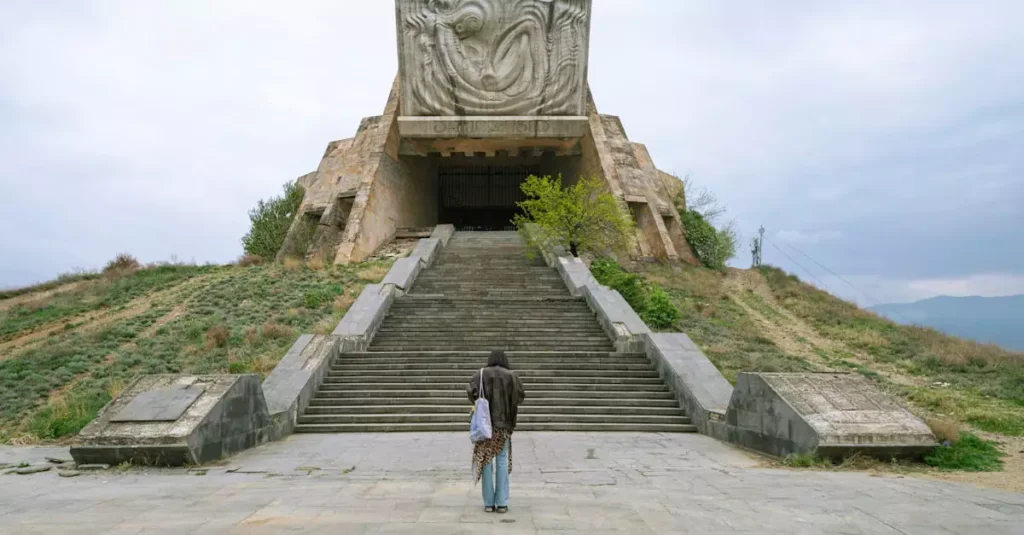
Planning a trip to Tbilisi? This Georgia daily budget breakdown tourist guide provides insights into expected daily expenses in 2026. While Georgia is often considered an affordable European destination, your overall costs can vary significantly depending on your accommodation, transportation choices, and dining frequency.
This guide offers a straightforward georgia daily cost guide tailored for solo travelers, couples, and those on a budget. It includes information on transportation, dining, attractions, and hotel rates in Tbilisi, along with seasonal insights, crowd patterns, and practical advice. The aim is to equip you with precise figures for effective planning.
Tbilisi serves as an ideal starting point, with most first-time visitors spending at least a day or two here. While parts of the city are walkable, factors like hills, heat, and traffic can influence both your budget and schedule. For official trip planning, consider visiting Georgia Travel for destination suggestions and route planning.
Georgia Daily Budget Breakdown Tourist: What to Expect in Tbilisi
A practical Georgia daily budget breakdown tourist for Tbilisi revolves around three primary expenses: accommodation, meals, and transportation. In 2026, budget travelers can expect to spend between $35 and $55 daily when opting for hostels, using public transport, and enjoying simple meals. Mid-range travelers may find their daily costs between $70 and $120, benefiting from private rooms, occasional taxis, and dining at nicer restaurants.
While Tbilisi remains more affordable than many major European capitals, its not as inexpensive as it once was. Prices have increased in central areas like Old Tbilisi, Rustaveli, and around Freedom Square. However, staying slightly outside the center and utilizing the metro or buses can still yield savings.
Controlling most expenses is feasible. Dining often provides great value, especially when sampling local specialties such as khinkali, khachapuri, and various soups. Transportation costs are also manageable. The most significant variations in your budget typically arise from hotel locations and nightlife expenditures.
Typical daily cost ranges in Tbilisi
| Travel style | Sleep | Food | Transport | Attractions | Total per day |
|---|---|---|---|---|---|
| Backpacker | $12-$25 | $10-$18 | $2-$5 | $5-$10 | $35-$55 |
| Mid-range | $35-$70 | $20-$40 | $5-$15 | $10-$25 | $70-$120 |
| Comfort | $80-$150 | $35-$70 | $10-$25 | $20-$40 | $145-$285 |
These figures are best suited for city days in Tbilisi. If you plan to include day trips to locations like Mtskheta, Kakheti, or Kazbegi, your daily budget will likely increase. Longer travel days also entail additional taxi or minibus expenses.
Where Your Money Goes in Tbilisi
Creating a georgia daily cost guide involves breaking your day into distinct segments. In Tbilisi, accommodation typically consumes the largest portion of your budget, especially if you prefer a private room. Food expenses can remain low if you balance visits to bakeries, local cafs, and one sit-down meal. Transportation is inexpensive, but traffic can make taxis feel slower than their cost suggests.
Budget hotels and hostels are prevalent in the city center and near metro stations. While Old Tbilisi is popular, it often comes with higher prices and noise at night. Opting for areas like Marjanishvili, Avlabari, or Station Square might yield lower rates and convenient metro access. Many travelers prefer these neighborhoods to strike a balance between affordability and convenience.
Food costs remain reasonable if you steer clear of tourist-heavy terraces for every meal. A basic breakfast can be quite cheap, while lunch sets and local bakeries often provide the best value. Dining at a nicer restaurant for dinner can still be more affordable compared to Western Europe, but beverages and desserts can quickly add to your bill.
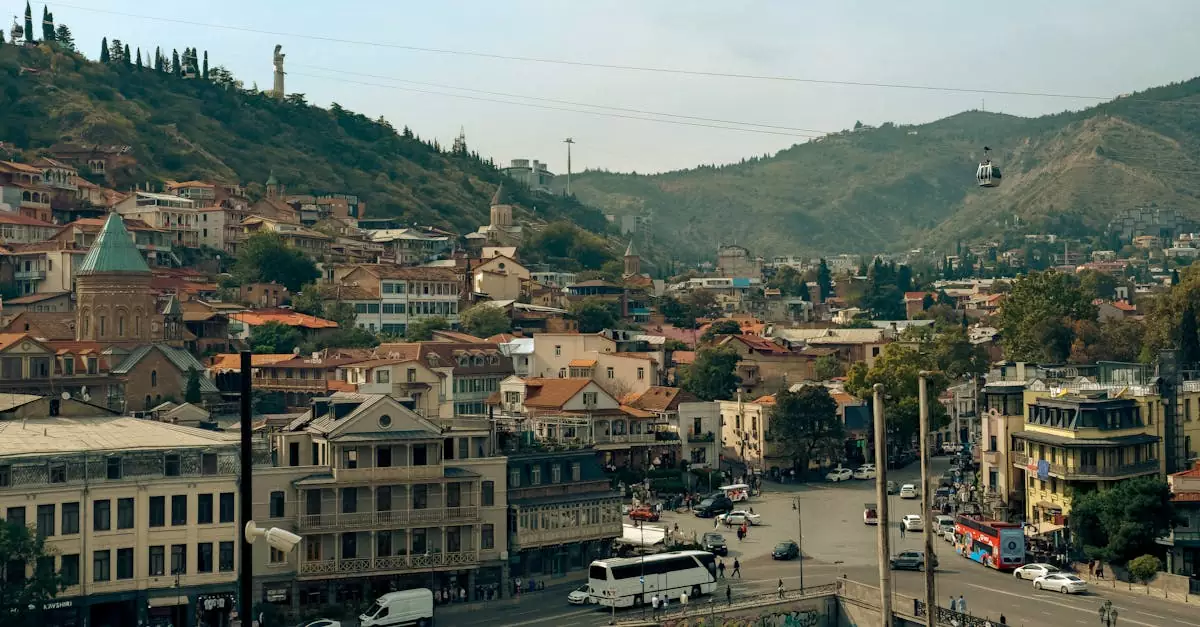
This country overview on Wikipedia offers a quick background on Georgia, which can be helpful when comparing regions and costs.
Accommodation, Food, and Transport Costs
Accommodation prices in Tbilisi fluctuate based on the season and neighborhood. During winter, hostel beds can be quite inexpensive, while spring and early autumn often see higher rates. Private rooms in guesthouses present a solid value for couples or solo travelers seeking more space without the hotel price tag.
Food is one of the easiest aspects to manage within your budget. A simple breakfast might range from $3 to $6, while street snacks or bakery items can be even cheaper. A casual lunch typically falls between $5 and $10, and dinner at a mid-range restaurant usually costs between $10 and $20 per person, excluding drinks. Imported items, wine in tourist bars, and rooftop venues tend to be pricier.
Transportation is straightforward. The metro is both affordable and quick for major routes. City buses and marshrutkas serve numerous areas, though they can become crowded during peak hours. Taxis remain budget-friendly by European standards, especially for short distances, but its advisable to use a ride-hailing app or confirm the fare beforehand. A ride across central Tbilisi often costs just a few dollars, although heavy traffic can extend a 10-minute trip to 25 minutes.
Common transport options in Tbilisi
- Metro: Ideal for speed on main routes. Its economical and efficient during rush hour.
- City bus: Offers broader coverage. Expect increased crowding during morning and evening commutes.
- Marshrutka: Handy for local and regional travel, though less comfortable with luggage.
- Taxi or app ride: Best suited for late-night travel, hilly areas, or short trips with bags.
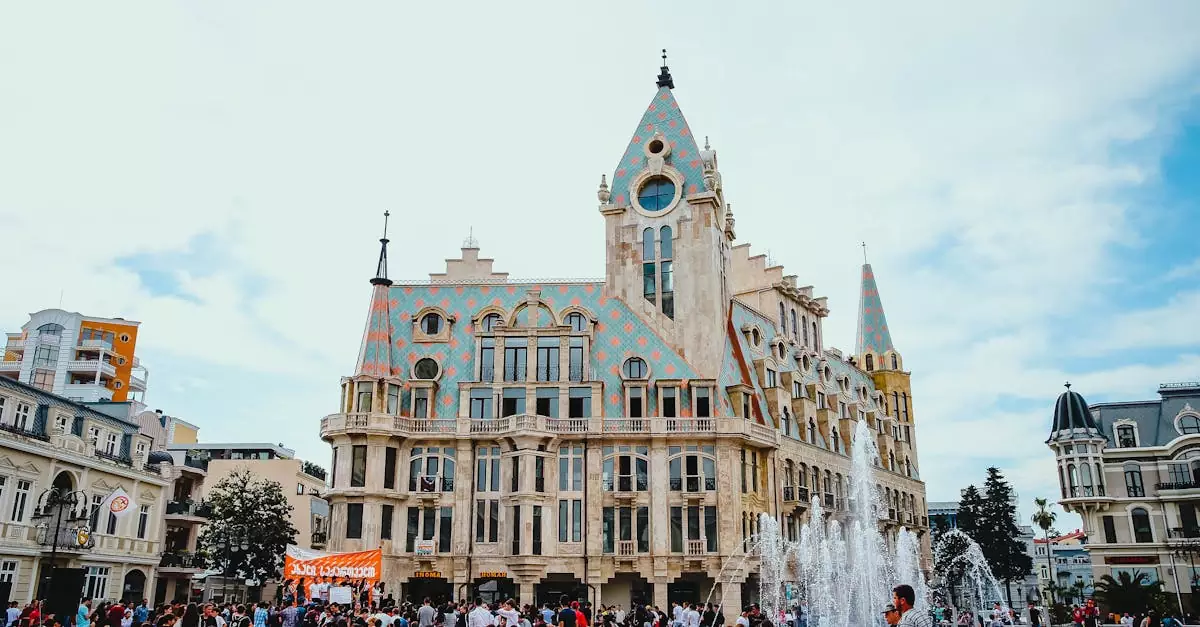
Visit Georgia serves as an excellent official resource for destination updates, seasonal travel suggestions, and regional trip planning.
Sample Daily Budgets for Different Travelers
Budget traveler: A hostel bed for $15, breakfast for $4, lunch for $6, dinner for $8, and $4 for transport. Add $5 to $10 for a museum, cable car, or small attraction. Total: approximately $42 to $47.
Mid-range traveler: A private room for $50, breakfast for $7, lunch for $12, dinner for $20, and $8 for transport. Include $10 to $20 for attractions or a wine tasting. Total: around $107 to $117.
Comfort traveler: A good hotel for $110, breakfast for $12, lunch for $20, dinner for $35, and $15 for transport. Add $20 to $40 for attractions or guided tours. Total: approximately $212 to $232.
Reality Check
While Tbilisi may appear inexpensive online, your budget can escalate quickly if you choose to stay in the Old Town, frequently use taxis, and dine at tourist-oriented restaurants daily. Prices can fluctuate during holidays, weekends, and summer months. To achieve the lowest daily expenditure, careful planning of your accommodation, meals, and transportation is essential.
For a more comprehensive country profile, Britannicas Georgia page offers a succinct overview of the countrys geography and history.
Best Areas to Stay in Tbilisi for Each Budget
Your choice of neighborhood can significantly impact your daily expenses, often more than first-time visitors anticipate. Old Tbilisi is the most picturesque option, yet it’s also one of the easiest places to overspend. Cafs, bars, and boutique accommodations can be pricey, and certain streets remain lively late into the night. If you desire a vibrant atmosphere and short walking distances, it remains a solid choice.
Avlabari frequently offers better value, being close to the center with good metro access. Marjanishvili is another wise option, providing food, shops, and transport links without the premium prices of the Old Town. Rustaveli is convenient for sightseeing, but central hotels may exceed your budget expectations.
For budget-conscious travelers, proximity to a metro station often outweighs the need to be in a well-known area. A budget room located 15 to 20 minutes from the center can save enough to cover several meals or even a day trip. In Tbilisi, this trade-off usually proves beneficial.
Pros and cons of staying in central Tbilisi
- Pros: Easy access to attractions, dining, and nightlife.
- Pros: Reduced travel time.
- Cons: Higher accommodation rates in popular areas.
- Cons: Increased noise, particularly on weekends and during summer.
Seasonal Cost Changes, Crowds, and Timing
Seasonality plays a crucial role in any georgia daily cost guide. Spring and autumn see Tbilisi bustling with visitors, leading to increased hotel rates as many travelers prefer these months. Summer can be sweltering, making walking more challenging and potentially increasing taxi costs. Winter typically offers the most affordable room rates, though some outdoor activities may be less enjoyable.
The behavior of crowds also varies throughout the day. Mornings tend to be quieter for sightseeing, especially near major landmarks. Late afternoons attract more local traffic and crowds in central cafs. Friday and Saturday evenings are the busiest times for restaurants and bars. For a more relaxed experience and improved service, consider dining earlier in the evening.
Timing is also essential for regional travel, affecting both cost and comfort. Marshrutkas can become crowded before holidays. Day trips often depart early, and popular routes can fill up quickly. If you plan to explore nearby wine regions or mountain towns, consider booking transportation in advance to avoid last-minute price hikes or sold-out seats.
Important Tips
- Utilize the metro for long central routes; it saves both time and money during rush hours.
- Make it a point to enjoy one main meal at a local caf or bakery daily to stabilize your food budget.
- Review room rates for both weekdays and weekends, as Tbilisi prices tend to increase on Fridays and Saturdays.
- Keep some cash handy for small purchases, as not every shop or minibus accepts cards.
How Tbilisi Compares with Other Europe Travel Cities
In the context of European travel, Tbilisi remains a strong value destination. It generally offers lower prices than cities like Paris, Rome, Vienna, or Amsterdam for accommodations and meals. It can also be more affordable than certain Balkan capitals, depending on the season and area. This is largely due to the affordability of local cuisine and public transportation, while many tourist services still maintain lower prices compared to Western Europe.
However, Tbilisi is not the cheapest city in the region. Popular neighborhoods, wine bars, and modern cafs can approach mid-range European prices. To minimize your daily expenses, avoid the most tourist-centric areas and keep your plans straightforward.
Compared to other cities in Georgia, Tbilisi is typically pricier than smaller towns. Nevertheless, it offers the best combination of transportation, dining options, and attractions. For many first-time visitors, this balance justifies the extra expense.
Comparison table: Tbilisi versus typical Europe travel costs
| Category | Tbilisi | Typical Western Europe city |
|---|---|---|
| Hostel bed | Low to moderate | Moderate to high |
| Private room | Moderate | High |
| Casual meal | Low | Moderate to high |
| Local transport | Low | Moderate |
| Central attractions | Low to moderate | Moderate to high |
Budget Tips, Mistakes to Avoid, and Final Planning Advice
Effective budget management in Tbilisi largely hinges on small decisions. Opt for accommodations near a metro line to limit taxi expenses. Balance local meals with one upscale dinner instead of dining at high-priced venues daily. If planning a day trip, assess whether the transport and guide fees are justified by the time you have available.
A common oversight is underestimating the time needed to walk in the citys hilly areas. A route that seems short on a map can feel longer in the heat or rain. Another mistake is assuming uniform pricing across all areas; a caf near a main square may charge significantly more than one just a couple of streets away. Small adjustments in location can lead to substantial savings over several days.
During summer, carry water and schedule indoor breaks. In winter, budget a little extra for taxis on cold or rainy days. These minor adjustments can help maintain your daily budget and prevent unexpected expenses.
Important Tips
- Compare hotel rates by neighborhood rather than solely by star rating.
- Utilize apps for taxi services when possible to minimize pricing confusion.
- Keep one flexible meal each day open for local food deals.
- Include a buffer of 10% to 15% for unexpected expenses and small treats.
FAQs About Georgia Daily Budget Breakdown Tourist
1. How much money do I need per day in Tbilisi?
Budget travelers typically manage on $35 to $55 daily. Mid-range travelers generally require $70 to $120 per day. Your choice of hotel will have the most significant impact on your total expenses.
2. Is Tbilisi cheap for tourists in 2026?
Yes, Tbilisi remains affordable compared to many European travel destinations. While it may not be the cheapest city in the region, it offers excellent value for food, transportation, and accommodations.
3. What is the cheapest way to get around Tbilisi?
The metro is typically the most cost-effective and efficient option for major routes. City buses are also inexpensive, though they can be crowded during peak times.
4. How much should I budget for food each day?
A modest food budget can range from $10 to $20 daily if you focus on local meals and avoid pricier bars. For nicer restaurants, plan for a higher budget.
5. When is the best season for lower costs?
Winter usually offers the lowest accommodation prices. Spring and autumn are pleasant but may be more expensive due to increased traveler numbers.
Is Tbilisi Worth the Budget?
Tbilisi is indeed a worthwhile destination for travelers seeking a blend of history, cuisine, and convenient city exploration without incurring high daily costs. This Georgia daily budget breakdown tourist guide illustrates that maintaining a low budget is achievable through thoughtful choices regarding location, meals, and transportation. The city rewards careful planning.
For the best value, prioritize staying near a metro station, frequent local eateries, and avoid overspending on central tourist cafs daily. Tbilisi provides a flexible budget range, enabling you to travel economically or comfortably without sacrificing the experience. This aspect makes it a compelling stop for European travel in 2026.