Introduction to Kathmandu Transportation
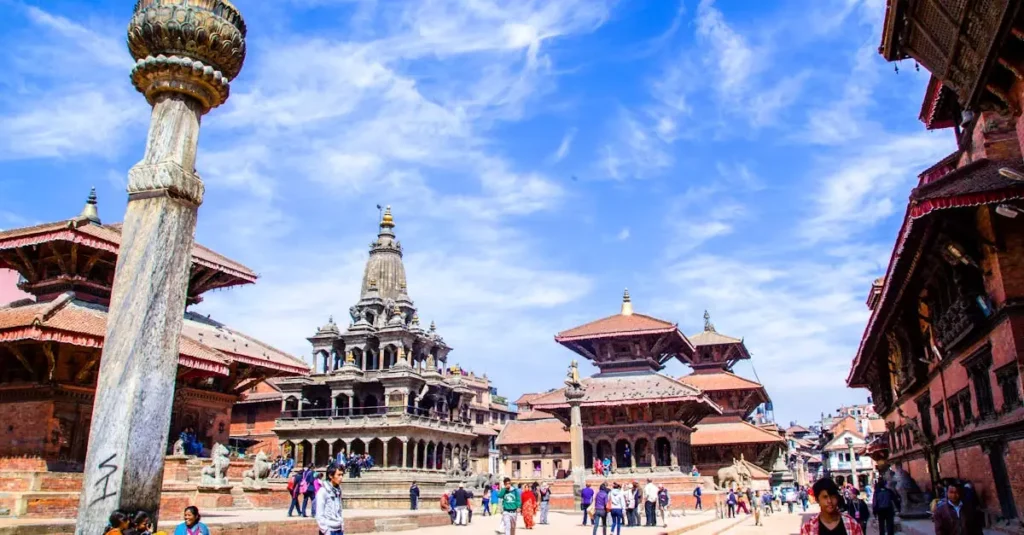
Kathmandu pulses with centuries-old temples, crowded bazaars and a relentless energy that can bewilder first-time visitors. Getting from point A to B isnt always straightforward, so most people opt for taxis because theyre fast and flexible. Knowing the kathmandu taxi fare price beforehand makes budgeting for a 2026 trip far less stressful. Taxis give you the freedom to move around the city at your own pace and see more in less time.
Arriving in a new country often brings a worry about being overcharged. In Nepal, some cabs run on meters while others offer fixed fares; official rates exist, but local habits vary. Being familiar with average kathmandu transport cost helps you negotiate sensibly and avoid surprises. Armed with a bit of knowledge, you can concentrate on sightseeing rather than haggling over every ride.
If you want practical numbers for airport pickups, daytime journeys and overnight surcharges, this piece lays them out. It also points to useful apps and explains how night fares are handled. Official data from sources such as the Nepal Tourism Board is included so you can cross-check figures as you plan.
Understanding Kathmandu Taxi Fare Price and Local Rates
The Department of Transport Management sets the official kathmandu taxi fare price, and in 2026 the base (flag-down) fare commonly starts at 60 Nepalese Rupees (NPR). After that, meters typically add roughly 5060 NPR per kilometer. Still, many drivers prefer to offer a flat rate, especially in heavy traffic or late at night. Always ask for the meter to be switched on; if the driver declines, settle the fare in advance before getting in.
Expect higher charges after dark. Between about 9:00 PM and 6:00 AM fares usually rise by around 50 percent, so a daytime 500 NPR trip could cost roughly 750 NPR at night. Drivers justify the increase by citing fewer return passengers during late hours. Fuel price swings also trigger tariff updates from authorities, so keeping an eye on news about fuel helps avoid paying inflated fares as fuel costs change.
Most city taxis are small Maruti Suzuki Altos compact, nimble and ideal for narrow lanes but limited on luggage room. Groups of four with large suitcases will often need two cars, or they can hunt for the larger van-style taxis that exist but are rarer and pricier. Knowing the typical vehicle type makes it easier to plan transfers and airport pickups.
Factors Affecting Kathmandu Transport Cost
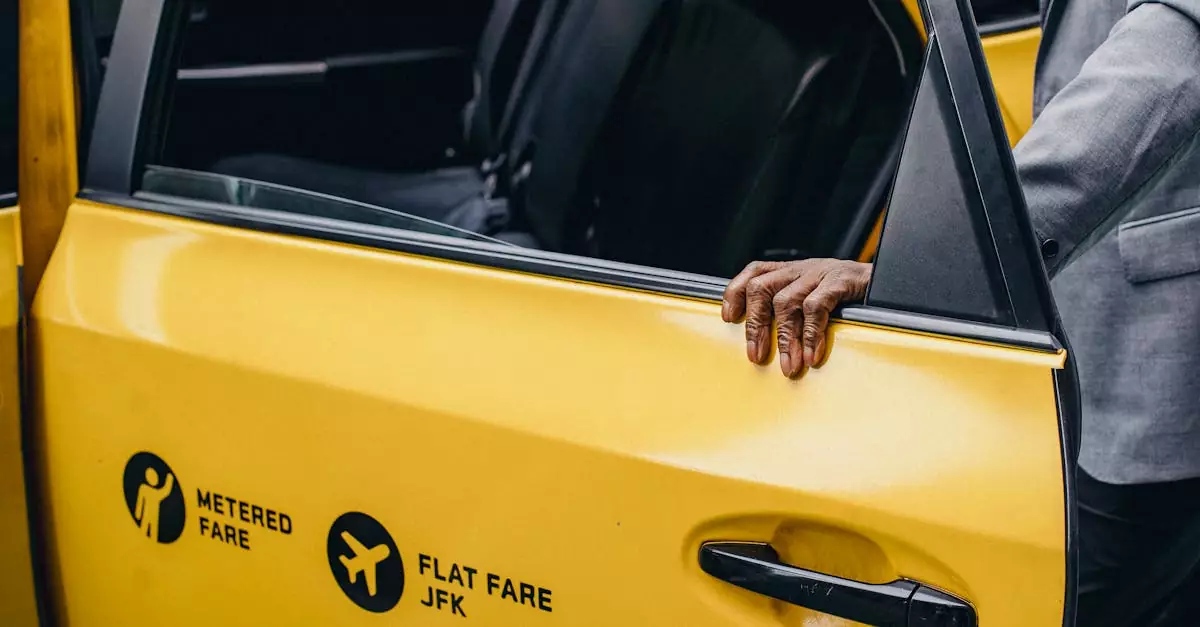
Traffic in the Kathmandu Valley is the single biggest variable affecting kathmandu transport cost. Rush-hour congestion can turn a short five-kilometer run into an hour-long crawl, and when the meter sits idle the waiting charge keeps adding up. For that reason, many locals favour ride-hailing apps that quote a fixed price up front, removing the uncertainty of meter-based delays.
Where youre going also matters. Routes that climb steeply to spots like Nagarkot or Dhulikhel use more fuel, and drivers often add a premium or request a return fare because finding a passenger back down to the city is unlikely. If you plan day trips outside central Kathmandu, factor in these extra costs when estimating your daily spending.
Weather and festivals can push prices up too. Monsoon rains sometimes cause localized flooding that drivers avoid or charge more to reach. During major holidays such as Dashain, a number of drivers travel home to their villages, reducing supply and driving up fares in the city. For broader context on tourisms effects in the country, see Tourism in Nepal.
Taxi vs. Other Transport Modes in Kathmandu
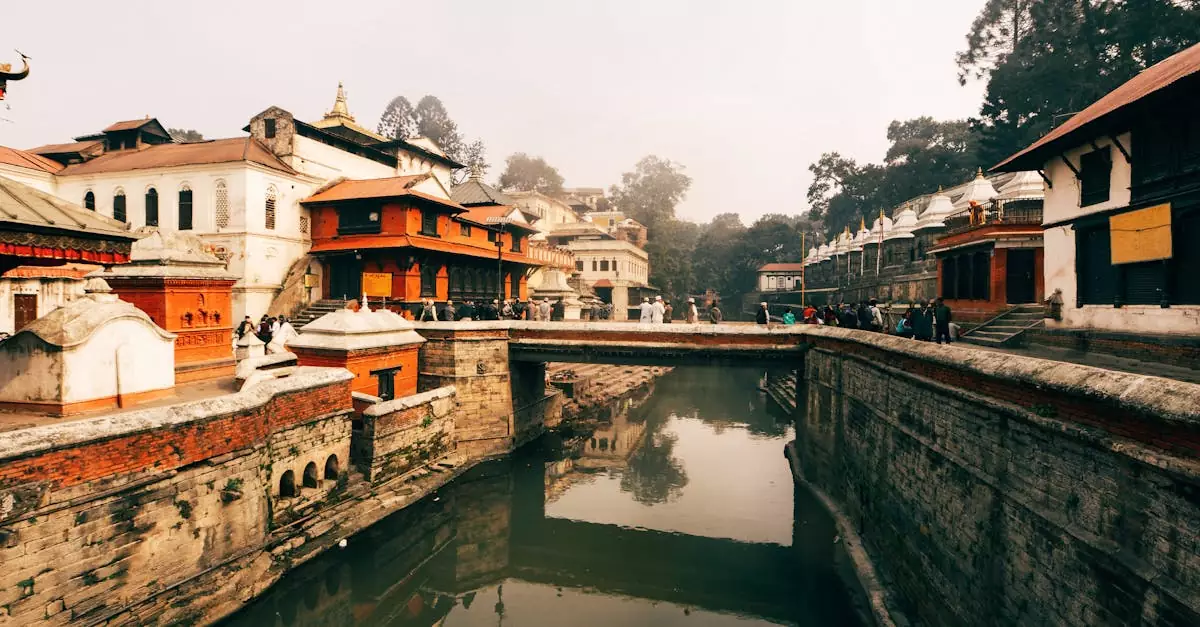
Taxis buy comfort and convenience, but they are pricier than most alternatives. Local buses and micro-buses represent the lowest-cost option a typical city ride might be only 2540 NPR yet they are crowded, irregular and rarely suitable for travellers with luggage. For point-to-point travel without the hassle of transfers, taxis remain the preferred choice.
Ride-sharing platforms such as Pathao and InDrive have shifted the scene by offering motorbikes and cars through the apps. Motorbike taxis are a favourite for solo travellers since they slice through congestion and tend to cost far less than a car. For families, groups or anyone carrying valuables or luggage, a traditional taxi or app-booked car will be the safer, more comfortable pick. Compare app quotes to street prices to get the best value.
| Transport Mode | Estimated Cost (5km) | Best For | Convenience Level |
|---|---|---|---|
| Private Taxi | 500 – 700 NPR | Families / Luggage | High |
| Ride-Share Car | 400 – 600 NPR | Tech-savvy travelers | High |
| Motorbike Taxi | 150 – 250 NPR | Solo travelers | Medium |
| Local Bus | 30 mark NPR | Budget travelers | Low |
The table underlines that taxis are the premium option for getting around. If you want a fuller picture of everyday expenses, check the detailed breakdown on kathmandu travel cost. Your ideal choice will depend on how much you value speed and comfort compared with saving money; many travellers mix walking with occasional taxi rides to balance both.
Popular Routes and Estimated Taxi Prices
Having rough fares for common journeys helps you spot rip-offs. The airport-to-Thamel run is the most frequent route for visitors: pre-paid counters at Tribhuvan International Airport typically list fares around 8001,000 NPR. If you step outside the terminal and bargain with a street taxi, you may negotiate down to 600700 NPR, though the extra convenience of a pre-paid ride often justifies the higher charge after a long flight.
Short city hops come at lower cost. Expect Thamel to Patan Durbar Square to fall in the 500700 NPR range, depending on traffic and exact pickup points. A trip from Thamel up to Swayambhunath (Monkey Temple) is usually about 400500 NPR by meter or reasonable negotiation during daytime hours. Timing and driver flexibility will influence the final price.
Longer excursions carry heftier fares. A one-way trip to Bhaktapur from central Kathmandu commonly costs 1,2001,500 NPR. Many visitors hire a taxi for the full day when planning multiple stops; a day hire typically ranges from 4,000 to 6,000 NPR and often includes the driver waiting between attractions, which can be the most convenient option for a seamless day of sightseeing.
Pros and Cons of Using Taxis in Kathmandu
Taxis bring several clear advantages for travellers new to Kathmandu. They provide privacy and shelter from dust and noise, run around the clock for early flights or late dinners, and many drivers know the main sights and can point out notable places en route. Those local tips can be handy when youre short on time.
- Pros: Door-to-door service, air conditioning (in some), safe for luggage, and available 24/7.
- Cons: Expensive compared to buses, subject to heavy traffic, and requires negotiation skills.
On the flip side, frequent taxi use adds up quickly. Road congestion means you can spend a lot of time stuck while motorbikes weave past, and inconsistent meter use can be frustrating if you prefer fixed prices. Nevertheless, for many visitors the comfort and directness of taxis outweigh these drawbacks. For extra planning resources, the Nepal Tourism site is a useful place to start.
Practical Tips for Navigating Kathmandu Taxis
To secure a fair kathmandu taxi fare price, try to flag down a taxi that is already moving rather than one parked in a tourist-heavy area; drivers waiting near Thamel often expect higher sums. Carry small denomination notes because drivers sometimes claim they lack change for big bills like 1,000 NPR notes.
Keep Google Maps open while you ride so you can monitor the route and ensure the driver is taking a sensible path. Showing the map is often the clearest way to explain a destination when language is a barrier. If you find a driver you trust, ask for their phone number or WhatsApp; repeat business saves time and hassle later.
Practical reality: dont count on luxury. Many taxis are aged and rear seatbelts may not function. Roads can be uneven, so expect a jostly ride. For travellers with mobility needs, taxis are generally far more accessible than buses, although the compact size of many vehicles can still make boarding tricky. Check the plate colour red indicates private vehicles while black/white plates denote commercial taxis to confirm youre in a legal cab.
Frequently Asked Questions (FAQs)
How much is a taxi from Kathmandu airport to Thamel?
A pre-paid taxi costs around 800 to 1,000 NPR. If you negotiate with a regular taxi outside the terminal, you might pay 600 to 700 NPR. Prices may be higher late at night.
Do Kathmandu taxis use meters?
Yes, all taxis are legally required to have meters. However, many drivers prefer to negotiate a flat rate. You should always ask for the meter before starting your journey.
What is the best ride-sharing app in Kathmandu?
Pathao and InDrive are the most popular apps in the city. They offer both motorbike and car options. These apps usually provide lower and more transparent pricing than street taxis.
Are taxis safe for solo female travelers in Kathmandu?
Taxis are generally safe for solo female travelers during the day and evening. It is always a good idea to share your live location with a friend. Using a ride-sharing app provides an extra layer of safety through GPS tracking.
Can I hire a taxi for a full day in Kathmandu?
Yes, you can hire a taxi for a full day for around 4,000 to 6,000 NPR. This is a convenient option for sightseeing. Ensure you agree on the total price and the duration before you start.
Conclusion
Grasping the basics of the kathmandu taxi fare price takes the guesswork out of getting around the city. Once you know typical flag-down fares, night surcharges and common route costs, negotiating or using an app becomes straightforward. Taxis deliver convenience and time savings that other transport modes rarely match, letting you move quickly between temples, markets and restaurants.
Follow the tips above insist on meters when possible, keep small change handy and compare app prices and youll cut costs and avoid common pitfalls. Whether heading to the airport or exploring hilltop viewpoints, the right transport choices will make your 2026 stay both economical and enjoyable. Kathmandus sights are waiting; with a little planning, getting to them will be much simpler.