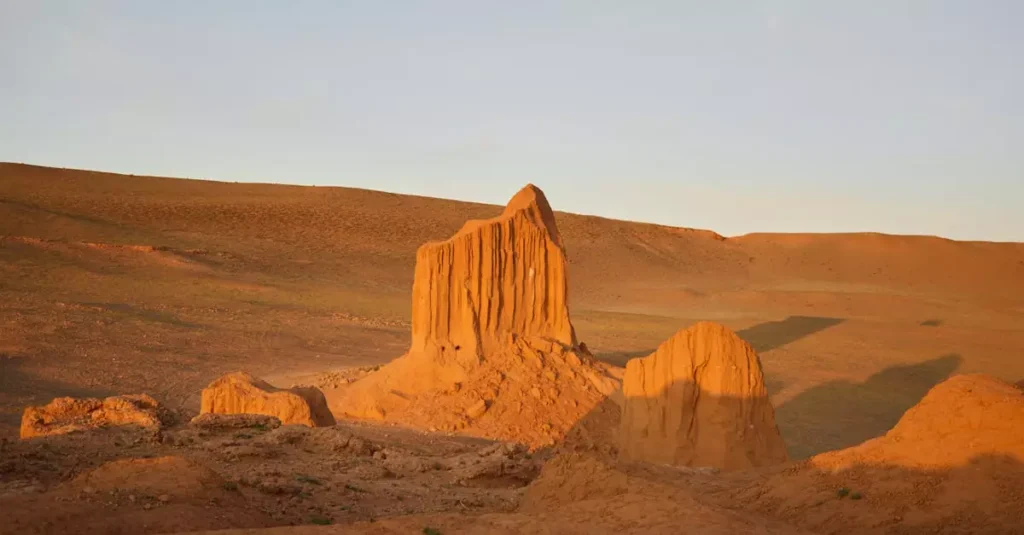
Embarking on an adventure to Mongolia, the land of the eternal blue sky, is a dream for many intrepid travelers. Understanding how much does Mongolia trip cost is a crucial first step in planning this extraordinary journey. Mongolia offers a unique travel experience, far removed from the typical tourist trails, characterized by vast, sweeping landscapes, nomadic culture, and a rich history. The cost can vary significantly based on your travel style, the duration of your stay, the activities you choose, and the time of year you visit. From luxury ger camps to more rustic homestays, and from private guided tours to joining a small group, each option impacts the overall budget. This guide aims to provide a comprehensive overview, breaking down the expenses to help you budget effectively for your Mongolian expedition.
When considering the financial aspect of a Mongolian trip, it’s essential to acknowledge the country’s unique geography and infrastructure. Much of Mongolia is remote, and travel often involves off-road driving, internal flights, or long train journeys. This can influence transportation costs, especially if you opt for private vehicles and drivers, which are common for exploring beyond the capital city of Ulaanbaatar. Accommodation also presents a spectrum of choices, from modern hotels in the city to traditional nomadic gers (yurts) in the countryside, each with a different price point. Furthermore, the activities you engage in, such as horseback riding across the steppes, visiting ancient monasteries, or experiencing a traditional eagle hunting demonstration, will add to the overall expenditure. Therefore, a detailed breakdown of potential costs is vital for accurate financial planning.
This comprehensive guide will delve into the various components that contribute to the total Mongolia travel cost estimate. We will explore the typical expenses for flights, accommodation, transportation within Mongolia, food, activities, and visas, providing realistic figures and practical tips to help you manage your budget. Whether you are planning a short cultural immersion or an extensive exploration of the Gobi Desert and beyond, this information will equip you with the knowledge to make informed decisions and ensure your Mongolian adventure is both unforgettable and financially manageable. We will also touch upon factors that can influence prices, such as the season of travel and the level of comfort you seek, offering insights from experienced travelers and tourism operators.
Understanding the Core Cost Components
The total cost of a Mongolia trip is a mosaic pieced together by several fundamental elements, each contributing significantly to the final figure. The most substantial portion for most international travelers will invariably be the international flights to Ulaanbaatar, the nation’s capital. Prices for these flights fluctuate wildly based on your departure city, the time of booking, and the airline. Generally, flights from North America or Europe can range anywhere from $800 to $1,500 or even more during peak seasons. Booking well in advance is often the key to securing more favorable fares. Once you arrive in Mongolia, the next significant expense is accommodation. In Ulaanbaatar, you can find a range of options from budget hostels and guesthouses to mid-range hotels and luxurious international chains. A decent hotel room in the city might cost between $50 and $150 per night. However, the true Mongolian experience often lies in staying in traditional gers, either at designated tourist camps or with nomadic families. Tourist ger camps typically offer more amenities and can range from $60 to $200 per night, often including meals. Staying with a nomadic family, a more immersive and often more affordable option, can cost around $30 to $70 per night, usually including home-cooked meals and a glimpse into their daily lives.
Transportation within Mongolia is another critical cost factor. For travel outside Ulaanbaatar, options range from shared minivans (often referred to as “buses” though they are more like vans) and public buses to private vehicles with drivers. Public transport between major towns is relatively inexpensive, but it can be slow and less comfortable. For exploring the vast landscapes and reaching more remote attractions, a private vehicle with a driver is highly recommended, though it is also the most expensive option. Hiring a 4×4 vehicle with a driver for a week can cost anywhere from $700 to $1,200, depending on the vehicle type, the driver’s experience, and the agreed-upon itinerary. This cost often includes the driver’s accommodation and meals, but it’s crucial to clarify this upfront. Internal flights between cities like Ulaanbaatar and Mörön or Dalanzadgad can save significant travel time but add to the expense, typically costing between $100 and $200 for a one-way ticket. Food costs in Mongolia are generally quite reasonable, especially if you eat local cuisine. In Ulaanbaatar, a meal at a local restaurant can cost $5 to $15, while tourist-oriented restaurants will be more expensive. Outside the city, meals are often included in accommodation packages at ger camps or with nomadic families, making them a more predictable expense. For independent travelers, purchasing groceries and self-catering can further reduce costs, though options may be limited in remote areas.
Finally, the activities and experiences you choose will significantly impact your budget. Entrance fees to national parks, museums, and cultural sites are generally modest, often ranging from $2 to $10. However, more specialized activities like multi-day horseback riding treks, camel riding in the Gobi, or participating in a traditional eagle hunting demonstration can add hundreds of dollars to your trip. For instance, a guided multi-day horseback riding tour might cost $100 to $200 per day, while a short camel ride could be $20 to $50. Hiring local guides for specific excursions or cultural experiences can also add to the cost, but they often provide invaluable insights and enhance the overall experience. Visas are another consideration, though many nationalities can enter Mongolia visa-free for short stays. For those who require a visa, the cost is typically around $50 to $100, depending on your nationality and the visa type. Travel insurance is an essential but often overlooked expense; a comprehensive policy can cost anywhere from $100 to $300 for a typical two-week trip, providing peace of mind in case of emergencies. Therefore, when estimating your total Mongolia trip cost, it’s vital to break down each of these components and research current prices for your specific travel plans.
Accommodation Options and Their Price Points
The choice of accommodation in Mongolia presents a fascinating spectrum, directly influencing the overall cost of your trip. For travelers arriving in Ulaanbaatar, the capital city offers a familiar range of lodging options. Budget-conscious backpackers can find hostels and guesthouses with dormitory beds starting from as low as $10 to $20 per night, providing a social atmosphere and basic amenities. Mid-range hotels offer more privacy and comfort, with private rooms typically costing between $50 and $100 per night, often including breakfast and Wi-Fi. For those seeking a more luxurious stay, Ulaanbaatar boasts several international hotel chains and upscale boutique hotels, where prices can range from $150 to $300 or more per night, offering premium services and amenities. These city accommodations are convenient for acclimatizing, arranging onward travel, and exploring urban attractions.
However, the true allure of Mongolia lies in its vast, untamed landscapes, and experiencing traditional nomadic life is a highlight for most visitors. This is where the iconic ger camps come into play. Tourist ger camps are strategically located in scenic areas across the country, offering a comfortable and authentic glimpse into nomadic living without sacrificing modern conveniences entirely. A standard ger typically accommodates two to four people and is furnished with beds, bedding, and a small stove. Prices at these camps usually range from $60 to $150 per night per person, and this often includes three meals a day (breakfast, lunch, and dinner), prepared with local ingredients. Some higher-end ger camps offer en-suite bathrooms, private showers, and more elaborate dining experiences, pushing the price point towards $200 or more per night. These camps provide a fantastic balance between cultural immersion and comfort, allowing travelers to enjoy the stunning scenery and the peace of the steppes.
For a more intimate and deeply authentic experience, staying with nomadic families offers unparalleled cultural immersion. This option is generally more affordable than tourist ger camps, with prices typically ranging from $30 to $70 per night per person. This cost usually includes a place to sleep in a family ger, hearty home-cooked meals, and the invaluable opportunity to participate in daily life – from milking yaks and sheep to helping with household chores. It’s important to note that this experience is less about luxury and more about genuine connection and understanding. Facilities can be very basic, with shared outdoor toilets and limited washing facilities. Arranging homestays is often done through local tour operators or directly upon arrival in more remote villages, though pre-booking through reputable agencies is recommended for a smoother experience. Regardless of your budget, understanding these accommodation tiers is crucial for accurately estimating your total Mongolia trip cost and tailoring your journey to your preferences.
Transportation: Navigating the Vast Mongolian Landscape
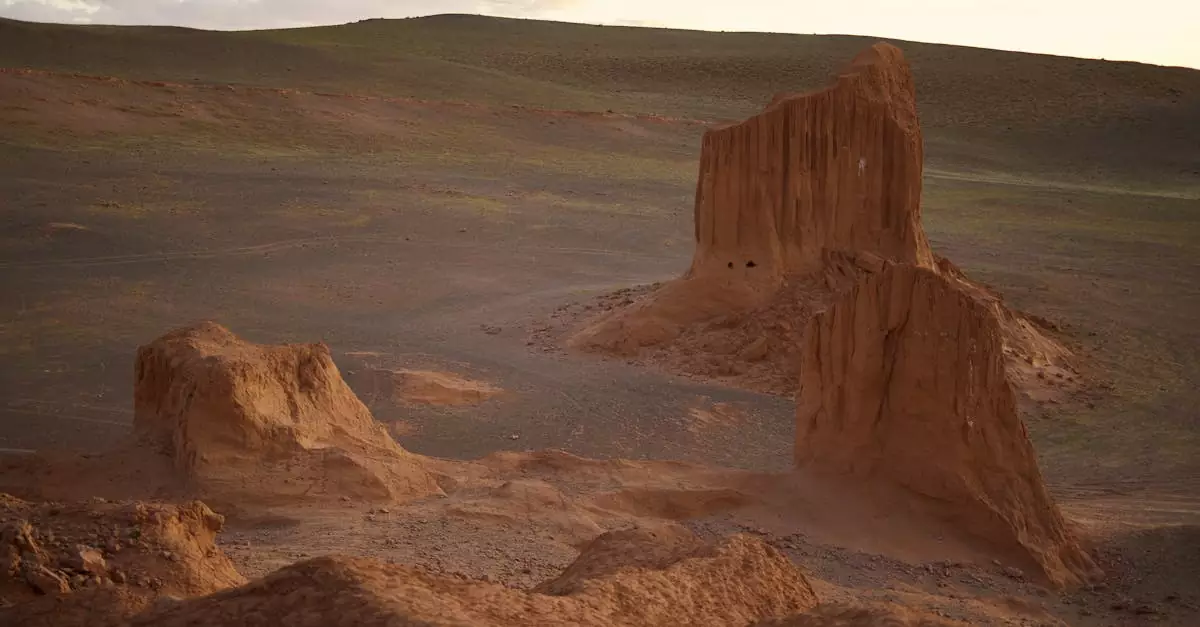
Navigating Mongolia’s immense and often rugged terrain is a significant factor in determining the total cost of your trip. The country’s infrastructure outside of Ulaanbaatar is less developed than in many other tourist destinations, meaning transportation choices have a direct and substantial impact on your budget and itinerary. For travel within Ulaanbaatar, taxis are readily available and relatively inexpensive. A ride across the city typically costs between $3 and $7, making it an affordable way to get around the capital. However, for venturing beyond the city limits, the options and costs escalate. For those on a very tight budget and with ample time, public buses and shared minivans (often called “buses” locally) connect major towns and cities. These are the most economical option, with fares between towns like Ulaanbaatar and Darkhan costing less than $10. However, these services can be infrequent, crowded, and operate on schedules that may not align with tourist itineraries. Journeys can also be lengthy and less comfortable due to road conditions.
A more common and highly recommended mode of transport for exploring the Mongolian countryside is a private vehicle with a driver. This offers flexibility, comfort, and the ability to access remote areas that are inaccessible by public transport. The typical vehicle used is a sturdy 4×4, such as a Toyota Land Cruiser or a Russian UAZ. Hiring such a vehicle with an experienced local driver for a day can range from $100 to $180. This cost usually covers the driver’s wages, fuel, and often their accommodation and meals when on the road, though it’s essential to confirm these inclusions with your provider. The total cost for a private vehicle will depend on the duration of your trip and the distance covered. For a 10-day trip exploring the Gobi Desert, for example, this could easily add $1,000 to $1,800 to your budget. This investment is often worthwhile for the freedom it provides in exploring national parks, nomadic settlements, and off-the-beaten-path attractions at your own pace.
Internal flights are another option for covering long distances quickly, particularly for reaching more remote regions. For instance, flying from Ulaanbaatar to Dalanzadgad (gateway to the Gobi Desert) or to Mörön (for access to Khövsgöl Lake) can save many hours of driving. A one-way ticket on these domestic routes typically costs between $100 and $200. While more expensive than buses, these flights can be a practical choice for travelers with limited time or those who wish to avoid extensive overland travel. Lastly, for the truly adventurous and those seeking an authentic cultural experience, horseback riding is an integral part of Mongolian life and a popular tourist activity. Multi-day treks, guided by local experts, can range from $100 to $200 per day, often including the horse, guide, and basic provisions. While not a primary mode of long-distance transportation for most tourists, it’s a significant activity cost to consider. When planning your Mongolia trip, it’s crucial to factor in these varied transportation costs to arrive at an accurate total estimate.
Food and Dining: A Taste of Mongolia
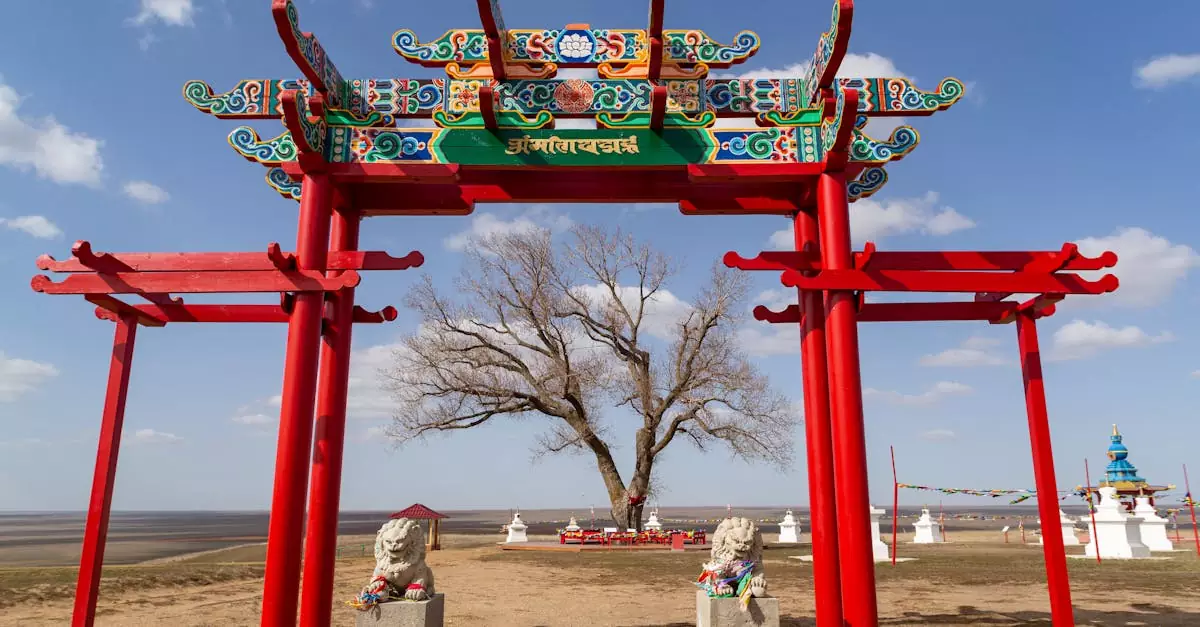
The culinary landscape of Mongolia offers a unique and often hearty experience, and understanding its cost is key to budgeting your trip. In Ulaanbaatar, the capital city, dining options are diverse, catering to both local tastes and international palates. You can find traditional Mongolian restaurants serving staple dishes like Buuz (steamed dumplings), Khorkhog (a Mongolian barbecue cooked with hot stones), and Tsuivan (noodle stew). Meals at these local eateries are generally very affordable, with a main course typically costing between $5 and $10. For a more international dining experience, Ulaanbaatar also has a growing number of cafes and restaurants offering Western, Chinese, Korean, and other cuisines. These establishments are naturally more expensive, with meals often ranging from $10 to $25 or more. Budget travelers can also find plenty of small cafes and bakeries offering pastries, sandwiches, and soups at very reasonable prices, often under $5.
When you venture out into the Mongolian countryside, the dining experience shifts significantly. In tourist ger camps, meals are almost always included in the accommodation price. This typically comprises a hearty breakfast, a packed lunch or a simple lunch at a roadside stop, and a substantial dinner. The food served in ger camps is usually a blend of traditional Mongolian fare and more internationally recognized dishes, adapted for tourist palates. Expect to find a lot of lamb, beef, rice, noodles, and fresh vegetables (when in season). The quality can vary between camps, but generally, it’s filling and satisfying. The cost of these included meals is factored into the nightly rate, which, as mentioned, can range from $60 to $150 per person. For those staying with nomadic families, meals are also typically included and are a highlight of the experience. You’ll be treated to authentic home-cooked dishes, often prepared using ingredients sourced directly from their livestock and gardens. This offers a genuine taste of Mongolian hospitality and is usually part of the homestay fee, which is considerably lower than ger camps.
For independent travelers or those who wish to supplement their meals, purchasing groceries can be an option, though it requires careful planning. In larger towns, you can find local markets selling fresh produce, meat, and dairy products. However, in more remote areas, the availability of diverse ingredients is limited. It’s advisable to carry some non-perishable snacks, such as biscuits, nuts, and dried fruit, especially for long days of sightseeing or trekking. The cost of groceries in Mongolia is generally lower than in Western countries, but the variety can be restricted. For example, a kilogram of lamb might cost around $5 to $7, and a loaf of bread around $1 to $2. Bottled water is readily available and recommended, especially outside of Ulaanbaatar, and costs about $0.50 to $1 per liter. Alcohol, such as the local vodka (Arkhi) or airag (fermented mare’s milk), is also relatively inexpensive if you wish to sample traditional beverages. Overall, while dining in Ulaanbaatar can be comparable to some Western cities, eating in the countryside is often more economical, especially when meals are included with accommodation or homestays. This makes budgeting for food a more predictable element of your total Mongolia trip cost.
Activities and Experiences: Adding Value to Your Trip
The allure of Mongolia lies not just in its landscapes but in the unique experiences it offers, and these activities form a significant part of the overall trip cost. For many travelers, horseback riding is an quintessential Mongolian adventure. Whether it’s a short, few-hour excursion to explore the nearby steppes or a multi-day trek across vast distances, the cost varies. A half-day guided horseback ride might cost between $30 and $60, while a full-day excursion could be $70 to $120. For those embarking on longer, multi-day treks, prices can range from $100 to $200 per day, which typically includes the horse, a guide, and sometimes basic camping gear and meals. These treks offer an unparalleled way to connect with the land and the nomadic heritage, making them a worthwhile investment for many.
Exploring the Gobi Desert is another major draw for visitors, and activities here can add to the expense. This often involves camel riding, which is a more relaxed way to traverse the desert dunes. A short camel ride, typically lasting an hour or two, might cost between $20 and $50. Longer camel treks, lasting several days and often including overnight stays in gers, can cost upwards of $100 to $150 per day. Entrance fees to national parks, such as Gorkhi-Terelj National Park near Ulaanbaatar or the famous Flaming Cliffs in the Gobi, are generally quite modest, often ranging from $5 to $15 per person. However, if you are traveling with a private vehicle, there might be additional fees for the vehicle itself to enter certain protected areas. Guided tours within these parks, focusing on specific geological formations or wildlife spotting, can add to the cost.
Cultural experiences are also a significant part of a Mongolian adventure. Visiting monasteries, such as Erdene Zuu Monastery, the oldest Buddhist monastery in Mongolia, usually involves a small entrance fee of around $5 to $10. Witnessing a traditional eagle hunting demonstration, particularly in the western regions like Bayan-Ölgii, is a unique and often expensive experience. These demonstrations, which showcase the ancient art of hunting with golden eagles, can cost anywhere from $100 to $300 or more, especially if arranged as a private viewing or as part of a specialized tour. Attending local festivals, like the Naadam festival in July, offers a vibrant glimpse into Mongolian culture with traditional sports like wrestling, archery, and horse racing. While the festival itself is free to attend, the costs associated with travel and accommodation during this peak period can be significantly higher. Hiring local guides for specific cultural insights or to facilitate interactions with nomadic families can also add to your budget, but their expertise and local knowledge are often invaluable. When calculating your total Mongolia trip cost, carefully consider which of these enriching activities you wish to include, as they can substantially enhance your experience but also your expenditure.
Visa, Insurance, and Miscellaneous Expenses
Beyond the core components of flights, accommodation, transport, food, and activities, several other expenses contribute to the total cost of a Mongolia trip. Visa requirements are a primary consideration for international travelers. Many nationalities can enter Mongolia visa-free for stays of up to 30 days, but it is imperative to check the specific regulations for your country of origin well in advance of your travel dates. For those who do require a visa, the application process and fees can vary. Typically, a tourist visa costs between $50 and $100, depending on your nationality and the processing time required. It’s advisable to apply through your nearest Mongolian embassy or consulate, or through a reputable visa service if you prefer. Factor in any potential costs for visa photos, application fees, and postage if applying by mail.
Travel insurance is an essential, non-negotiable expense for any international trip, and Mongolia is no exception. Given the remote nature of much of the country and the potential for adventure activities, comprehensive travel insurance is highly recommended. This insurance should cover medical emergencies, evacuation (which can be very expensive in remote areas), trip cancellation or interruption, and lost or stolen belongings. The cost of travel insurance varies based on the duration of your trip, your age, the level of coverage, and the provider. For a typical two-week trip to Mongolia, expect to pay anywhere from $100 to $300 for a robust policy. It’s crucial to read the policy details carefully to ensure it covers all your planned activities, such as horseback riding or trekking in remote areas. This expense, while seemingly an add-on, provides invaluable peace of mind and financial protection against unforeseen events.
Miscellaneous expenses can also add up and should be factored into your budget. These include things like souvenirs, tips, communication costs (SIM cards and data), and personal expenses. Souvenir shopping in Mongolia can range from small, inexpensive handicrafts to more significant purchases like cashmere products or traditional art. It’s wise to allocate a specific budget for souvenirs if you plan to bring gifts or mementos back home. Tipping is not as deeply ingrained in Mongolian culture as in some Western countries, but it is becoming more common, especially for guides and drivers who provide exceptional service. A tip of around 5-10% of the service cost is generally appreciated for good service. Purchasing a local SIM card upon arrival in Ulaanbaatar is a cost-effective way to stay connected, with data packages being quite affordable. Expect to pay around $10 to $20 for a SIM card and a decent data plan for the duration of your trip. Finally, always have a small buffer for unexpected expenses that may arise during your travels. By accounting for these visa, insurance, and miscellaneous costs, you can create a more realistic and complete budget for your Mongolia trip.
FAQs
How long should a typical trip to Mongolia be?
A typical trip to Mongolia ranges from 10 to 14 days, which allows for a good balance of experiencing the capital city, Ulaanbaatar, and exploring at least one or two key regions like the Gobi Desert or Khövsgöl Lake. For a more in-depth exploration of multiple regions and a deeper immersion into nomadic culture, a trip of 3 weeks or more would be ideal.
What is the cheapest way to travel in Mongolia?
The cheapest way to travel in Mongolia is by utilizing public buses and shared minivans between towns and cities, and by staying in basic guesthouses or homestays with nomadic families. Eating at local eateries and cooking some of your own meals can also significantly reduce costs.
Are tours necessary for a Mongolia trip?
While not strictly necessary, organized tours or hiring a private driver and guide are highly recommended for most travelers, especially for exploring beyond Ulaanbaatar. Mongolia’s vast distances, limited infrastructure, and language barriers can make independent travel challenging, and tours offer convenience, safety, and valuable cultural insights.
When is the best time to visit Mongolia for budget travelers?
The shoulder seasons, specifically May to early June and September, can offer a good balance for budget travelers. The weather is generally pleasant, and prices for accommodation and tours may be slightly lower than during the peak summer months of July and August.
Can I negotiate prices for tours and accommodation in Mongolia?
Yes, especially for private tours and homestays arranged directly with local providers, there is often room for negotiation. It is customary to politely negotiate prices, particularly outside of fixed-rate tourist ger camps or hotels. However, always aim for a fair price that respects the services provided.
Conclusion: Your Mongolia Trip Cost in Perspective
Understanding how much does Mongolia trip cost is a dynamic process, influenced by a multitude of factors that cater to various travel styles and budgets. From the initial international flights to the daily expenses on the ground, each element plays a role in shaping your overall financial outlay. For a budget-conscious traveler seeking an authentic experience, a trip of approximately 10-14 days, focusing on homestays, local transport, and self-catering where possible, could range from $1,500 to $2,500 per person, excluding international flights. This would involve embracing the simplicity of nomadic life and navigating with local buses where feasible. On the other hand, a mid-range traveler opting for comfortable ger camps, private transportation for a significant portion of their journey, and a mix of guided activities might expect to spend between $3,000 and $5,000 per person for a similar duration. This level offers a good balance of comfort, cultural immersion, and convenience.
For those seeking a more luxurious and comprehensive experience, with high-end accommodations, private guided tours throughout, specialized activities, and fine dining, the cost can easily exceed $6,000 to $10,000 per person or more for a 2-3 week expedition. This tier allows for maximum flexibility, personalized service, and access to exclusive experiences. It’s important to remember that these figures are estimates and can fluctuate based on the season of travel, the specific operators chosen, and personal spending habits. For instance, traveling during the peak summer months of July and August often means higher prices for accommodation and tours due to increased demand. Conversely, visiting during the shoulder seasons of May-June or September can sometimes yield better value. The inclusion of activities like multi-day horseback treks, eagle hunting demonstrations, or extensive overland travel in private vehicles will naturally elevate the total Mongolia travel cost estimate.
Ultimately, a trip to Mongolia is an investment in an unparalleled adventure that offers a profound connection with nature and a unique cultural heritage. By carefully planning and researching each component of your journey, from flights and accommodation to transportation and activities, you can create a realistic budget that aligns with your financial comfort. Whether you are drawn to the vastness of the Gobi Desert, the serene beauty of Khövsgöl Lake, or the rich history of its ancient civilizations, Mongolia promises an unforgettable experience. The key to managing your Mongolia trip cost effectively lies in informed decision-making, embracing flexibility, and prioritizing the experiences that are most meaningful to you, ensuring that your journey to the land of the eternal blue sky is both enriching and financially manageable. For more detailed insights into travel in the region, resources like Wikipedia’s page on Mongolia can offer a broad overview of the country’s geography, culture, and history, providing valuable context for your planning.