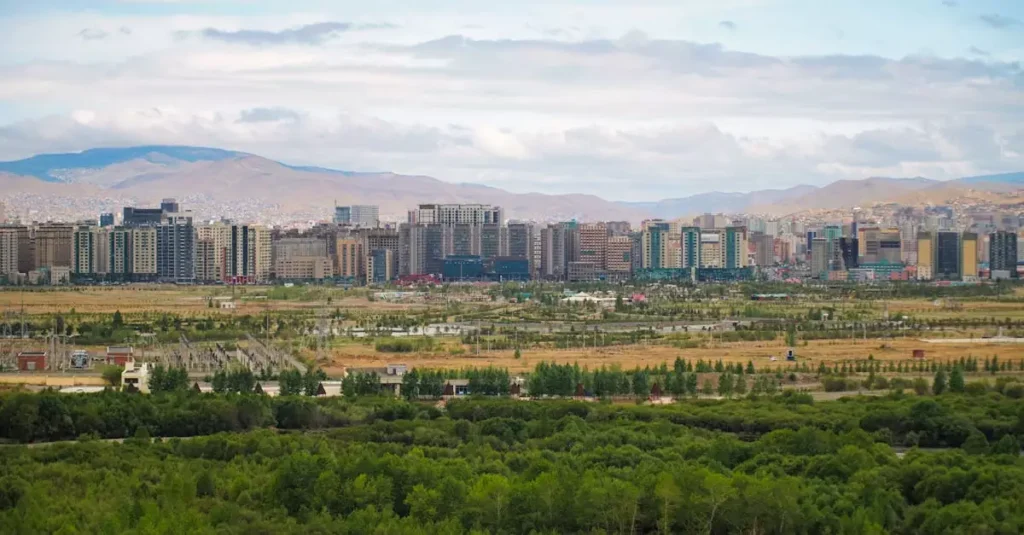
Mongolia, the vast landlocked nation nestled between Russia and China, often sparks curiosity among travelers wondering about its affordability. The question “is Mongolia expensive to visit” doesn’t have a simple answer, as costs can vary dramatically depending on your travel style, the season you visit, and the experiences you seek. For budget-conscious backpackers, Mongolia can be surprisingly affordable, with basic guesthouses and local meals keeping daily expenses low. However, those seeking authentic nomadic experiences through organized tours or luxury ger camps may find their wallets considerably lighter.
The country’s unique geography and infrastructure play significant roles in determining travel costs. While Ulaanbaatar, the capital city, offers relatively affordable urban amenities, venturing into the remote countryside where Mongolia’s true magic lies often requires specialized transportation and guides, which can increase expenses substantially. The seasonal nature of Mongolian tourism also affects pricing, with summer months commanding premium rates for accommodations and tours, while shoulder seasons offer more budget-friendly options for savvy travelers.
Understanding Mongolia’s cost structure requires examining various expense categories, from accommodation and food to transportation and activities. Unlike many Southeast Asian destinations known for rock-bottom prices, Mongolia sits in a middle ground where careful planning can yield excellent value, but spontaneous luxury comes at a premium. The key lies in understanding what drives costs up or down and making informed decisions that align with your budget and travel goals.
Accommodation Costs: From Budget Hostels to Luxury Gers
Accommodation expenses in Mongolia vary significantly based on location and type. In Ulaanbaatar, budget travelers can find dormitory beds in hostels for approximately $8-15 per night, while private rooms in guesthouses range from $20-40. Mid-range hotels typically charge $50-80 per night, offering comfortable amenities and reliable services. Luxury hotels in the capital can command $100-200 or more, providing international standards and premium locations.
The real accommodation adventure begins when venturing beyond the capital. Traditional ger camps, which offer authentic nomadic experiences, represent a unique accommodation category. Tourist ger camps range from basic setups at $30-50 per person per night to luxury operations charging $150-300 per person. These prices often include meals and some activities, making them more comprehensive than simple room rates. Budget travelers can also arrange homestays with nomadic families for $10-20 per night, though this requires local connections or tour operator arrangements.
Camping presents the most economical option for adventurous travelers, with many areas allowing wild camping at no cost. However, this requires proper equipment and knowledge of local regulations. Some designated camping areas charge minimal fees of $2-5 per night. The accommodation landscape shifts dramatically during Naadam Festival in July, when prices can double or triple, and availability becomes scarce without advance bookings.
Food and Dining: Traditional Flavors on Various Budgets
Food costs in Mongolia reflect the country’s unique culinary landscape and import dependencies. In Ulaanbaatar, street food and local canteens offer filling meals for $2-5, featuring traditional dishes like buuz (steamed dumplings), khuushuur (fried meat pies), and hearty mutton soups. These establishments provide authentic flavors at prices accessible to budget travelers, though vegetarian options remain limited due to Mongolia’s meat-centric food culture.
Mid-range restaurants in the capital serve both Mongolian and international cuisine for $8-15 per meal. Korean, Chinese, and Western restaurants have established strong presences, catering to diverse tastes with reasonable pricing. Upscale dining establishments charge $20-40 per person, offering refined presentations of traditional dishes alongside international fare. Alcohol costs vary, with local beer priced at $1-3, while imported wines and spirits command premium prices due to import taxes.
Outside Ulaanbaatar, dining options narrow considerably, but costs often decrease. Rural towns feature simple restaurants serving traditional meals for $3-8, though menu variety may be limited. Ger camps typically include meals in their accommodation packages, providing substantial portions of traditional food. Self-catering becomes challenging due to limited grocery stores in remote areas, though basic supplies remain available at reasonable prices. Travelers should budget $15-25 per day for food in urban areas, while rural dining might cost $10-20 daily depending on meal choices and dining venues.
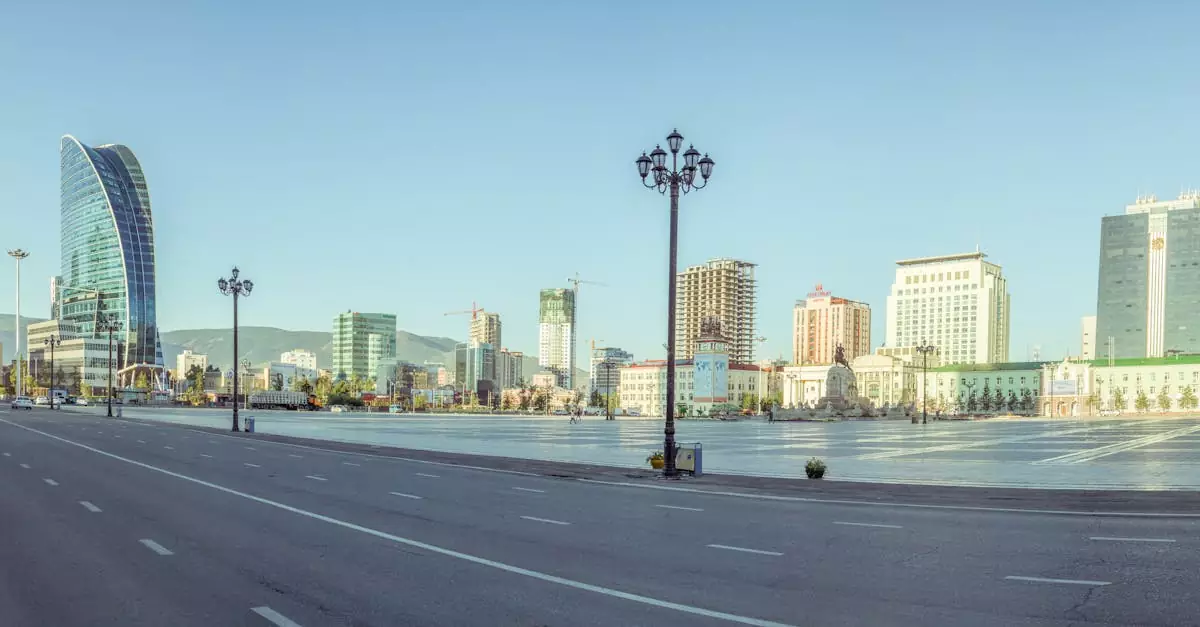
Transportation: Navigating the Steppes
Transportation represents one of Mongolia’s most significant travel expenses, particularly for those venturing beyond Ulaanbaatar. Within the capital, public buses cost mere cents per ride, while taxis charge $2-5 for most city journeys. However, the real transportation challenges and costs emerge when exploring Mongolia’s vast countryside, where distances are enormous and infrastructure remains limited.
Domestic flights between Ulaanbaatar and regional centers like Dalanzadgad or Murun cost $80-150 one-way, offering time savings for travelers with limited schedules. These flights operate seasonally and may face weather-related cancellations, requiring flexible planning. Overland transportation options include public buses and shared minivans, which serve major routes for $10-30 depending on distance, though comfort levels and schedules may not meet all travelers’ expectations.
Many visitors opt for organized tours or private vehicle rentals to access remote destinations like the Gobi Desert or Khövsgöl Lake. Tour packages typically include transportation, accommodation, meals, and guides, with costs ranging from $80-200 per person per day depending on group size and luxury level. Independent travelers can rent vehicles with drivers for $60-120 per day, though this requires careful planning and local knowledge. Self-driving remains possible but challenging due to limited road infrastructure and navigation difficulties, with rental cars costing $40-80 per day plus fuel and insurance.
Activities and Experiences: From Horseback Riding to Cultural Immersion
Mongolia’s unique activities and experiences contribute significantly to overall travel costs, though many offer exceptional value for cultural immersion. Horseback riding, quintessentially Mongolian, ranges from $20-40 per day for basic experiences to $100-200 for multi-day expeditions with professional guides and camping equipment. These experiences provide authentic connections to nomadic culture and stunning landscape access unavailable through other means.
Cultural activities in Ulaanbaatar include museum visits costing $2-5 per entry, traditional performance tickets at $10-20, and monastery tours often requiring small donations. The National Naadam Festival represents Mongolia’s premier cultural event, with ticket prices ranging from $10 for general admission to $100+ for premium seating and ceremonies. Local naadam festivals in rural areas typically cost less but offer equally authentic experiences with closer community interaction.
Adventure activities like camel trekking in the Gobi Desert, fishing at Khövsgöl Lake, or eagle hunting experiences with Kazakh families command premium prices due to their specialized nature and remote locations. These experiences typically cost $150-300 per person per day when arranged through tour operators, though they provide once-in-a-lifetime encounters with traditional lifestyles. Photography tours and wildlife watching expeditions fall into similar price ranges, reflecting the expertise and logistics required for successful outcomes. Budget travelers can arrange some activities independently for reduced costs, though this requires significant research and local connections.
Seasonal Cost Variations and Budget Planning
Mongolia’s extreme seasonal variations dramatically impact travel costs, making timing crucial for budget-conscious travelers. Summer months from June to August represent peak season, when temperatures become manageable and most tourist infrastructure operates fully. During this period, accommodation prices increase by 50-100%, tour costs rise significantly, and advance bookings become essential for popular destinations and experiences.
Shoulder seasons in May and September offer compelling compromises between weather conditions and costs. Accommodation prices drop by 20-40% compared to peak summer rates, while many activities remain available with reduced competition for bookings. Weather can be unpredictable during these months, with potential for late spring snowstorms or early autumn cold snaps, but experienced travelers often find these periods ideal for authentic experiences with fewer crowds and better prices.
Winter travel presents the most budget-friendly option, with accommodation costs dropping to their lowest levels and tour operators offering significant discounts to attract hardy visitors. However, extreme cold temperatures, limited transportation options, and reduced activity availability make winter travel suitable only for well-prepared adventurers. Ice festivals and winter sports provide unique experiences unavailable during warmer months, though specialized cold-weather gear becomes essential, adding to overall trip costs.
Comparing Mongolia to Regional Destinations
When evaluating Mongolia’s affordability, comparisons with regional destinations provide valuable context for budget planning. Compared to popular Southeast Asian destinations like Thailand or Vietnam, Mongolia generally costs 30-50% more for similar comfort levels, though it offers completely different cultural and natural experiences. Daily budgets that might stretch comfortably for two weeks in Bangkok may last only 7-10 days in Mongolia, particularly when including authentic cultural experiences.
Neighboring China presents interesting cost comparisons, with Mongolia’s remote regions often matching or exceeding prices in China’s major cities for accommodation and organized activities. However, food costs in Mongolia remain generally lower than in Chinese tourist destinations, while transportation expenses vary significantly based on chosen methods and destinations. Mongolia’s unique position between major powers influences its pricing structure through import costs and limited competition in tourism services.
Compared to Central Asian destinations like Kazakhstan or Kyrgyzstan, Mongolia typically costs 20-40% more for similar experiences, reflecting its smaller tourism infrastructure and higher logistical costs for reaching remote areas. However, Mongolia’s tourism industry offers more developed services and English-language support, potentially providing better value for travelers seeking hassle-free experiences. The country’s unique attractions, from the Gobi Desert to pristine lakes and nomadic cultures, justify premium pricing for many visitors seeking experiences unavailable elsewhere in the region.
Money-Saving Strategies and Budget Tips
Smart budget management can significantly reduce Mongolia travel costs without sacrificing authentic experiences. Traveling during shoulder seasons provides the best balance of reasonable weather and reduced prices, with May and September offering particularly good value. Booking accommodations and tours directly with local operators rather than through international agencies can yield savings of 20-30%, though this requires more research and communication effort.
Group travel presents excellent opportunities for cost reduction, particularly for transportation and tour expenses. Organizing small groups of 4-6 travelers can reduce per-person costs for vehicle rentals, guides, and accommodation in ger camps. Many tour operators offer group discounts, and splitting costs for private transportation makes remote destinations more accessible to budget travelers. Solo travelers can join existing groups through hostels, online forums, or local tour operators.
Self-catering and strategic meal planning help control food costs, particularly in Ulaanbaatar where grocery stores offer reasonable prices for basic supplies. Mixing expensive organized activities with free or low-cost experiences like hiking, visiting local markets, or attending community events provides balanced budgets while maintaining authentic cultural exposure. Learning basic Mongolian phrases and cultural customs can lead to informal invitations and experiences that money cannot buy, enriching travels while reducing commercial activity dependence.
FAQs
How much should I budget per day for a Mongolia trip?
Daily budgets in Mongolia vary significantly based on travel style and season. Budget travelers can manage on $30-50 per day using hostels, local food, and public transportation in Ulaanbaatar. Mid-range travelers should budget $80-120 per day for comfortable accommodations, mixed dining, and some organized activities. Luxury travelers or those seeking premium ger camp experiences should plan for $150-300 per day, particularly during peak summer season.
Is Mongolia more expensive than other Asian countries?
Mongolia generally costs more than popular Southeast Asian destinations like Thailand, Vietnam, or Cambodia, typically 30-50% higher for similar comfort levels. However, it remains more affordable than developed Asian countries like Japan or South Korea. The unique experiences and limited tourism infrastructure justify higher costs compared to mass-market Asian destinations.
What are the most expensive aspects of visiting Mongolia?
Transportation to remote areas and organized tours represent the highest expenses for most travelers. Multi-day ger camp experiences, guided horseback riding expeditions, and private vehicle rentals with drivers constitute major budget items. Accommodation during peak season and specialized activities like eagle hunting or photography tours also command premium prices due to their unique nature and limited availability.
Can I visit Mongolia on a tight budget?
Yes, budget travel in Mongolia is possible with careful planning and flexibility. Staying in hostels, eating at local restaurants, using public transportation, and camping can reduce costs significantly. Traveling during shoulder seasons, joining group tours, and mixing expensive activities with free experiences like hiking help stretch budgets. However, accessing remote areas on minimal budgets requires more effort and compromise on comfort.
Are there hidden costs I should know about when visiting Mongolia?
Several potential hidden costs include visa fees for some nationalities, travel insurance for remote area coverage, cold-weather gear rental or purchase, and tips for guides and drivers which are culturally expected. ATM fees can be substantial due to limited banking infrastructure, and emergency transportation from remote areas can be extremely expensive. Currency exchange rates and limited card acceptance outside Ulaanbaatar may also impact budgets unexpectedly.
Conclusion: Making Mongolia Affordable and Worthwhile
Mongolia’s travel costs reflect its unique position as a destination offering extraordinary experiences in challenging logistics circumstances. While not the cheapest Asian destination, Mongolia provides exceptional value for travelers seeking authentic cultural immersion and pristine natural environments unavailable elsewhere. The key to managing costs lies in understanding seasonal variations, choosing appropriate accommodation levels, and balancing expensive organized activities with independent exploration and free experiences.
Successful budget management in Mongolia requires advance planning, flexibility, and realistic expectations about comfort levels and accessibility. Travelers willing to embrace adventure and uncertainty often discover that Mongolia’s rewards far exceed its costs, providing memories and experiences that justify the investment. Whether pursuing budget backpacking or luxury cultural immersion, Mongolia offers options for various financial circumstances while maintaining its authentic character and natural beauty.
The question of whether Mongolia is expensive ultimately depends on individual priorities, travel styles, and comparison points. For travelers seeking unique experiences, cultural authenticity, and natural wonders, Mongolia provides excellent value despite higher costs than some regional alternatives. Careful planning, strategic timing, and smart spending choices can make this remarkable destination accessible to travelers across various budget ranges, ensuring that Mongolia’s magic remains within reach for those willing to plan thoughtfully and embrace adventure.