Introduction to Power on Koh Rong Island
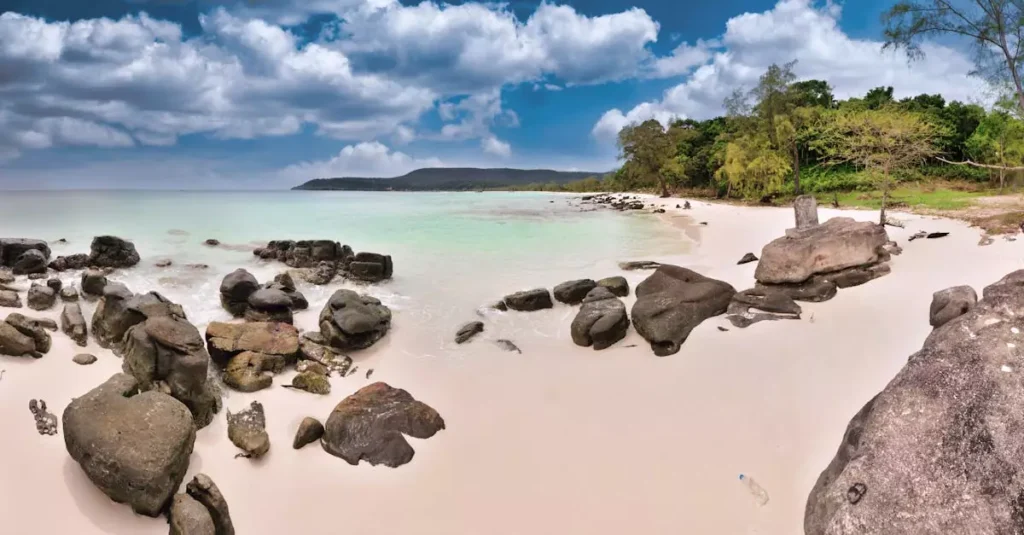
Koh Rong sits in the Gulf of Thailand and has become one of Cambodia’s most photographed islands. For a long time the islands infrastructure lagged behind its growing visitor numbers, leaving many travelers without lights or fans after midnight. Moving into 2026, the situation has improved considerably: most of the main beaches now tap into a steadier electricity supply. That shift has reshaped how local businesses operate and how they price stays, so understanding the koh rong power electricity cost hotels face is an essential part of planning your budget for a tropical escape.
The islands move away from tiny diesel generators toward a submarine cable connection has been gradual and costly. Previously, each bungalow owner ran their own noisy generatoran expensive, polluting necessity. Connection to the mainland grid now offers more dependable power, but keeping equipment functioning in a saltwater environment remains pricey. Hotels also keep backup generators for storms and outages, and those contingency costs are reflected in the final rates guests pay.
When booking, youll notice different pricing models. Some properties fold all utilities into the nightly rate; others add a separate fee for energy-heavy amenities like air conditioning. Below youll find an overview of typical costs, the reasons behind common surcharges, and which parts of the island deliver the most reliable power. Armed with that information, youll avoid surprises when you check in and can better enjoy white sand beaches and clear water.
The Evolution of the Island Power Grid
The story of electricity on Koh Rong mirrors the islands tourism boom. Ten years ago, large swathes of the island were dark after sunset and locals used kerosene lamps for evening light. As visitor numbers increased, so did the need for fuel, and diesel shipments from Sihanoukville became routine. Transport costs made running generators expensive, so many guesthouses limited lighting to a few evening hoursan atmosphere many early backpackers found charming.
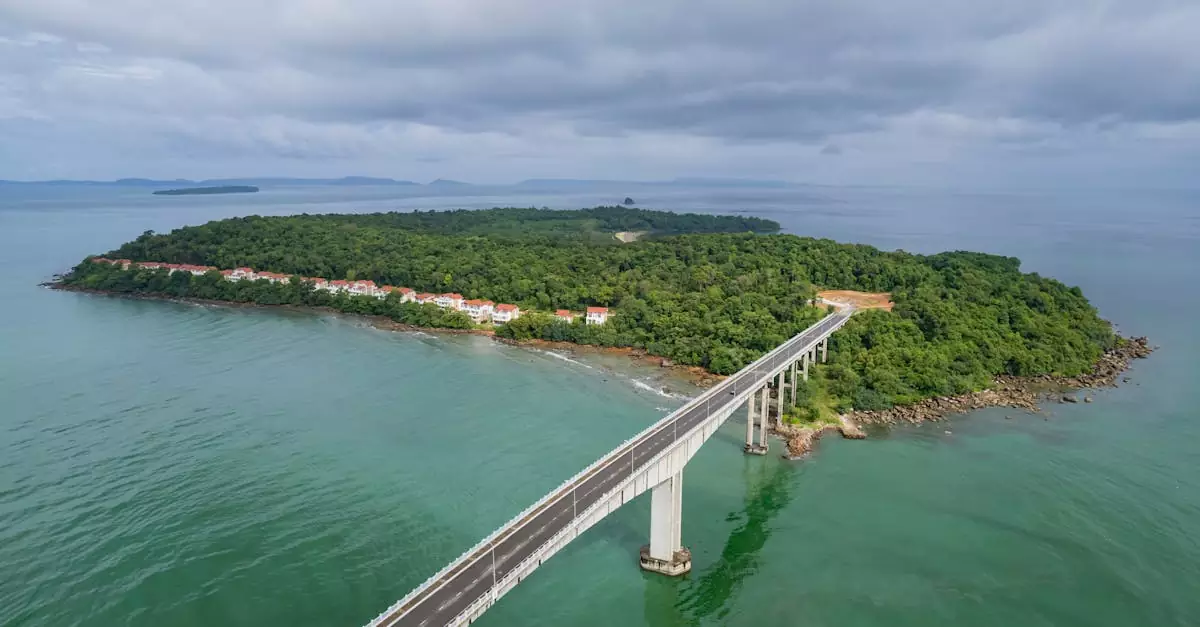
Fast-forward to 2026 and the landscape has shifted: undersea cables now tie parts of the island into the national power network, enabling larger resorts and modern facilities to open. Its now common to find villas with reliable internet and strong cooling systems. Still, demand spikes in peak season can strain the grid, so many hotels keep private power systems on standby. Operating both a public connection and private backup reduces guest discomfort but increases operational expenses.
Electricite du Cambodge manages national tariffs, and official figures are available on the Tourism Cambodia site. While mainland rates are lower, island electricity often costs two to three times as much because of last mile delivery challenges. Salt corrosion shortens equipment life, repairs demand specialist labor, and emergency call-outs are costly. When hotels pay more for energy, those higher costs typically find their way into room rates or appear as separate charges on receipts.
Average Koh Rong Power Electricity Cost Hotels Charge
The koh rong power electricity cost hotels charge varies with accommodation type. Budget guesthouses frequently bundle power into the room price but often only provide a ceiling fan. Requesting air conditioning usually bumps the cost noticeably. Hotels typically pay roughly $0.30 to $0.50 per kilowatt-hour on the island, while mainland rates hover near $0.15. That price gap encourages small operators to monitor usage closely and ask guests to switch off lights when they leave.

At mid-range resorts the electricity cost is usually hidden in the nightly tariff. For example, of an $80 beachfront bungalow rate, roughly $10$15 may cover electricity for air conditioning, water heating and lighting. Some eco-friendly properties rely on solar panels and battery banks; while greener, those setups require high upfront investment and often come with restrictions on heavy appliances like hair dryers to protect battery life. Many eco-resorts charge a premium for their lower-carbon operation.
High-end hotels aim to deliver uninterrupted power around the clock and therefore maintain large industrial generators and robust maintenance programs. That reliability comes with a price: a luxury suite that lists at $300 a night can see $40 or more of that amount tied to power and cooling costs. Keeping a room chilled to 20C when outdoor temperatures approach 35C demands significant energy, and cooling remains the single largest expense for hotels on the island.
Understanding the Koh Rong Electricity Surcharge Hotels Use
Budget travelers should be aware of the koh rong electricity surcharge hotels sometimes apply. Hostels and inexpensive guesthouses often advertise a low base rate covering basic powerlights and a fan. If you opt for air conditioning, expect an additional charge, typically $5$10 per night. This approach lets hotels appear cheaper on booking platforms while still recovering their actual energy costs on site.
Some properties use a metered system, more common in longer-term rentals or apartment-style hotels. Staff record the meter on arrival and again at checkout so you pay precisely for what you consumed. That method is fair but can lead to sticker shock if the AC has been left on for hours. In 2026, smart meters and apps are becoming more widespread, letting guests monitor usage and encouraging more energy-conscious behavior.
Surcharges largely exist because fuel prices fluctuate. Even with mainland power, diesel remains the fallback for many operators, and global oil price jumps quickly inflate generator expenses. Hotels cant constantly reprice rooms, so an electricity surcharge helps absorb those swings. It also serves as a demand-management toolcharging more for AC can discourage excessive use and reduce the likelihood of blackouts on an already fragile network. Always check booking confirmations and ask about any extra electricity fees before you arrive.
Comparing Power Reliability by Location
Power stability varies across Koh Rong because the islands size and terrain complicate cable runs. Koh Touch, the main village and busiest hub, was prioritized for the mainland connection and enjoys comparatively steady electricity. Technical support is nearby and faults are usually repaired within a few hours, making the area a practical choice for remote workers and travelers who need reliable charging and internet.
Saracen Bay, located on neighboring Koh Rong Sanloem, faces its own challenges but many resorts there have invested in private solar systems. The result is quieter evenings without constant generator noise. Solar, however, can be less dependable during prolonged rainy stretches, when battery banks might not store enough energy. Larger resorts typically maintain backups; smaller operations can experience dimmer lighting or service limits on cloudy spells. For regional context, the Britannica site offers useful geographic background.
Remote stretches such as Lonely Beach or Palm Beach often remain off-grid. Accommodations in those locations depend entirely on their own generators or scheduled power hourscommon practice is to run generators from late afternoon into the evening only. That regime suits visitors seeking a low-tech getaway, but it can be inconvenient if you need to charge cameras, medical devices, or work equipment. Always check the power schedule before booking a remote spot.
| Area | Power Source | Reliability | Average Surcharge |
|---|---|---|---|
| Koh Touch | Mainland Cable | High | $0 – $5 |
| Long Set Beach | Mainland Cable | High | $5 – $8 |
| Saracen Bay | Solar / Generator | Medium | $10 – $15 |
| Lonely Beach | Private Generator | Low | Included |
Pros and Cons of Island Power Systems
The islands evolving power setup brings clear advantages and some downsides for visitors. On the plus side, better electricity means more comfortable nightsair conditioning makes the destination accessible to families and older travelers who might have avoided it previously. Brighter streets and operational security systems have also reduced petty crime in main villages, creating a safer atmosphere for solo visitors.
On the flip side, higher operating costs translate into pricier food and drink and potential hidden fees for guests. Diesel backups still contribute noise and emissions, and recycling or disposing of old solar batteries has become an environmental issue. Those trade-offs factor into decisions about where to stay on the island.
Pros
- Better sleep quality due to air conditioning availability.
- Improved safety with street lighting and security systems.
- Ability to work remotely with stable power for electronics.
- Faster recovery after storms thanks to a centralized grid.
Cons
- Higher room rates and potential hidden surcharges.
- Noise pollution from backup generators in some areas.
- Environmental strain from fuel transport and battery waste.
- Inconsistent power in remote, off-grid locations.
Practical Tips for Managing Power Use
To save money and reduce strain on local systems, adopt a few simple habits. Turn off the air conditioning each time you leave your room; small bungalows cool down quickly after you return. Carry a power bank and charge it during stable daytime hoursthis helps you avoid running hotel systems during peak consumption periods and provides a fallback during outages.
Avoid using high-wattage appliances like hair dryers, kettles or irons in smaller guesthouses; some wiring cant support them and you may trip circuits. Always ask staff before plugging in heavy devices. Consider staying in a fan-cooled room and relying on ocean breezes when possiblethis is lighter on your wallet and kinder to the environment.
Before you settle the bill, check for any koh rong electricity surcharge hotels might add and ask for an itemized breakdown if something looks unclear. Most operators depend on good reviews and will address concerns if you raise them politely. For background on labor and business standards in the region, see Human Rights Watch. Being informed helps you support more ethical and sustainable businesses.
Reality Check: Infrastructure Challenges in 2026
Even with clear improvements, Koh Rong remains a developing destination and visitors should set realistic expectations for 2026. Sudden storms can bring down trees and power lines, and repairs may take a day or two if crews must come from the mainland. While many hotels keep generators, these are sometimes reserved for essential systems like water pumps and refrigeration, meaning AC could be temporarily unavailable.
Internet service often follows power infrastructure, so an outage may knock out fiber connections as well. Mobile data can be unreliable inside solid structures, so digital nomads should have contingency plans. A few cafs and businesses have invested in satellite internet services such as Starlink, which serve as useful backup workspaces, though they can fill up quickly at peak times.
The elevated cost of living on the islandeverything from bottled water to energy must be transported or locally generatedexplains why koh rong electricity surcharge hotels add such fees. These charges are part of doing business off the mainland rather than a deliberate attempt to overcharge visitors. Accepting that reality lets you focus on the islands natural highlights, from bioluminescent plankton to lush jungle trails.
Frequently Asked Questions
Does every hotel on Koh Rong have 24/7 power?
No, constant power is not universal. Many hotels in Koh Touch and Saracen Bay offer round-the-clock electricity, but remote eco-lodges frequently provide power only during set evening hours. Confirm the amenities of your chosen property before booking.
How much is the average koh rong electricity surcharge hotels charge?
Air conditioning surcharges typically run between $5 and $10 per night. Higher-end resorts often include electricity in the room rate, while budget accommodations may list it as a separate fee. Verify charges during booking.
Can I charge my laptop and phone safely on the island?
Yescharging is safe in most modern hotels, but power surges can occur during storms or when switching to generator power. Using a quality surge protector or relying on a charged power bank provides added protection for valuable electronics.
Is the power grid stable during the rainy season?
The grid is less reliable from June to October, when storms and falling branches can interrupt lines. Large hotels typically use backup diesel generators to sustain critical services during these times.
Are there any hotels that use 100% renewable energy?
Several eco-resorts run entirely on solar power and battery storage, offering quieter stays without generator noise. These properties may restrict the use of high-energy items such as hair dryers or electric kettles.
Conclusion: Planning for Your Trip
Understanding the koh rong power electricity cost hotels charge should be part of your travel checklist. The island has moved far from the days of near-total darkness and now offers a mix of modern comforts and natural charm. Those comforts come at a premium compared with the mainland, so knowing where surcharges apply and which areas have stable power helps you pick the right accommodationwhether thats a luxury resort with nonstop AC or a quiet eco-bungalow with limited hours of electricity.
Be a thoughtful traveler: switch off appliances when not in use, conserve water, and pick businesses that demonstrate sustainable practices. The spread of a reliable power grid benefits local communities through better healthcare, schooling and economic opportunities. With a little preparation, your visit to Koh Rong in 2026 can be comfortable, responsible and memorable as you watch the sun set over the Gulf of Thailand.