
Cebu, an energetic island province nestled in the Central Visayas of the Philippines, captivates visitors with its breathtaking beaches, deep-rooted history, and lively urban centers. Whether you find yourself relaxing on the pristine sands of Malapascua or wandering through the historic avenues of Cebu City, theres a wealth of experiences waiting for every traveler. To truly enjoy your trip without financial stress, its essential to grasp the costs involved in exploring this diverse destination.
Many visitors often ask about the daily expenses they should anticipate when visiting this tropical haven. Calculating your cebu travel cost per day is a vital step to ensure a smooth and worry-free trip. This breakdown covers typical spending on lodging, meals, transport, and entertainment, providing you with practical estimates to help plan your budget efficiently.
Whether youre journeying alone, traveling as a couple, or adventuring with family, keeping your spending in check makes all the difference. This detailed cebu budget guide delivers straightforward advice, from the cost of local street food to the price of island hopping tours, giving you a realistic idea of what your daily expenses might look like.
Understanding Your Cebu Travel Cost Per Day
Your daily expenses in Cebu largely depend on your style of travel. Are you a thrifty backpacker, someone seeking moderate comfort, or do you prefer to indulge in luxury? Each approach comes with its own spending habits. Most visitors find a middle ground that balances enjoyable experiences with saving money. Trips to Cebu typically last a few days and often blend city sightseeing with island excursions.
The amount you spend each day varies based on several elements. The type of accommodation you choose heavily influences your budget. Your dining habits, whether sticking to street food or dining in fancier restaurants, also make a difference. Activities like diving, snorkeling, or visiting historical spots add layers to your overall cost. Recognizing these factors allows you to customize your budget according to your tastes and financial means. Well detail each category to clarify these costs.
As a rough guide, budget travelers might spend between PHP 1,500 and PHP 2,500 daily. Those opting for mid-range comfort can expect to shell out PHP 3,000 to PHP 5,000 per day. Luxury travelers often exceed PHP 7,000 a day. These ranges typically cover basic lodging, meals, local transportation, and a few chosen activities. Keep in mind these are approximate figures, and actual spending can vary. Booking some services in advance often helps you snag better deals.
Accommodation: Where to Stay and What You’ll Pay
Accommodation tends to be the biggest chunk of your cebu travel cost per day. Cebus lodging options span from budget hostels to upscale resorts. Your choice here will shape your budget significantly. Staying in Cebu City puts you close to metropolitan conveniences, whereas Mactan Island boasts beachfront resorts and is near the airport. For nature lovers, southern destinations like Moalboal or Oslob offer access to marine life and tranquil environments.
Those traveling on a shoestring often choose hostels or guesthouses. Dormitory beds can be found for PHP 400 to PHP 800 per night, while private rooms in budget hotels usually run from PHP 800 to PHP 1,500. These accommodations generally provide essentials such as air conditioning and Wi-Fi. Many budget options are centrally situated, making it easy to hop on public transport or find local dining.
Mid-range hotels offer enhanced comfort and amenities, with prices ranging from PHP 2,000 to PHP 4,000 nightly. Facilities like pools, breakfast service, and sometimes gyms are common in this category. This tier appeals to travelers seeking a mix of comfort and value. On the higher end, luxury resorts and boutique hotels start around PHP 5,000 and can climb beyond PHP 15,000 per night, offering premium service and spectacular views.
Food and Dining: Savoring Cebu on a Budget
Sampling local cuisine is one of the highlights of visiting Cebu, and food expenses play a notable role in your cebu travel cost per day. Embracing traditional dishes is not only a cultural delight but also a smart way to keep your budget in check. The island offers a wide range of flavors catering to every wallet.
For those mindful of spending, `carenderias`small local eateriesare a perfect choice. Here, a filling plate of rice with one or two side dishes usually costs between PHP 80 and PHP 150. Street snacks like `tempura`, `kwek-kwek`, or `balut` are even more affordable, typically priced from PHP 20 to PHP 50 each. Local markets bustle with affordable fresh produce and ready-to-eat treats, favored by residents and visitors alike for their authenticity and value.
Casual dining spots and fast-food chains appeal to mid-range budgets, with meals generally costing PHP 200 to PHP 500 per person. Youll find popular Filipino dishes, seafood, and international fare in this range. Fine dining establishments and hotel restaurants can charge PHP 700 to PHP 1,500 or more per person, especially for upscale meals. Alcoholic drinks add extra cost; local beers run about PHP 60 to PHP 100 in stores and PHP 100 to PHP 180 in bars, while imported liquors are priced considerably higher.
Transportation: Getting Around Cebu Affordably
Finding efficient and cost-effective transportation is essential to managing your cebu travel cost per day. Cebu provides various ways to get around, each differing in price and convenience. Knowing your options helps you make choices that suit your travel plans.
Public transport is the cheapest way to navigate. Jeepneys, iconic to the Philippines, charge fares between PHP 13 and PHP 30 depending on distance. They are affordable but can be crowded and somewhat confusing for newcomers due to fixed routes. Buses cover longer distances, linking Cebu City to southern towns such as Moalboal and Oslob, with fares ranging from PHP 50 to PHP 250 depending on the route and bus type.
For more comfort, the ride-hailing app `Grab` operates widely in Cebu City and Mactan, offering transparent metered fares. Short trips usually cost between PHP 100 and PHP 250. Taxis are abundant too, but make sure the meter is used to avoid overcharging. In rural areas, `habal-habal` (motorcycle taxis) are common for short trips, with fares typically between PHP 50 and PHP 200always agree on the price beforehand. Renting a scooter or car offers independence, with daily rates starting around PHP 400 for scooters and PHP 1,500 for cars, fuel excluded.
Transportation Options Comparison Table
Below is a comparison of popular transport methods in Cebu, highlighting cost, convenience, and ideal use cases to guide your decisions.
| Mode of Transport | Typical Cost (PHP) | Convenience Level | Best For |
|---|---|---|---|
| Jeepney | 13-30 per ride | Low (can be confusing) | Short distances within city, local experience |
| Bus | 50-250 per trip | Medium | Travel between towns, longer journeys |
| Grab (Ride-hailing) | 100-250 per short ride | High | City travel, airport transfers, comfort |
| Taxi | 100-300+ (metered) | High | City travel, direct routes, convenience |
| Habal-habal (Motorcycle) | 50-200 per short ride | Medium (rural areas) | Short trips in countryside or mountains |
| Scooter Rental | 400-600 per day | High (independent) | Flexible exploration, personalized itinerary |
Activities and Attractions: What to Do and Their Costs
Cebu boasts a wide variety of activities, ranging from cultural tours to exhilarating water sports. These adventures contribute to your overall `Philippines travel budget`. Crafting your daily itinerary with an eye on costs helps keep your cebu travel cost per day manageable. Many travelers seek a mix of famous landmarks and authentic local experiences.
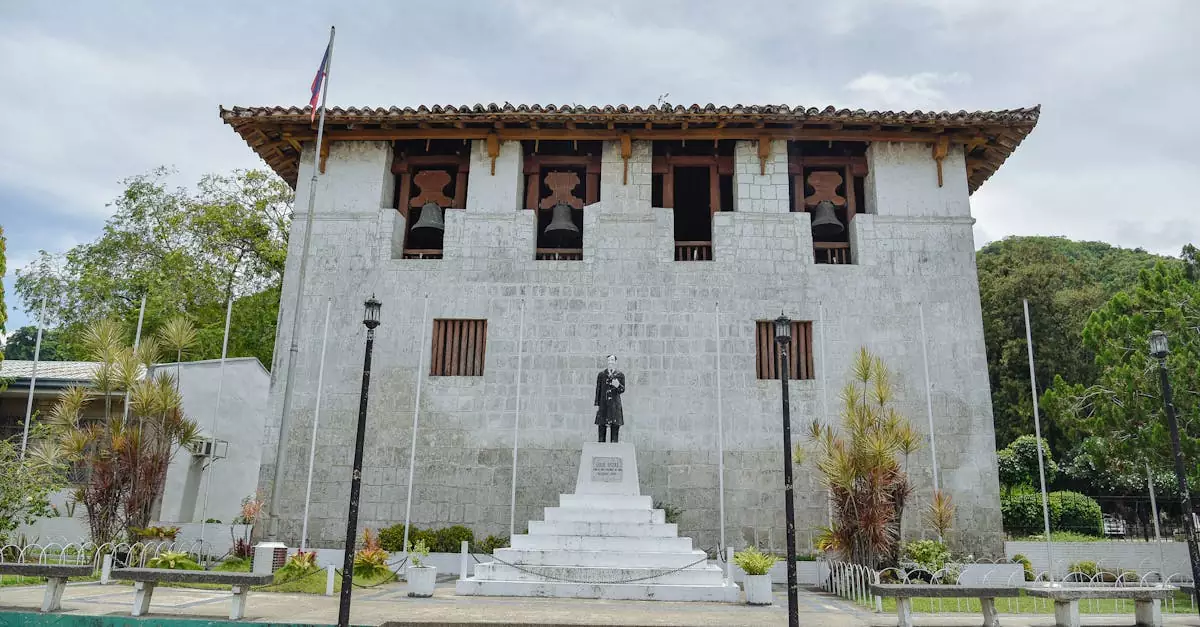
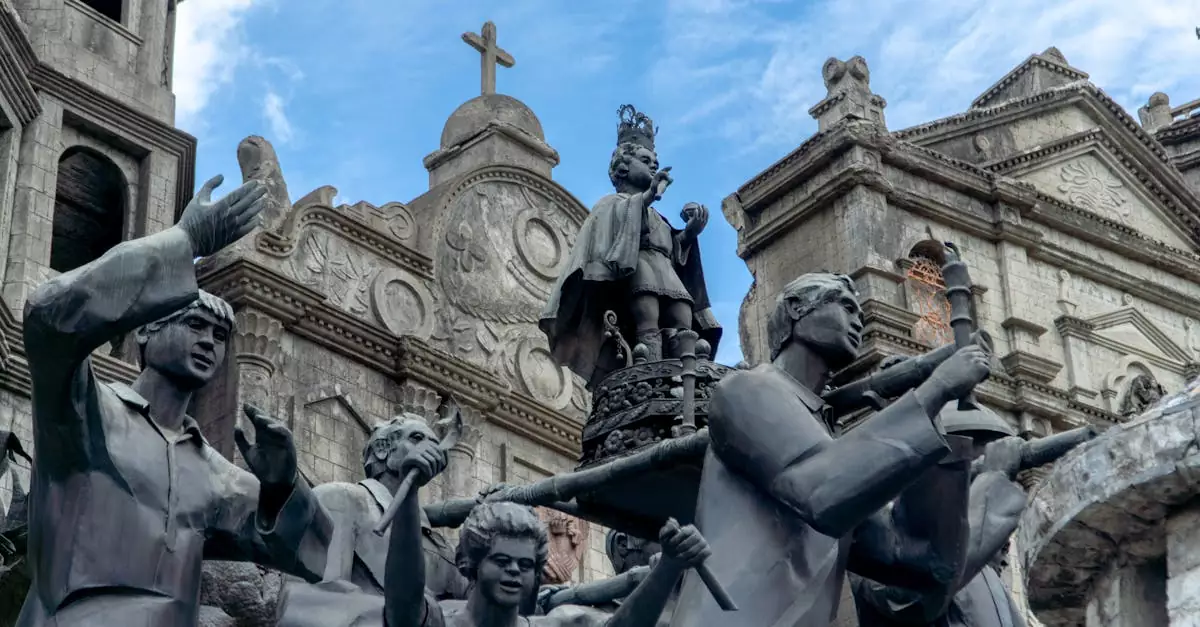
Within Cebu City, visiting historical sites such as Magellan’s Cross, Basilica Minore del Santo Nio, and Fort San Pedro often comes with little or no admission fees. The Taoist Temple typically asks for a minor donation. Exploring these places offers a deep dive into local history without straining your wallet. Each site usually takes a few hours to appreciate fully. For thrill-seekers, canyoneering in Badian near Kawasan Falls is a popular activity, costing between PHP 1,500 and PHP 2,500 per person, including guides and equipment. Its a full-day excursion showcasing stunning natural scenery.
Island hopping tours remain a favorite among visitors. Trips to nearby islands like Olango or Nalusuan generally cost PHP 1,500 to PHP 3,000 per person and often include lunch and snorkeling gear. Swimming with whale sharks in Oslob is another sought-after experience, with fees around PHP 500 for locals and PHP 1,000 for foreigners, plus transport costs. Responsible tourism is encouraged here to protect the wildlife. For diving enthusiasts, Moalboals sardine run offers dives costing PHP 1,500 to PHP 2,500 for certified divers, while beginners can try discovery dives priced between PHP 3,000 and PHP 4,000. These marine adventures remain highlights for many `traveling to Cebu`.
Pros and Cons of DIY vs. Organized Tours for Activities
Choosing between self-guided exploration and organized tours influences both your experience and your `cebu budget guide`.
- DIY (Do-It-Yourself)
- Advantages: Greater flexibility, can be more economical for groups, allows spontaneous itinerary changes, offers richer local interactions.
- Drawbacks: Demands more preparation, can be complex logistically, risks hidden costs, less convenient for intricate itineraries.
- Organized Tours
- Advantages: Convenience with transportation, meals, and guides included; enhanced safety; expert knowledge; hassle-free planning.
- Drawbacks: Less adaptable schedules, potentially higher costs for solo travelers, limited opportunities for unexpected discoveries.
Practical Tips for Managing Your Cebu Budget
Keeping your budget in check is essential for a pleasant and affordable stay in Cebu. The following tips can help you control your cebu travel cost per day while making the most of your visit. Applying these suggestions often leads to meaningful savings.
- Use Local Transport. Relying on `jeepneys` and local buses can dramatically reduce your daily transit expenses. Although these may seem intimidating initially, they provide an authentic experience and are very budget-friendly. For longer routes, air-conditioned buses offer comfort at reasonable prices compared to private transfers.
- Eat Like a Local. Choose `carenderias` and street food stalls for tasty, affordable meals. Avoid tourist-oriented places where prices tend to be inflated. Visiting local markets not only saves you money but also immerses you in the local culture.
- Prepare for Traffic Jam. Cebu City faces heavy traffic during rush hours, which can increase travel time and transportation costs if you rely on metered taxis or `Grab`. Plan extra time in your schedule to accommodate delays.
- Reserve Accommodations Early. Booking hotels or hostels ahead, especially during the busy season from November to May, can secure better prices and room availability. Last-minute bookings often come at a premium or with fewer options.
- Negotiate Fares When Possible. For `habal-habal` or unmetered tricycles, always agree on the price before setting off. This helps avoid misunderstandings and overcharging.
- Carry Small Bills. Many local businesses, including `carenderias` and small shops, prefer cash payments and may not have change for large notes. Having smaller denominations makes transactions smoother.
- Stay Hydrated Safely. Since tap water is generally unsafe, budget for bottled water, which is affordable and widely available. Buying large bottles to refill smaller ones is an economical choice.
- Consider Travel Insurance. Though not part of your daily budget, insurance is a valuable safeguard against unexpected events like medical emergencies, cancellations, or lost luggage, protecting your overall `cost of living in Cebu` during your trip.
- Complete eTravel Registration. Before `traveling to Cebu`, make sure to fulfill the required eTravel registration, which streamlines entry into the Philippines. More details and sign-up are available on the official eTravel website.
FAQs About Traveling to Cebu
How much money should I bring to Cebu for a week?
For a seven-day stay, a budget traveler might allocate PHP 10,500 to PHP 17,500 (around $180 to $300 USD). Those seeking mid-range comfort should plan for PHP 21,000 to PHP 35,000 ($360 to $600 USD). These estimates cover lodging, meals, transportation, and some activities, excluding international airfare.
Is Cebu an expensive place to visit?
The cost of visiting Cebu varies widely depending on your choices. Compared to Western destinations, its generally quite affordable. By opting for local food, public transit, and free or low-cost attractions, you can keep your cebu travel cost per day modest.
What is the best time to visit Cebu for good weather and lower costs?
The dry months from November through May bring the most pleasant weather. However, the busiest period from December to April tends to have higher prices. Traveling in November or May often strikes a balance, offering favorable weather at less crowded and more affordable times.
Are credit cards widely accepted in Cebu?
Credit cards are commonly accepted in major hotels, upscale restaurants, and shopping centers in Cebu City and Mactan. However, smaller venues, local eateries, and rural areas mostly require cash. Its wise to carry enough Philippine Pesos for everyday expenses.
What are some free or low-cost activities in Cebu?
You can explore many affordable sites such as Magellan’s Cross, Basilica Minore del Santo Nio, and the Taoist Temple, which often have no or minimal fees. Walking along Colon Streetthe oldest street in the Philippinesor browsing local markets also provides rich cultural experiences without much expense.
Final Thoughts on Your Cebu Travel Cost Per Day
Figuring out your `cebu travel cost per day` neednt be overwhelming. By aligning your budget with your travel preferences, you can enjoy the best that Cebu has to offer without overspending. Whether youre drawn to the citys vibrancy or the tranquility of its islands, this destination caters to all budgets.
Flexibility plays a crucial role. While budget estimates offer a helpful framework, unexpected opportunities or changes may come up during your trip. Embracing local traditions, relishing the regional cuisine, and utilizing affordable transport will help make your `Cebu trip planning` rewarding. No matter your budget, Cebu promises memories that will last a lifetime.
With this thorough `cebu budget guide` in hand, youre ready to control your expenses and embark on a fulfilling adventure. Whether your visit is brief or extended, understanding the `cost of living in Cebu` as a tourist enables you to make smart choices and tailor a perfect itinerary.