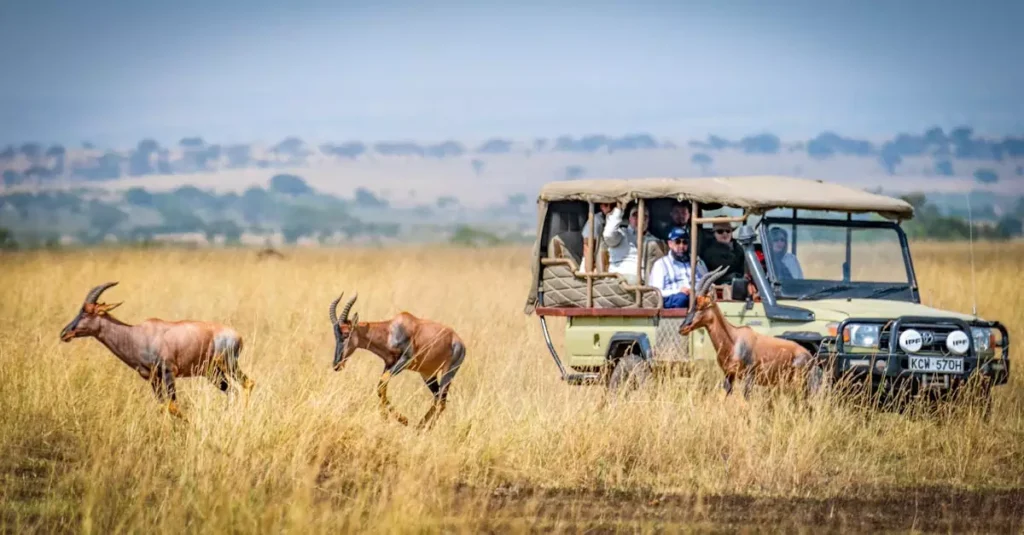
A safari through Kenya’s Masai Mara captures the imagination of travelers worldwide. Picture endless plains stretching to the horizon, wildlife roaming freely, and golden sunsets that take your breath away. This legendary destination delivers experiences that stay with you long after you return home. Yet getting there requires more than just booking a package and showing up. Most visitors focus solely on the headline price, missing the numerous additional costs that can quietly accumulate.
Unexpected expenses have a way of sneaking up on you. What starts as a dream adventure can quickly become financially stressful if you’re not prepared. Knowing about potential costs upfront allows you to plan properly and enjoy your trip without money worries hanging over your head. This article breaks down the real expenses you’ll encounter, giving you the full picture before you commit.
You’ll discover common Masai Mara safari hidden fees that catch many visitors off guard, plus other charges that might surprise you. Armed with this knowledge, you can craft a realistic budget and plan a safari that truly feels worry-free and memorable.
Understanding the True Cost of a Masai Mara Safari
Safari packages often look all-inclusive at first glance, but the actual expenses frequently exceed the initial quote. Different tour operators structure their offerings in vastly different wayssome bundle nearly everything, while others provide just a basic framework with most essentials sold separately. Reading the fine print matters enormously. Ask your operator detailed questions about what’s covered and what isn’t. Taking this approach upfront prevents unpleasant surprises once you’ve already committed your money.
A seemingly low initial price can actually signal higher costs down the line. Park entry fees often come as separate charges. Accommodation levies and transportation within the reserve add up quickly. Even small daily expenses become substantial over a week-long trip. Consider that daily park fees alone can run $80 per personmultiply that by seven days and you’re looking at $560 per person just for park access. Request a comprehensive breakdown of all charges from your operator. This gives you a clear sense of your total investment and helps you prepare appropriately for your Kenyan adventure.
Unmasking Masai Mara Safari Hidden Fees
Smart budgeting requires identifying potential Masai Mara safari hidden fees before you travel. Park entry fees top the list of commonly overlooked charges. Non-resident adults typically pay $70 to $80 per person daily, though this varies slightly by season and conservancy. These fees directly support conservation work, which is crucial. However, they represent a significant daily expense that catches many travelers off guard. Confirm whether your package includes these chargessome operators quote prices that exclude them, expecting you to pay upon arrival. This surprise can be jarring if you haven’t budgeted for it.
Conservancy fees represent another major extra cost. Many lodges sit within private conservancies that border the main reserve, and these conservancies levy their own chargestypically $80 to $100 per person daily. The money supports local communities and wildlife protection programs, making it worthwhile, but it’s separate from your main park entry fee and significantly increases your total cost. Always ask whether your chosen accommodation is located in a conservancy and whether these specific fees are included in your package. This investigation prevents unexpected Masai Mara safari extra charges and ensures you have a realistic financial picture for your trip to Kenya.
Beyond the Game Drive: Unexpected Activity Costs
Game drives form the core of any safari experience, but numerous optional activities can enhance your tripeach with its own price tag. Hot air balloon safaris offer a spectacular bird’s-eye perspective of the Mara and typically cost $450 to $600 per person, including the flight, a champagne breakfast, and your transfer back to the lodge. It’s definitely a bucket-list experience, but standard safari packages almost never include it. You’ll need to budget separately and book well ahead, especially during peak season when availability becomes tight.
Visits to Maasai villages offer authentic cultural immersion and typically run $20 to $50 per person, with fees directly supporting community schools and infrastructure. Some safaris include one village visit; others list it as optional. Bush walks, night game drives, and sunset drinks in the bush each carry additional costs. Clarifying these details with your operator ensures you understand exactly what experiences are available and what they’ll cost. Knowing about these potential Masai Mara safari extra charges helps you design a comprehensive itinerary that includes everything you want to experience.
Accommodation, Transfers, and Park Entry: Essential Budget Items
Your accommodation choice dramatically shapes your overall safari budget. Tented camps and lodges span a wide rangebudget options might cost $200 nightly while luxury properties exceed $1,000. Many packages include accommodation, but they may not cover associated levies. Tourism fees or service charges often get added to your final bill at checkout. Clarify upfront whether these are part of your pre-paid package to avoid last-minute surprises.
Getting to and from the Masai Mara requires careful budget consideration. Flying from Nairobi to the Mara’s airstrips costs approximately $200 to $350 per person one way but saves considerable time. Road transfers are cheaperroughly $150 to $250 per vehiclebut consume 5-7 hours. Once you arrive in the Mara, transfers to your camp are usually included, though you should confirm this. Game drive vehicle costs typically form part of your package, but private vehicles incur daily fees ranging from $150 to $300. Understanding every transportation component helps you manage your overall Masai Mara safari extra charges effectively.
The Tipping Dilemma and Local Cultural Contributions
Tipping is standard practice throughout the safari industry and represents a meaningful portion of guide, porter, and lodge staff income. While technically optional, it’s genuinely expected and skipping it creates awkward situations. Safari guides typically receive $10 to $20 per person daily, while lodge staff might get $5 to $10 per person daily. Over a multi-day safari, this adds considerably to your expenses. Carry small denominations of US dollars or Kenyan Shillings to make tipping convenient for everyone.
Beyond direct gratuities, other local contributions deserve consideration. Village entrance fees support community development, and you’ll often encounter opportunities to purchase local crafts directly from artisans, benefiting their families. While optional, these purchases are meaningful ways to support the local economy and yield unique souvenirs. Come prepared for these momentsthey’re integral to the broader cultural experience in Kenya. Budgeting for these aspects ensures you travel respectfully and avoid any unexpected Masai Mara safari extra charges guide kenya visitors might face.
Choosing Your Safari: Budget, Mid-Range, or Luxury?
Your safari tier selection heavily influences total expenses. Budget safaris emphasize affordability through basic tented camps and group game drives. Mid-range options provide better comfort with improved camps and smaller group sizes. Luxury safaris deliver exclusive experiences including high-end lodges, private vehicles, and exceptional cuisine. Each category carries its own potential hidden costs, so understanding these differences helps you select the option that matches both your budget and expectations.
This comparison illustrates where costs typically diverge:
| Feature | Budget Safari | Mid-Range Safari | Luxury Safari |
|---|---|---|---|
| Accommodation | Basic tented camps, shared facilities | Comfortable tented camps/lodges, en-suite baths | Exclusive lodges, private conservancies, premium amenities |
| Game Drives | Shared vehicles, fixed schedules | Shared vehicles, flexible schedules, fewer guests | Private vehicles, dedicated guide, off-road driving (in conservancies) |
| Meals | Simple, buffet-style, limited choices | Varied menus, some al fresco dining | Gourmet dining, bush breakfasts, sundowners |
| Transfers | Road transfers often included, shared | Road or domestic flights, shared or private options | Domestic flights standard, private transfers |
| Potential Hidden Fees | More likely for park fees, activities, tips | Some activities, premium drinks, extensive tips | Very few, but high-end extras (e.g., helicopter tours) |
Each option presents distinct advantages and disadvantages:
- Budget Safari Pros: Most affordable option, ideal for solo travelers and budget-conscious visitors. You still witness incredible wildlife.
- Budget Safari Cons: Less comfort, larger groups, limited flexibility, higher likelihood of unforeseen Masai Mara safari hidden fees.
- Mid-Range Safari Pros: Excellent balance between comfort and cost, smaller group sizes, improved amenities.
- Mid-Range Safari Cons: Potential extra charges for specific activities or premium beverages.
- Luxury Safari Pros: Maximum comfort, exclusive access, often all-inclusive pricing, personalized service, private conservancy access.
- Luxury Safari Cons: Substantial upfront cost, possibly overly structured for some travelers.
Practical Strategies to Avoid Surprise Safari Expenses
Thorough planning stands as your strongest defense against unexpected costs. Start with extensive research. Seek operators demonstrating transparent pricing practices. Read reviews specifically mentioning financial surprises to gauge their track record. Reputable operators clearly spell out what’s included and excluded, and they welcome detailed questions. Request a written itinerary and itemized cost breakdownthis is essential for managing your travel budget effectively.
These practical steps keep your safari budget under control:
- Get Everything in Writing: Demand a written quote detailing every service and associated cost.
- Clarify Inclusions: Ask specific questions about park fees, conservancy charges, all meals, drinks, laundry, and transfers. Confirm what’s covered.
- Budget for Tips: Research Kenya’s standard tipping guidelines and set aside a dedicated gratuity fund.
- Consider All-Inclusive Packages: These often cover more items upfront and simplify budgeting, but compare them carefully for true value.
- Factor in Personal Expenses: Set money aside for souvenirs, snacks, and personal items.
- Emergency Fund: Keep extra funds available for unforeseen situations like medical needs or travel delays.
- Currency Exchange: Understand current exchange rates and whether you’ll need USD or Kenyan Shillings. Most places accept USD, though local purchases often require KES.
- Travel Insurance: This essential expense covers medical emergencies, trip cancellations, and lost luggage.
Following these steps minimizes the risk of encountering Masai Mara safari extra charges guide kenya travelers often miss. Proactive planning leads to a smoother, more enjoyable experience.
Masai Mara Safari FAQs
Common questions frequently arise during safari planning. Understanding these details helps you budget accurately and prepares you for the realities of traveling in Kenya.
Is tipping mandatory on a Masai Mara safari?
Tipping isn’t strictly mandatory, but it’s highly customary and genuinely expected. Guides and lodge staff depend on tips as a significant income component. It represents your appreciation for quality service.
What is the average daily park entry fee?
Non-residents typically pay around $70 to $80 daily for the main Masai Mara National Reserve. Conservancy fees, if applicable, add an additional $80 to $100 per person daily.
Are hot air balloon rides included in most packages?
Hot air balloon safaris are almost never included in standard packages. They’re considered optional, premium experiences costing an additional $450 to $600 per person.
How much should I budget for personal expenses?
A reasonable guideline is $50 to $100 per person daily for personal expenses, covering tips, souvenirs, extra drinks, and small purchases. Your actual spending may vary based on your habits.
Can I pay for everything in KES or USD?
Major safari operators and lodges typically accept US dollars for significant payments. For smaller purchases, tips, and local markets, Kenyan Shillings are preferred. Carrying both currencies is wise.
Your Transparent Safari Adventure Awaits
Preparing for a Masai Mara safari is genuinely excitingincredible wildlife encounters and stunning landscapes await. Understanding potential Masai Mara safari hidden fees empowers you to make informed choices. This ensures your trip aligns with your budget and expectations. Your tour operator’s transparency is absolutely crucial. Always demand clear, detailed quotes and ask every question that crosses your mind. Leave no stone unturned.
The most memorable safaris are those free from financial stress. Knowing what to expect allows you to fully absorb the magic of the Mara. Immerse yourself in natural beauty and vibrant culture. Experience the thrill of spotting the Big Five. Witness the Great Migration. Connect with the Maasai people. These moments are truly priceless.
With this guide in hand, you’re ready to navigate your Kenyan adventure confidently. Plan your dream safari with complete transparency. Let it be an experience as clear and beautiful as the African skies above. Embrace every moment of your journey to this remarkable destination.