Picture yourself standing on the vast plains of Kenya’s Masai Mara, watching the sun dip below the horizon as elephants roam freely across golden grasslands. A safari here isn’t just a vacationit’s the kind of experience that stays with you forever. Yet many travelers who dream of this adventure find themselves overwhelmed by planning, or worse, blindsided by unexpected costs that balloon their budgets. The good news? With the right approach, you can avoid the pitfalls that catch most first-time visitors.
Your Masai Mara safari budget can swing wildly depending on dozens of factors. When you book, what type of accommodation you choose, even which month you travelall of these shape your final bill. The difference between a smart, well-planned trip and one derailed by poor decisions can easily be thousands of dollars. Understanding what drives these costs is your first step toward an affordable, unforgettable experience.
This guide walks you through the top masai mara safari cost mistakes to avoid. You’ll discover how to navigate pricing strategically, make choices that align with your budget, and keep money in your pocket for the experiences that matter most. By the time you finish reading, you’ll have the knowledge to plan a memorable safari without the financial stress.
Planning Pitfalls: Common Masai Mara Safari Cost Mistakes to Avoid
Booking too close to your departure date is one of the quickest ways to overpay. The Masai Mara draws serious demand year-round, and during peak travel months, prices climb fast. Securing your spot 6-12 months ahead typically unlocks better rates across flights, lodges, and tour operators. Last-minute bargains for quality safaris are almost nonexistentwhat you find instead are limited options paired with inflated prices.
Seasonal pricing creates another major trap. The Great Migration transforms the Mara’s cost structure dramatically. Travel between July and October when the migration peaks, and you’ll pay a premiumsometimes 20-50% more than other times of year. During these months, both lodges and safari vehicles command higher rates. But the green season (November to May) tells a different story. Prices drop noticeably, crowds thin out, and the wildlife viewing remains spectacular. The landscape turns lush and vibrant after the rains, offering stunning photography opportunities.
Hidden fees slip past many travelers who focus only on the headline price. Park entrance fees alone run about $80 per person daily for non-residents at the Masai Mara National Reserve. Conservancies surrounding the main reserve add another $70-$120 per person per day. Gratuities are customary tooyour guide typically expects $15-$25 per guest daily, with lodge staff anticipating $5-$10. These expenses accumulate quickly over a multi-day trip. Always request a detailed cost breakdown before committing. A trustworthy operator will provide this transparently.
Choosing the wrong safari style can either drain your wallet or leave you disappointed. Budget safaris that cut corners often mean uncomfortable vehicles or rushed wildlife experiences. Conversely, splurging on every luxury option isn’t necessary for an incredible adventure. The key is matching your preferences to your actual budget. Group tours cost considerably less than private safaris since you split vehicle and guide expenses with other travelers. Private safaris offer flexibility and exclusivity but at a steeper price. Comparing quotes from at least three reputable operators reveals significant variations in what they offer and charge. Some packages seem affordable until you realize critical components are missing. Always clarify what’s included and what costs extradrinks, activities, internal flights, and certain meals might not be covered despite the “all-inclusive” label.
The True Cost of Accommodation: Lodges vs. Camps
Where you sleep represents a substantial chunk of your safari budget, and your choices here matter enormously. The Masai Mara offers a spectrum of accommodation options, each with distinct price points and experiences.
Luxury lodges deliver hotel-like comfort in the African wilderness. Think swimming pools, spa services, fine dining restaurants, and prime locations within the reserve or exclusive conservancies. Nightly rates typically range from $700 to $1500+ per person. Properties like Angama Mara and Governors’ Camp exemplify this category. They excel for travelers prioritizing comfort and exclusivity, bundling meals and game drives into their rates. The trade-off is obviousthe price tag is substantial.
Tented camps strike a balance between comfort and authentic safari atmosphere. You’re closer to naturehearing the sounds of the bush at nightwhile still enjoying proper beds, en-suite bathrooms, and private verandas. Luxury tented camps run $500-$1000 nightly, while mid-range options cost $300-$600. Mara Explorer Camp and Olare Mara Kempinski represent solid choices in this tier. The experience feels more connected to the landscape than a lodge, yet you’re not sacrificing basic comforts.
Budget camps and basic public campsites offer the most economical path, starting at $100-$250 per person nightly. Amenities are simpleryou might share facilities or have more basic accommodations. This option suits adventure-focused travelers comfortable with fewer creature comforts. Location within the Mara or in surrounding conservancies also influences price. Conservancy properties command higher fees but often deliver more exclusive game viewing with fewer vehicles crowding sightings. Matching your accommodation choice to both your budget and desired experience level prevents overpaying or settling for less than you need.
Game Drive Dilemmas: Private vs. Shared Safaris
Game drives form the heart of your Masai Mara experience, and how you structure them significantly impacts your bottom line. This decision deserves careful consideration.
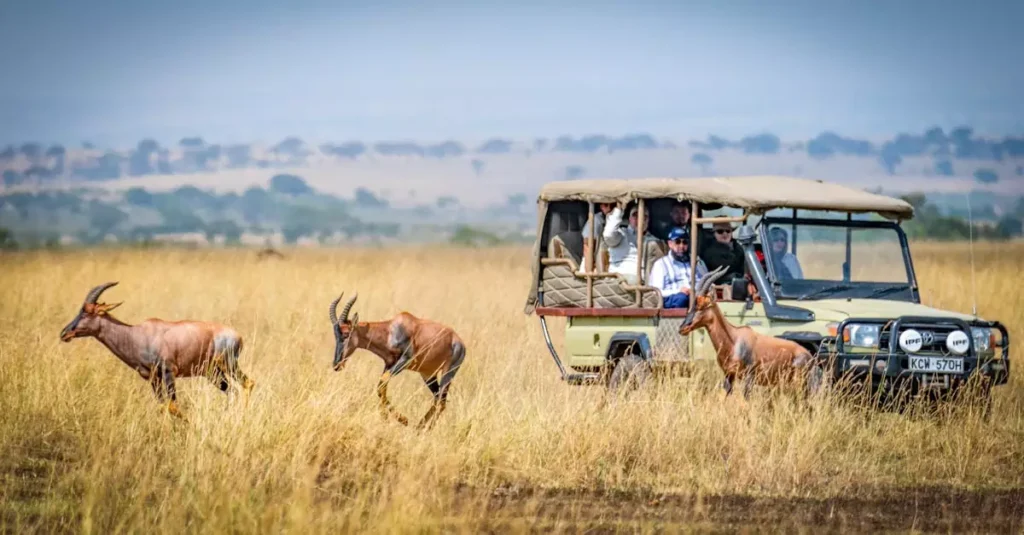
Shared safaris put you in a vehicle with 4-7 other guests, splitting the cost of the vehicle, fuel, and guide among everyone. This approach is substantially cheaper since expenses are divided. You’ll follow a fixed schedule with less flexibility on where to go or how long to linger at wildlife sightings. Despite these constraints, shared safaris deliver incredible value. You’ll meet fellow travelers, experience the communal energy of group travel, and still witness remarkable wildlife. For many visitors, the cost savings justify the modest loss of flexibility. This is a smart way to manage your masai mara safari budget mistakes guide.
Private safaris give you exclusive use of a vehicle and guide. You control the schedule, decide how long to stay at sightings, and explore areas matching your interests. This personalization comes at a premiumthe entire vehicle, fuel, and guide cost falls on you, potentially adding hundreds or thousands to your trip. Photographers, families with young children, and those wanting complete itinerary control often choose private safaris. The mistake many travelers make is assuming private is automatically better without weighing the actual cost-benefit. Always request quotes for both shared and private options, then compare honestly. Solo travelers and couples typically find shared safaris most economical while still enjoying an outstanding wildlife experience. Don’t let the appeal of exclusivity push you over budget if it’s not genuinely a priority.
Beyond the Basics: Hidden Fees and Unexpected Expenses
Most travelers focus on the main safari package price and overlook the numerous fees lurking beneath the surface. These hidden costs accumulate quickly and can substantially inflate your total expenses.
Park entrance fees represent a primary hidden cost. The Masai Mara National Reserve charges roughly $80 per person daily for non-residents. Conservancies surrounding the main reserve impose their own fees, ranging from $70 to $120 per person per day. These charges often don’t appear in basic package quotes. Before committing, confirm whether park and conservancy fees are included. Discovering these charges upon arrival creates budget headaches and frustration.
Gratuities are another significant expense many travelers underestimate. Tipping is customary and expected throughout the safari industry. Your guide typically receives $15-$25 per guest daily, while lodge and camp staff expect $5-$10. Over a week-long safari, these amounts accumulate substantially. Factor gratuities into your budget from the beginning rather than scrambling for cash later. Hot air balloon safaris offer unforgettable views but cost $450-$600 per persona major additional expense for something not always included in standard packages. Cultural visits to Maasai villages typically run $20-$30 per person and provide fascinating insight into local traditions, though they’re usually extra charges. Request a comprehensive breakdown of what your package covers. Knowing exactly what’s included prevents surprises and lets you budget for add-ons intentionally. For more detailed budgeting advice, check out our travel budget guide.
Time Your Trip Right: Seasonal Pricing and Crowds
When you visit the Masai Mara profoundly shapes both what you’ll pay and what you’ll experience. Many travelers overlook how seasonal variations affect their budget and safari quality.
Peak season (July to October) coincides with the Great Migration, when millions of wildebeest and zebra cross the Mara River in a dramatic spectacle. This natural phenomenon draws massive crowds and drives prices up 20-50% above other months. Accommodation becomes scarce and expensive. Safari vehicles cluster at popular sightings. If witnessing the river crossing is your primary goal, peak season is necessaryjust prepare for higher costs and more crowded experiences.
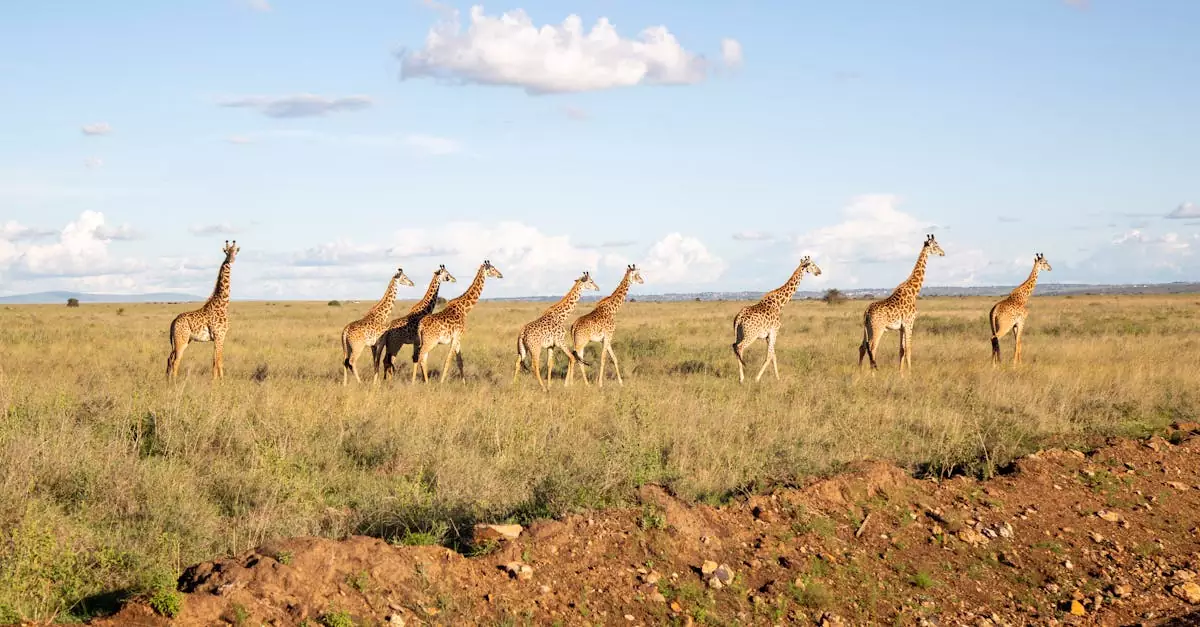
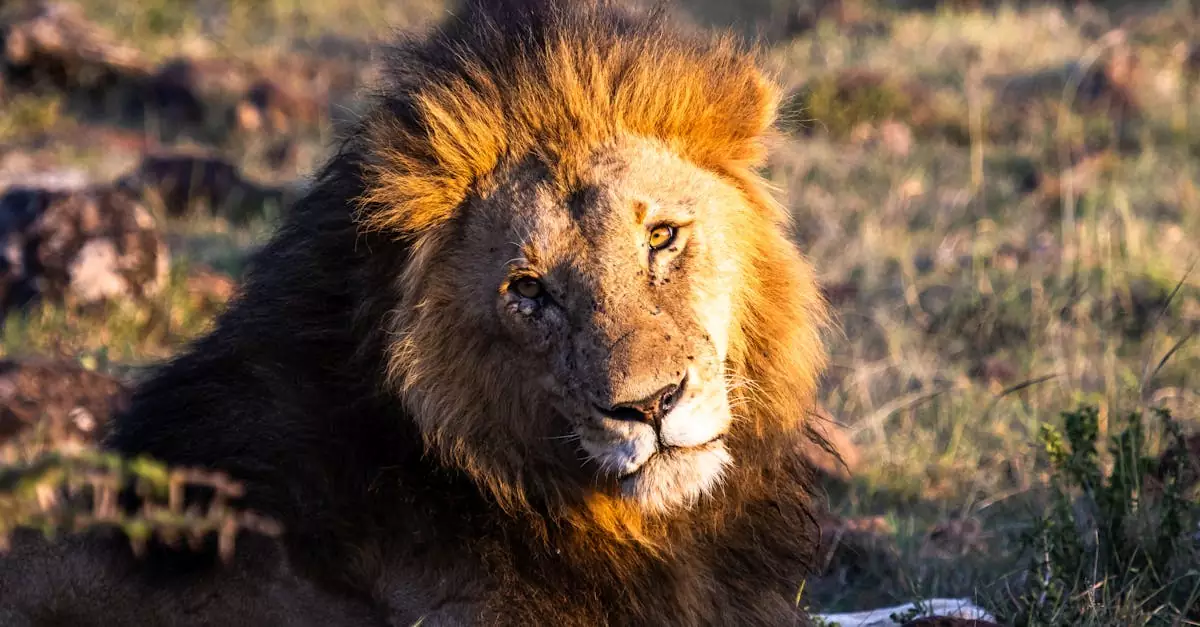
The green season (November to May) offers compelling advantages for budget-conscious travelers. Accommodation rates drop noticeably, and tour operators frequently offer discounts. While the Great Migration animals have departed, resident wildlife remains abundantlions, elephants, giraffes, and countless other species. The landscape transforms into lush, vibrant green after the rains, creating stunning photographic opportunities. Birdwatching reaches its peak during these months. Vehicle encounters feel more intimate with fewer competitors for sightings. Shoulder seasons (June and November) provide a middle groundmoderately lower prices, fewer crowds, and still-excellent wildlife viewing. Don’t let the Great Migration’s allure blind you to other options. An incredible safari experience awaits outside peak season, often at better prices and with more breathing room to enjoy the landscape. For detailed information on timing your visit, read our guide on the best time to visit.
The Pros and Cons of DIY vs. Tour Operators
Deciding whether to arrange your safari independently or through a tour operator is a critical choice affecting both your budget and experience. Each approach carries distinct advantages and drawbacks worth weighing carefully.
Pros and Cons of Using a Tour Operator:
- Pros:
- Convenience: Tour operators handle all logisticsflights, transfers, accommodation, and game drivesso you don’t have to juggle multiple bookings.
- Expertise: They employ local guides with deep knowledge of wildlife behavior and prime viewing locations, enhancing your sightings.
- Better Deals: Operators negotiate bulk discounts with lodges and service providers, often passing savings to clients.
- Safety Net: They provide support if emergencies arise or unexpected changes occur during your trip.
- Cons:
- Higher Cost: Their services include a markup that increases your overall price.
- Less Flexibility: You’re typically bound to a pre-set itinerary with limited room for changes.
- Less Control: You have minimal say in specific accommodations, timing, or activity choices.
Pros and Cons of a Do-It-Yourself (DIY) Safari:
- Pros:
- Cost Savings: Booking everything directly can reduce expenses by eliminating middleman markups.
- Flexibility: You control your entire itinerary, pace, and every decision.
- Personalization: Craft every aspect of your trip to match your exact preferences and interests.
- Cons:
- Time-Consuming: Researching and booking everything demands significant time and effort.
- Logistical Challenges: Arranging transportation, guides, and permits in a foreign country involves complexity and potential complications.
- Lack of Expertise: You might miss prime wildlife spots or valuable local insights that enhance the experience.
- Risk: If problems arise, you’re solely responsible for finding solutions without professional support.
For most first-time safari-goers, a reputable tour operator is the recommended path. The convenience and expertise typically justify the extra cost. Experienced travelers or those with extremely tight budgets might consider a DIY approach, though it demands extensive planning and solid regional knowledge. Underestimating the complexities of organizing a DIY safari in the Mara is a common mistake. The Masai Mara is a vast wilderness where local knowledge proves invaluable.
Smart Savings: Practical Tips for Your Masai Mara Safari Budget
Effective budget management means implementing smart strategies throughout your planning process. These practical tips help you save money without compromising the quality of your experience.
Travel during the green season (November to May) for significantly lower prices on lodges and safaris. You’ll also encounter fewer crowds, creating a more exclusive wildlife viewing experience. Joining a group safari lets you split vehicle, guide, and sometimes accommodation costs with other travelersa substantial saving for solo visitors and couples. Many tour operators specialize in small group departures designed for this purpose.
Choose a reputable mid-range tented camp for an excellent balance of comfort and authenticity. These properties cost far less than luxury lodges while still delivering quality service and excellent locations. Book your international flights separately rather than bundling them with your safari package. Flight comparison websites often reveal better deals than package pricing. Flexibility with travel dates can unlock additional savings. Pack light to avoid excess baggage feessafari flights have strict weight limits, and overpacking triggers unexpected charges. Bring versatile, minimal clothing that works across different conditions. Set a daily budget for incidentals like souvenirs, extra drinks, and personal expenses, then stick to it. This prevents the gradual overspending that derails many travelers. Being mindful of these strategies helps you sidestep common budget pitfalls. For more general travel insights, National Geographic offers valuable information on destinations and travel planning.
Masai Mara Safari Cost Comparison Table
Understanding different safari options and their approximate costs is essential for making informed decisions. This table compares various safari types and helps you see where your money goes. The figures represent per-person costs for a 3-day, 2-night safari with mid-range accommodation and shared game drives. Actual prices vary based on season, operator, and specific inclusions.
| Safari Type | Accommodation Level | Approx. Cost (USD) | Key Inclusions | Best For |
|---|---|---|---|---|
| Budget Camping Safari | Basic Tented Camp (shared facilities) | $600 – $900 | Transport, basic meals, park fees, shared game drives | Adventure seekers, tight budgets |
| Mid-Range Tented Camp Safari | En-suite Tented Camp (private facilities) | $1000 – $1800 | Transport, all meals, park fees, shared game drives | Comfort, authentic experience, good value |
| Luxury Lodge/Camp Safari | High-end Lodge or Tented Camp | $2000 – $4000+ | Internal flights, all meals, premium drinks, park fees, private/shared game drives, some activities | Luxury, exclusivity, special occasions |
| Private Safari (Mid-Range) | En-suite Tented Camp | $1800 – $3000+ | Private vehicle & guide, all meals, park fees, custom itinerary | Families, photographers, maximum flexibility |
This table reveals the wide range of pricing available and what you can expect at each level. These are starting pointsalways obtain a detailed quote from your chosen operator. Confirm exactly what’s included and excluded. This ensures your safari aligns with your budget expectations and prevents financial surprises. Comparing these options is vital for avoiding common cost mistakes.
Frequently Asked Questions About Masai Mara Safari Costs
What is the cheapest way to do a Masai Mara safari?
A budget camping safari during the green season offers the most economical option. Combine this with a group tour using shared transportation and book well in advance to secure the best rates on flights and accommodation.
Are park fees included in safari packages?
Park entrance fees and conservancy fees are significant costs that aren’t always included. Always confirm with your tour operator whether these charges appear in your quoted price. Request a clear breakdown of all expenses.
How much should I budget for tips on a safari?
Budget $15-$25 per guest daily for your safari guide. Lodge or camp staff typically expect $5-$10 per guest daily. You can adjust these amounts based on the quality of service you receive.
Is it cheaper to book a safari directly or through an agent?
The answer varies. Agents sometimes access bulk discounts unavailable to individual bookers, while direct booking can eliminate middleman fees. Compare multiple options before deciding.
What are the most expensive times to visit Masai Mara?
July through October, when the Great Migration occurs, commands the highest prices due to peak demand. Plan for a larger budget and book earlier if traveling during these months.
Conclusion: Enjoy Your Affordable Masai Mara Adventure
Planning a Masai Mara safari is thrilling, and understanding how to avoid common masai mara safari cost mistakes to avoid ensures you save money while having a smoother trip. Book early, consider seasonal pricing carefully, and select accommodation that matches your needs and budget. Always clarify what’s included in your package and factor in hidden fees like park entry and gratuities.
Whether you choose a budget-friendly group tour or a more luxurious private experience, thoughtful planning pays dividends. The Masai Mara offers incredible wildlife encounters and unforgettable landscapes that justify the investment. Don’t let budget concerns overshadow your adventurewith the right knowledge, you’ll create lasting memories and experience the magic of Kenya’s premier wildlife destination. Start planning your dream safari today.