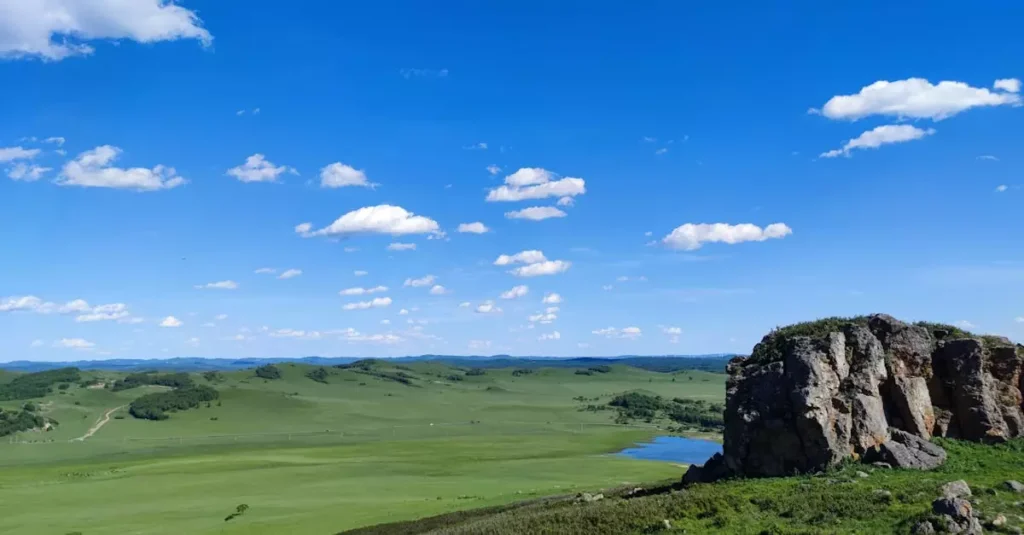
Planning a Mongolia adventure tour cost requires careful consideration of multiple factors that can significantly impact your overall budget. The vast landscapes of Mongolia, particularly the iconic Gobi Desert, offer some of the world’s most extraordinary adventure experiences, but understanding the pricing structure is essential for making informed travel decisions. Adventure tour costs in Mongolia typically range from budget-friendly options starting around $50-80 per day to luxury experiences that can exceed $300-500 per day, depending on the level of service, accommodation type, and included activities.
The Mongolia adventure travel price varies considerably based on seasonal timing, group size, and the specific regions you choose to explore. Summer months from June to August command premium pricing due to optimal weather conditions and peak tourist demand, while shoulder seasons in May and September often provide better value without compromising the adventure experience. The Gobi Desert, being one of Mongolia’s premier destinations, typically adds 15-25% to base tour costs due to its remote location and specialized logistics requirements, but the investment delivers unparalleled access to unique landscapes, wildlife encounters, and cultural experiences.
Understanding the comprehensive breakdown of Mongolia adventure activities cost helps travelers budget effectively and select tours that align with their expectations and financial parameters. Beyond the base tour price, travelers should factor in international flights, visa fees, travel insurance, personal equipment, tips for guides and drivers, and additional meals or activities not included in the package. The remote nature of Mongolian adventures means that once you’re committed to a tour, opportunities for cost-cutting are limited, making upfront research and planning crucial for a successful and financially manageable expedition.
Essential Factors Influencing Mongolia Adventure Tour Pricing
The complexity of Mongolia adventure tour pricing stems from numerous variables that tour operators must consider when developing their packages. Geographic remoteness plays a primary role, as reaching destinations like the Gobi Desert requires specialized vehicles, experienced drivers, and extensive fuel supplies for journeys that can span hundreds of kilometers across challenging terrain. The infrastructure limitations in Mongolia mean that tour operators often need to be self-sufficient, carrying camping equipment, food supplies, and emergency provisions, all of which contribute to higher operational costs that are reflected in tour pricing.
Seasonal fluctuations dramatically impact pricing structures, with summer months commanding premium rates due to favorable weather conditions and increased demand from international travelers. During peak season, accommodation options fill quickly, particularly the limited number of ger camps and guesthouses in remote areas, driving prices upward. Conversely, shoulder seasons offer more competitive pricing but may involve weather-related risks or limited access to certain regions. Group size represents another critical pricing factor, as smaller groups require higher per-person costs to cover fixed expenses like vehicle rental, guide fees, and permits, while larger groups can benefit from economies of scale.
The level of service and accommodation significantly influences tour costs, with options ranging from basic camping experiences to luxury ger camps with modern amenities. Budget tours typically involve camping with basic facilities and simple meals, while mid-range options include comfortable ger camps with shared facilities and more diverse dining options. Luxury tours feature premium ger camps with private bathrooms, gourmet meals, and additional services like laundry and Wi-Fi connectivity. Tour duration also impacts pricing, as longer expeditions require more complex logistics, additional permits, and extended guide services, though per-day costs often decrease with longer commitments.
Comprehensive Cost Breakdown by Tour Categories
Budget adventure tours in Mongolia typically range from $50-100 per day and focus on essential experiences while minimizing accommodation and dining costs. These tours often involve camping in basic conditions, sharing facilities among group members, and participating in self-service meal preparation. Budget tours usually include transportation in standard vehicles, basic camping equipment, and guides with fundamental English skills. Despite the lower cost, budget tours still provide access to Mongolia’s spectacular landscapes and cultural experiences, making them attractive options for backpackers and cost-conscious travelers willing to accept basic amenities in exchange for adventure.
Mid-range tours, priced between $100-200 per day, offer enhanced comfort and more comprehensive services while maintaining reasonable affordability. These tours typically feature accommodation in comfortable ger camps with shared bathroom facilities, professionally prepared meals showcasing local cuisine, and transportation in well-maintained 4WD vehicles. Mid-range tours often include experienced guides with strong English skills, more diverse activity options, and better safety equipment. The balance between cost and comfort makes mid-range tours popular among families and travelers seeking authentic experiences without sacrificing essential comforts.
Luxury adventure tours command prices from $200-500+ per day but deliver exceptional experiences with premium amenities and personalized service. Luxury tours feature accommodation in high-end ger camps with private bathrooms, gourmet dining experiences, premium vehicles with air conditioning, and highly experienced multilingual guides. These tours often include additional services like photography assistance, cultural workshops, and exclusive access to certain locations. Luxury options may also provide helicopter transfers, private camping setups, and customized itineraries tailored to specific interests, justifying the higher investment through unparalleled comfort and unique experiences.
Gobi Desert Adventure Pricing Specifics
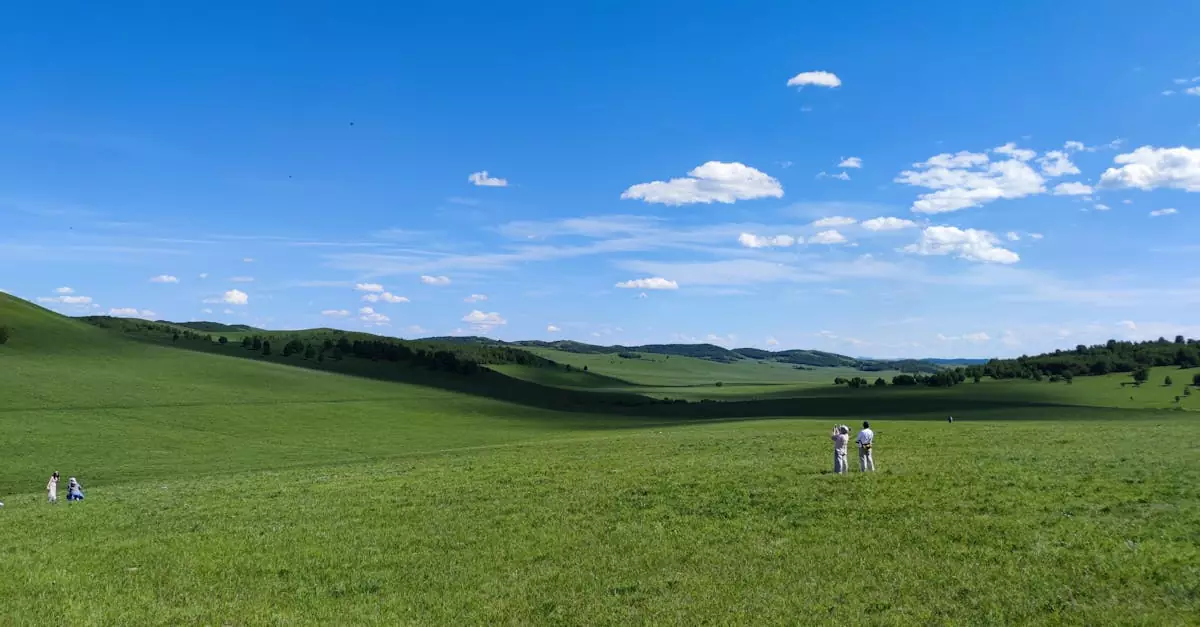
Gobi Desert adventures represent premium pricing within Mongolia’s adventure tourism market due to the region’s remote location and specialized logistics requirements. The distance from Ulaanbaatar to key Gobi destinations like the Flaming Cliffs or Khongor Sand Dunes requires 8-12 hours of driving across challenging terrain, necessitating reliable vehicles, experienced drivers, and comprehensive safety equipment. This geographic isolation means tour operators must factor in higher fuel costs, vehicle wear and tear, and the need for backup transportation options, typically adding 20-30% to base tour costs compared to destinations closer to the capital.
The unique attractions within the Gobi Desert justify the premium pricing through exclusive experiences unavailable elsewhere in Mongolia. Visitors can explore dinosaur fossil sites at the Flaming Cliffs, experience camel trekking across massive sand dunes, visit traditional nomadic families maintaining ancient lifestyles, and witness spectacular desert sunrises and sunsets. The limited accommodation options in the Gobi, primarily consisting of a small number of ger camps and basic guesthouses, create supply constraints that support higher pricing during peak seasons. Tour operators must often book accommodations months in advance and guarantee occupancy, adding financial risk that influences pricing structures.
Gobi Desert tour packages typically range from $150-400 per day depending on the level of service and included activities. Budget Gobi tours focus on essential sightseeing with basic camping arrangements, while luxury options include premium ger camps, gourmet meals, and additional activities like hot air balloon rides or private camel expeditions. The harsh desert environment requires specialized equipment including sun protection, quality camping gear, and reliable communication devices, all contributing to operational costs. Multi-day Gobi expeditions often provide better per-day value as fixed costs like transportation and guide fees are distributed across longer durations, making 5-7 day packages popular among serious adventure travelers.
Activity-Specific Cost Analysis
Horse trekking represents one of Mongolia’s signature adventure activities, with costs varying significantly based on duration, location, and support level. Day rides typically cost $40-80 per person including horse rental, guide services, and basic safety equipment, while multi-day expeditions range from $100-200 per day with camping support and meals included. Premium horse trekking experiences featuring trained horses, experienced wranglers, and comfortable camping setups command higher prices but provide safer and more enjoyable experiences for riders of all skill levels. The quality of horses and tack varies considerably among operators, with reputable companies investing in well-trained animals and proper safety equipment that justify higher pricing.
Camel trekking in the Gobi Desert offers unique experiences with pricing typically ranging from $60-120 per day depending on the trek duration and included services. Single-day camel experiences cost $30-50 per person for basic rides, while overnight expeditions with camping under the stars range from $80-150 per person. The limited number of camel herders and suitable camels in tourist areas creates supply constraints that support premium pricing during peak seasons. Professional camel trekking operations include experienced herders, well-trained camels, safety briefings, and emergency support, while budget options may offer basic rides with minimal supervision or safety measures.
Cultural activities and nomadic family visits typically cost $20-60 per person depending on the depth of interaction and included elements. Basic ger visits with tea service and cultural demonstrations represent the lower end of pricing, while comprehensive experiences including traditional meal preparation, handicraft workshops, and overnight stays in nomadic camps command premium rates. Photography tours focusing on landscape and cultural subjects range from $150-300 per day including specialized guides with photography expertise, access to optimal shooting locations, and assistance with technical aspects. Wildlife viewing expeditions targeting species like snow leopards or wild horses involve specialized guides and remote locations, typically costing $200-400 per day due to the expertise required and low success rates necessitating multiple attempts.
Seasonal Pricing Variations and Optimal Timing
Mongolia’s extreme seasonal variations create dramatic pricing fluctuations that savvy travelers can leverage for significant savings. Peak season from June through August commands the highest prices due to optimal weather conditions, with tour costs typically 30-50% higher than shoulder seasons. During these months, temperatures are most comfortable, rainfall is minimal, and all roads and attractions remain accessible, making it the preferred time for international tourists. However, the increased demand creates accommodation shortages and requires advance booking, often at premium rates that can strain travel budgets.
Shoulder seasons in May and September offer excellent value propositions with pricing reductions of 20-40% compared to peak months while still providing favorable weather conditions. May presents the advantage of witnessing spring wildflowers and newborn animals, while September offers comfortable temperatures and clear skies ideal for photography. These months require more flexible planning as weather can be unpredictable, but experienced travelers often prefer shoulder seasons for the combination of lower costs, fewer crowds, and authentic experiences. Tour operators frequently offer promotional pricing during these periods to maintain occupancy levels.
Winter adventures from December through March represent the most budget-friendly options with tour costs often 50-60% below peak season rates. However, winter travel requires specialized equipment, cold-weather expertise, and acceptance of limited accessibility to certain regions. Winter tours focus on cultural experiences, ice festivals, and unique activities like dog sledding or winter nomadic life observation. The extreme cold limits outdoor activities and requires significant preparation, but adventurous travelers can experience Mongolia’s winter beauty at substantial savings. Spring and fall transitions offer unpredictable pricing as operators adjust rates based on weather forecasts and booking patterns, sometimes providing last-minute bargains for flexible travelers.
Transportation and Logistics Cost Factors
Transportation represents the largest single cost component in Mongolia adventure tours, typically accounting for 40-60% of total tour expenses due to vast distances and challenging terrain. The country’s limited road infrastructure means that reaching remote destinations like the Gobi Desert requires specialized 4WD vehicles capable of handling rough tracks, river crossings, and steep mountain passes. Tour operators must invest in reliable vehicles, experienced drivers, and comprehensive maintenance programs to ensure safety and reliability, costs that are necessarily reflected in tour pricing. Vehicle rental alone can cost $100-200 per day before adding fuel, driver fees, and insurance.
Fuel costs significantly impact tour pricing due to Mongolia’s remote locations and limited fuel infrastructure. Vehicles traveling to destinations like the Gobi Desert may consume 20-30 liters per 100 kilometers across difficult terrain, with fuel prices higher in remote areas due to transportation costs. Long-distance expeditions require carrying additional fuel supplies, adding weight and reducing passenger capacity, which increases per-person costs. Tour operators must also factor in return journeys to base locations, meaning that fuel costs for remote destinations often exceed the actual distance traveled by tourists.
Driver and guide expenses represent substantial ongoing costs that vary based on experience level and language skills. Professional drivers familiar with remote routes and vehicle maintenance earn $30-60 per day, while experienced guides with strong English skills and cultural knowledge command $40-80 per day. Premium tours may employ driver-guide combinations or separate specialists, increasing daily labor costs to $80-150 per day. The seasonal nature of tourism means that operators compete for experienced staff during peak periods, driving wages higher and contributing to increased tour costs. International tour operators may also employ foreign guides or interpreters, adding visa costs, higher wages, and accommodation expenses that are passed on to travelers.
Accommodation Options and Associated Costs
Accommodation choices dramatically influence Mongolia adventure tour costs, with options ranging from basic camping at $10-20 per night to luxury ger camps exceeding $200 per night. Traditional camping involves travelers bringing or renting basic equipment and camping in designated areas or with nomadic families, providing authentic experiences at minimal cost but requiring self-sufficiency and comfort with basic facilities. Mid-range camping with tour operator support includes quality tents, sleeping bags, and camp furniture, typically costing $30-50 per night with meals and setup services included.
Ger camps represent Mongolia’s signature accommodation experience, with pricing varying significantly based on location, amenities, and service level. Basic ger camps with shared bathroom facilities cost $40-80 per night including meals, while mid-range camps with improved amenities and private bathrooms range from $80-150 per night. These traditional felt tents provide cultural immersion while offering more comfort than camping, making them popular choices for travelers seeking authentic experiences without sacrificing basic comforts. The limited number of ger camps in remote areas like the Gobi Desert creates supply constraints that support higher pricing during peak seasons.
Luxury ger camps and eco-lodges command premium pricing from $150-400 per night but deliver exceptional experiences with modern amenities integrated into traditional designs. These high-end accommodations feature private bathrooms with hot showers, comfortable beds with quality linens, electricity, and sometimes Wi-Fi connectivity. Luxury camps often include gourmet dining experiences showcasing local ingredients, spa services, and additional activities like cultural performances or guided nature walks. The investment in infrastructure and staff training required for luxury accommodations in remote locations justifies premium pricing while providing comfort levels comparable to international hotels.
Additional Costs and Budget Planning Considerations
Beyond base tour costs, travelers must budget for numerous additional expenses that can significantly impact overall trip costs. International flights to Mongolia typically range from $800-2000 depending on origin location and booking timing, with connections usually required through major Asian cities like Beijing, Seoul, or Moscow. Visa requirements for most nationalities cost $50-100 including processing fees, while comprehensive travel insurance specifically covering adventure activities adds $100-300 depending on coverage level and trip duration. These pre-travel expenses can easily add $1000-2500 to adventure tour costs before arriving in Mongolia.
Personal equipment and clothing represent substantial additional costs for travelers lacking appropriate gear for Mongolia’s challenging environment. Quality camping equipment, cold-weather clothing, and sturdy hiking boots can cost $500-1500 if purchased new, though rental options are available in Ulaanbaatar for $20-40 per day for basic items. Specialized equipment like sleeping bags rated for extreme temperatures, waterproof clothing, and quality backpacks are essential for comfort and safety but represent significant investments. Many experienced travelers recommend purchasing key items before travel to ensure proper fit and quality, while renting bulky items like tents and cooking equipment locally.
Tipping customs in Mongolia expect gratuities for guides, drivers, and camp staff, typically totaling $10-20 per day for budget tours and $20-40 per day for premium experiences. Personal expenses including souvenirs, additional meals, alcoholic beverages, and optional activities can add $20-50 per day depending on individual preferences. Communication costs for international phone service or local SIM cards range from $20-50 for typical tour durations. Emergency funds are essential due to Mongolia’s remote locations and limited banking infrastructure, with travelers advised to carry $200-500 in cash for unexpected expenses or opportunities. Mongolia’s unique geography and culture create distinctive travel requirements that differ significantly from other adventure destinations, making thorough financial planning essential for successful expeditions.
Comparing Tour Operators and Value Propositions
The Mongolia adventure tourism market features diverse operators ranging from local family businesses to international adventure travel companies, each offering different value propositions and pricing structures. Local Mongolian operators typically provide the most competitive pricing due to lower overhead costs, direct relationships with suppliers, and intimate knowledge of destinations and logistics. These operators often charge 20-40% less than international companies while providing authentic cultural experiences and supporting local communities directly. However, local operators may have limitations in English communication, international marketing, and standardized safety protocols that some travelers prioritize.
International tour operators command premium pricing but offer comprehensive services including pre-trip planning, standardized safety protocols, and extensive customer support throughout the travel experience. These companies typically charge 30-60% more than local operators but provide value through professional trip leaders, quality equipment, and established emergency procedures. International operators often include additional services like airport transfers, hotel nights in Ulaanbaatar, and comprehensive travel insurance, making their packages more convenient for travelers seeking full-