A safari through Kenya’s legendary Masai Mara represents a bucket-list moment for countless travelers. The wildlife and sweeping vistas demand proper photographic equipment to do them justice. Figuring out the Masai Mara safari camera cost becomes essential before you pack your bags. This breakdown covers everything from gear selection to budget considerations, ensuring you arrive fully equipped for the adventure ahead.
Most people heading to the Mara grapple with the same question: what camera setup makes sense for their skill level and wallet? The answer spans everything from basic camera bodies through specialized lenses and crucial accessories. Budget options exist for newcomers, while seasoned professionals have premium gear to explore. You’ll discover practical insights regardless of where you fall on that spectrum. The real goal here is helping you make smart purchasing decisions so the actual experience takes center stage.
Successful safari photography involves far more than just pointing and shooting. It demands forethought, solid research, and realistic expectations about what’s involved. You’ll find detailed cost breakdowns throughout this guide, plus real-world advice from photographers and travel experts who’ve been there. Picture yourself capturing lions, elephants, and wildebeest in their natural habitat. Your Masai Mara adventure is waiting. Read on for the most practical camera pricing information Kenya’s safari scene has to offer.
Understanding the Masai Mara Safari Camera Cost
What you’ll spend on camera gear for the Mara varies dramatically based on what you already own and how serious you are about photography. Since many people visit once in a lifetime, investing in solid equipment often makes financial sense. You’ll actually use those images for years afterward. Camera bodies run the gamutentry-level DSLRs start around $500, while professional mirrorless systems easily surpass $5,000. The real money typically goes toward lenses. Telephoto lenses, absolutely necessary for wildlife work, range from $300 on the budget end to over $10,000 for premium glass. Before spending anything, honestly assess your current collection. Perhaps you only need a better lens or a couple of accessories. Renting gear presents another smart route if you won’t use expensive equipment regularly. We’ll dig deeper into rental specifics shortly. Don’t overlook insurance eitherit guards against damage or theft during your journey. A basic policy typically adds $50-$150 to your total outlay. The Masai Mara safari camera cost ultimately reflects both your purchasing approach and photography commitment level. Think through both angles before deciding.
Essential Camera Gear for Your Kenyan Safari
Capturing the Mara’s raw beauty requires specific equipment working in concert. Your camera body forms the foundationit needs speedy autofocus and decent performance in dim light. Both DSLR and mirrorless cameras excel here, though they differ in meaningful ways. The telephoto lens matters most for wildlife shooting. Animals keep their distance. At minimum, you want 300mm of focal length, though 400mm or 600mm brings distant subjects much closer without disturbing them. Wide-angle lenses (think 16-35mm) shine for landscape shots and sweeping vistas across the plains. A quality camera bag becomes your gear’s best frienddust is relentless in the Mara. Extra batteries are non-negotiable since you’ll spend long hours away from charging outlets. Fast memory cards with high write speeds prevent missed shots during rapid-fire bursts. A beanbag or monopod beats a traditional tripod for vehicle-based shooting. These stabilizers reduce camera shake without the bulk. This core collection represents what serious safari photographers rely on to capture their best work.
DSLR vs. Mirrorless Cameras: A Safari Showdown
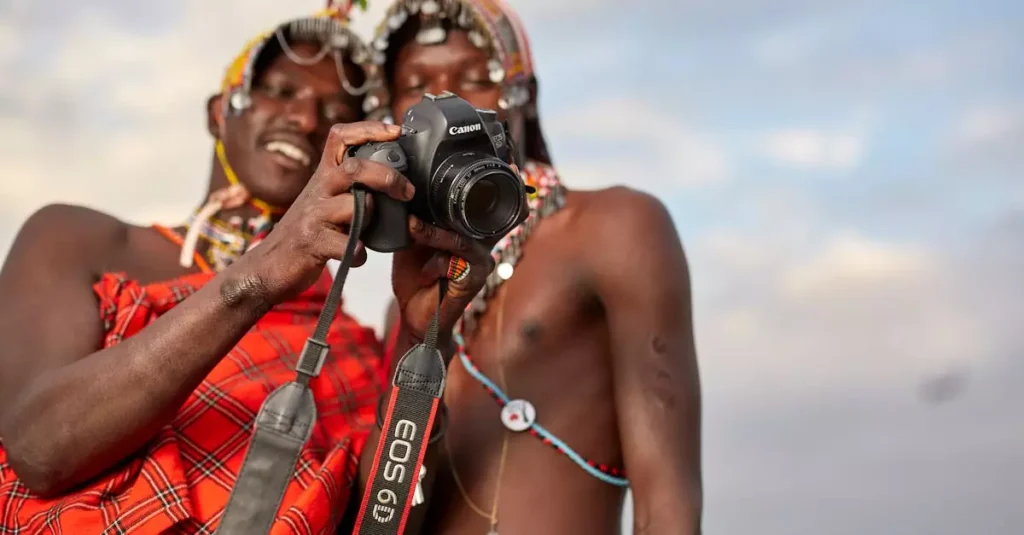
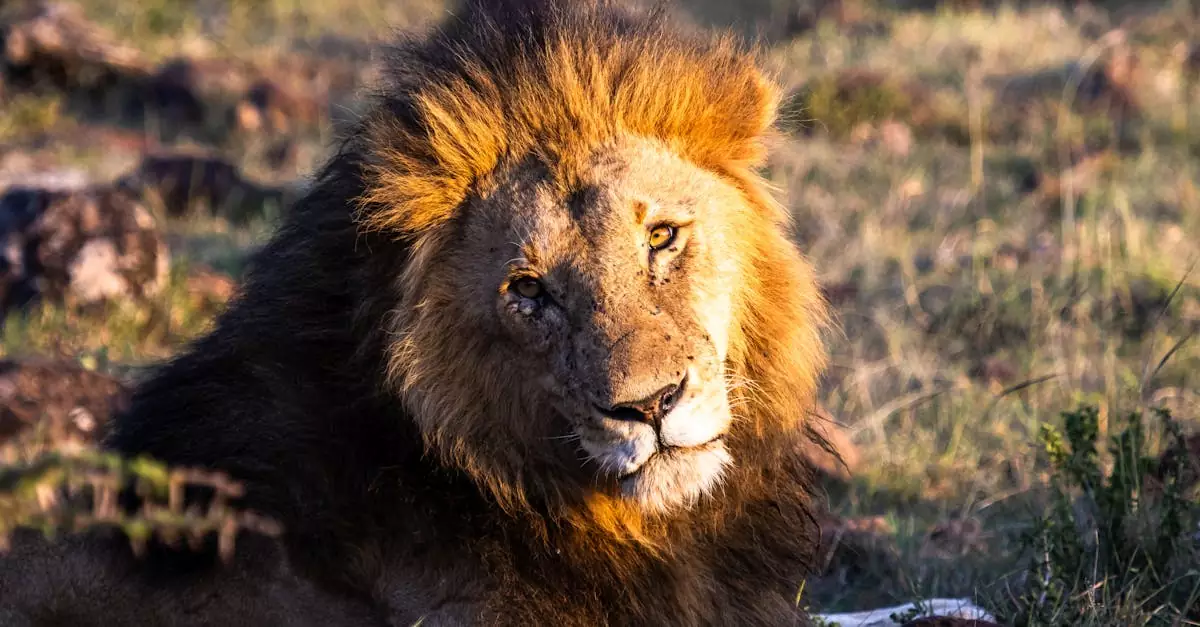
The DSLR versus mirrorless decision carries real weight for safari work. Traditional DSLRs use a mirror system to bounce light into an optical viewfinder. They’re built tough and deliver impressive battery life. Canon’s EOS 5D Mark IV and Nikon’s D850 remain favorites among wildlife shooters worldwide. The image quality is stellar, and autofocus performs admirably. Size and weight can be drawbacks during extended travel. Mirrorless technology eliminates the mirror entirely, sending light straight to the sensor. This design makes them noticeably lighter and more compact. Electronic viewfinders provide real-time exposure previews. Their autofocus systems track fast-moving subjects with remarkable accuracy. Sony’s Alpha lineup, Canon’s EOS R series, and Nikon’s Z series represent the cutting edge. Battery drain happens faster with mirrorless bodies, so spare batteries become essential. For a Masai Mara safari camera cost comparison, mirrorless bodies often command higher prices initially. Their technological sophistication appeals to many photographers. Honestly, both camera types produce stunning results in the field. Your preference for size, weight, and specific capabilities should guide the choice. Handle both styles before committing. The best camera for safari photography ultimately comes down to personal priorities rather than absolute performance metrics.
Lens Choices: Zooming in on Wildlife Photography
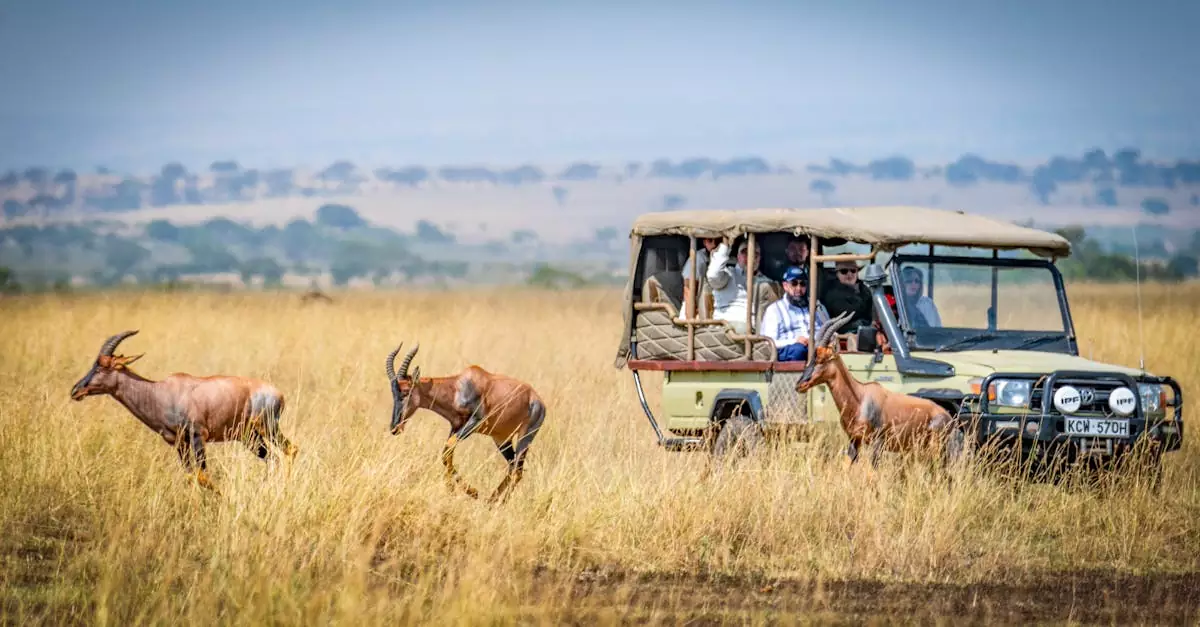
Your lens selection matters more than the camera body itself for safari work. Wildlife rarely cooperates by standing nearby. A telephoto lens becomes absolutely essential. Lenses represent a substantial chunk of the Masai Mara safari camera cost. Prime lenses deliver superior sharpness but lack flexibility. Zoom lenses sacrifice nothing in versatilityyou reframe shots without swapping glass. The 100-400mm, 150-600mm, and 200-500mm zoom options strike an excellent balance between reach and practical use. Canon, Nikon, Sigma, and Tamron all manufacture quality options in these ranges. Expect to spend $900-$2,000 for a solid 150-600mm zoom. Professional prime lenses like a 400mm f/2.8 cost upwards of $10,000, typically reserved for dedicated pros. Most travelers find a super-telephoto zoom hits the sweet spot. Consider pairing a 70-200mm lens with a 1.4x or 2x teleconverter for extended reach at lower cost. Teleconverters stretch your focal length but reduce the maximum aperture slightly, meaning less light reaches the sensor. A wide-angle lens (16-35mm or 24-70mm) captures the landscape’s vastness and works beautifully for camp scenes or cultural moments. Quality glass genuinely transforms your safari photographs. It stands as a cornerstone of finding the best camera for safari price guide Kenya offers.
Beyond the Camera Body: Accessories and Essentials
The camera and lenses represent only part of the equation. Numerous accessories ensure your trip runs smoothly and your gear stays protected. These items add to your overall Masai Mara safari camera cost. Spare batteries rank at the top of the priority list. You’ll operate far from power sources for extended stretches. Two or three batteries deplete quickly during a full day of shooting. Always pack at least two backups. High-capacity memory cards with fast write speeds (V60 or V90 rated) prevent lag during burst shooting. Aim for 128GB or 256GB cards minimum. A padded camera backpack shields your equipment from dust, moisture, and impacts. The Mara’s dust proves relentless, so carry a comprehensive cleaning kit with blower, lens pen, and microfiber cloths. A beanbag provides rock-solid stability when shooting from safari vehicles. It rests against the window frame or roof, creating a steady platform for long lenses. This beats a tripod’s awkwardness in a moving vehicle. A portable power bank charges smaller devices without draining your main batteries. A headlamp proves useful for early morning or evening shoots. These modest investments protect your main gear while dramatically improving your shooting experience. Check our travel budget guide for broader trip planning insights.
Camera Rental vs. Buying for Your Masai Mara Trip: Pros and Cons
The rent-or-buy question haunts many safari-bound photographers. Each path offers distinct advantages and trade-offs. Your decision directly impacts the Masai Mara safari camera cost. Renting makes financial sense for a single trip. Premium telephoto lenses cost thousands to purchase. Rental access lets you use top-tier equipment without massive upfront spending. A high-end telephoto lens rents for $100-$300 weeklya fraction of its purchase price. You sidestep depreciation and maintenance headaches. You avoid storing bulky gear gathering dust year-round. The downside: you can’t practice beforehand. Knowing your camera inside-out matters tremendously. Peak season sometimes creates availability problems. Buying provides full ownership. You can practice extensively before departure. Future trips and hobbies benefit from your investment. For serious wildlife photographers planning multiple safaris, buying makes long-term sense. The initial expense stings, and resale value disappoints. Think honestly about how often you’ll use the gear beyond this trip. First-time safari photographers typically find renting the smarter choice. It delivers the best camera for safari price guide Kenya offers without emptying your bank account. Always inspect rental equipment thoroughly before leaving. This ensures everything functions perfectly when you need it most.
Pros and Cons of Renting Camera Gear
- Pros:
- Lower upfront cost.
- Access to high-end, specialized equipment.
- No storage or maintenance worries.
- Avoids depreciation of expensive gear.
- Cons:
- Cannot practice extensively before the trip.
- Availability issues during peak travel times.
- Potential for damage fees.
- Not a long-term investment.
Pros and Cons of Buying Camera Gear
- Pros:
- Full ownership and ability to practice extensively.
- Can be used for future trips and hobbies.
- Familiarity with your own equipment.
- Potential for resale, though often at a loss.
- Cons:
- High initial investment.
- Equipment depreciates over time.
- Requires proper storage and maintenance.
- May not be used frequently after the safari.
Comparison Table: Safari Camera Gear Options
The table below compares various camera and lens combinations to illustrate the range of Masai Mara safari camera cost possibilities. Keep in mind these are approximate figures and regional pricing varies.
| Gear Type | Example Setup | Estimated Cost (USD) | Pros for Safari | Cons for Safari |
|---|---|---|---|---|
| Entry-Level DSLR Kit | Canon Rebel T7 + 75-300mm lens | $500 – $800 | Affordable, good for beginners, decent zoom. | Limited low-light, slower autofocus, less reach. |
| Mid-Range DSLR/Mirrorless | Nikon D7500 / Sony a6600 + 150-600mm lens | $1,500 – $3,000 | Excellent reach, good image quality, faster AF. | Heavier/bulkier, can be complex for new users. |
| Professional Mirrorless | Canon R5 / Nikon Z8 + 100-500mm or 200-600mm lens | $4,000 – $8,000+ | Superior image quality, fast AF, advanced features. | Very expensive, steep learning curve, heavy lenses. |
| Camera Phone with Adapter | Latest iPhone/Galaxy + Telephoto clip-on lens | $100 – $300 (adapter) | Lightweight, always with you, good for casual shots. | Very limited zoom, poor low-light, no manual control. |
Practical Tips for Capturing Stunning Safari Photos
Equipment alone doesn’t make great Photos knowing how to use it does. These field-tested strategies will elevate your Mara photography. Rise before dawn. Golden hour light is magic. Animals roam most actively during sunrise and sunset. Photographers call this the ‘magic hour’ for good reason. Patience becomes your greatest asset. Wildlife photography demands waiting. Sometimes you sit for hours chasing one perfect moment. Rushing guarantees disappointment. Watch animal behavior closely. Anticipate their next move. This habit transforms you from a button-pusher into a photographer. Shoot in burst mode. Animals move fast. Rapid-fire shooting multiplies your chances of capturing sharp, decisive moments. Use fast shutter speeds to freeze motion. For flying birds or sprinting animals, aim for 1/1000s or faster. Keep ISO as low as conditions allow to minimize digital noise. Don’t hesitate raising ISO in dim light Though a slightly grainy but sharp image beats a blurry one every time. Read up on wildlife photography fundamentals before you depart. This preparation readies you for unique challenges. Guard your gear obsessively against dust. Use lens hoods and store your camera in its bag when idle. Dust damages equipment quickly. Practice with your camera beforehand. Knowing your controls inside-out matters when a leopard suddenly appears. These habits help you maximize your best camera for safari price guide Kenya experience.
FAQs About Safari Camera Gear and Costs
Safari photographers consistently ask the same questions when planning their trips. These answers address the most common concerns surrounding Masai Mara safari camera cost.
What is the minimum focal length needed for a safari lens?
Generally, 300mm represents the bare minimum for safari wildlife work. Most photographers prefer 400mm or 600mm for tighter, more detailed shots of distant animals. This focal length range effectively bridges the gap between you and your subjects.
Can I use my smartphone for safari photography?
Smartphones work fine for casual shots and landscapes. Their optical zoom capabilities fall short for serious wildlife work. You’ll struggle getting close-up images of distant animals. Reserve your phone for supplementary photos rather than your primary tool.
Should I bring a tripod to the Masai Mara?
Full-sized tripods prove impractical in safari vehicles. A beanbag or monopod offers better stability and maneuverability. They work beautifully with long lenses in confined spaces.
How many batteries should I bring for my camera?
Pack at least three fully charged batteries. Safari days stretch long. Charging stations remain scarce. You don’t want a dead battery costing you that once-in-a-lifetime shot.
Is camera insurance necessary for a safari?
Absolutely. Safari environments present genuine hazardsdust, bumps, and accidents happen. Insurance protects your valuable equipment against damage, loss, or theft. This modest investment forms an important part of your overall Masai Mara safari camera cost.
Conclusion: Investing in Your Safari Memories
Selecting photography gear for your Masai Mara adventure represents an exciting planning phase. The Masai Mara safari camera cost spans a wide spectrum. Your specific choices between renting and buying, combined with your desired equipment level, determine what you’ll spend. Whether you choose an entry-level DSLR or a professional mirrorless system, thoughtful decisions pay real dividends. Remember that stunning safari photos result from equipment quality plus skilled execution. Practice with your camera. Master its settings. Show patience and respect toward the wildlife. Our guide on the best time to visit the Masai Mara provides additional planning insights. Your gear investment returns incredible value through the images you’ll treasure forever. Choose wisely and prepare for an extraordinary photographic journey. Those photographs will tell your story for decades, preserving memories of an unforgettable Kenyan experience.