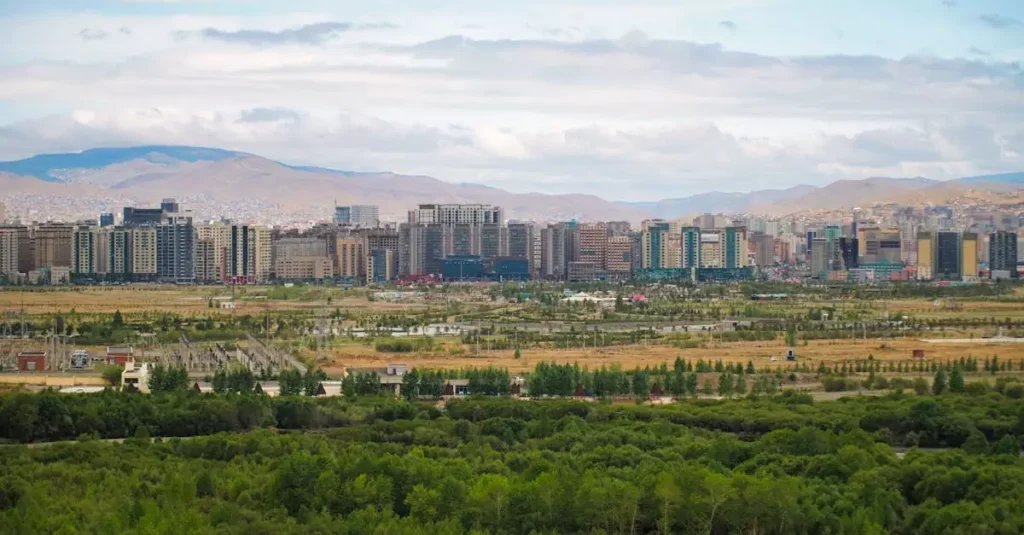
Mongolia offers incredible travel experiences without breaking the bank, and mastering the right mongolia travel hacks budget strategies can transform your adventure into an affordable journey of a lifetime. This vast landlocked nation, stretching between Russia and China, presents unique opportunities for budget-conscious travelers willing to embrace its nomadic culture and stunning landscapes. From the bustling capital of Ulaanbaatar to the remote Gobi Desert, savvy travelers can explore Mongolia’s wonders while keeping expenses remarkably low through strategic planning and local insights.
The key to successful budget travel in Mongolia lies in understanding the country’s seasonal patterns, transportation networks, and accommodation alternatives that most tourists overlook. Unlike many Asian destinations where budget travel means compromising on experiences, Mongolia rewards resourceful travelers with authentic cultural immersion and breathtaking natural encounters at fraction of typical costs. The country’s tourism infrastructure, while developing, offers numerous opportunities for creative cost-cutting without sacrificing the adventure that draws visitors to this remarkable destination.
Smart budget travelers can expect to spend as little as $25-35 per day in Mongolia by leveraging local transportation, staying in ger camps or guesthouses, eating at local establishments, and timing their visit strategically. This comprehensive guide reveals advanced money-saving techniques developed by experienced travelers and local guides, covering everything from pre-departure planning to on-ground navigation of Mongolia’s unique travel landscape. These proven strategies will help you maximize your Mongolian adventure while maintaining strict budget discipline.
Strategic Timing for Maximum Savings
Timing your Mongolia visit strategically can reduce travel costs by 40-60% compared to peak season prices. The shoulder seasons of May and September offer the perfect balance of favorable weather and reduced expenses, with accommodation rates dropping significantly from July-August peak pricing. During these months, ger camps charge $15-25 per night instead of $35-50, while domestic flights and tour packages offer substantial discounts to attract visitors during slower periods.
Winter travel in Mongolia, while challenging, presents the most dramatic cost savings for hardy adventurers. From November through March, accommodation prices plummet by up to 70%, and many tour operators offer deeply discounted packages to maintain cash flow during the off-season. However, winter travel requires careful preparation and appropriate gear, as temperatures can drop to -30°C in Ulaanbaatar and even lower in rural areas. The trade-off includes unique experiences like ice festivals, winter nomad life, and crystal-clear stargazing opportunities unavailable during warmer months.
Avoiding the Naadam Festival period in mid-July, while culturally significant, can save budget travelers hundreds of dollars. During this three-day celebration, accommodation prices triple, transportation becomes scarce and expensive, and restaurant prices surge due to increased demand. Instead, consider visiting during smaller regional festivals throughout the year, which offer similar cultural experiences at normal pricing levels while providing more intimate interactions with local communities.
Transportation Mastery on a Shoestring
Mongolia’s vast distances require strategic transportation planning to avoid budget-busting expenses. The most economical approach combines public buses, shared taxis, and hitchhiking for intercity travel, with costs averaging $0.50-2 per 100 kilometers compared to $15-25 for tourist transportation. Local buses connect major cities reliably, though schedules can be irregular and comfort levels basic. The bus journey from Ulaanbaatar to Karakorum costs approximately $8 and takes 6-8 hours, compared to $60-80 for private tourist transport.
Shared taxis, known locally as “micro-buses,” offer faster travel between cities at moderate cost increases. These vehicles typically charge $10-15 for journeys that would cost $50-75 in private vehicles, and they operate more frequently than scheduled buses. Building relationships with drivers can lead to regular transportation arrangements and further discounts for multiple journeys. Many experienced budget travelers develop networks of trusted drivers who offer competitive rates for longer trips across the country.
For the truly adventurous, hitchhiking remains common and accepted in Mongolia, particularly among nomadic herders traveling between settlements. This free transportation method requires patience, basic Mongolian phrases, and appropriate safety precautions, but offers unparalleled cultural exchange opportunities. Combining hitchhiking with public transport can reduce transportation costs to virtually zero while providing authentic interactions with locals traveling the same routes for daily commerce and family visits.
Accommodation Alternatives That Save Hundreds
Traditional ger stays with nomadic families represent Mongolia’s best accommodation value, typically costing $8-15 per night including meals and cultural experiences. These homestays, arranged through local contacts or community tourism initiatives, provide authentic insights into nomadic life while supporting local families directly. Guests participate in daily activities like herding animals, milking yaks, and preparing traditional foods, creating memories far more valuable than standard hotel experiences at fraction of the cost.
Ulaanbaatar offers numerous budget accommodation options beyond expensive hotels marketed to tourists. Local guesthouses charge $10-20 per night for clean, basic rooms, while hostels provide dormitory beds for $6-12 nightly. Many guesthouses include breakfast and offer kitchen facilities for self-catering, further reducing daily expenses. Staying in residential neighborhoods rather than central tourist areas can cut accommodation costs by 30-50% while providing glimpses into authentic urban Mongolian life.
Camping represents the ultimate budget accommodation strategy for outdoor enthusiasts, as Mongolia’s “right to roam” laws permit wild camping in most areas outside national parks and private property. Quality camping gear suitable for Mongolia’s extreme weather conditions requires initial investment but pays dividends over extended stays. Many budget travelers combine camping with occasional ger stays or guesthouses for variety and comfort breaks, maintaining average accommodation costs below $5 per night across extended trips.
Food Strategies That Stretch Your Budget
Mongolian cuisine offers excellent value for budget travelers willing to embrace local eating habits and venues. Traditional dishes like mutton soup, steamed meat dumplings (buuz), and fermented mare’s milk provide substantial nutrition at incredibly low costs when purchased from local establishments. Street food vendors and small family restaurants charge $2-4 for filling meals that would cost $10-15 in tourist-oriented establishments, while offering more authentic flavors and preparation methods.
Self-catering represents the most economical eating strategy, particularly for travelers staying in accommodations with kitchen facilities. Local markets in Ulaanbaatar and provincial towns offer fresh vegetables, meat, and dairy products at prices significantly lower than restaurants. A week’s worth of groceries for basic meal preparation costs approximately $15-25, compared to $8-12 daily for restaurant meals. Learning to prepare simple Mongolian dishes enhances cultural understanding while maximizing food budget efficiency.
Participating in traditional Mongolian hospitality customs can significantly reduce food expenses while deepening cultural connections. Nomadic families traditionally offer tea and snacks to travelers, and accepting these gestures graciously often leads to meal invitations and extended stays. Understanding appropriate reciprocity gestures, such as bringing small gifts from urban areas or helping with daily tasks, maintains respectful relationships while benefiting from generous Mongolian hospitality traditions.
Seasonal food strategies can dramatically impact budget efficiency, as certain ingredients become abundant and inexpensive during specific times of year. Summer months bring fresh dairy products, vegetables, and preserved meats at lowest prices, while winter focuses on hearty stews and preserved foods. Timing visits to coincide with seasonal abundance, such as late summer dairy production or autumn meat preparation, provides opportunities to experience traditional food preservation methods while enjoying peak flavors at minimal cost.
Essential Gear and Equipment Savings
Mongolia’s extreme climate and remote locations require specific equipment that can represent major budget expenses if purchased incorrectly. Buying quality cold-weather gear before departure often costs less than purchasing inferior products locally, while ensuring adequate protection against harsh conditions. Essential items include sleeping bags rated to -20°C, waterproof clothing, sturdy hiking boots, and reliable flashlights with extra batteries. Investing in quality gear prevents costly replacements and potential emergency expenses from equipment failures.
Renting equipment in Ulaanbaatar provides cost-effective alternatives for travelers unable to transport bulky items. Several outdoor gear rental shops offer sleeping bags, tents, and camping equipment at daily rates of $3-8 per item, making short-term rentals economical compared to purchase prices. Building relationships with rental shop owners can lead to discounted weekly or monthly rates for extended trips, while ensuring access to locally-appropriate equipment tested in Mongolian conditions.
Sharing equipment costs with fellow travelers reduces individual expenses while building travel partnerships for safety and companionship. Coordinating with other budget travelers through online forums or hostel networks allows cost-sharing for expensive items like satellite phones, GPS devices, or specialized camping gear. Many successful budget travelers form informal groups to share transportation, accommodation, and equipment costs, reducing individual daily expenses by 25-40% while enhancing safety through group travel.
Understanding local equipment alternatives can eliminate expensive gear purchases entirely. Mongolian herders use traditional items like deel (traditional robes) and felt boots that provide excellent protection at lower costs than modern outdoor gear. Learning about traditional solutions from local people provides backup options while demonstrating cultural interest that often leads to deeper relationships and additional cost-saving opportunities through local knowledge and assistance.
Money Management and Currency Strategies
Mongolia’s developing banking infrastructure requires careful cash management strategies to avoid expensive currency exchange fees and ATM charges. Bringing US dollars or Euros for exchange typically provides better rates than relying on credit cards or international ATM withdrawals, which can incur fees of $3-5 per transaction plus unfavorable exchange rates. Exchanging money at official exchange bureaus in Ulaanbaatar provides better rates than hotels or tourist areas, with differences of 5-10% common between various exchange locations.
The Mongolian Tugrik (MNT) fluctuates significantly, making timing of currency exchanges important for budget optimization. Monitoring exchange rates before travel and exchanging larger amounts during favorable periods can save substantial money over extended stays. However, carrying large cash amounts requires careful security precautions, as credit card acceptance remains limited outside major cities and tourist establishments.
Developing relationships with local money changers in smaller towns can provide competitive rates and convenient service when banks are closed or unavailable. Many experienced travelers establish trusted contacts who offer fair exchange rates and can provide emergency currency services during extended rural travel. Understanding local customs around money handling and payment preferences helps avoid misunderstandings while ensuring fair treatment in financial transactions.
Budgeting for unexpected expenses and emergency funds remains crucial in Mongolia’s remote regions where assistance can be expensive and difficult to obtain. Maintaining emergency cash reserves of $200-300 provides security for medical expenses, transportation breakdowns, or weather-related delays that could otherwise derail budget travel plans. This emergency fund should remain separate from daily travel money and accessible without relying on international banking services that may be unavailable in remote areas.
Cultural Integration for Cost Reduction
Embracing Mongolian cultural practices and social customs creates numerous opportunities for cost savings while enriching travel experiences. Learning basic Mongolian phrases demonstrates respect and often leads to preferential treatment, discounted prices, and invitations to participate in local activities. Simple greetings, thank you expressions, and polite conversation starters open doors to authentic interactions that frequently result in cost-saving opportunities through local knowledge and assistance.
Understanding traditional Mongolian hospitality customs allows travelers to participate appropriately in gift-giving and reciprocity practices that can significantly reduce accommodation and meal costs. Bringing appropriate gifts from urban areas to rural families, such as tea, candy, or small household items, demonstrates cultural awareness and often leads to extended invitations for meals and accommodation. These relationships provide authentic cultural experiences while reducing daily travel expenses through traditional hospitality practices.
Participating in seasonal work opportunities, such as helping with livestock herding or harvest activities, can provide free accommodation and meals while learning traditional skills. Many nomadic families welcome temporary assistance during busy periods, offering cultural exchange opportunities that eliminate accommodation costs while providing unique insights into traditional Mongolian lifestyle. These arrangements require flexibility and physical capability but offer unparalleled authentic experiences unavailable through conventional tourism.
Developing long-term relationships with Mongolian families and communities creates ongoing cost-saving opportunities for repeat visits and extended stays. Many budget travelers establish “adopted families” who provide accommodation, meals, and local guidance during multiple visits over several years. These relationships evolve beyond simple financial transactions into genuine cultural exchanges that benefit both travelers and host families while dramatically reducing travel costs through established trust and mutual support.
According to Mongolia’s official information, the country’s unique position between Russia and China creates diverse cultural influences that savvy travelers can leverage for cost savings through understanding regional differences and seasonal patterns that affect pricing and availability of services.
Advanced Planning and Booking Strategies
Successful budget travel in Mongolia requires extensive advance planning to secure the best prices and availability for transportation, accommodation, and activities. Booking domestic flights 2-3 months in advance can save 40-60% compared to last-minute purchases, while early accommodation reservations in popular areas ensure availability at lower rates. However, maintaining flexibility for spontaneous opportunities often leads to unexpected cost savings through last-minute deals and local recommendations.
Developing comprehensive backup plans for transportation, accommodation, and activities prevents expensive emergency solutions when primary plans fail. Mongolia’s weather and infrastructure can change rapidly, making flexible itineraries essential for budget maintenance. Having multiple options researched and partially arranged allows quick adaptation to changing conditions without resorting to expensive tourist services or emergency accommodations.
Utilizing local travel agencies and tour operators for specific segments rather than comprehensive packages can provide significant savings while maintaining professional support for challenging logistics. Many agencies offer individual services like transportation or guide services at much lower rates than complete tour packages, allowing budget travelers to customize their experience while accessing professional expertise for complex arrangements.
Building networks with other budget travelers through online forums, social media groups, and travel communities provides ongoing cost-saving opportunities through shared information, group bookings, and collaborative planning. Experienced Mongolia travelers often share current pricing information, reliable local contacts, and seasonal tips that can save newcomers substantial money while avoiding common expensive mistakes that inexperienced travelers frequently encounter.
FAQs
What is the absolute minimum daily budget for traveling in Mongolia?
The absolute minimum daily budget for Mongolia is approximately $15-20 per day, achievable through camping, hitchhiking, self-catering, and staying with nomadic families. This requires significant preparation, flexibility, and willingness to embrace basic conditions. Most comfortable budget travelers should plan for $25-35 daily to ensure adequate food, accommodation, and transportation while maintaining reasonable comfort and safety standards.
Is it safe to travel Mongolia on a tight budget as a solo traveler?
Solo budget travel in Mongolia is generally safe but requires extra precautions due to remote locations and limited infrastructure. Inform others of your itinerary, carry emergency communication devices, and maintain higher cash reserves for unexpected situations. Connecting with other travelers or local guides for remote area exploration enhances safety while potentially reducing costs through shared expenses and local knowledge.
How much money should I budget for emergency situations in Mongolia?
Budget travelers should maintain emergency funds of $300-500 for unexpected medical expenses, transportation breakdowns, weather delays, or equipment replacement. Remote locations and limited infrastructure can make emergency assistance expensive and difficult to obtain. This emergency fund should remain separate from daily travel money and accessible without relying on international banking services that may be unavailable in rural areas.
Can I find English-speaking budget accommodation in Mongolia?
English-speaking budget accommodation exists primarily in Ulaanbaatar and major tourist areas, but becomes scarce in rural regions. Learning basic Mongolian phrases greatly improves accommodation options and pricing, while translation apps can help bridge communication gaps. Many young Mongolians speak some English, and guesthouses catering to backpackers typically have English-speaking staff or owners who can assist with basic needs and local information.
What are the best money-saving apps or resources for Mongolia travel?
Essential money-saving resources include offline translation apps like Google Translate, currency converters, weather apps for trip planning, and GPS navigation tools that work offline. Local Facebook groups and travel forums provide current pricing information and budget traveler networks. However, internet connectivity can be limited in rural areas, so download essential information and maps before departing urban centers to avoid expensive data roaming charges.
Maximizing Your Mongolia Adventure Within Budget
Successful budget travel in Mongolia rewards careful planning, cultural sensitivity, and adventurous spirit with experiences that rival any luxury travel package at fraction of the cost. The strategies outlined in this guide, developed through extensive experience and local expertise, provide comprehensive frameworks for exploring Mongolia’s incredible landscapes, rich culture