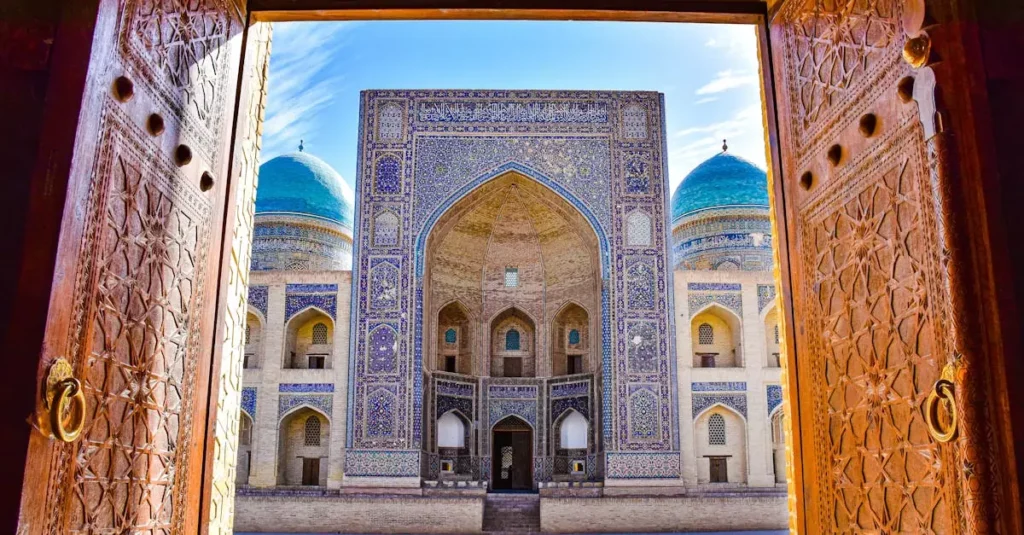
If you are planning Uzbekistan, the samarkand to bukhara train vs bus cost comparison matters more than it sounds. The route is short enough to overthink, yet long enough to waste a day if you choose badly.
I made that mistake once. I picked a “cheap” bus that left late, stopped often, and smelled faintly of diesel and sunflower seeds. The ride was not terrible. It was just slower than I expected.
This guide keeps things practical. You will get real costs, travel times, crowd patterns, and the small details that change the trip.
Why this route deserves a careful comparison
Samarkand and Bukhara are two of Uzbekistan’s most visited cities. They sit on the classic Silk Road line. The distance between them is roughly 270 to 290 kilometers by road, depending on the route.
That distance sounds simple. It is not. Train schedules, station access, and bus frequency all affect your total travel time.
In 2026, more travelers also plan around rail demand, eco-taxes in some regions, and tighter border-style checks at major stations. Uzbekistan itself does not require ETIAS, but many travelers connect this trip with Europe later.
For official tourism context, check Uzbekistan’s tourism portal.
Samarkand to Bukhara train vs bus cost comparison
The cheapest option is usually the bus or shared minivan. The fastest and most comfortable option is usually the train. The best choice depends on your schedule, luggage, and tolerance for waiting.
Here is the practical comparison.
| Transport | Typical Cost | Travel Time | Comfort | Best For |
|---|---|---|---|---|
| Train | $6 to $25 | 1.5 to 2.5 hours | High | Speed, comfort, predictability |
| Bus / shared minivan | $3 to $8 | 4 to 6 hours | Medium to low | Lowest budget, flexible departures |
The train usually wins on value. You pay more than a bus, but you save hours and energy. The bus wins only if your budget is tight or the train is sold out.
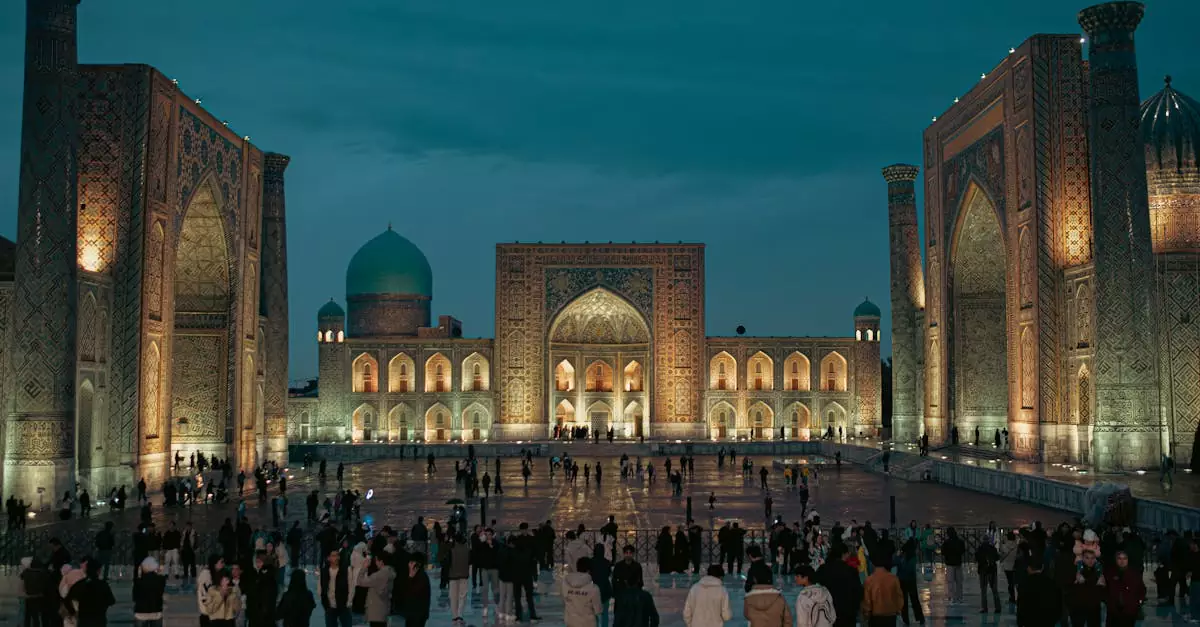
Train details: speed, seats, and what the ride feels like
Trains between Samarkand and Bukhara are the cleaner, calmer choice. Depending on the service, you may ride a high-speed or conventional train. High-speed services are the real time saver.
Most travelers report a smooth ride, with less road dust and less motion sickness. That matters in summer, when the road heat can feel punishing.
Stations are usually busy, especially on weekends and holidays. Families travel together. Tour groups often fill seats fast. If you board late, overhead space can feel tight.
Important Tip: “Buy train tickets as early as possible, because popular departure times disappear first.”
In my case, the midday train sold out before I checked twice. I ended up taking a later option and losing sightseeing time in Bukhara.
For broader country context, Britannica’s Uzbekistan overview is useful.
Bus details: when the cheaper option makes sense
Buses and shared minibuses are the low-cost choice. They are common, but they are not always simple. Departure times may be less precise than train schedules.
You may wait until the vehicle fills. That can be fine in a busy season. It can also be frustrating in shoulder season.
The ride is usually less comfortable than the train. Seats can feel narrow. Air conditioning may be inconsistent. Road stops can add time.
Important Tip: “Ask locals which marshrutka line uses the fastest highway segment before you board.”
That one question can save an hour. It also helps avoid vehicles that stop too often for pickups.
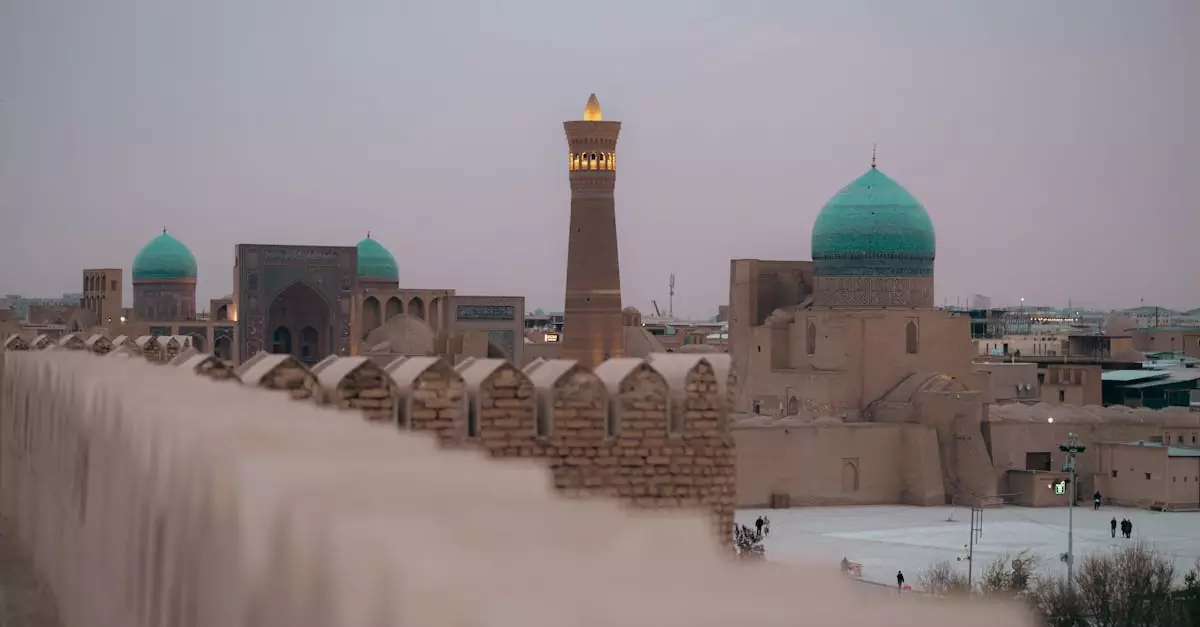
How crowd behavior changes the trip
Crowds matter more than many blogs admit. On trains, the main crowd pressure is ticket availability and boarding rush. On buses, the pressure is departure delay and seat sharing.
Friday and Sunday travel can be busier. Holiday periods are even worse. Expect more families, more luggage, and slower boarding.
In summer, many travelers move earlier in the day to avoid heat. That creates a morning spike. In winter, afternoon departures can feel more crowded because people avoid the cold.
Reality Check: “A cheap bus is not cheap if it costs you half a sightseeing day.”
If your hotel in Samarkand is far from the station, add transfer time. Same for Bukhara. The station-to-center leg can change the math completely.
Seasonal factors that affect cost and comfort
Spring and autumn are the most pleasant seasons. Temperatures are milder. Demand is higher. Tickets can tighten fast.
Summer is hot. Very hot. The train becomes more attractive because it reduces road fatigue. Bus rides can feel longer in the heat.
Winter is cheaper and calmer. But delays can happen. Fog, road conditions, and slower station processing can affect both options.
For cultural context and heritage planning, the UNESCO Uzbekistan page helps frame why this route is so popular.
Important Tip: “If you travel in April, May, September, or October, book transport before booking your second-night hotel.”
That order sounds odd. It works. Transport sells out faster than people expect in peak heritage season.
Which option is better for different traveler types?
If you want speed, take the train. If you want the absolute lowest price, take the bus. If you are carrying a lot of luggage, the train usually feels easier.
Solo travelers often prefer trains because they are easier to plan. Families often prefer trains for comfort. Budget backpackers may choose buses if they are flexible.
Business travelers should almost always choose the train. The schedule is more reliable. The arrival is less exhausting.
Here is a simple way to decide:
- Choose the train if time matters more than saving a few dollars.
- Choose the bus if your budget is strict and your schedule is flexible.
- Choose the train if you travel in summer heat.
- Choose the bus if train tickets are sold out.
Practical booking advice for 2026
Use official or trusted booking channels when possible. Screenshots of schedules help, but they do not guarantee a seat. Double-check station names before payment.
Samarkand has more than one transport point. Bukhara does too. Mixing them up is an easy mistake.
Allow extra time for station entry, platform changes, and baggage handling. Uzbek stations can move quickly once boarding starts.
Important Tip: “Arrive 45 minutes early for trains and 60 minutes early for buses.”
That buffer is not excessive. It prevents stress when lines are longer than expected.
For a quick national reference, see this Uzbekistan overview.
Pros and cons of train and bus travel
Both options work. The better one depends on your priorities.
Train pros:
- Faster than bus.
- More comfortable seats.
- Less road fatigue.
- Better for hot weather.
Train cons:
- Tickets can sell out.
- Costs more than bus.
- Station transfers may add time.
Bus pros:
- Cheapest option.
- More flexible in some cases.
- Useful when trains are full.
Bus cons:
- Slower.
- Less comfortable.
- Departure times can be less predictable.
Final verdict: what most travelers should choose
For most visitors, the train is the better deal. It saves time, feels easier, and usually reduces travel stress. The bus is only the best value if your budget is very tight.
If you are doing a short Uzbekistan itinerary, the train is usually worth the extra money. It gives you more usable time in Bukhara.
That is the real answer behind the samarkand to bukhara train vs bus cost comparison. Cheapest is not always best. Fastest is not always necessary. But comfort and time matter more than most people expect.
Plan around your season, book early, and leave room for station logistics. That is the simplest way to make this route easy.
FAQ
How long does the train from Samarkand to Bukhara take?
Usually about 1.5 to 2.5 hours, depending on the service.
How much does the bus from Samarkand to Bukhara cost?
Most buses or shared minibuses cost around $3 to $8.
Why do many travelers prefer the train?
It is faster, cleaner, and usually more predictable than the bus.
When should I book this route?
Book early for spring, autumn, weekends, and holidays.
Why can the bus take so much longer?
It may stop for pickups, wait to fill seats, and face road traffic.
