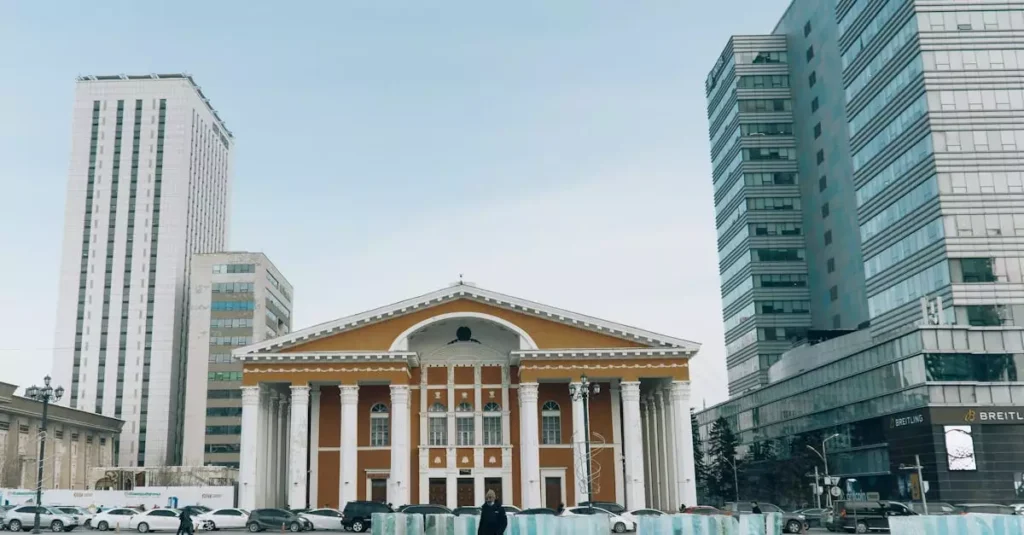
Navigating Payments in Mongolia: Cash vs Card Cost
Planning a trip to Mongolia conjures images of endless steppes and vibrant nomadic traditions. But there’s one practical question that tends to catch travelers off guard: how do you actually manage your money out there? Getting a grip on Mongolia’s cash vs card landscape isn’t just helpfulit’s essential for keeping more money in your pocket and fewer headaches along the way. This guide breaks down everything you need to know.
Mongolia’s financial system is caught between two worlds. You’ll find modern digital payments thriving in Ulaanbaatar, while cash still rules almost everywhere else. The capital city’s infrastructure supports cards fairly well, but step outside and you’re back to the Tugrik (MNT). Smart travelers prepare for both scenarios. Knowing when to swipe and when to withdraw local currency can easily save you hundreds of dollars over a trip.
We’ll walk you through ATM fees, exchange rates, transaction costs, and the real advantages and disadvantages of each payment method. By the time you finish reading, you’ll have a clear strategy for your Mongolian adventureone that keeps your spending lean and your options open.
Understanding Mongolia’s Payment Landscape for Tourists
Mongolia presents a fascinating mix when it comes to money. The financial system is modernizing quickly, yet cash still dominates outside the capital. Tourists often find themselves juggling both worlds, and that’s exactly why planning matters. The official currency is the Mongolian Tugrik (MNT), and you’ll see it on every price tag you encounter.
Ulaanbaatar leads the charge toward digital payments. Mid-range to upscale hotels, larger restaurants, and supermarkets happily accept credit or debit cards. But venture into smaller shops, local markets, or family-run guesthouses and the story changes fast. This pattern intensifies dramatically once you leave the city limits.
The real challenge appears in remote regions, ger camps, and small towns. These areas operate almost entirely on cash. Even some tour operators will request cash for parts of your booking. Understanding this two-tier system prevents nasty surprises mid-trip. It also helps you plan your withdrawals strategically rather than scrambling at the last minute.
Exchange rates aren’t uniform either. Banks and currency exchange booths offer different rates, sometimes noticeably so. Before converting large amounts, check what’s available. ATM access is decent in Ulaanbaatar but thins out quickly elsewhere. Factor in both local Mongolian bank fees and charges from your home bankthey add up faster than you’d think.
Cash is King: Why Tugrik Remains Essential for Your Trip
Despite Mongolia’s push toward digital payments, cash still reigns supreme. Once you venture beyond Ulaanbaatar, the Tugrik becomes your lifeline. It’s not just preferred in rural areasit’s often your only option. Embracing this reality makes your travels considerably smoother.
Remote communities, nomadic ger camps, local markets, and family businesses operate almost entirely on cash. Buying souvenirs, paying for guide services, or grabbing lunch at a small stall? You’ll need MNT. Having smaller denominations is equally important. Many vendors struggle to break large bills, and you don’t want to be stuck unable to complete a simple transaction.
Getting cash in Ulaanbaatar is straightforward. ATMs are scattered throughout the city, and major banks like Khan Bank, Golomt Bank, and Trade and Development Bank (TDB) are reliable sources. Most accept international Visa and Mastercard without fuss. For security, prioritize ATMs inside bank branches over standalone machines on the street.
Withdrawal fees deserve your attention. Mongolian ATMs typically charge 5,000-10,000 MNT per transaction (roughly $1.50-$3.00 USD). Your home bank often adds its own international fee on top. The math works in your favor if you make fewer, larger withdrawals instead of multiple small ones. This simple habit can cut your fee costs significantly over a trip.
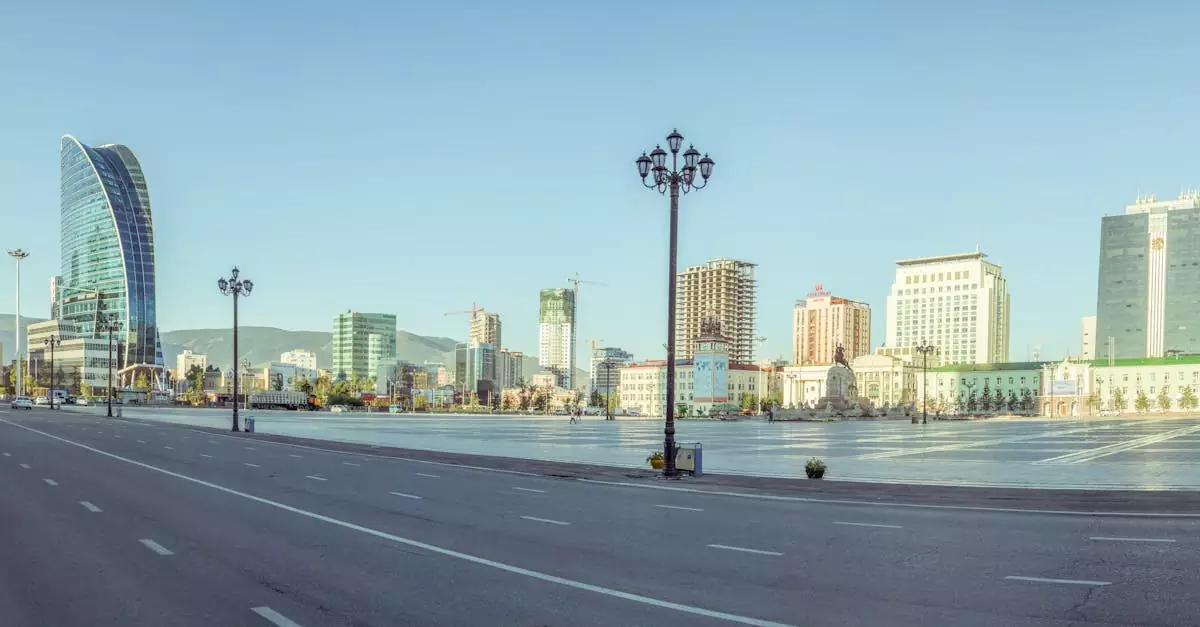
Navigating Card Payments in Mongolia: Mongolia Cash vs Card Cost
Cards offer real convenience in Mongoliabut mainly if you’re staying in Ulaanbaatar. Understanding their limitations and costs is crucial for making smart decisions. The true comparison between cash and cards depends heavily on where you’re traveling and what you’re buying.
In the capital, you’ll find cards accepted at most mid-range and upscale establishments. Visa and Mastercard work reliably. American Express and Discover? Forget about themthey’re rarely taken. Always confirm before you order or shop. Look for card logos at the entrance or simply ask staff.
The security advantage is real. You avoid walking around with wads of cash, which reduces theft risk considerably. Many travel cards also offer competitive exchange rates that beat what currency exchange booths provide. But convenience comes with a price tag attached. Foreign transaction fees are the catch.
Most international cards charge 1-3% for purchases made in foreign currency. On a $100 transaction, that’s $1-$3 gone. Check with your bank before you leave to understand their specific rates. Some banks offer cards with zero foreign transaction feesthese are worth seeking out for international travel. They directly impact your total spending on the cash vs card question.
Mongolia Cash vs Card Cost: A Detailed Comparison
The decision between cash and card isn’t straightforwardeach method carries its own set of costs and benefits. Breaking down the numbers helps you make genuinely economical choices rather than guessing.
Cash withdrawals cost money in multiple ways. The local Mongolian bank charges a fee (5,000-10,000 MNT). Your home bank usually adds an international ATM fee. The ATM network’s exchange rate might also be slightly less favorable than interbank rates. Withdraw 500,000 MNT and you might lose an extra $5-$10 to these various charges combined.
Cards sidestep ATM fees but introduce foreign transaction costs. These typically run 1-3% per purchase. A $100 hotel booking could cost you $1-$3 extra. Over many transactions, it accumulates. Some POS terminals also push dynamic currency conversion (DCC)always decline and choose to pay in MNT instead. DCC almost always gives you a worse rate.
Purchase type matters. For everyday items like snacks or local transport, cash wins on both cost and convenience. For bigger expenses like hotel stays or multi-day tours, cards offer better security. Just make sure the vendor isn’t tacking on a surcharge to offset their processing costssome smaller places do this. For more budgeting strategies, our travel budget guide has additional insights.
Comparison Table: Cash vs. Card Payments in Mongolia
| Feature | Cash (Mongolian Tugrik) | Card (Credit/Debit) |
|---|---|---|
| Acceptance | Universal, especially outside Ulaanbaatar | Good in Ulaanbaatar, limited elsewhere |
| Transaction Fees | ATM withdrawal fees (local + home bank) | Foreign transaction fees (1-3%), potential DCC |
| Exchange Rate | Set by ATM network or currency exchange | Set by card network, usually favorable (unless DCC) |
| Security | Risk of loss/theft if carrying large sums | Safer for large purchases, fraud protection |
| Convenience | Essential for small purchases, rural areas | Convenient for larger purchases in cities |
| Best For | Markets, small shops, rural travel, taxis | Hotels, large restaurants, supermarkets, tour deposits |
Pros and Cons of Each Payment Method
Both cash and cards have legitimate strengths and weaknesses. Understanding them helps you decide what approach works best for your specific trip. Your travel style and planned itinerary will influence which payment method makes the most sense.
Cash Payments: Pros
- Universal Acceptance: Cash works everywhere, from city markets to remote ger camps where cards have never been heard of.
- Budget Control: Spending physical money makes your budget tangible. You see it shrink with each purchase, which naturally encourages restraint.
- No Point-of-Sale Fees: Once you have the cash, purchases don’t trigger additional charges.
- Supports Local Economy: Many small vendors prefer cash because they avoid card processing fees.
Cash Payments: Cons
- Security Risk: Carrying large amounts of cash increases vulnerability to loss or theft.
- ATM Fees: Every withdrawal costs money from both your local bank and your home bank.
- Exchange Rate Variations: Rates differ between exchange offices, and you might not always get the best deal.
- Accessibility Challenges: Finding ATMs, particularly outside Ulaanbaatar, requires planning and can waste time.
Card Payments: Pros
- Security: Cards offer fraud protection and eliminate the need to carry large sums of cash.
- City Convenience: Using cards in Ulaanbaatar at hotels, restaurants, and shops is straightforward.
- Competitive Exchange Rates: Card networks typically provide rates that rival or beat currency exchange booths.
- Spending Records: Your card statement documents every transaction for easy budget tracking.
Card Payments: Cons
- Limited Acceptance: Small businesses and rural areas simply don’t accept cards.
- Foreign Transaction Fees: Most cards charge 1-3% on international purchases.
- Dynamic Currency Conversion Risk: Accepting DCC when offered usually results in unfavorable rates.
- Technical Failures: POS terminals malfunction or lose connectivity, leaving you unable to pay.
Practical Tips for Managing Your Money in Ulaanbaatar and Beyond
Successfully managing money in Mongolia comes down to smart preparation and flexibility. These practical strategies will keep your finances running smoothly from arrival to departure.
- Carry a Mix of Cash and Cards: This is your foundation. Keep enough MNT for daily needs and smaller purchases, with cards ready for larger expenses or emergencies.
- Notify Your Bank in Advance: Tell your bank you’re traveling to Mongolia and when. This prevents your card from being flagged and frozen when you try to use it abroad.
- Use Bank ATMs: Withdraw from ATMs inside major bank branches rather than standalone street machines. Khan Bank, Golomt Bank, and TDB are solid choices. They’re safer and less likely to have been tampered with.
- Make Fewer, Larger Withdrawals: Instead of pulling out cash multiple times, withdraw larger amounts less frequently. This minimizes cumulative ATM fees.
- Always Decline Dynamic Currency Conversion: When offered a choice between your home currency or MNT, pick MNT. DCC is designed to benefit the merchant, not you.
- Keep Small Bills on Hand: Many vendors, especially in markets, need exact change or can’t break large bills. Stock up on 500, 1,000, 5,000, and 10,000 MNT notes.
- Plan Cash for Rural Travel: Outside Ulaanbaatar, assume you’ll use almost exclusively cash. Estimate your daily needs for food, transport, and activities, then withdraw accordingly.
- Carry Emergency Backup Currency: Keep a small amount of USD or EUR cash. If card issues arise, you can exchange these easily in Ulaanbaatar.
- Protect Your Money: Use a money belt or secure pouch for valuables. Never flash large amounts of cash in public.
- Compare Exchange Rates: Rates vary between banks and exchange offices. Spend a few minutes comparing before converting large sums.
- Track Your Spending: Keep a running tally of expenses to stay on budget. This also reveals your true cash vs card cost in real time.
- Research Travel Cards: Some prepaid travel cards offer excellent exchange rates and minimal or zero foreign transaction fees. Look into these before departure.
Frequently Asked Questions About Payments in Mongolia
What is the currency of Mongolia?
The Mongolian Tugrik (MNT) is the official currency. You’ll see it represented by the symbol. Always confirm you’re dealing with MNT when making local transactions.
Are credit cards widely accepted in Ulaanbaatar?
Yes, Visa and Mastercard see broad acceptance in Ulaanbaatar at larger hotels, restaurants, and supermarkets. The picture changes dramatically outside the capital, where card acceptance drops significantly.
What are typical ATM fees in Mongolia?
Expect to pay 5,000-10,000 MNT per withdrawal from Mongolian ATMs. Your home bank typically adds an international fee on top. Always check your bank’s specific charges before you travel.
Is it safe to carry cash in Mongolia?
Mongolia is generally safe for travelers carrying reasonable amounts of cash. That said, use common sense. Keep a money belt hidden under your clothes and avoid displaying large sums of money in public.
Should I exchange money before arriving in Mongolia?
There’s no need to exchange beforehand. You can easily convert USD, EUR, and other major currencies at banks and exchange offices in Ulaanbaatar. ATMs at the airport and throughout the city make it even simpler. For more information on the country, visit Wikipedia’s page on Mongolia.
Conclusion: Making Smart Payment Choices for Your Mongolian Adventure
Mastering Mongolia’s financial landscape doesn’t require complicated strategiesjust balance and awareness. The cash vs card decision matters because it affects both your budget and your experience. Ulaanbaatar embraces cards, but cash remains indispensable the moment you venture into the countryside. Using both methods strategically ensures smooth transactions everywhere you go.
Carry enough local currency for daily needs and smaller purchases. Deploy your cards for bigger transactions in cities, but stay alert to foreign transaction fees. Always factor in ATM charges and prioritize keeping your funds secure. When you’ve thought through various payment scenarios beforehand, travel stress drops considerably.
Mongolia’s landscapes and culture are truly extraordinaryfrom vibrant Ulaanbaatar to peaceful nomadic communities. Don’t let payment worries distract from what you came to experience. With the strategies outlined here, you’ll manage your money confidently and efficiently. This freedom lets you focus on what really matters: fully immersing yourself in everything Mongolia offers. For insights on timing your visit, check out our guide on the best time to visit Mongolia.