If you are checking the tashkent street food price, start with this: it stays affordable, but not uniform. One stall may sell samsa for a few thousand som. Another charges more near a park or metro hub.
I learned that the hard way near Chorsu. I paid extra for a snack because I ordered too fast. The smell of hot dough and cumin made me rush.
That mistake helped. Tashkent is easy for budget eating, but only if you know the local rhythm. This post breaks down real costs, transport, crowds, and timing.
What the Tashkent Street Food Price Looks Like in 2026
The tashkent street food price is still friendly for most travelers. A simple snack often costs less than a café drink in many Asian capitals. But location changes everything.
In central areas, expect higher prices near metro exits, tourist squares, and busy evening parks. In local markets, prices are usually lower. Sellers may also quote different rates to foreigners, especially if the menu is not posted.
Here is a practical range in 2026. Samsa often costs 8,000 to 15,000 UZS. A plov portion may cost 35,000 to 60,000 UZS. Shashlik can run 12,000 to 25,000 UZS per skewer. Tea is usually 3,000 to 8,000 UZS.
Important Tip: “Check the price board before you order. If there is no board, ask first in simple English or Russian.”
That one habit saves money and avoids awkward moments.
Best Areas to Find Cheap and Good Street Food
Chorsu Bazaar is the most famous stop. It is about 10 to 15 minutes by metro from the center. It gets crowded at lunch and on weekends. The food is good, but the lines move slowly.
Old Tashkent also has solid value. The streets around the bazaar and nearby residential blocks often have lower prices than tourist-heavy zones. You may also find better tea and fresh bread there.
Amir Temur Square and major malls are less ideal for budget bites. They are cleaner and easier for first-time visitors. Still, they often cost more.
Transport is simple. The metro is cheap, fast, and air-conditioned. Taxis are also affordable by global standards. Use a ride app when possible, because street haggling can waste time.
Important Tip: “Arrive before 12:30 p.m. for lunch. Many stalls restock early, and the best trays are still full.”
That timing also helps you beat the lunch rush.
How Much Different Dishes Cost in Tashkent
Street food in Tashkent is more than quick snacks. It is a full meal system. You can eat well without spending much. Still, the exact tashkent street food cost depends on portion size and location.
Samsa is the easiest budget choice. It is filling and usually baked fresh. Non bread is even cheaper. Lepyoshka from a neighborhood oven may cost 4,000 to 10,000 UZS. Lagman portions are usually higher, since they need more labor and broth.
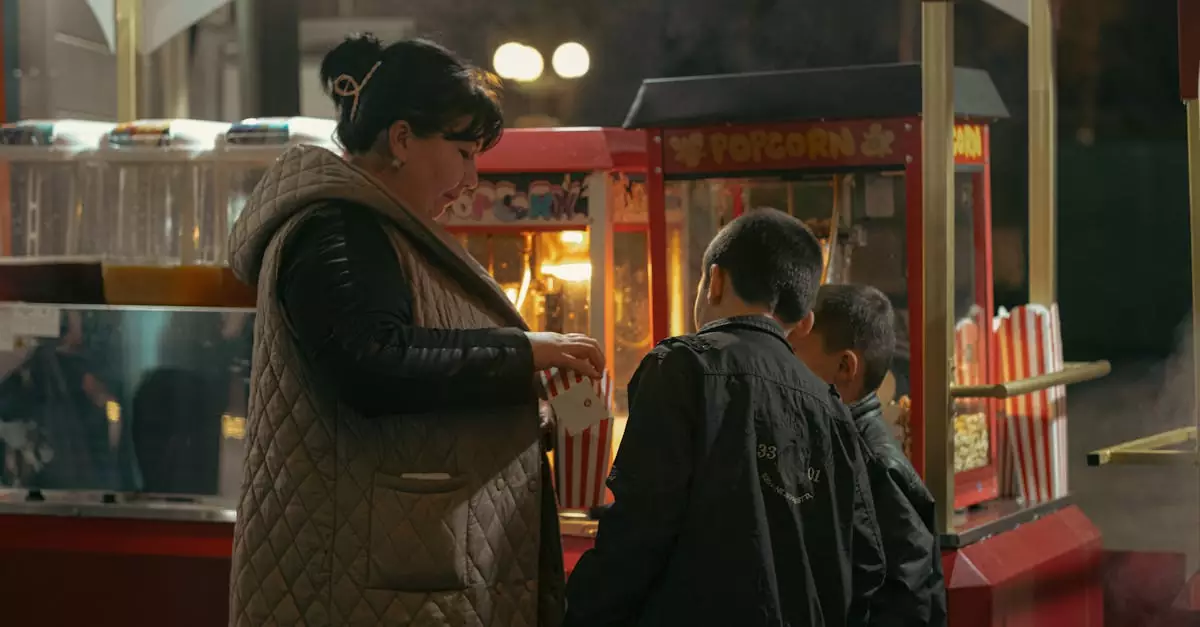
Meat changes the bill fast. Lamb skewer prices rise during evening hours. If a stall is busy, expect a small premium. Drinks are cheap, but bottled water costs more near tourist sites.
In hot months, cold drinks sell faster. In winter, soups and dumplings dominate. That shift affects both price and speed. Sellers often prepare seasonal items in larger batches, which can improve freshness.
Price Comparison Table for Common Street Foods
| Food | Typical Price | Utility | Notes |
|---|---|---|---|
| Samsa | 8,000–15,000 UZS | High | Best for fast lunch or snack |
| Plov | 35,000–60,000 UZS | Very high | Filling, but portions vary |
| Shashlik | 12,000–25,000 UZS per skewer | Medium | Price rises in busy areas |
| Non bread | 4,000–10,000 UZS | High | Cheap, fresh, and widely available |
| Tea | 3,000–8,000 UZS | Medium | Often cheaper than bottled drinks |
Reality Check: Not Every Cheap Stall Is a Good Deal
Cheap does not always mean good value. Some stalls serve smaller portions to tourists. Others use older oil or hold food too long in heat. That matters in summer.
Look for turnover. Busy stalls usually mean fresher food. But do not confuse crowd size with quality alone. A line near a metro can come from convenience, not taste.
In 2026, Tashkent is still improving its tourist infrastructure. That helps. Yet some street vendors still prefer cash. Small notes are essential. Card payment is rare at low-cost stalls.
Also remember the city’s climate. Summer heat can push food safety issues higher. Winter brings safer holding conditions, but slower service. Both seasons require judgment.
For broader country context, these resources help:
How to Move Around for Better Food Prices
The metro is your best budget tool. It is cheap, reliable, and easy to use. From central Tashkent, many food spots sit within one or two metro stops. That keeps transport costs low.
Walking also works in market districts. Distances are short, but sidewalks can be uneven. In summer, heat makes midday walks harder. Early morning and evening are better.
Taxis are useful after dark. They are still inexpensive by international standards. But agree on the app price first. If you are staying near Chorsu, a short ride to another food district may cost very little.
Reality Check: street food is not always the cheapest meal if you keep ordering drinks and extras. A “small” snack can become a full dinner bill.
Pros and Cons of Eating Street Food in Tashkent
- Pros: Low prices for filling meals.
- Pros: Easy access near markets and metro stations.
- Pros: Strong local flavor and fast service.
- Pros: Good options for breakfast, lunch, and late snacks.
- Cons: Prices can jump in tourist-heavy areas.
- Cons: Some stalls have no clear menu.
- Cons: Cash is often required.
- Cons: Summer heat can affect freshness.
Best Times to Eat and Save Money
Morning is best for bread and pastries. Lunch is best for plov. Evening is best for grilled meat, but prices can rise slightly. If you want the best value, go during off-peak hours.
Weekdays are calmer than weekends. Friday afternoons and Saturday evenings are the busiest. Expect longer waits near famous markets. Some stalls also sell out early, especially popular samsa and fresh bread.
Important Tip: “Carry small UZS notes. Many vendors dislike making change for large bills.”
Important Tip: “Use a local map app to pin stalls before you go. Search results can be inconsistent near bazaars.”
Important Tip: “If you want the freshest bread, ask for the next batch. It is usually ready in 10 to 20 minutes.”
Seasonal Costs, Crowd Behavior, and 2026 Travel Notes
Spring and autumn are the easiest seasons for street eating. Temperatures are milder. Crowds are manageable. Food stays pleasant longer outside.
Summer is hotter and busier in the evenings. Many locals avoid the midday sun, so stalls may feel quiet until sunset. That is normal. Winter brings heavier soups and fewer cold snacks.
For 2026 travelers, Europe-bound visitors should also check ETIAS rules if combining Uzbekistan with Schengen travel. Uzbekistan itself does not use ETIAS, but many multi-country trips do. Eco-taxes are also appearing in some regional hotel and transport systems, so keep a small buffer in your budget.
If you are planning rail travel, note that Central Asia continues to improve cross-border and domestic rail links. That makes Tashkent a smarter base for food-focused day trips.
FAQ
How much does street food cost in Tashkent for one meal?
A basic meal often costs 20,000 to 60,000 UZS, depending on dish and area.
Why does the same food cost more near tourist spots?
Rents, demand, and foreign visitor pricing all push costs higher.
When is the best time to buy samsa in Tashkent?
Late morning is ideal, when fresh batches are ready.
How do I avoid overpaying at street stalls?
Ask the price first, compare nearby stalls, and carry small cash.
Why do some stalls have long lines while others stay empty?
Busy stalls often have faster turnover, but some are simply in better locations.
Conclusion
The real tashkent street food price is still budget-friendly, but smart choices matter. Go early, compare prices, and eat where locals actually queue.
If you want the best value, mix market food with neighborhood stalls. Keep cash ready. Watch the crowd flow. And leave room for one extra samsa.
That simple approach gives you better food, lower costs, and fewer surprises in Tashkent.