
Situated in the vibrant center of Bali, Indonesia, Ubud has become a beloved destination for those seeking wellness and spiritual growth. Surrounded by verdant rice terraces and infused with a rich artistic heritage, it offers a serene environment perfect for yoga practice. Travelers often come here hoping to nurture their yoga journey or simply find tranquility. One of the frequent queries among visitors is: what is the typical ubud yoga class price?
Knowing the cost of yoga classes in Ubud helps you plan your budget wisely. Prices differ widely depending on the studios profile, the type of class, and how long you intend to stay. From internationally acclaimed yoga hubs to cozy neighborhood shalas, the variety is vast. This overview sheds light on the main factors that affect costs, giving you the tools to make well-informed choices for your wellness experience.
Various pricing tiers exist, whether you’re paying for a single drop-in session, opting for multi-class packages, or enrolling in a full retreat. Understanding these options will offer clarity on what to expect financially. The goal is to help you discover a yoga experience in Ubud that balances quality with affordability. Prepare to immerse yourself in the peaceful and spiritual energy that has made Ubud a renowned yoga destination worldwide.
Exploring the Diverse Ubud Yoga Scene
The yoga community in Ubud is wonderfully diverse. You can choose between expansive studios known globally and smaller, family-operated shalas tucked away in quieter corners. Each place brings its own vibe and teaching approach. Large centers like The Yoga Barn and Radiantly Alive host multiple classes daily, covering styles such as Vinyasa, Hatha, Yin, and restorative yoga. Their line-ups often feature internationally respected teachers, which can affect class prices. These larger venues attract many visitors thanks to their broad schedules and strong community atmosphere. Beyond yoga, they often include extras like cafes, wellness treatments, and workshops.
On the other end of the spectrum, intimate boutique studios provide a more personalized and calm setting. These spots might specialize in particular yoga styles or blend practice with Balinese cultural elements. Youll find a more focused environment here, ideal for those looking to deepen their connection or receive tailored instruction. Some studios even hold classes in traditional Balinese surroundings, enriching the cultural experience. Choosing between these options means weighing the appeal of a wide-ranging schedule against the desire for a more individualized ambiance. Reflect on what matters most to you when deciding where to practice.
Community-driven spaces and guesthouses also offer yoga sessions, often at lower prices. While the facilities may be simpler, these classes provide a genuine experience and smaller group sizes, allowing for more personal guidance. This range of choices ensures that yogis of all budgets and skill levels can find a welcoming spot in Ubud. Though the sheer number of studios may feel daunting, a bit of research will help you find a place that resonates with your practice. Collectively, these studios contribute to Ubuds esteemed status as a global wellness center.
What Influences Ubud Yoga Class Price?
Several elements shape the ubud yoga class price youll encounter. Knowing these can help you anticipate expenses and select wisely. The studios reputation and scale are major factors. Larger, well-known studios with international acclaim usually charge more, thanks to their high-end facilities, extensive class options, and visits from expert instructors. In contrast, smaller local studios or guesthouses tend to offer more budget-friendly rates, reflecting their lower overheads and focus on community or cost-conscious travelers. This distinction becomes clear when comparing price lists from various venues.
The nature and length of the class also play a role in determining cost. Workshops, masterclasses, or extended sessions, such as two-hour classes, generally cost more than standard drop-in sessions lasting 60 to 90 minutes. Specialized classes like aerial yoga, sound healing, or therapeutic sessions often come with higher fees due to their unique equipment or expertise. Meanwhile, more common classes like Hatha or Vinyasa are usually the most accessible price-wise. Think about what kind of practice you want to have. Standard classes tend to be more economical than niche offerings.
How you purchase classes affects the price per session as well. Paying for a single drop-in class is the most costly option per class. Buying multi-class passeslike 5-class or 10-class packagesor weekly and monthly memberships can significantly reduce the cost per session. The longer you commit, the better the deal. Many studios also provide special introductory rates for newcomers, which can be a great way to explore different locations. During peak tourist seasons, prices may rise slightly or discounts might be limited, so its smart to ask about package deals if you plan to practice often. This approach ensures you get the most value out of your stay.
Typical Ubud Yoga Class Price Ranges
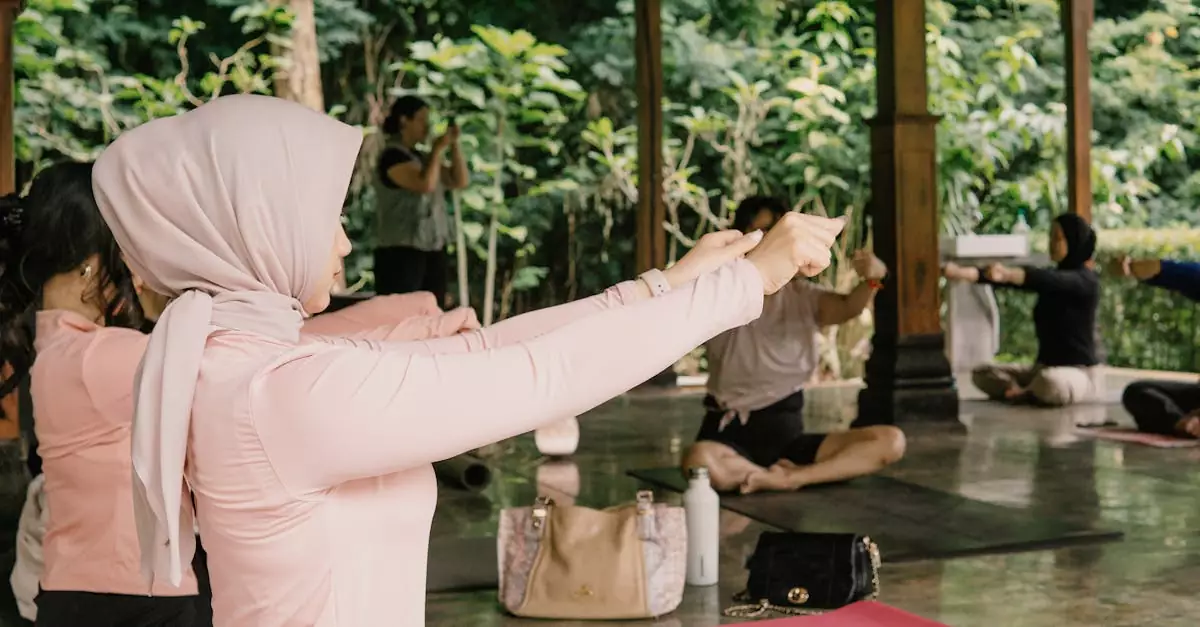
Having a clear idea of common price ranges will help you budget your yoga practice in Ubud. For a single drop-in class, expect to pay between IDR 100,000 and IDR 180,000approximately $6.50 to $12 USD depending on current exchange rates. The more prominent studios like The Yoga Barn or Radiantly Alive usually are at the higher end, offering well-maintained spaces and extensive schedules. Smaller local studios or guesthouses may charge from IDR 80,000 to IDR 120,000, providing excellent value in more intimate settings. Across the board, the quality of teaching remains consistently strong.
For those who plan to practice frequently, multi-class passes are a smart choice. A 5-class pass typically costs between IDR 400,000 and IDR 750,000 ($26 to $50 USD), which lowers the price per class considerably. A 10-class pass generally falls in the range of IDR 750,000 to IDR 1,200,000 ($50 to $80 USD). Weekly passes granting unlimited access over seven days usually cost between IDR 500,000 and IDR 1,000,000 ($33 to $67 USD). These are particularly handy if you want to attend multiple sessions each day. Many travelers find these passes more economical than paying for single classes.
Monthly memberships offer the best value for those staying longer. Prices can vary from IDR 1,500,000 to IDR 3,000,000 ($100 to $200 USD) for unlimited access during the month. Some studios also provide special rates for Indonesian residents or long-term expats, so its worth asking if you qualify. Retreats fall into a separate pricing category altogether. Including lodging, meals, and multiple yoga sessions daily, their costs range widelyfrom a few hundred dollars for a short, basic retreat to several thousand for luxurious week-long programs. Though pricier upfront, retreats offer a fully immersive experience that goes beyond standard classes. Doing your research on these options will help you align your budget with your wellness goals.
Comparing Ubud Yoga Session Cost: Studios vs. Retreats vs. Private Classes
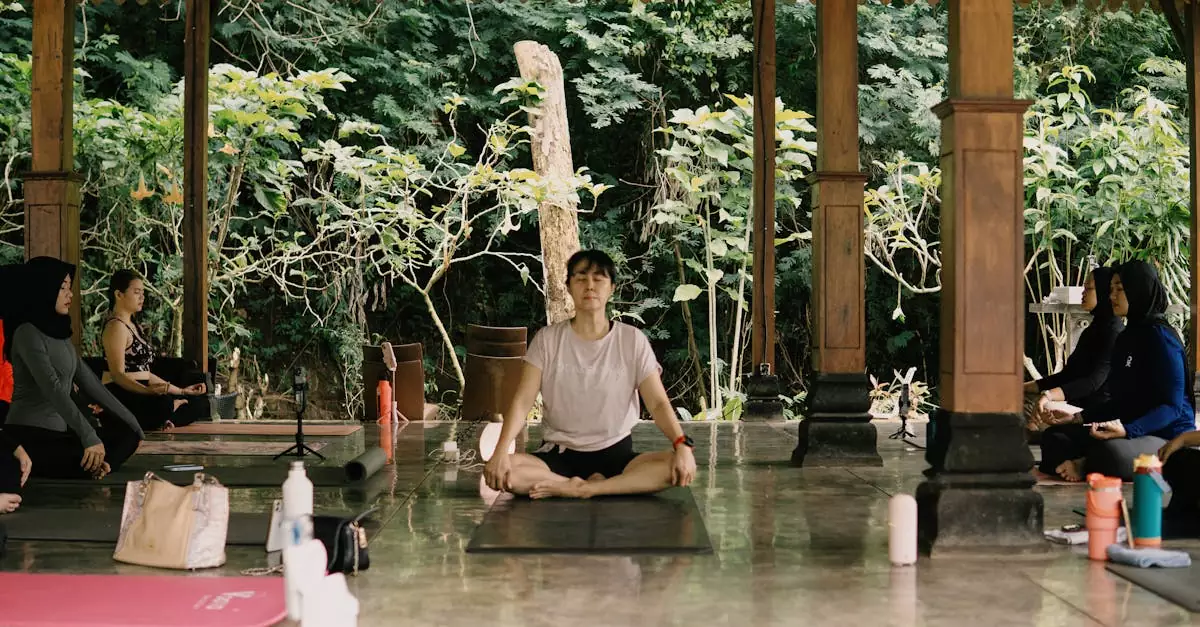
Deciding where to practice yoga in Ubud means considering various formats, each offering different benefits and price points. Studios generally provide the most flexibility, with drop-in classes and multi-class passes available. This suits travelers who want to combine yoga with exploring the area. The price for studio classes covers the session alone, with accommodation, meals, and other activities managed independently. This approach often keeps daily expenses lower, especially for those on a budget. You can tailor your schedule based on your interests and availability.
Retreats offer a fully immersive yoga experience, bundling accommodation, meals, and several daily yoga sessions alongside wellness activities like meditation or workshops. While the initial cost is higher than individual classes, retreats relieve you from planning logistics, allowing you to focus entirely on relaxation and deepening your practice. Theyre ideal for those seeking a structured wellness holiday. Retreat prices vary widelyfrom a few hundred dollars for simple, short retreats to thousands for luxury week-long stays. The value lies in their all-inclusive nature and focused environment.
Private classes provide one-on-one instruction customized to your personal needs. These sessions command the highest price per hour, typically ranging from IDR 300,000 to IDR 700,000 ($20 to $47 USD). Theyre perfect for beginners who want foundational guidance, advanced practitioners honing specific poses, or individuals requiring therapeutic attention. Despite being the priciest option, the personalized focus often accelerates progress. Many private sessions can be arranged at your accommodation or a quiet studio, offering convenience and tailored instruction. When considering private lessons, weigh your learning preferences alongside your budget.
Comparison Table: Ubud Yoga Options
| Option | Typical Cost (per session/day) | Pros | Cons |
|---|---|---|---|
| Studio Drop-in Class | IDR 100,000 – 180,000 ($6.50 – $12) | Flexible schedule, wide variety of classes, strong community atmosphere | Highest cost per individual class, self-managed logistics |
| Studio Multi-Class Pass | IDR 80,000 – 150,000 ($5 – $10) per class | More affordable for regular practice, diverse options | Requires upfront payment, passes have expiration dates |
| Yoga Retreat | IDR 1,500,000 – 15,000,000+ ($100 – $1000+) per day | Comprehensive and immersive, all-inclusive, structured environment | High initial cost, less scheduling flexibility, longer time commitment |
| Private Class | IDR 300,000 – 700,000 ($20 – $47) per hour | Tailored instruction, focused on individual needs, faster improvement | Most expensive option, requires advance booking |
Maximizing Value: Tips for Finding Affordable Yoga in Ubud
Getting affordable yoga in Ubud doesnt mean sacrificing quality. A few strategies can help you lower your ubud yoga class price. Committing to multi-class passes is one of the smartest approaches if you plan to stay and practice regularly. The price per class drops substantially with 5-class, 10-class, or weekly packages, which many studios offer. These passes typically remain valid for several months, allowing flexibility while saving money. Always double-check the expiration date to avoid surprises. Compared to paying for single drop-in classes, these packages can result in significant savings.
Exploring smaller, local studios or guesthouses can also yield budget-friendly options. Though they may lack the extensive facilities of big-name centers, the quality of instruction often remains excellent. You might stumble upon a hidden treasure with dedicated teachers and a unique vibe. Some guesthouses even include free yoga classes as part of your accommodation, so its worth asking when booking. This can be a wonderful way to enjoy yoga without extra costs.
Keep an eye out for introductory offers or donation-based classes. Many studios provide special rates for newcomers or trial periods, making it easier to try different places before committing. Donation-based or community classes are also available at times, supporting local initiatives and making yoga accessible to a wider audience. These might not be widely advertised, so check local notice boards or social media for updates. Bringing your own mat is advisable in many cases since some studios charge a small rental fee.
Pros and Cons of Budget Yoga Options
- Pros:
- Much lower cost per class.
- Chance to discover authentic, smaller studios.
- Opportunity to connect closely with local teachers and communities.
- Great choice for long-term stays or tight budgets.
- Cons:
- Fewer amenities compared to larger studios (no cafes, simpler changing rooms).
- Schedules might be less varied or frequent.
- Classes may require more effort to find due to less advertising.
- Locations can be less central, requiring transport arrangements.
Important Tips for Your Ubud Yoga Journey
- Reserve Early for Popular Classes: During peak seasons or for well-known instructors, classes fill quickly. Book online or arrive early to secure a spot.
- Stay Hydrated: Balis warm, humid climate means youll sweat more. Drink water before, during, and after your practice.
- Bring Your Own Mat: Most studios offer rentals, but having your own mat ensures cleanliness and comfort.
- Pay Attention to Your Body: Dont push too hard, especially when adjusting to new teachers or environments.
- Expect Crowds: Popular studios like The Yoga Barn can be busy. For a quieter experience, try smaller studios or early morning classes.
- Plan Transportation: Some studios are outside central Ubud. Factor in scooter rentals or ride-hailing costs when planning your day.
- Explore Beyond Yoga: Ubud is rich in culture and nature. Take time to enjoy the broader Indonesian experience alongside your practice.
Beyond the Mat: Combining Yoga with Ubud’s Culture
Yoga in Ubud is more than just physical exerciseits part of a broader cultural and spiritual journey. Many visitors find that the towns artistic and spiritual atmosphere naturally complements their yoga practice. After a refreshing session, wandering through Ubuds bustling art markets can be an enriching experience. Here, youll discover unique crafts, textiles, and traditional Balinese artwork. Interacting with local artisans offers a glimpse into their creative traditions, adding depth to your visit and enhancing your personal growth. The town pulses with community spirit and creative energy.
Visiting ancient sacred sites like Goa Gajah (Elephant Cave) or Tirta Empul (Holy Water Temple) can deepen your connection to Balinese spirituality. These temples provide peaceful spaces for reflection and insight into the islands Hindu heritage. Their tranquil surroundings echo the meditative qualities of yoga, helping you find inner calm. A temple visit usually takes a few hours, allowing time to absorb the serene ambiance. Blending these cultural excursions with your yoga schedule creates a balanced and meaningful itinerary, fostering a profound bond with the place.
Ubud is also famous for its wholesome and flavorful food scene. After a vigorous yoga session, indulging in fresh, organic meals at one of the many health-focused cafes is a treat. From vibrant smoothie bowls to traditional Indonesian dishes, the culinary offerings support a lifestyle of wellness. Taking part in cooking classes offers another way to connect with local culture and learn about Balinese ingredients. This complete approach to nourishment nurtures both body and spirit. Dont miss the stunning natural landmarks like the Tegalalang Rice Terraces or Campuhan Ridge Walk, which provide breathtaking settings for quiet contemplation and a connection with nature. For further inspiration, visit Indonesia’s official tourism site.
Frequently Asked Questions About Yoga in Ubud
How much is a single yoga class in Ubud?
Typically, a single drop-in yoga class costs between IDR 100,000 and IDR 180,000 in Ubud. The exact price depends on the studios reputation and amenities. Smaller local studios usually offer more affordable rates for individual classes.
Are yoga retreats in Ubud expensive?
Yoga retreats vary widely in cost. Basic short retreats might start at a few hundred dollars, while luxury week-long retreats with full amenities can run into several thousand dollars. Pricing depends on the level of inclusions and accommodations.
Can I find free or donation-based yoga in Ubud?
Yes, donation-based and community yoga classes are available in Ubud, though they may not be widely advertised. Smaller studios or community centers sometimes host these sessions. Checking local bulletin boards or social media groups can help you find these opportunities.
Is it better to buy a multi-class pass or pay per class?
For those planning to attend multiple sessions, multi-class passes usually offer better value by reducing the price per class. Paying drop-in rates is more suitable for occasional practice or testing out different studios.
What should I bring to a yoga class in Ubud?
Wear comfortable clothing suitable for yoga, bring a water bottle to stay hydrated, and consider a small towel. Most studios provide mats, but bringing your own might be preferable. Sunscreen and insect repellent are recommended if youre practicing outdoors or in open-air settings.
Conclusion: Your Journey to Zen in Ubud
Ubud stands out as a premier yoga and wellness destination, offering a wide array of options for every travelers needs. Whether you choose the dynamic energy of a large international studio or the peaceful intimacy of a local shala, youll find a practice that suits you. Knowing the typical ubud yoga class price is an essential step toward planning your wellness stay. Understanding how studio size, class types, and package deals influence costs empowers you to make choices that fit your budget and goals.
From flexible drop-in classes to multi-class packages and immersive retreats, theres a range of possibilities to suit different preferences. Keep in mind the tips for finding affordable options to get the most from your experience. Exploring smaller studios or taking advantage of introductory offers can make your yoga journey more accessible. Managing the ubud yoga session cost becomes simple with a little planning. Your time in Ubud goes beyond physical postures; its about connecting with a vibrant community and a deeply spiritual environment.
The experience you create here will blend self-discovery, cultural exploration, and deep relaxation. Let yourself fully embrace the chance to grow your practice while soaking up the beauty of Bali. With these insights, youll navigate the yoga landscape confidently, finding peace without financial strain. May your path to zen in Ubud be fulfilling, inspiring, and refreshingly affordable. Enjoy every step both on and off the mat.