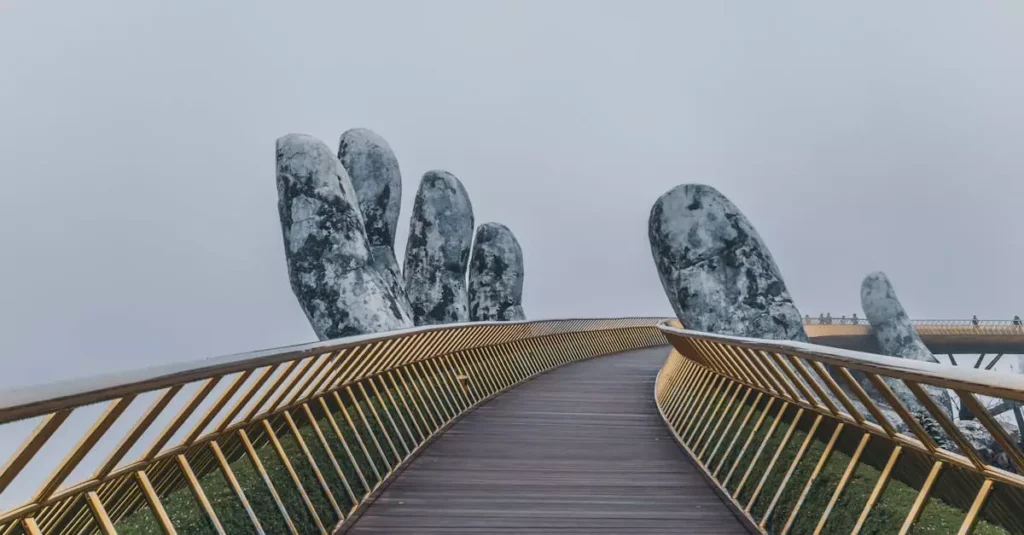
Vietnam beckons with its captivating blend of ancient history, stunning natural beauty, and vibrant culture, promising an unforgettable adventure for every traveler. From the bustling streets of Hanoi to the serene waters of Ha Long Bay and the charming lantern-lit alleys of Hoi An, this long, S-shaped country offers an incredible diversity of experiences. Planning your journey through this enchanting Southeast Asian nation can seem daunting, but identifying the most rewarding destinations is the first step to crafting your perfect itinerary.
This guide will help you navigate the rich tapestry of Vietnam, spotlighting the best places to visit to suit your interests—whether you’re after cultural immersion, breathtaking landscapes, culinary delights, or historical insights. Discover the essential stops and hidden gems that make Vietnam a truly remarkable destination.
Discover the Best Places to Visit in Vietnam for Every Traveler
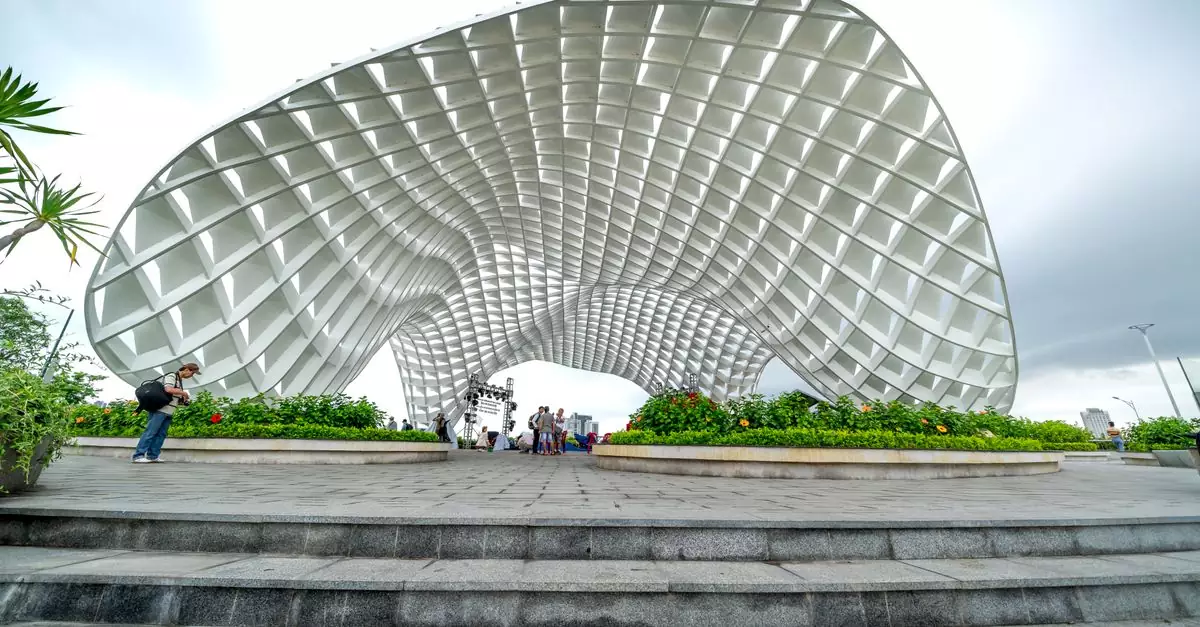
Vietnam offers an incredible array of experiences, from bustling cities and ancient history to breathtaking natural landscapes. Planning a trip to this vibrant Southeast Asian nation can feel overwhelming given its length and variety. Whether you’re seeking cultural immersion, adventure, or relaxation, understanding the top destinations is crucial for crafting an unforgettable journey. This guide highlights some of the best places to visit in Vietnam, catering to various travel styles and interests.
Top 5 Must-See Destinations in Vietnam
When considering where to go in Vietnam, certain locations stand out for their unique charm and attractions. These five destinations provide a solid foundation for any itinerary, offering a glimpse into the country’s rich heritage and stunning scenery.
Hanoi: The capital city is a captivating blend of old and new. Its Old Quarter buzzes with motorbikes and street vendors, while French colonial architecture lines wide boulevards. Must-sees include Hoan Kiem Lake, the Temple of Literature, and the Ho Chi Minh Mausoleum. The legendary street food scene offers an authentic taste of Vietnamese cuisine.
Ha Long Bay: A UNESCO World Heritage site, Ha Long Bay is famous for its thousands of limestone karsts and islets rising from emerald waters. A cruise through the bay, often featuring kayaking and cave exploration, is essential. Overnight stays on traditional junks provide a truly magical perspective.
Hoi An: This charming ancient town, also a UNESCO World Heritage site, is renowned for its well-preserved architecture, vibrant lanterns, and skilled tailors. Stroll through narrow streets, visit historic merchant houses, and soak in the relaxed atmosphere. Hoi An is also a culinary hotspot, offering cooking classes and delicious local specialties.
Ho Chi Minh City (Saigon): Vietnam’s largest city is a dynamic metropolis with palpable energy. It’s a hub for history buffs, featuring attractions like the War Remnants Museum and the Cu Chi Tunnels nearby. The city boasts a sophisticated dining scene, rooftop bars, and bustling markets like Ben Thanh.
Sapa: Nestled in the northern mountains, Sapa is a gateway to stunning terraced rice fields and the homelands of ethnic minority groups. Trekking through valleys, visiting local villages, and experiencing the unique cultures of the Hmong and Dao people are highlights. The crisp mountain air and panoramic views provide a refreshing contrast to the coastal regions.
Vietnam’s Coastal Gems: Beyond the Tourist Trail
While popular spots like Ha Long Bay draw crowds, Vietnam’s extensive coastline conceals many beautiful, less-visited beaches and islands. For travelers seeking tranquility and pristine natural beauty, these coastal areas offer a refreshing alternative.
Nha Trang: Although a popular resort city, Nha Trang offers beautiful beaches and clear waters for swimming and diving. Its islands, such as Hon Mun, are perfect for snorkeling and exploring marine life. The city features a lively promenade and a good selection of seafood restaurants.
Phu Quoc Island: Located in the Gulf of Thailand, Phu Quoc is Vietnam’s largest island, gaining popularity for its white-sand beaches, clear turquoise waters, and lush interior. Visitors can relax on Long Beach, explore the national park, or visit pearl farms. While development is increasing, quieter coves and secluded stretches of sand can still be found.
Quy Nhon: This coastal city in central Vietnam remains relatively untouched by mass tourism. It boasts beautiful, uncrowded beaches like Ky Co and Eo Gio, often referred to as Vietnam’s “Grand Canyon” for its dramatic coastal cliffs. The seafood here is exceptionally fresh and affordable.
Con Dao Islands: For a more remote and rugged experience, the Con Dao archipelago offers pristine beaches, excellent diving and snorkeling opportunities, and a significant history as a former penal colony. Its protected marine park is a haven for biodiversity, including sea turtles. Access is typically by flight from Ho Chi Minh City or a ferry from the mainland.
Northern Vietnam’s Majestic Landscapes: Sapa & Ha Giang
The northern regions of Vietnam are defined by dramatic mountains, verdant valleys, and vibrant ethnic cultures. These areas offer unparalleled trekking and cultural immersion for adventurous travelers.
Sapa: As mentioned earlier, Sapa is a popular mountain resort town. Its primary draw is the surrounding landscape of immense terraced rice paddies, particularly stunning during planting and harvest seasons. Trekking is the main activity, with options ranging from easy walks to multi-day hikes that include homestays in local villages. The cooler climate makes it a refreshing escape.
Ha Giang Loop: For the truly adventurous, the Ha Giang Loop is an iconic motorbike route through some of Vietnam’s most spectacular and remote mountain scenery. This challenging yet rewarding journey takes you through dramatic karst landscapes, deep valleys, and along winding mountain passes like Ma Pi Leng Pass. You’ll encounter diverse ethnic communities, including the Hmong, Dao, and Tay people, offering profound cultural insights. Careful planning for motorbike rental, safety, and appropriate gear is essential. The best time to visit is generally from October to April, avoiding the rainy season.
Planning Your Vietnam Adventure: When to Go and How to Get Around
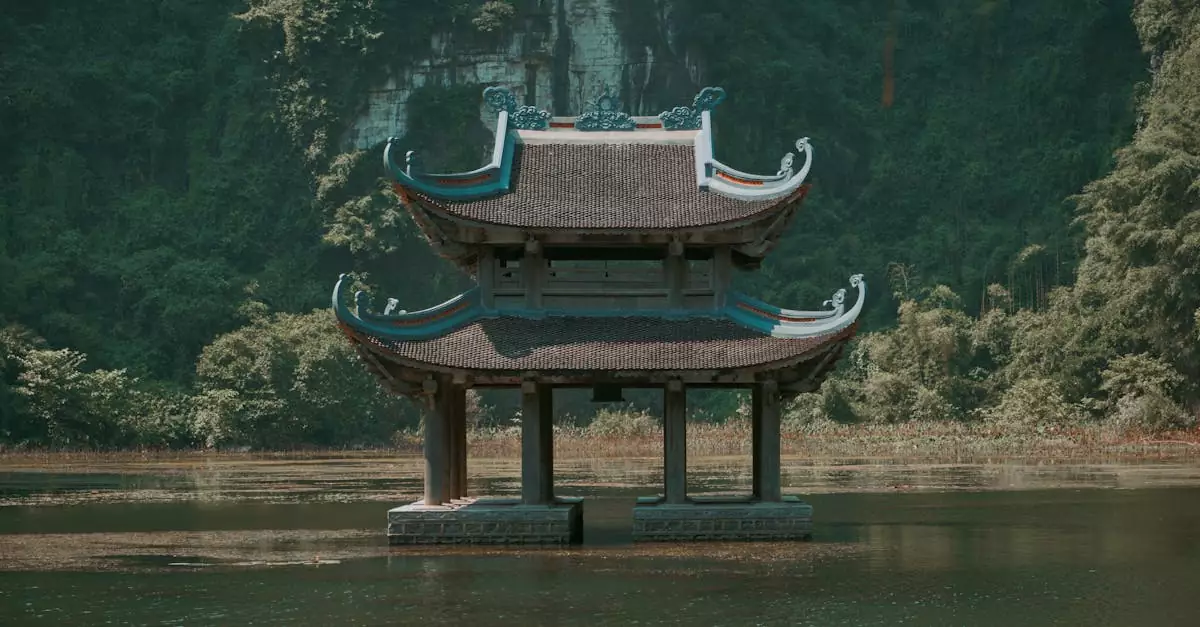
Deciding on the best time to visit Vietnam and understanding your transportation options are crucial first steps for any traveler. Vietnam’s long, S-shaped geography means its climate varies significantly from north to south, influencing ideal travel windows for different regions. Navigating the country requires a strategic approach, whether you prefer the efficiency of flights, the scenic journey of trains, or the budget-friendly nature of buses.
Best Time to Visit Vietnam: Navigating the Seasons
Vietnam experiences distinct weather patterns across its length, making timing a key consideration for your trip. The north, including Hanoi and Ha Long Bay, is best visited during spring (March-April) and autumn (September-November) when temperatures are pleasant and rainfall is moderate. Summer can be hot and humid, while winter may bring cool and misty conditions.
Central Vietnam, home to Hoi An and Hue, generally enjoys good weather from January to August, characterized by dry and warm conditions. The rainy season typically runs from September to December, bringing heavy downpours and potential flooding, especially in coastal areas like Hoi An.
Southern Vietnam, with destinations like Ho Chi Minh City and the Mekong Delta, has a tropical climate with two main seasons: the dry season (December-April) and the wet season (May-November). The dry season offers sunshine and lower humidity, making it popular for visitors. While the wet season brings higher humidity and afternoon showers, these are often brief and typically do not disrupt travel plans significantly.
| Region | Best Months (Spring/Autumn) | Best Months (Summer) | Best Months (Winter) | Rainy Season |
|---|---|---|---|---|
| North | March-April, Sept-Nov | May-August | December-February | (Light rain possible) |
| Central | January-August | (Hot & Humid) | (Mild) | September-December |
| South | December-April | (Hot & Humid) | (Warm) | May-November |
Getting Around Vietnam: Flights, Trains, and Buses
Vietnam offers a variety of transportation methods catering to different budgets and travel styles. For covering long distances quickly, domestic flights are an excellent option. Vietnam Airlines, VietJet Air, and Bamboo Airways operate frequent routes between major cities like Hanoi, Da Nang, and Ho Chi Minh City. Booking in advance can often secure more affordable fares.
The national railway network, operated by Vietnam Railways, provides a scenic and relaxed way to travel. The Reunification Express line runs the length of the country, offering overnight sleeper berths that can save on accommodation costs. While slower than flying, train journeys allow you to see the Vietnamese countryside unfold.
Buses are the most budget-friendly way to travel, serving even remote areas. Numerous companies offer services, from comfortable sleeper buses with reclining seats for overnight journeys to local buses for shorter hops. It’s advisable to book tickets through reputable agencies or hotels, especially for longer routes.
- Flights: Fastest for long distances.
- Trains: Scenic, comfortable for overnight travel, ideal for seeing the landscape.
- Buses: Most economical, extensive network, sleeper buses available.
- Taxis & Ride-Sharing: Convenient for city travel; use reputable companies or apps like Grab.
Vietnam’s Road Trip Routes: Motorbiking the Hai Van Pass
For adventurous travelers, motorbiking offers an unparalleled sense of freedom and immersion in Vietnam’s stunning landscapes. One of the most iconic routes is the Hai Van Pass, a breathtaking mountain road connecting Da Nang and Hue. This journey features dramatic coastal vistas, lush mountain scenery, and a thrilling ride.
When planning a motorbike trip, prioritize safety. Ensure you have the correct licensing and insurance. Consider renting a reliable motorbike from a reputable company, and always wear a helmet and appropriate protective gear. For longer routes, breaking the journey into manageable segments is recommended. Many travelers opt for an “easy rider” service, where a local guide drives you, allowing you to fully enjoy the scenery without the stress of navigation and traffic. This is a fantastic way to experience the country’s beauty up close, especially when considering the best places to visit in Vietnam along these routes.
Exploring Vietnam’s Vibrant Cities: Hanoi vs. Ho Chi Minh City
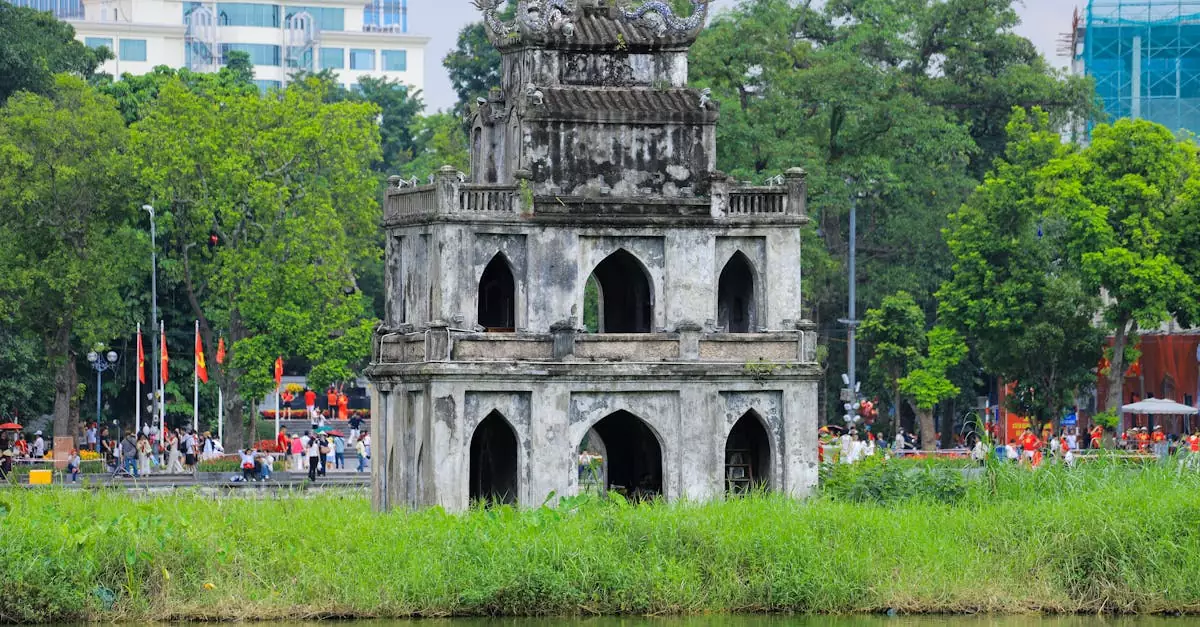
Vietnam’s two largest cities offer distinct yet equally captivating experiences for travelers. Hanoi, the capital, embodies rich historical charm, while Ho Chi Minh City, formerly Saigon, pulses with modern, dynamic energy. Deciding which to prioritize or how to best experience both often depends on your travel style and interests. Understanding their unique atmospheres is key to planning your journey through these urban centers.
Hanoi’s Old Quarter: A Sensory Journey
Hanoi’s Old Quarter is a labyrinth of narrow streets, each historically dedicated to a specific trade, from silk to silver. This area is a feast for the senses, alive with the sounds of street vendors, the aroma of pho simmering, and the vibrant colors of traditional crafts. Navigating the quarter is best done on foot, allowing you to stumble upon hidden temples, bustling markets like Dong Xuan, and charming cafes.
Getting around the Old Quarter involves a mix of walking and very short taxi or Grab rides. Taxis are readily available, but agree on a fare beforehand or ensure the meter is used. Grab, Southeast Asia’s popular ride-hailing app, is also a convenient option for longer distances within the city. For a truly authentic experience, consider a cyclo ride, though be prepared to negotiate the price.
Ho Chi Minh City’s Bustling Districts: From District 1 to Beyond
Ho Chi Minh City, or HCMC, presents a stark contrast to Hanoi’s ancient allure. Its rapid modernization is evident in sleek skyscrapers and wide boulevards, particularly in District 1, the city’s commercial heart. Here, you’ll find colonial architecture alongside contemporary shopping malls and a lively nightlife scene. Beyond District 1, exploring districts like District 3 reveals local neighborhoods with their own unique character and culinary offerings.
Transportation in HCMC is dominated by motorbikes, creating a constant flow of traffic that can be both exhilarating and overwhelming. While renting a motorbike is an option for experienced riders, it’s often safer for visitors to rely on taxis, ride-sharing apps like Grab, or local buses. For a unique perspective, a guided motorbike tour can offer an exciting way to see the city.
Street Food Adventures in Hanoi and Ho Chi Minh City
Both Hanoi and Ho Chi Minh City are renowned for their incredible street food scenes, offering a delicious and affordable way to experience Vietnamese cuisine. Hanoi is the birthplace of iconic dishes like pho (noodle soup) and bun cha (grilled pork with noodles), often enjoyed at humble sidewalk eateries. The Old Quarter is particularly famous for its food stalls, where you can sample a variety of local specialties.
Ho Chi Minh City’s street food scene is equally diverse, with influences from across Vietnam and beyond. Southern Vietnamese specialties like banh xeo (crispy pancakes) and com tam (broken rice) are readily available. The city’s food markets, such as Ben Thanh Market, are excellent places to sample a wide range of local delicacies.
Here’s a quick comparison to help you choose:
| Feature | Hanoi | Ho Chi Minh City |
|---|---|---|
| Vibe | Historic, traditional, laid-back | Modern, energetic, fast-paced |
| Key Attractions | Old Quarter, Hoan Kiem Lake, Ho Chi Minh Mausoleum | War Remnants Museum, Notre Dame Cathedral, Ben Thanh Market |
| Food Focus | Pho, Bun Cha, Egg Coffee | Banh Mi, Com Tam, Banh Xeo |
| Transportation | Walking, Cyclo, Grab, Taxis | Grab, Taxis, Buses, Motorbike taxis |
| Best For | History buffs, culture enthusiasts | Shoppers, nightlife seekers, those seeking modernity |
When planning your visit, consider that both cities experience hot and humid weather for much of the year. The dry season, from November to April, generally offers more comfortable temperatures. Budget travelers will find both cities very affordable, especially when dining on street food. For a deeper dive into Vietnamese culture, exploring these two urban hubs provides a fantastic introduction to the country’s diverse offerings.
Vietnam’s Natural Wonders: From Karsts to Beaches
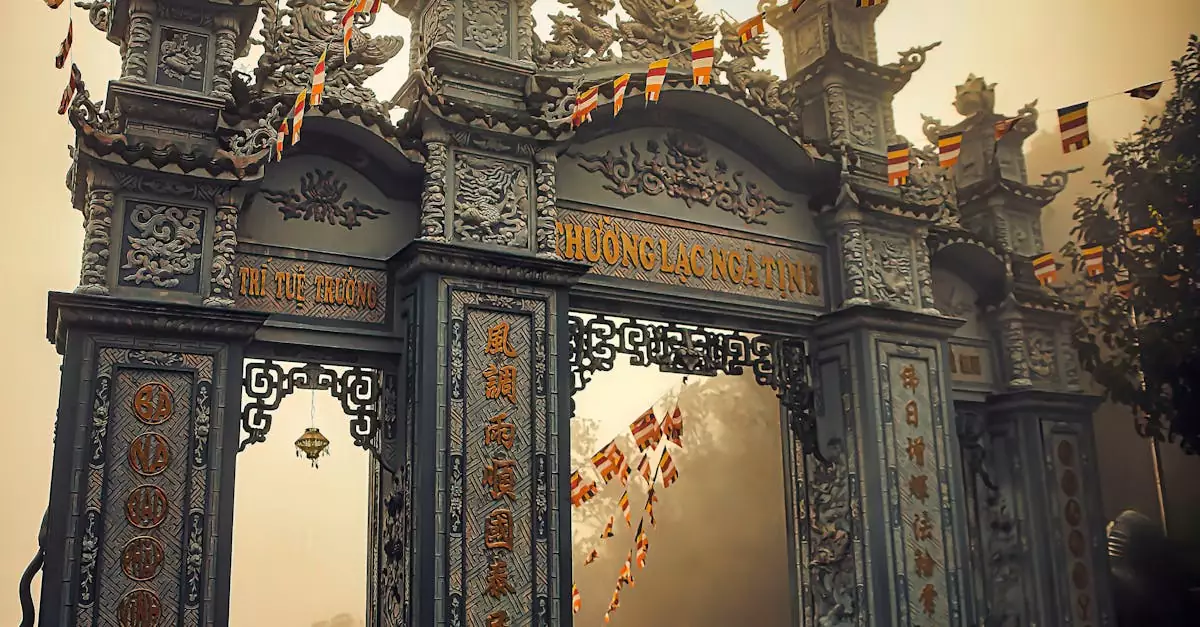
Vietnam’s diverse landscapes offer a breathtaking array of natural beauty, from the iconic limestone karsts of the north to the tropical islands in the south. Travelers seeking stunning scenery and unique aquatic experiences will find these regions particularly rewarding. Understanding the best places to visit in Vietnam often means looking to its most celebrated natural attractions.
Cruising Halong Bay’s Emerald Waters
A UNESCO World Heritage site, Halong Bay is perhaps Vietnam’s most recognizable natural wonder. Thousands of limestone karsts and islets rise dramatically from the emerald waters, creating a surreal and unforgettable seascape. Overnight cruises are the most popular way to experience the bay, offering a chance to explore hidden caves, kayak through lagoons, and witness spectacular sunsets over the water.
When planning your Halong Bay visit, consider the season. Spring (March-May) and autumn (September-November) generally offer pleasant weather with lower humidity and clearer skies. Summer can be hot and prone to typhoons, while winter can be cool and misty, though this can add to the mystical atmosphere. Most cruises depart from Halong City or Cat Ba Island.
Halong Bay Travel Tips:
- Duration: A 2-day/1-night cruise is common, but a 3-day/2-night option allows for deeper exploration.
- Budget: Prices vary significantly based on the cruise operator, boat type, and inclusions. Mid-range options typically cost $100-$200 per person for a 2-day trip.
- Activities: Kayaking, swimming, visiting fishing villages, and exploring caves like Sung Sot (Surprise Cave) are standard.
Exploring the Mekong Delta’s Waterways
The Mekong Delta, in southern Vietnam, presents a stark contrast to Halong Bay’s dramatic topography. This vast network of rivers, canals, and swamps is the country’s agricultural heartland, teeming with life and vibrant local culture. Traveling by boat is essential here, offering a unique perspective on the daily lives of people who depend on the waterways.
Day trips from Ho Chi Minh City are possible, but spending a few days allows for a more immersive experience. You can visit floating markets like Cai Rang, where vendors sell produce from their boats, or explore smaller canals lined with fruit orchards and traditional villages. Consider a homestay for an authentic cultural exchange.
The best time to visit the Mekong Delta is during the dry season, from December to April, when water levels are suitable for boat travel and the weather is warm and sunny. The wet season (May-November) brings heavier rains but also lush greenery and fewer crowds.
Phu Quoc Island: Vietnam’s Tropical Paradise
For those seeking sun, sand, and relaxation, Phu Quoc Island offers Vietnam’s premier beach destination. Located in the Gulf of Thailand, this island boasts long stretches of white sand beaches, clear turquoise waters, and lush tropical forests. It’s an ideal escape for unwinding after a busy itinerary through the country’s cities and historical sites.
Phu Quoc has developed significantly in recent years, with a range of accommodations from budget guesthouses to luxury resorts. Popular beaches include Long Beach (Bai Truong) on the west coast, known for its sunsets, and Sao Beach (Bai Sao) on the southeast, famed for its pristine beauty. Beyond the beaches, explore national parks, pepper plantations, and fish sauce factories.
The dry season, from November to April, is the most popular time to visit Phu Quoc, offering sunny days and calm seas. The shoulder months can also be pleasant with fewer tourists. While the island is accessible by ferry from mainland cities like Ha Tien or Rach Gia, a direct flight from Hanoi or Ho Chi Minh City is the most convenient option. This region offers a different kind of Vietnamese experience, a stark contrast to the bustling cities and verdant mountains elsewhere in Asia.
Immersive Cultural Experiences in Vietnam’s Hidden Gems
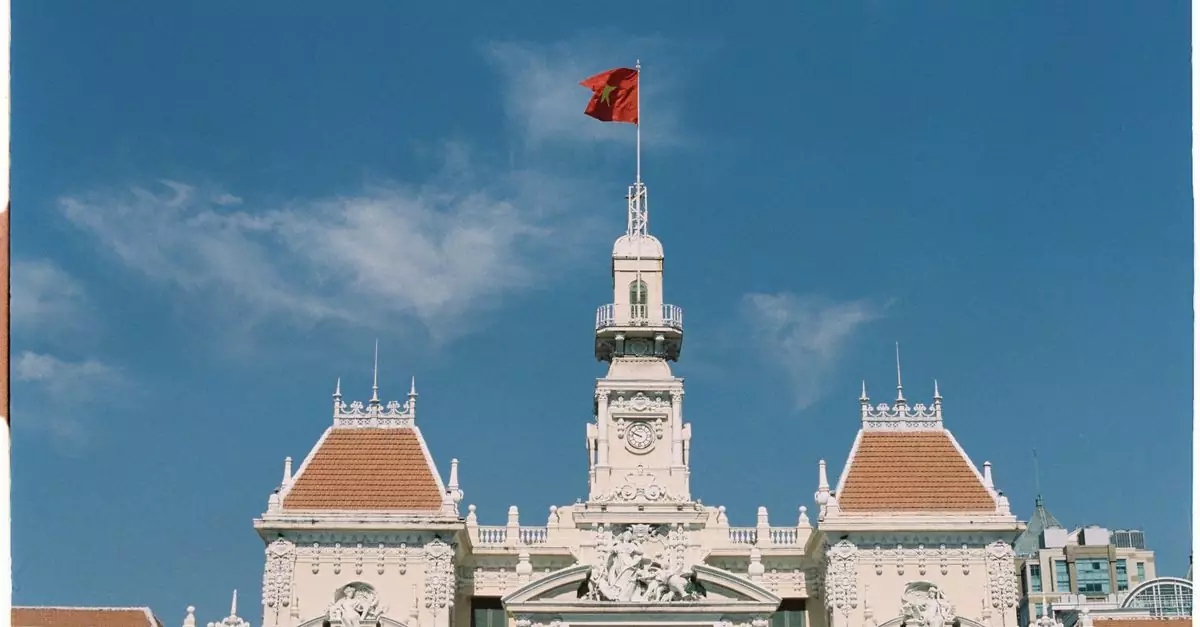
Beyond the bustling metropolises, Vietnam offers a tapestry of cultural experiences waiting to be uncovered. These destinations provide a deeper understanding of the country’s rich history and vibrant traditions.
Hoi An’s Ancient Town: Lanterns and Tailoring
Hoi An’s Ancient Town, a UNESCO World Heritage site, transports visitors back in time. Its well-preserved architecture showcases a unique blend of Vietnamese, Chinese, Japanese, and European influences. The town truly comes alive at night when thousands of colorful silk lanterns illuminate the narrow streets and the Thu Bon River.
For travelers interested in unique souvenirs, Hoi An is renowned for its skilled tailors. You can have custom-made clothing, from suits to dresses, created within 24-48 hours. It’s advisable to visit a tailor early in your stay to allow ample time for fittings.
Logistics in Hoi An:
- Getting Around: The Ancient Town is best explored on foot or by bicycle. Motorbikes are restricted in the core historic area.
- Best Time to Visit: February to April offers pleasant weather with less rain and moderate temperatures. The full moon festival, held monthly, is particularly magical for lantern viewing.
- Budget Tip: While many tailor shops exist, prices can vary. Do some window shopping and compare before committing.
Hue’s Imperial Citadel: A Glimpse into Vietnam’s Past
Hue, the former imperial capital of Vietnam, is steeped in history. The sprawling Imperial Citadel, a vast complex of palaces, temples, and walls, was once the seat of the Nguyen Dynasty. Walking through its gates feels like stepping onto the set of a historical drama.
Beyond the Citadel, the Perfume River offers scenic boat trips to the ornate royal tombs scattered along its banks. These tombs, like the Tomb of Khai Dinh and the Tomb of Minh Mang, are architectural marvels reflecting the emperors’ personalities and artistic tastes.
Cultural Insights in Hue:
- Transportation: Taxis and ride-sharing apps are readily available for getting to and from the Citadel and tomb sites. Hiring a private car or motorbike for a day is also a popular option.
- Accommodation: Hue offers a range of options, from budget guesthouses to luxury hotels along the river.
- Local Cuisine: Don’t miss trying Hue’s specialties, such as Bun Bo Hue (spicy beef noodle soup) and Banh Beo (steamed rice cakes).
Dalat’s French Colonial Charm and Coffee Plantations
Nestled in the Central Highlands, Dalat offers a refreshing escape from the tropical heat. Known as the “City of Eternal Spring,” its cooler climate, pine forests, and French colonial architecture create a distinctly European atmosphere. Visitors can explore charming villas, the historic Dalat Railway Station, and the vibrant Dalat Market.
Dalat is also the heart of Vietnam’s coffee-growing region. A visit to a local coffee plantation provides insight into the cultivation and processing of some of the world’s finest beans, particularly the renowned Vietnamese robusta. Many tours include tastings, offering a delicious way to learn about local agriculture.
Dalat Travel Tips:
- Getting There: Dalat is accessible by bus or a short flight to Lien Khuong Airport (DLI) from major cities like Ho Chi Minh City and Hanoi.
- Activities: Beyond coffee tours, popular activities include visiting the Crazy House, exploring waterfalls like Datanla, and canyoning.
- Best Season: The dry season, from December to June, is ideal for outdoor activities and enjoying the pleasant weather.
Frequently Asked Questions About Visiting Vietnam
What is the safest way to travel in Vietnam?
Vietnam is generally a safe country for travelers. Petty crime, like pickpocketing, can occur in crowded tourist areas, so staying aware of your surroundings is key. For transportation, using reputable ride-sharing apps like Grab (which combines cars and motorbikes) offers transparency and fixed pricing. When booking tours or transport, stick to well-established companies or book through your accommodation to avoid scams. Always keep copies of your passport and visa separate from the originals.
How much does a trip to Vietnam typically cost?
Vietnam offers excellent value for money, making it an attractive destination for budget-conscious travelers. Daily expenses can range from $30 to $60 USD per person, depending on your travel style. This typically covers accommodation in guesthouses or budget hotels, local street food or inexpensive restaurant meals, and local transportation. Mid-range travelers might spend $70 to $120 USD per day, allowing for more comfortable hotels, a wider dining selection, and occasional private tours or activities. Luxury options are also available but are significantly less common than in some other Southeast Asian destinations.
Here’s a general breakdown of daily costs:
| Category | Budget Traveler (USD) | Mid-Range Traveler (USD) |
|---|---|---|
| Accommodation | $10 – $20 | $30 – $60 |
| Food | $10 – $15 | $20 – $30 |
| Transportation | $5 – $10 | $10 – $20 |
| Activities/Tours | $5 – $15 | $10 – $30 |
| Total Daily | $30 – $60 | $70 – $140 |
These figures exclude international flights and visa costs. Prices can fluctuate based on the region within Vietnam and the time of year.
What are the essential items to pack for Vietnam?
Packing for Vietnam depends heavily on the season and regions you plan to visit, but some items are universally useful. Lightweight, breathable clothing is crucial due to the often-humid climate. Consider packing quick-drying fabrics.
Key items include:
- Lightweight clothing: T-shirts, shorts, skirts, light trousers.
- Rain gear: A lightweight, packable rain jacket or poncho is essential, especially during the monsoon season.
- Comfortable walking shoes: You’ll be doing a lot of walking, whether in cities or exploring natural landscapes.
- Sun protection: Sunscreen, a wide-brimmed hat, and sunglasses.
- Insect repellent: Especially important for rural areas and evenings.
- Travel adapter: Vietnam uses Type A, C, and F sockets.
- Reusable water bottle: To stay hydrated and reduce plastic waste.
- Small backpack or day bag: For carrying essentials during daily excursions.
- Modest clothing: For visiting temples and pagodas, pack items that cover your shoulders and knees.
