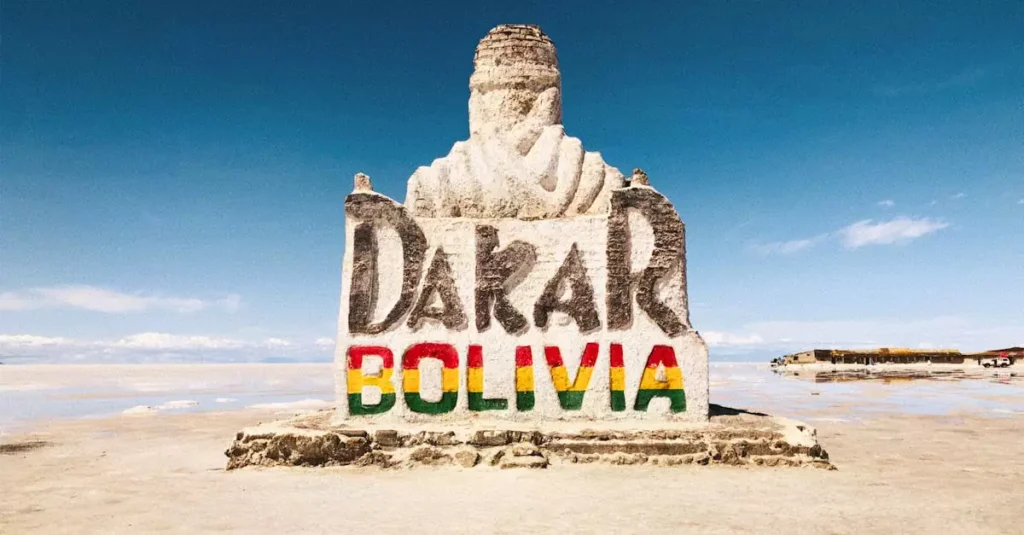
Getting ready for a trip to the breathtaking salt flats of Uyuni means thinking through the practical details. Money management sits near the top of that list. Understanding what you’ll actually pay when exchanging currencythe uyuni currency exchange costcan save you considerable money and hassle. This guide walks you through the financial landscape of this remote Bolivian destination. You’ll navigate transactions confidently and avoid those unwelcome budget surprises that catch many travelers off guard.
Currency exchange in a foreign country can feel overwhelming, especially somewhere as isolated as Uyuni. The good news? Breaking down your options makes everything clearer. You’ll discover where to swap your money, what fees to expect, and how to lock in the best possible rates. Our aim here is straightforward: help you manage your travel funds without stress or confusion.
From local currency basics to ATM accessibility, this resource covers the full spectrum. You’ll weigh the strengths and weaknesses of different exchange methods. By the time you finish reading, you’ll feel genuinely confident handling your finances while exploring the wonders of Uyuni, Bolivia.
Understanding the Bolivian Boliviano (BOB)
Before you arrive in Uyuni, get familiar with Bolivia’s currency. The Bolivian Bolivianoabbreviated as BOB, with the symbol Bs.has remained remarkably stable for years. Banknotes come in denominations of Bs.10, Bs.20, Bs.50, Bs.100, and Bs.200. Coins exist in 10, 20, and 50 centavos, plus Bs.1, Bs.2, and Bs.5 pieces. Check the current exchange rate before you depart. This gives you a realistic sense of your purchasing power. For deeper context on the currency’s background and valuation, the Wikipedia page on the Bolivian Boliviano offers comprehensive details.
Within South America, the Boliviano ranks as a relatively strong currency. Its value against major currencies like the US dollar or euro does fluctuate, though. Always exchange money through official channelsthis shields you from counterfeit bills. Street vendors might dangle slightly better rates, but the risk isn’t worth it. Small denominations prove invaluable in Uyuni. Many local shops and street vendors can’t break large bills like Bs.100 or Bs.200 notes. Keep a mix of smaller bills and coins available for everyday purchasestaxis, street food, and souvenirs often require exact change or small denominations.
You might encounter prices quoted in US dollars, particularly for major tours or high-end hotels. Paying in Bolivianos typically gets you a better rate, though. Always confirm which currency you’re actually using before you hand over money. This prevents confusion and ensures smooth transactions. A solid grasp of the BOB helps you budget more effectively and makes every transaction throughout your journey feel less uncertain.
Where to Find the Best Uyuni Currency Exchange Cost
Securing the best uyuni currency exchange cost deserves serious attention. Uyuni presents several avenues for exchanging money, each with distinct trade-offs. Banks, ‘casas de cambio’ (exchange houses), and ATMs make up your primary options. Banks deliver secure transactions and competitive rates, though their hours tend to be restrictive and lines can get long. Banco Unin operates as one of the more common banks in town. Bring your passportit’s mandatory for any bank transaction in Bolivia.
Exchange houses fill a different niche. These specialized businesses focus entirely on currency conversion and typically maintain more flexible hours than banks. Rates can be quite competitive, sometimes even surpassing what banks offer. Shop around at a few different casas de cambio to ensure you’re getting maximum value. Established exchange houses are your safest bet; avoid unofficial street exchangers who pose serious fraud and counterfeit risks. Count your money before leaving the counter and verify it matches your receipt. This simple habit prevents headaches.
ATMs dot Uyuni’s landscape, offering genuine convenience. You can withdraw local currency directly without visiting a physical office. The catch? Fees accumulate quickly. Your home bank typically charges a foreign transaction fee, while the local Bolivian bank operating the ATM adds its own withdrawal fee. These charges vary by institution, so check with your bank before departure. Many ATMs impose daily withdrawal limits, sometimes forcing you into multiple transactions that rack up additional fees. Always use ATMs inside banks or in well-lit, secure locations. Notify your bank of your travel dates beforehand to prevent your card from getting blocked due to unusual activity.

Uyuni Money Exchange Fees: Banks vs. Casas de Cambio vs. ATMs
Different exchange methods carry different fee structures, and these differences directly impact your total uyuni money exchange fees. Banks typically provide solid exchange rates with transparent fees. Some charge a modest commissioneither a flat fee or a percentage of your transaction. Ask about commissions upfront before proceeding. Bank rates update daily and reflect official market pricing, making them reliable for larger exchanges. The downside remains their limited hours and potential queues during peak tourist season.
Casas de cambio often quote slightly less favorable rates than banks, but their fees might be lower or nonexistent. They profit from the spread between their buying and selling rates, meaning their quoted rate already includes their service charge. Speed and convenience are major advantages; they typically beat banks on both fronts. Their extended hours appeal to travelers with unpredictable schedules. Compare the ‘buy’ ratethe rate at which they convert your foreign currency into Bolivianosacross multiple houses. A quick check of two or three options reveals the best deal. Don’t hesitate to walk away if a rate seems unfavorable. Your goal is maximizing your Bolivian bolivianos for the adventure ahead.
ATMs deliver unmatched convenience at a steeper price. Two types of fees hit you when using an ATM in Uyuni. Your home bank typically charges a foreign transaction fee (usually 1-3% of the withdrawal). The local Bolivian bank operating the ATM adds its own usage fee, ranging from Bs.15 to Bs.30 (roughly $2-$4 USD) per transaction. These charges compound if you make multiple small withdrawals. Minimize ATM fees by withdrawing larger amounts less frequently, reducing the number of local bank charges you incur. Balance this against security concernscarrying excessive cash creates its own risks. Many travelers find moderate withdrawals paired with cash-based purchases strike the right equilibrium.

Comparison of Currency Exchange Methods in Uyuni
Your choice of exchange method depends on what matters most to youconvenience, cost, or security. Banks, casas de cambio, and ATMs each offer distinct characteristics suited to different travel styles. This comparison helps you make a decision aligned with your priorities. Thinking through how much cash you’ll need and how frequently you’ll need it guides your selection.
Banks rank highest for security and often deliver the best official rates. The trade-off involves less flexibility with hours and potential waiting. Casas de cambio offer middle groundmore accommodating than banks with decent rates. ATMs win on convenience, available around the clock. However, multiple fees often make them the priciest option. For broader financial planning strategies, our travel budget guide provides additional money-saving insights. Thinking strategically about your financial approach before departure pays dividends.
For larger sums, banks emerge as the safest, most cost-effective choice. Daily smaller needs work well with casas de cambio or strategic ATM withdrawals. Carrying both cash and cards creates flexibility for any situation. Remote areas and small vendors often accept only cash. Having Bolivianos on hand ensures you’re never caught without payment options. This adaptability proves essential for smooth travel and respecting local payment preferences.
| Method | Pros | Cons | Typical Fees/Rates |
|---|---|---|---|
| Banks | Best official rates, high security, reliable. | Limited hours, potential queues, passport required. | Minimal or no commission (ask first). |
| Casas de Cambio | Flexible hours, often quick service, good rates. | Rates vary, less regulated than banks, check authenticity. | Profit from rate spread (rate includes fee). |
| ATMs | 24/7 access, convenient, direct local currency. | High fees (home bank + local bank), daily limits, security risks. | 1-3% foreign transaction + Bs.15-Bs.30 local fee per transaction. |
Pros and Cons of Different Uyuni Money Exchange Methods
Each exchange method presents its own set of advantages and drawbacks. Your personal prioritieswhether security, convenience, or cost matters mostshould guide your decision. Understanding the pros and cons of banks, exchange houses, and ATMs equips you to choose wisely for your uyuni money exchange fees bolivia guide.
Banks deliver several compelling advantages. Security stands out as the primary benefit. Official exchange rates tend to be favorable. You gain peace of mind knowing you’re dealing with a regulated institution. Downsides include restricted operating hourstypically weekdays only with lunch closuresand the likelihood of waiting in line, especially in smaller towns like Uyuni. A passport is required for every transaction, which can feel inconvenient if you prefer keeping it secured at your accommodation.
Casas de cambio offer their own distinct benefits and limitations. Flexibility ranks as a major strength. Extended hours, including weekends, and faster service than banks appeal to many travelers. Competitive rates sometimes match or beat bank offerings. On the downside, reliability varies across different exchange houses. You need to stay vigilant about checking rates and counting your money carefully. A slightly elevated risk of counterfeit currency exists with less scrupulous vendors. Stick with well-established exchange houses and ask locals for recommendations if you’re uncertain.
ATMs excel at convenience. Twenty-four-hour access means you can withdraw money whenever you need itinvaluable for late arrivals or sudden cash needs. The primary drawback involves accumulating fees. You typically pay your home bank plus the local Bolivian bank, and these charges eat into your budget quickly. Daily withdrawal limits can prove restrictive, forcing multiple transactions. Security deserves attention too. Use ATMs in well-lit, secure locations, ideally inside a bank. Stay aware of your surroundings when withdrawing cash to keep your money safe.
Practical Tips for Managing Money in Uyuni
Smart money management in Uyuni enhances your overall experience significantly. These practical tips minimize your uyuni currency exchange cost and protect your funds. Safety and convenience should drive your decisions. A little advance planning prevents common pitfalls and keeps your finances on track.
- Carry Small Denominations: Many small shops, market stalls, and street vendors in Uyuni cannot provide change for large bills (Bs.100 or Bs.200). Break larger notes at banks or bigger stores. This streamlines daily transactions considerably.
- Inform Your Bank: Contact your bank before departure to notify them of your Bolivia trip. This prevents your debit or credit cards from being flagged as suspicious. You’ll maintain uninterrupted access to your funds.
- Have a Backup Plan: Carry a secondary credit or debit card kept separate from your primary cards. This provides crucial backup if one card is lost, stolen, or blocked.
- Compare Exchange Rates: Never accept the first exchange rate you encounter. Check rates at multiple banks or casas de cambio. Small differences compound into meaningful savings over time.
- Use ATMs Wisely: Withdraw larger amounts less frequently to reduce transaction fees. Select ATMs inside banks or in secure, well-lit areas. Inspect the machine for skimmers before inserting your card.
- Prioritize Cash: While cards work in some larger establishments, cash dominates in Uyuni. Tours, smaller restaurants, and souvenir shops often accept only cash.
- Be Wary of Street Exchangers: Street exchangers offer tempting rates but carry substantial fraud and counterfeit risks. Stick exclusively to official channels.
- Budget for Contingencies: Set aside a small buffer for unexpected expenses. Medical emergencies, unforeseen tour costs, or personal treats become easier to handle with a cushion.
- Track Your Spending: Keep simple notes on your expenses. This helps you stay within budget and reveals where your money actually goes.
- Secure Your Valuables: Use a money belt or secure pouch for cash and cards. Avoid displaying large amounts of money publicly. Keep your wallet discreet.
Frequently Asked Questions About Uyuni Currency Exchange
These answers address common questions about money management and the uyuni money exchange fees bolivia guide. They’ll help you prepare thoroughly and ensure smooth financial transactions in Uyuni.
What is the best currency to bring to Uyuni?
US dollars (USD) work best. Banks and casas de cambio readily accept USD, and it typically commands the best exchange rates compared to other foreign currencies.
Are credit cards widely accepted in Uyuni?
Credit cards work at some larger hotels, tour agencies, and upscale restaurants. Many smaller businesses, local markets, and street vendors accept cash only. Always carry sufficient Bolivian Bolivianos.
How much cash should I carry in Uyuni?
Aim for Bs.200-Bs.300 per person daily for expenses, small purchases, and tour tips. This excludes major tour payments. Balance convenience with security when deciding how much to carry.
Are there ATMs in Uyuni, and are they safe?
Yes, Uyuni has several ATMs, primarily from Banco Unin. They’re generally safe, especially those inside bank branches or well-lit areas. Check your surroundings and inspect the machine before use.
Can I exchange money at the Uyuni airport?
Joya Andina Airport offers minimal services. Exchange a small amount in larger cities like La Paz or Santa Cruz before arriving. Alternatively, use a bank or casa de cambio in Uyuni town.
Conclusion: Navigating Your Uyuni Currency Exchange Cost
Managing your uyuni currency exchange cost effectively forms a cornerstone of planning your Bolivian adventure. Understanding local currency, comparing exchange methods, and applying practical tips ensures a financially smooth journey. Banks provide security, casas de cambio offer flexibility, and ATMs deliver convenienceeach has merit depending on your needs. Proper preparation helps you avoid unnecessary fees and focus on enjoying your trip. Remember that cash remains king in Uyuni, particularly for daily expenses and local interactions.
Security should always come first. Use reputable exchange services and stay aware of your surroundings. Carrying small denominations and maintaining a backup payment method represent smart strategies. With this comprehensive guide, you’re now equipped to make informed financial decisions. This frees your mind to appreciate the breathtaking landscapes of the Salar de Uyuni and Bolivia’s rich cultural heritage. Financial peace of mind matters just as much as your itinerary.
This detailed bolivia guide provides everything you need for a worry-free financial experience in Uyuni. Enjoy your travels, create lasting memories, and embark on your journey with confidence. A little advance planning makes all the difference. Safe travels to the incredible Uyuni, Bolivia!