The Salar de Uyuni draws adventurers from around the world, but before you book your flight, you’ll want to know: what does independent travel to this remote Bolivian salt flat actually cost? Many travelers dream of exploring the world’s largest salt flat on their own terms, drawn by those surreal white landscapes and mirror-like reflections. But figuring out your budget requires understanding more than just accommodation pricesit means weighing independent travel against organized tours, since that choice fundamentally shapes both your wallet and your experience.
The decision between hiring a guide and going solo extends far beyond dollars and cents. Your flexibility, safety, and how deeply you connect with the region all hinge on which path you choose. Tours lock you into a set itinerary and fixed price, but they handle the logistics. Self-travel hands you complete control, though it demands serious planning and realistic expectations about what you’ll spend. Breaking down each cost category gives you the clarity needed to decide what works best for your trip.
From getting there and finding a place to sleep to eating and exploring, every expense adds up differently depending on your approach. By looking at how the numbers stack up across transportation, lodging, food, and activities, you’ll know exactly what to expect. Whether you’re going it alone or joining a group, this breakdown helps you budget smartly for your journey across the Bolivian altiplano.
Why Travelers Are Drawn to Uyuni
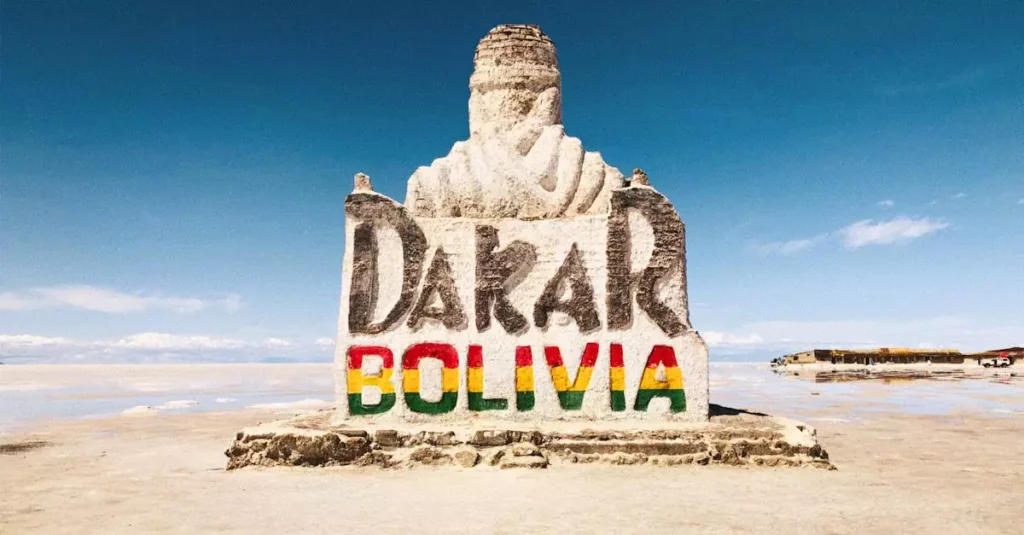
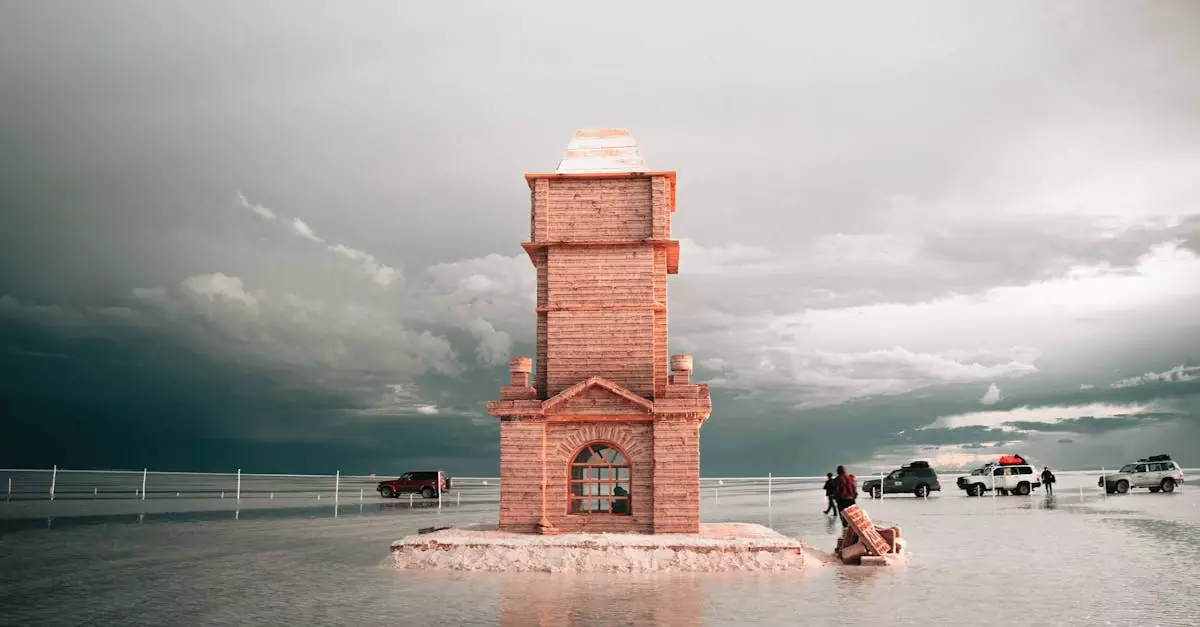
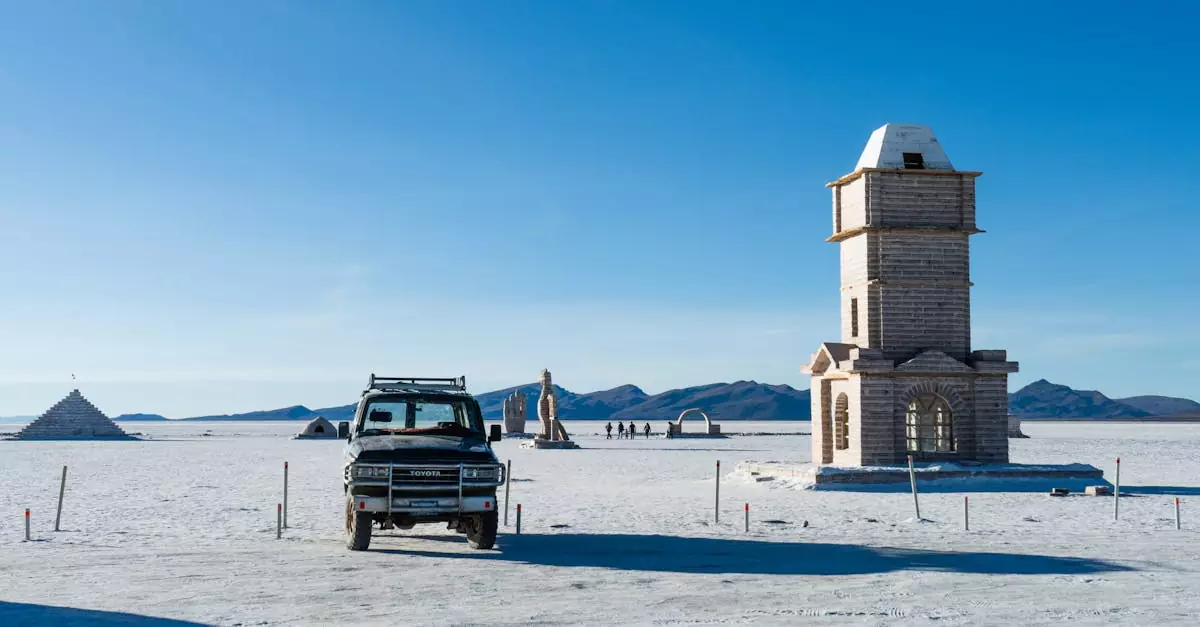
Nestled in southwest Bolivia, the small town of Uyuni serves as the gateway to an extraordinary natural spectacle. The Salar de Uyuni holds the title of the world’s largest salt flat, stretching across more than 10,000 square kilometers of blindingly white terrain. People come here for reasons that are as varied as they are compelling. The landscape plays tricks on your eyesthe sheer flatness creates optical illusions that challenge your sense of perspective. When rain falls seasonally, a thin layer of water transforms the entire salt flat into a giant mirror, perfectly reflecting the sky above and creating some of the most jaw-dropping photographs on Earth.
The region offers far more than just the salt flat itself. Incahuasi Island rises from the white expanse, a rocky island crowned with towering cacti that seem straight out of another world. Nearby, lagoons display striking colorsLaguna Colorada blazes with pink and red hues, home to thousands of flamingos. Geysers erupt from the earth, and natural hot springs offer a surreal bathing experience in the middle of nowhere. The train cemetery, filled with rusted locomotives from the 19th century, provides a haunting contrast to the natural beauty surrounding it. Each attraction tells a story of geology, history, and the raw power of nature.
What makes Uyuni truly magnetic is its ability to make you feel simultaneously isolated and connected. Photographers chase the perfect shot, adventurers seek the ultimate challenge, and nature lovers come for the raw, untamed beauty. The night sky here is so clear and dark that stargazing becomes almost meditative. The journey itself demands something from youhigh altitudes, rugged terrain, and conditions that test your limits. Before you pack your bags, though, understanding the financial side of getting there is essential, whether you’re planning independent travel or booking a guided tour.
Breaking Down Your Independent Travel Budget
When you travel independently to Uyuni, you’re responsible for managing each expense yourself. Unlike a package tour where everything comes bundled together, you’ll be making separate decisions about transport, where you sleep, what you eat, and how you explore. This approach demands careful attention to detail but rewards you with complete control over your spending. Let’s walk through the major budget categories you’ll encounter.
Getting to Uyuni from La Paz or Santa Cruz represents your first significant expense. Buses are the budget-conscious choice, running between 100 and 150 Bolivian Soles (roughly $15-$22 USD) from La Paz. If speed matters more than cost, flights will set you back $100-$200 USD one way but cut travel time dramatically. Once you arrive in town, getting around is straightforward and cheap. Local taxis cost just 10-15 BOB ($1.50-$2 USD), and you’ll likely spend most of your time on foot exploring the small town itself.
Sleeping arrangements vary based on your standards and location. Basic dorm beds in Uyuni hostels run 40-70 BOB ($6-$10 USD) per night, while private rooms in budget hotels cost 80-150 BOB ($12-$22 USD). Venturing outside town limits your options considerablysalt hotels exist but typically come as part of organized packages. Small village guesthouses offer similar pricing to town hostels but require advance booking and can be hard to find. Your accommodation choice significantly impacts your overall budget.
Food expenses depend on where and what you eat. Local markets and no-frills eateries serve meals for 15-30 BOB ($2-$4 USD), while restaurants catering to tourists charge 40-70 BOB ($6-$10 USD) per plate. If your accommodation has kitchen access, buying groceries and cooking saves money considerably. Don’t underestimate the importance of snacks and water, especially when you’re out exploringbudget roughly 50-80 BOB ($7-$12 USD) daily for food and beverages. Currency fluctuations happen, so carrying extra cash prevents budget surprises.
What Organized Tours Offer
Organized tours appeal to visitors who want someone else handling the complicated bits. These packages take the stress out of logistics, transportation, and accommodation hunting. A typical tour includes a 4×4 vehicle with driver, meals, basic lodging, and guided access to all the main attractions. For many travelers, this convenience justifies the upfront cost.
Most standard packages run three days and two nights, departing from Uyuni and covering the highlights: the salt flats themselves, Incahuasi Island, multiple lagoons, geysers, and hot springs. Your transportation within the tour area is handled completely. Meals come three times dailynothing fancy, but hearty and sufficient. You’ll typically sleep in basic hostels or unique salt hotels, adding character to your experience. Some operators throw in a visit to the train cemetery as well.
A standard 3-day, 2-night tour ranges from 800 to 1,500 BOB ($115-$220 USD) per person, though prices shift based on the operator, vehicle quality, and accommodation type. Private tours cost considerably more$500-$1,000 USD for a groupbut offer greater flexibility and comfort. Always verify exactly what’s included before handing over money. Many tours exclude national park entrance fees and hot spring access, which means additional cash payments at the gate.
The real value of a tour lies in your guide’s expertise. They know which routes work best, where the light hits perfectly for photos, and the stories behind what you’re seeing. Safety matters tooexperienced drivers navigate the challenging terrain confidently, reducing risks that come with self-driving in remote areas. For travelers who prefer structure and less hassle, an organized tour often makes the most sense.
Independent Travel Versus Guided Tours: A Side-by-Side Look
Choosing between independent travel and a guided tour shapes your entire Uyuni experience. The comparison reveals significant differences in budget, flexibility, and what you get from your time there. Independent travel grants freedom but demands substantial effort. Tours provide structure at a set price. Understanding the financial and practical aspects of each helps you make the right choice for your situation.
Going independent means you own every decision and every problem. Transportation, accommodation, mealsyou arrange it all. The biggest hurdle for independent travelers is accessing the salt flats themselves. You can’t simply walk or bike across thousands of square kilometers of white emptiness. Renting a 4×4 vehicle is possible but expensive and risky if you’re not experienced. Daily 4×4 rentals run $100-$200 USD, not counting fuel. Hiring a private driver for a day trip costs $150-$250 USD. If you find other travelers to split costs with, the per-person expense drops significantly. This variability makes independent travel budgeting tricky.
Tours bundle everything into one pricethe 4×4, driver-guide, meals, and accommodation all together. While a tour’s upfront cost might seem steep, it often compares favorably to adding up individual independent expenses. The logistical headaches and hidden costs of self-planningvehicle issues, getting lost, unexpected delayscan quickly inflate your budget beyond a tour’s price. When you factor in everything, tours frequently work out similarly or even cheaper.
Local knowledge carries enormous value in such a remote, extreme environment. Tour guides understand the best routes, recognize weather patterns, and know safety protocols. Independent travelers miss this unless they hire a private guide separately, adding more cost. Tours also offer a social elementyou meet other adventurers, share experiences, and often form lasting friendships. This human connection enhances the journey in ways that numbers don’t capture. For more detailed budgeting guidance, explore our travel budget guide.
Comparison Table: Independent Travel vs. Organized Tour (3 Days/2 Nights)
| Feature | Independent Travel (Estimated) | Organized Tour (Estimated) |
|---|---|---|
| Accommodation (2 nights) | $24 – $44 USD (basic hostels) | Included (basic hostels/salt hotels) |
| Meals (3 days) | $21 – $36 USD (budget eateries) | Included (simple meals) |
| Transportation to Uyuni (round trip from La Paz) | $30 – $44 USD (bus) | $30 – $44 USD (bus, not included in tour price) |
| Transportation within Uyuni (to salt flats) | $150 – $250 USD (private driver/4×4 rental per day, split if group) | Included (4×4 with driver) |
| Entrance Fees (National Park, Incahuasi, Hot Springs) | $40 – $50 USD (approx.) | Often excluded, $40 – $50 USD (approx.) |
| Guide Services | Not included (can hire privately for extra cost) | Included (driver acts as guide) |
| Flexibility | High | Low (fixed itinerary) |
| Ease of Planning | Low (requires significant research) | High (all logistics handled) |
| **Total Estimated Cost (excluding travel to Uyuni)** | **$235 – $374 USD (per person, assuming 2-3 people sharing 4×4)** | **$115 – $220 USD (per person)** |
The table reveals an important reality: while independent travel promises freedom, the actual costs of accessing the main attractions can quickly surpass a tour’s price. Solo travelers face an especially steep bill just for vehicle access to the salt flats. When independent travelers pool resources, the per-person cost becomes more competitive, but coordination and finding compatible travel partners adds complexity.
The Upside and Downside of Going It Alone
Independent travel in Uyuni comes with distinct advantages and disadvantages worth weighing carefully. Your travel style and budget will heavily influence which approach suits you best. Thinking through these points prevents disappointment and helps you prepare realistically for what lies ahead.
Advantages of Independent Travel:
- Flexibility: You create your own schedule without compromise. Want to spend an extra day at a particular lagoon? Skip a planned attraction? Change direction entirely? Independent travel makes spontaneous decisions possible without disappointing a group or guide.
- Personalization: Tailor every aspect of your experience to match your specific interests. Spend more time photographing, exploring less-visited areas, or pursuing activities that matter to you personally.
- Cost Control: While not automatically cheaper, independent travel puts direct control over spending in your hands. You choose budget-friendly accommodation and food options, keeping expenses aligned with your limits.
- Authentic Connections: You have more opportunities to interact with locals outside the tour bubble. These unfiltered encounters often lead to deeper cultural understanding and genuine relationships.
- Personal Achievement: Successfully navigating a challenging region like Uyuni independently builds confidence and creates a travel story uniquely yours. The sense of accomplishment is real and lasting.
Disadvantages of Independent Travel:
- Logistical Complexity: Arranging transport to the salt flats presents serious obstacles. Public transport doesn’t reach there. Off-road driving requires experience and skills many travelers lack.
- Higher Costs for Solo Travelers: The expense of hiring a private driver or renting a 4×4 is substantial. Traveling alone means bearing the full cost yourself, making independent travel significantly more expensive for individuals.
- Safety Risks: The Uyuni region stretches vast and remote. Vehicle breakdowns, navigation errors, or getting lost poses real dangers. Emergency services are distant and difficult to reach.
- Language Challenges: Outside Uyuni town, English speakers are rare. Communication difficulties complicate problem-solving and can create frustrating situations.
- Missing Expert Knowledge: Without a guide, you lose access to historical context, cultural insights, and insider tips about the best photo locations. You also lack a local to help when unexpected issues arise.
- Accommodation Scarcity: Beyond Uyuni town, finding a place to sleep becomes genuinely difficult. Your options are extremely limited and basic, requiring far-advance planning.
Making Independent Travel Work: Practical Strategies
If you’re committed to independent travel in Uyuni, smart planning makes the difference between a smooth adventure and a frustrating ordeal. These practical strategies help you manage costs effectively and stay safe in this unique environment. Preparation separates successful independent travelers from those who struggle.
- Find Travel Partners: Exploring the salt flats independently becomes far more feasibleand affordablewhen you share a 4×4 and driver with other travelers. Hostels in Uyuni are ideal places to connect with people heading the same direction. Splitting costs dramatically reduces per-person expense.
- Arrange Your Driver Early: You’ll need an experienced 4×4 driverregular cars won’t work. Book well in advance, especially during peak season. Confirm exactly what their fee includes before committing.
- Bring Sufficient Cash: ATMs are scarce away from Uyuni town. Most vendors and drivers accept only cash, preferably Bolivian Soles. Carry enough to cover all planned expenses plus a buffer for emergencies.
- Dress for Extreme Conditions: Weather in Uyuni shifts rapidly and dramatically. Sunny, warm days turn into freezing nights. Pack layerswarm jacket, hat, gloves, and sunscreen are non-negotiable. Sunglasses protect against the intense glare reflecting off white salt.
- Manage Altitude Carefully: Uyuni sits above 3,600 meters elevation. Drink water constantly and take your first day or two slowly to acclimate and avoid altitude sickness.
- Stock Up on Supplies: Tours provide meals, but independent travelers must carry food and water. Once you leave Uyuni town, purchasing options virtually disappear.
- Download Offline Maps: Cell service is unreliable or nonexistent. Download maps before departing so you can navigate even without signal. This proves essential even with a driver.
- Learn Basic Spanish: While some tour operators speak English, independent interactions typically require Spanish. Basic phrases make communication smoother and more pleasant.
- Research Entrance Fees Ahead: National parks and attractions charge separate entrance fees, typically paid in cash at entry points. The Eduardo Avaroa Andean Fauna National Reserve fee is a significant one to budget for.
- Consider a Hybrid Approach: Travel independently to Uyuni town, then book a 1 or 2-day tour from there. This gives you some independence while still providing guided access to main attractions, balancing flexibility with convenience.
Frequently Asked Questions About Uyuni Travel
Is it safe to travel independently in Uyuni?
Independent travel in Uyuni, particularly to the salt flats, carries elevated risks. The landscape is remote and unforgiving. Navigation without local knowledge is difficult. Vehicle breakdowns happen, and help is far away. These factors make independent travel riskier than guided tours, though not impossible with proper preparation.
Can I rent a car and drive myself across the salt flats?
A regular rental car won’t work for the salt flatsyou need a 4×4 vehicle specifically. Even with a 4×4, self-driving is risky unless you have off-road experience. Hiring a local driver is strongly recommended. They know safe routes and can handle emergencies that might overwhelm an inexperienced driver.
What essential items should I pack for Uyuni?
Warm layers are criticalinclude a quality jacket, hat, and gloves. Sunscreen, sunglasses, and lip balm protect against intense sun and dry air. Bring plenty of water and snacks since options are limited once you leave town. A portable charger for your devices is also very useful.
Are there hidden costs I should budget for?
Yes. Entrance fees for national parks like Eduardo Avaroa Andean Fauna National Reserve, plus attractions like Incahuasi Island and hot springs, often aren’t included in tour prices or independent budgets. These are paid separately in cash at entry points. Factor in tipping your driver or guide as well.
What’s the ideal time to visit Salar de Uyuni for independent travelers?
The dry season (May to November) offers clear skies and expansive white landscapes. The rainy season (December to April) creates the famous mirror effect but makes roads more challenging. For more detailed seasonal information, check our guide on the best time to visit.
Making Your Final Decision
Choosing how to experience the Salar de Uyuni requires balancing cost, convenience, and your appetite for adventure. Independent travel demands meticulous planning and logistical problem-solving. It rewards you with complete freedom and a profound sense of accomplishment. However, the challenges are realtransportation complexity, safety concerns, and the need for local knowledge all complicate the journey.
Organized tours streamline everything, often proving more economical than independent travel when you account for all expenses. They eliminate logistical headaches, provide experienced guides, and ensure