Picture a landscape so surreal that the sky and earth become indistinguishable. Bolivia’s Salar de Uyuni delivers exactly that during the rainy season, transforming into the world’s largest natural mirror. Visitors travel from across the globe to experience this extraordinary phenomenon. If you’re considering this adventure, understanding what you’ll actually pay is essential for smart trip planning.
Multiple variables shape the cost of your Uyuni experience. Tour length matters. Group size affects pricing significantly. What’s included in your package varies by operator. The rainy season itself creates special conditions that tour companies must navigate carefully, balancing safety with maximizing those magical mirror moments.
This breakdown covers what you should realistically budget. You’ll discover typical expenses and those sneaky hidden costs that catch travelers off guard. By the end, you’ll have a solid grasp of uyuni rainy season tour pricing and what drives those numbers. Armed with this knowledge, you can make choices that align with both your budget and your travel dreams.
Unveiling the Uyuni Rainy Season Tour Price
Costs for uyuni rainy season tours fluctuate based on numerous factors. Duration is one of the biggest variablesmost tours span one to three days, with longer trips naturally commanding higher prices. You’ll also need to decide between joining a group or booking privately. Group tours keep costs down, while private experiences offer personalized attention at a steeper price point.
A typical 3-day, 2-night group tour during rainy season runs between $200 and $350 USD per person, generally covering transportation, basic lodging, and meals. Shorter 1-day tours focusing on the mirror effect typically cost $80 to $150 USD. These figures shift with demand and operator pricing strategies. The rainy season stretches from roughly December through Aprilprecisely when the mirror effect appears most reliably. This peak period for viewing also means peak pricing for uyuni rainy season tours.
Most operators rely on 4×4 vehicles to safely navigate the sometimes-flooded terrain. Fuel consumption and vehicle upkeep factor into your final bill. Guide fees and national park entrance permits are standard inclusions. Before committing, verify exactly what your chosen package covers. Some operators provide basic rooms; others offer upgraded accommodations. These distinctions directly impact what you’ll spend. Taking time to compare these specifics prevents budget surprises down the road.
The Allure of the Uyuni Mirror Effect Tour Cost During Rainy Season
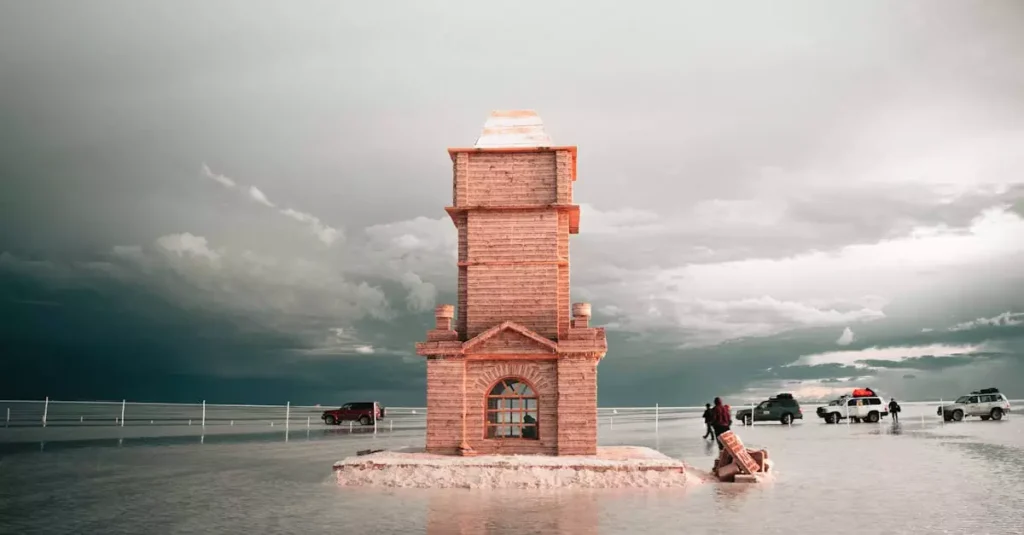
The mirror effect is what draws most visitors during these wet months. When a thin water layer blankets the salt flats, it creates a perfect reflection of the sky above. The uyuni mirror effect tour cost during rainy season tends to run higher than dry season alternatives, reflecting both increased visitor demand and the specialized logistics required to operate safely.
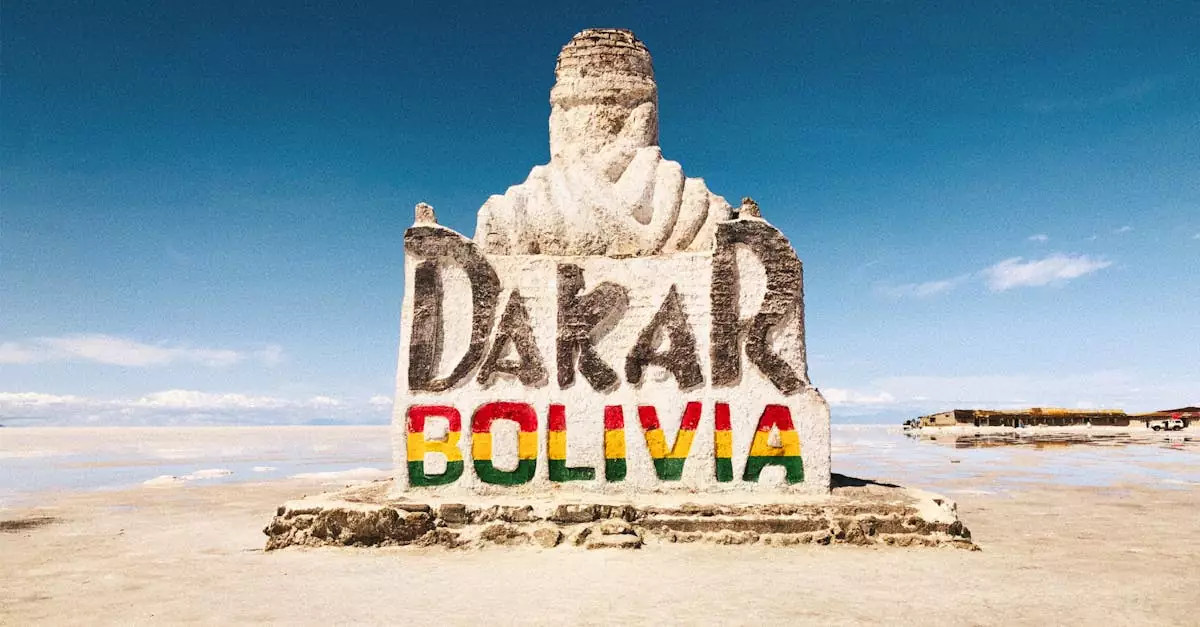
Operating during wet months demands heightened precautions from tour companies. Roads become muddy or submerged. Experienced drivers and well-serviced vehicles become non-negotiable. Certain areas may be completely inaccessible due to standing water. Operators constantly scout for the best mirror-effect locations, adjusting routes on the fly. This expertise and flexibility add to your uyuni mirror effect tour cost during rainy season, but it’s what ensures you actually get those stunning views.
Peak demand hits between January and March, when mirror conditions are most favorable. Booking ahead during these months is strongly recommendedlast-minute reservations often cost more or aren’t available at all. The photographic possibilities also fuel this popularity. Many travelers hire professional photographers to capture the experience. That’s an additional expense, though most consider it money well spent for truly exceptional images. Ask your tour operator if photography support is included. Some premium packages offer this service, making the uyuni mirror effect tour cost rainy season feel like a solid investment.
Factors Influencing Your Uyuni Rainy Season Tour Price
Several key elements determine what you’ll ultimately pay. Tour duration stands out as a primary cost driver. One-day tours are the cheapest option, staying focused on the salt flats themselves. Three-day versions venture into surrounding desert regions, visiting colored lagoons and geysers. Extended tours mean additional accommodation nights and greater fuel consumption, naturally pushing up the uyuni rainy season tour price.
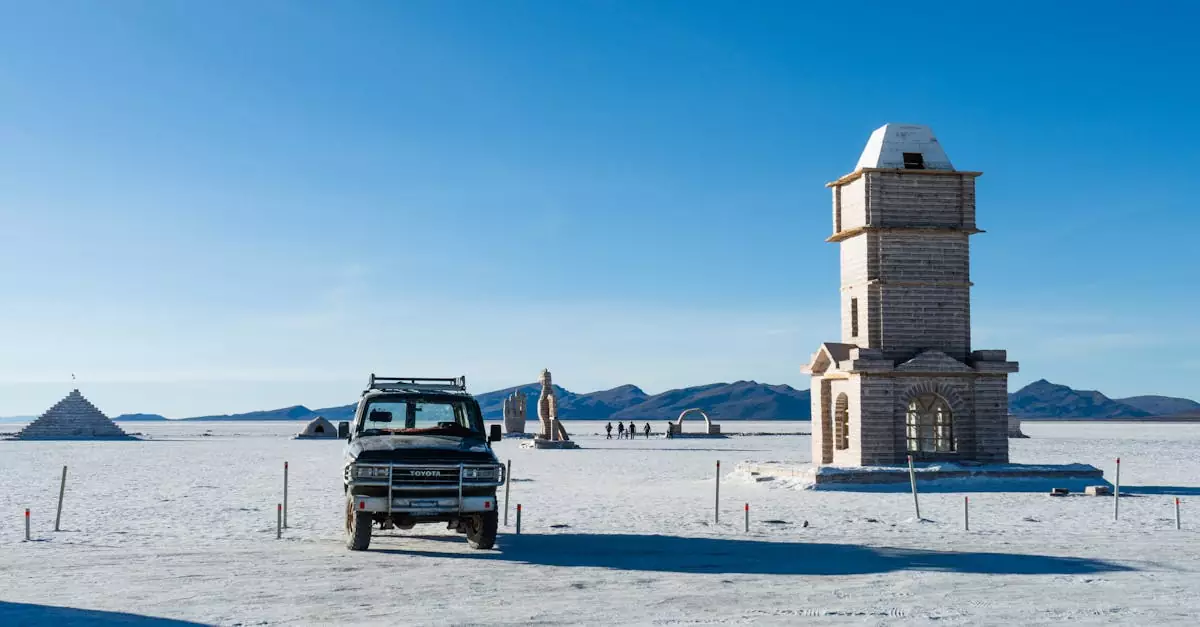
Choosing between group and private tours dramatically impacts your wallet. Group tours cram 6-7 people into a single 4×4, making them the most economical choice. Private tours give you exclusive vehicle and guide access, allowing complete itinerary customization. That freedom comes at a premiuma private 3-day tour might run $800 to $1500 USD for the entire vehicle, not per person. That’s substantially pricier than splitting a group tour cost.
Package inclusions vary considerably between operators. Most cover basic meals and simple rooms. Higher-end options provide better food quality and more comfortable sleeping arrangements. National park entrance fees, like those for the Eduardo Avaroa Andean Fauna National Reserve, sometimes cost extratypically around 150 Bolivian Soles (roughly $22 USD). Always ask whether these are bundled in. Hot springs access, snacks, and souvenirs rarely come included. Bring sufficient local currency for these extras. This attention to detail helps you accurately forecast your total uyuni rainy season tour price.
Detailed Comparison: Uyuni Tour Options and Their Costs
Selecting the right tour means balancing expense against experience quality. Here’s how common rainy season options stack up. Group tours appeal to solo travelers and small parties seeking social interaction. Private tours suit families or those wanting complete privacy. Duration significantly influences your total outlay.
A 1-day tour concentrates on salt flats and mirror effect viewingthe most budget-conscious option. You’ll typically depart early morning and return late afternoon. This works well if time is limited. A 3-day tour provides comprehensive regional exploration, covering salt flats, colored lagoons, the stone tree, and hot springs. You’ll sleep two nights and experience far more landscape diversity. This extended experience naturally increases the uyuni rainy season tour price.
| Tour Type | Duration | Typical Price Range (USD per person) | Key Inclusions | Pros | Cons |
|---|---|---|---|---|---|
| Group Tour | 1 Day | $80 – $150 | Transport, guide, basic lunch | Budget-friendly, quick | Limited scope, less flexibility |
| Group Tour | 3 Days / 2 Nights | $200 – $350 | Transport, guide, meals, basic accommodation | Comprehensive, social, good value | Fixed itinerary, basic comfort |
| Private Tour | 1 Day | $300 – $500 (per vehicle) | Private transport, guide, customized itinerary, lunch | Flexible, personalized, comfortable | Higher cost for solo/duo travelers |
| Private Tour | 3 Days / 2 Nights | $800 – $1500 (per vehicle) | Private transport, guide, customized itinerary, meals, accommodation | Ultimate flexibility, privacy, enhanced comfort | Significantly higher cost |
This comparison offers a clear snapshot of uyuni rainy season tour pricing across different formats. Match your budget and travel preferences to find your ideal fit. Prices vary between operators, so shopping around across several reputable companies makes sense. Always check reviews before booking anything.
Pros and Cons of Visiting Uyuni During the Rainy Season
The rainy season brings distinct advantages alongside some notable challenges. The biggest draw is undoubtedly the mirror effectthat stunning reflection that makes the sky and ground appear as one. It creates dreamlike photographs and an almost otherworldly walking experience. Dust storms are less frequent during wet months, meaning clearer skies, especially during sunrise and sunset. The reflected light creates genuinely unforgettable imagery. For many, this alone justifies the uyuni mirror effect tour cost during rainy season.
Drawbacks deserve consideration too. Accessibility becomes problematic at times. Certain salt flat areas may be too waterlogged to reach safely. Incahuasi Island, famous for its giant cacti, sometimes becomes inaccessible. Tour itineraries can change suddenly due to weather shifts. Rain is unpredictable in these regions. Downpours can cause delays or force route modifications, potentially affecting your experience. Remote area accommodations tend toward the basic side. Don’t count on reliable heating or hot water. Knowing this helps set realistic expectations.
Weather itself presents challenges. Daytime temperatures can be pleasant, but nights turn bitterly cold. Rain showers can arrive without warning. Waterproof gear becomes essential packing. Despite these obstacles, thousands visit for the mirror effect. For most, witnessing this natural spectacle outweighs the inconveniences. The flooded salt flats offer something completely different from dry season visits. Factor these considerations when deciding on your uyuni rainy season tour price budget.
Essential Tips for Securing Your Uyuni Mirror Effect Tour
Booking strategically ensures a better experience. Reserve early, particularly for January through March when demand peaks. Popular tours fill quickly during these months. Early bookings sometimes unlock better uyuni rainy season tour pricing, avoiding those last-minute rate increases.
Vet your tour operator carefully. Read reviews focusing on safety records and customer satisfaction. Ask about their rainy season experience specifically. Inquire into their vehicle conditions and guide qualifications. Confirm they carry appropriate insurance. Transparent operators explain exactly what’s included and discuss potential weather-related itinerary changes upfront. This research prevents disappointment and ensures you get genuine value from your uyuni mirror effect tour cost during rainy season.
Pack strategically for wet conditions. Waterproof jackets and pants are non-negotiable. Waterproof footwear handles muddy, wet terrain. Layering is crucial since temperatures swing dramatically. Sunscreen, sunglasses, and a wide-brimmed hat protect against intense sun reflection off the salt. A portable battery pack keeps your electronics charged in areas without power outlets. Cash is essentialmany remote locations don’t accept cards. National park fees and personal expenses require local currency. For broader travel planning insights, check our guide on the best time to visit various destinations.
Budgeting for Your Salar de Uyuni Adventure: Beyond the Tour Price
Your uyuni rainy season tour price covers the main experience, but other expenses accumulate. Getting to and from Uyuni adds significant costs. Most travelers fly into La Paz or Santa Cruz, then bus or fly onward to Uyuni. Flights prove expensive; buses are cheaper but take longer. A La Paz to Uyuni bus ticket runs $20-$40 USD. A domestic flight might cost $80-$150 USD. These transport costs form a substantial portion of your overall budget.
Pre and post-tour accommodation in Uyuni town requires budgeting. The town offers hostels and hotels ranging from $15 USD for basic hostel beds to $80+ USD for nicer rooms. Booking ahead, especially during peak season, prevents last-minute scrambling. Meals outside your tour package need accounting for too. Local restaurants offer affordable options around $5-$15 USD per meal. For detailed expense management strategies, explore our travel budget guide.
Miscellaneous spending adds up quickly. Snacks, beverages, souvenirs, and guide tips aren’t trivial. Having small Bolivian currency denominations on hand helps. Attractions outside your tour package often charge separately. The Eduardo Avaroa Andean Fauna National Reserve entrance typically costs around 150 Bolivian Soles. Hot springs entry might add another 6 Bolivian Soles. The train cemetery is often free. These small charges accumulate. Being prepared for these extras prevents stress and helps you accurately forecast your total uyuni rainy season tour price.
FAQs About Uyuni Rainy Season Tours
Is the Uyuni mirror effect guaranteed during the rainy season?
No guarantee exists for the mirror effect. It depends on recent rainfall patterns and calm weather conditions. While the rainy season (December to April) offers the best odds, nature remains unpredictable. Some days might be too dry, too windy, or have excessive water for ideal reflections.
What is the best month for the mirror effect in Uyuni?
January through March typically offer the most favorable conditions. This period usually features consistent rainfall, increasing the likelihood of water-covered salt flats. Good mirror conditions can occur anytime during the rainy season though.
Are tours safe during the rainy season?
Reputable operators prioritize visitor safety. They employ experienced drivers and maintain 4×4 vehicles properly. Routes adjust based on water levels and weather patterns. Choose companies with proven safety track records and positive reviews. Learn more about the region on Wikipedia’s Salar de Uyuni page.
What should I pack for a rainy season Uyuni tour?
Waterproof clothingjacket, pants, and shoesis essential. Layers handle temperature fluctuations. Sunscreen, sunglasses, a hat, and a power bank round out your packing list. Don’t forget your camera for capturing that stunning mirror effect.
Can I visit Incahuasi Island during the rainy season?
Access to Incahuasi Island can be restricted when water levels rise. High water might make vehicle passage impossible. Your tour operator will inform you if this applies and offer alternative viewpoints or itinerary adjustments.
Conclusion: Is the Rainy Season Uyuni Tour Worth the Investment?
Whether a rainy season Uyuni tour suits you depends on what matters most. The uyuni rainy season tour price may be slightly elevated due to seasonal demand and operational complexity. However, the opportunity to witness that world-famous mirror effect is genuinely unparalleled. This unique phenomenon delivers breathtaking photographic moments and memories that last lifetimes. For most travelers, the beauty of sky reflected on salt flats makes the investment absolutely worthwhile.
Unpredictable weather and potential itinerary changes present real challenges, but proper planning minimizes these risks. Working with a reputable operator, packing appropriately, and understanding all costs involved are critical steps. The uyuni mirror effect tour cost during rainy season grants access to one of Earth’s most surreal natural wonders. It promises an adventure you’ll remember forever.
Ultimately, a rainy season Salar de Uyuni trip transcends being just another tourit’s an immersion into pure natural artistry. If you’ve dreamed of watching the horizon vanish into a perfect sky reflection, then budgeting for the uyuni rainy season tour price represents a step toward that dream. Prepare yourself for an extraordinary experience where nature’s beauty takes absolute center stage.