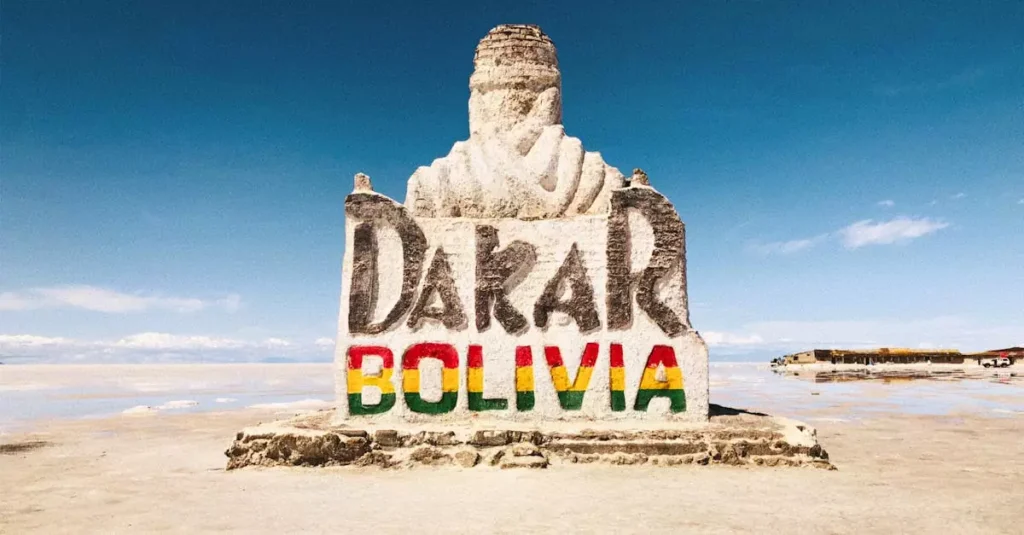
Bolivia’s Uyuni Salt Flats present a landscape unlike anything else on Earth. The sheer expanse of white draws visitors from every corner of the globe, each hoping to capture that perfect mirror-like reflection photo. But before you can experience this wonder, you need to figure out how to get thereand that means understanding uyuni transport cost. Getting to the salt flats involves multiple stages of travel, each with its own price point. Breaking down these costs helps you plan a realistic budget for your adventure.
Your journey to the Salar de Uyuni typically unfolds in two phases. First, you need to reach the town of Uyuni itself, which sits at the edge of the salt flats. You have several options here: buses from major cities, flights if you’re short on time, or even trains from certain routes. Once you arrive in town, the real exploration begins with a jeep tourthe only practical way to navigate the vast, featureless landscape. Each leg of the journey comes with different comfort levels and price tags, so knowing what to expect helps you make choices that align with both your budget and preferences.
This breakdown covers current pricing from local operators and experienced guides who work in the region. You’ll find real numbers for different transport methods, tour lengths, and what’s typically included in each package. The goal here is straightforward: give you the actual figures you need to plan confidently. Whether you’re backpacking on a shoestring or willing to splurge for comfort, understanding the full range of options means you can make decisions that work for your situation.
Getting to Uyuni: Your Travel Options and Costs
The journey to Uyuni town is your first major expense when planning this trip. You’re looking at several viable routes from Bolivia’s larger cities, and your choice here significantly impacts your overall uyuni transport cost. La Paz is the most common starting point, though travelers also depart from Santa Cruz, Potos, and Sucre depending on where they’re coming from.
Buses dominate the landscape of budget travel to Uyuni. From La Paz, you’re looking at 100-150 Bolivian Soles (BOB) for a ticket that’ll get you there in 9-12 hours. Many visitors opt for overnight buses, which saves you a night’s accommodationa smart move if your budget is tight. Coming from Sucre or Potos? Those routes are cheaper, running 30-70 BOB for journeys lasting 4-7 hours. Book ahead during peak season if you want to secure a seat, and consider companies like Todo Turismo if you’re willing to pay a bit more for added comfort.
Flying is the speed option. Amaszonas and Boliviana de Aviacin (BoA) operate routes to Joya Andina Airport (UYU), with one-way fares from La Paz ranging from 400-800 BOB. You’ll be airborne for roughly an hour, which is obviously faster than sitting on a bus for half a day. The trade-off? It costs significantly more, and weather delays or cancellations do happen, especially during rainy season. Weigh whether the time savings justify the expense for your particular trip.
Trains present another possibility, though they’re less convenient for many travelers. The route from Oruro to Uyuni exists, and if you’re coming from Villazn on the Argentine border, a train might make sense. The experience itself is memorable, but schedules can be unpredictable, and you’ll need to verify current timetables and pricing. Train tickets typically cost about the same or slightly more than buses, with the added benefit of a bit more comfort and space. Just remember you might need to factor in the cost of reaching Oruro first.
Uyuni Salt Flats Tour Costs: Jeep and Guide Expenses
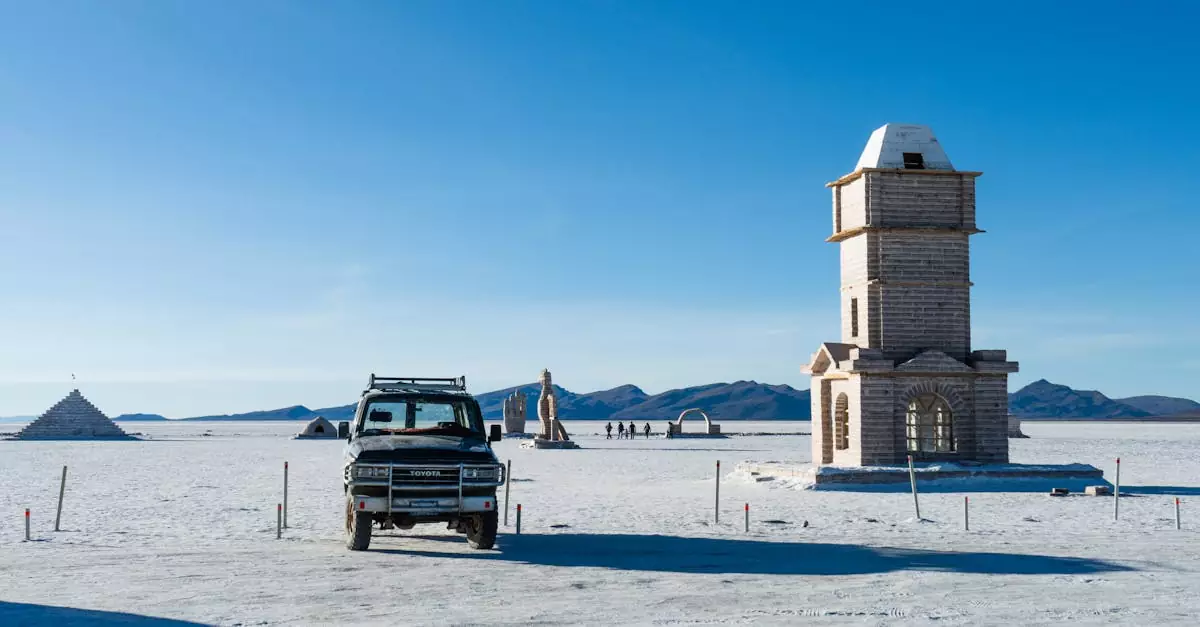
Once you’re in Uyuni town, the jeep tour becomes your primary expenseand where a meaningful chunk of your uyuni transport price gets spent. These tours use sturdy 4×4 vehicles (typically Toyota Land Cruisers) piloted by local guides who know the terrain intimately. What you pay depends largely on how many days you commit and what the package includes.
The 3-day, 2-night tour is the most sought-after option for good reason. You get the salt flats themselves, plus the colorful lagoons, geysers, and hot springs scattered across the southern region. Group tours (usually 6-7 people sharing a jeep) run 800-1,200 BOB per person. That price typically covers the jeep, your driver/guide, two nights of basic accommodation, and meals. But read the fine printpark entrance fees and hot spring access sometimes cost extra, potentially adding another 150-250 BOB to your total.
If time is your constraint, 1-day tours exist. These focus mainly on the salt flats proper, hitting highlights like Incahuasi Island and the train cemetery. Expect to pay 150-250 BOB per person for a group tour. Meals aren’t usually included, so bring snacks and water. You get the iconic salt flat experience, but you’ll miss the lagoons and volcanic landscapes further south. It’s a trade-off between cost and comprehensiveness.
Private tours cater to travelers who want more control over their experience. A private 3-day tour runs 4,000-6,000 BOB for the entire jeep, which you split among your group. The advantage? You customize your itinerary, choose better accommodations, and enjoy more space in the vehicle. If you’re traveling with friends, the per-person cost becomes reasonable. Just confirm whether an English-speaking guide is included, as that sometimes adds an extra charge.
Comparing Uyuni Tour Options: Prices and Inclusions
Selecting the right tour requires balancing what you can afford with what you actually want to experience. The standard offerings1-day, 2-day, and 3-day tourseach give you a different slice of the region and carry different uyuni transport cost implications. Knowing what distinguishes them helps you pick what fits your travel style.
A 1-day tour works if your schedule is tight or your wallet is tighter. You’ll see the main salt flat attractions: Incahuasi Island and the train cemetery. The price hovers around 150-250 BOB per person, usually covering just the jeep and driver. Bring your own food and water. You get a taste of the landscape, but you’re missing the spectacular southern lagoons and geysers that make the region so distinctive.
The 2-day option exists but isn’t as commonly booked. It typically covers the salt flats and some nearby lagoons, running 500-700 BOB per person. Transport, basic accommodation, and meals are included. It’s a middle grounddeeper than a 1-day rush but not as comprehensive as the full 3-day experience. Consider it if you have a couple of extra days but can’t commit to the full three.
The 3-day, 2-night tour is where most visitors land, and for good reason. You explore the salt flats, various colored lagoons, geysers, and hot springs in a single journey. Group tour pricing sits at 800-1,200 BOB per person, with jeep transport, an experienced driver/guide, two nights of accommodation, and all meals included. Park entrance fees (roughly 150 BOB) and hot spring fees (30 BOB) are usually separate. This tour delivers the best value and the most immersive experienceyou see the region’s diverse beauty without feeling rushed.
Comparison Table: Uyuni Tour Options
| Tour Type | Duration | Typical Cost (BOB/person) | Key Inclusions | Highlights |
|---|---|---|---|---|
| 1-Day Group Tour | ~10-12 hours | 150 – 250 | Jeep, Driver | Salt Flats, Incahuasi Island, Train Cemetery |
| 3-Day Group Tour | 3 days / 2 nights | 800 – 1,200 | Jeep, Driver/Guide, Accommodation, Meals | Salt Flats, Incahuasi Island, Lagoons, Geysers, Hot Springs |
| 3-Day Private Tour | 3 days / 2 nights | 4,000 – 6,000 (per jeep) | Jeep, Driver/Guide, Accommodation, Meals, Custom Itinerary | All 3-Day highlights, more flexibility, comfort |

Local Transport in Uyuni Town and Beyond
Beyond the jeep tours, you’ll need to move around Uyuni town itself. The good news? It’s small enough to walk most places. Hotels, restaurants, and tour agencies cluster in the central area, so your feet might be your best transport option. Still, understanding what’s available helps you manage your complete uyuni transport cost picture.
Taxis are cheap and plentiful. A ride within the town center runs 5-10 BOB. From the bus or train station to your hotel, budget 10-15 BOB. Always agree on a price before getting inthis prevents awkward negotiations at the end. If you need to reach the airport, which sits further out, expect to pay 30-50 BOB depending on negotiation and time of day.
Most accommodations are close enough to the bus and train stations that you can walk if you’re not weighed down with luggage. After a long journey, though, a short taxi ride feels worth it. Have some small BOB notes ready when you arrivethis smooths out your first interactions and ensures you’re not overpaying.
If you’re continuing into Chile or Argentina after your tour, cross-border transport often gets arranged through your tour operator. Many 3-day tours end at the Chilean border (Hito Cajn), where you can catch onward transport to San Pedro de Atacama. This next leg typically costs an additional 50-70 BOB. Always clarify these details with your operator so you know exactly what comes next.
Pros and Cons of Different Uyuni Transport Methods
Every transport option has strengths and weaknesses. Evaluating them honestly helps you choose what actually works for your situation. Your budget, available time, and comfort preferences all matter. Understanding these trade-offs directly shapes your overall uyuni transport cost and satisfaction.
Buses to Uyuni
- Pros: Most affordable option, widely available from major cities, overnight buses save accommodation costs, offers a local travel experience.
- Cons: Long travel times (9-12 hours from La Paz), can be uncomfortable on rough roads, basic facilities on some services, delays do happen.
Flights to Uyuni
- Pros: Fastest way to reach Uyuni (1 hour from La Paz), comfortable, saves significant travel time.
- Cons: Most expensive option, weather delays and cancellations occur, less frequent schedules, airport transfers add extra cost.
3-Day Salt Flats Jeep Tour (Group)
- Pros: Most comprehensive experience, good value for money, includes accommodation and meals, social atmosphere, covers diverse landscapes.
- Cons: Basic accommodation and food, fixed itinerary, limited personal space in jeep, shared bathroom facilities, potential language barrier with driver.
3-Day Salt Flats Jeep Tour (Private)
- Pros: Flexible itinerary, more comfort and space, choice of better accommodation, private guide, personalized experience.
- Cons: Significantly more expensive per person for small groups, still uses basic roads and facilities in remote areas, requires finding your own group.
1-Day Salt Flats Jeep Tour
- Pros: Cheapest tour option, ideal for short visits, focuses on main salt flat attractions.
- Cons: Rushed experience, misses many key attractions (lagoons, geysers), often does not include meals, less immersive.
Practical Tips for Managing Your Uyuni Transport Budget
Knowing the prices is one thing; actually saving money requires smart planning. A few strategic moves can stretch your budget further and improve your overall experience. Here’s how to manage your uyuni transport cost without cutting corners on what matters.
- Book in Advance for Flights and Premium Buses: If you’re flying or choosing a higher-end bus service, booking a few weeks ahead usually gets you better rates. Last-minute bookings tend to be pricier.
- Compare Tour Operators: Don’t settle for the first agency you find. Walk around town, compare prices and inclusions from multiple operators, and ask specific questions about what’s covered.
- Travel in a Group: For jeep tours, sharing a vehicle with 6-7 people significantly reduces per-person cost. If you’re traveling solo, agencies can connect you with other travelers to form a group.
- Bring Bolivian Soles (BOB): Most local transactions are cash-only. Have enough for entrance fees, hot springs, snacks, and tips. ATMs exist in Uyuni but can run out of cash.
- Pack Smart: Bring your own snacks and water for tours. While 3-day tours include meals, extra snacks prevent you from buying overpriced items at remote stops. A refillable water bottle is both eco-friendly and economical.
- Consider Off-Peak Season: Traveling during shoulder season (April-May, September-October) sometimes brings slightly lower tour and accommodation prices. Weather is generally pleasant too. For timing details, check our best time to visit guide.
- Negotiate (Respectfully): For taxis and sometimes tour prices, polite negotiation saves a few BOB. Avoid aggressive bargaining, especially for essential services.
- Factor in Hidden Costs: Budget for national park entrance fees, hot spring fees, and tips for your driver/guide. These often aren’t included in base tour prices. For a broader financial overview, review our travel budget guide.
- Check Reviews: Before booking any tour, read recent reviews online. A slightly cheaper tour might compromise on safety or service quality. Prioritize reputable agencies.
Frequently Asked Questions About Uyuni Transport
How much does it cost to get to Uyuni from La Paz by bus?
A bus ticket from La Paz to Uyuni typically costs between 100-150 Bolivian Soles (BOB). The journey takes approximately 9-12 hours. Overnight buses are a popular choice for this route.
What is the average uyuni transport cost for a 3-day salt flats tour?
For a group 3-day, 2-night salt flats tour, expect to pay 800-1,200 BOB per person. This usually includes jeep transport, a driver/guide, basic accommodation, and meals. Entrance fees are often extra.
Are flights to Uyuni expensive?
Yes, flights are the most expensive transport option to Uyuni. A one-way flight from La Paz can cost 400-800 BOB. While faster, it significantly increases your initial travel expenses.
Can I explore the Uyuni Salt Flats without a guided tour?
No, it is not recommended to explore the Uyuni Salt Flats without a guided tour. The vastness and lack of defined roads make it dangerous and easy to get lost. A 4×4 vehicle with an experienced local driver is essential.
What extra costs should I budget for during an Uyuni tour?
Beyond the tour price, budget for national park entrance fees (around 150 BOB), hot spring fees (30 BOB), snacks, water, and tips for your driver/guide. These can add 200-300 BOB per person to your total cost.
Conclusion: Budgeting for Your Uyuni Adventure
A trip to the Uyuni Salt Flats requires careful planning, but it’s absolutely doable on various budgets. Understanding uyuni transport cost across every stagefrom reaching the town to exploring the flatsis essential for a smooth journey. You’ve now seen the full range: buses offer budget-friendly routes, flights save time, and the various jeep tour options provide different levels of immersion and comfort.
Most travelers find the 3-day jeep tour offers the best balance of cost and experience. It covers the landscape comprehensively without breaking the bank. Buses are your friend if you’re watching your spending, while flights make sense if time is your scarcest resource. Don’t forget those additional expensespark fees, hot springs, snacks, and tips add up, so build them into your budget from the start.
With the right planning and these guidelines in hand, you can manage your transport expenses effectively. You’ll have the resources and knowledge to make this journey happen. The Uyuni Salt Flats truly rank among Earth’s most extraordinary landscapes, and the effort you put into planning now will pay off when you’re standing on that endless white expanse. Start preparing, compare your options carefully, and get ready for an adventure you won’t forget.