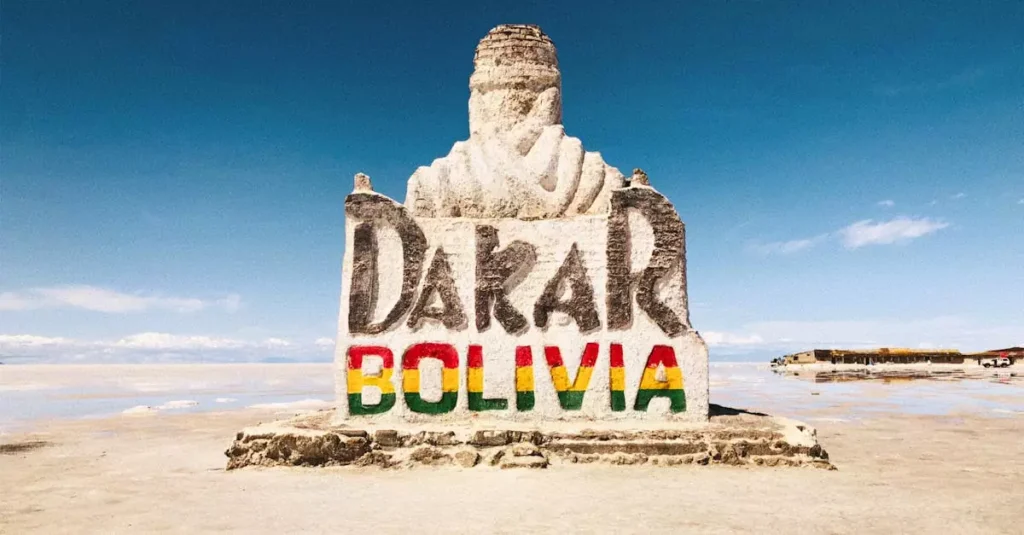
Bolivia’s Salar de Uyuni stretches across the horizon like something from another planet. This massive salt flat draws adventurers from every corner of the globe, and rightfully so. Beyond the jaw-dropping photos, it opens doors to high-altitude trekking that showcases dramatic desert vistas and geological wonders you won’t find anywhere else. Getting a handle on uyuni trekking cost is the key to planning a trip that won’t drain your wallet or leave you with surprises.
Plenty of travelers fantasize about crossing this surreal terrain, yet the sheer variety of tour options and their price tags can feel overwhelming. You’ve got multi-day expeditions across endless white salt to challenging mountain treks through volcanic highlands. The possibilities span a wide spectrum. Breaking down what you’ll actually spend helps you prepare for an adventure that matches both your budget and your appetite for exploration.
Budgeting for a Uyuni trek requires understanding what goes into the total package. This breakdown covers typical tour inclusions, those sneaky extra fees, and smart strategies to avoid financial headaches. You’re closer to that dream trek than you think, and with the right information, you can make it happen.
Understanding the Uyuni Trekking Cost: What’s Included?
The headline price for your tour only tells part of the story. Most operators bundle transportation, accommodation, meals, and guides into one package, which simplifies things considerably. Your 4×4 vehicle becomes essentialthese rugged roads demand it. You’ll sleep in basic setups, whether that’s a quirky salt hotel or a rustic hostel during longer expeditions. Food keeps you fueled with straightforward, hearty local dishes designed to sustain you through the days ahead.
Local guides represent a crucial piece of what you’re paying for. These experts share deep knowledge about the region’s geological history, cultural significance, and hidden corners. They’re also your lifeline in this remote landscape, ensuring you stay safe. Park entrance fees sometimes get rolled into the total, though not alwaysthis is where things get tricky. Some operators list them separately, so double-check before handing over your money. Getting clarity upfront prevents awkward moments later.
Depending on which trek you choose, you might find camping gear or even cooking staff included. Scrutinize the itinerary line by line. A transparent cost breakdown makes comparing different operators straightforward. Remember that comfort levels stay minimal in such isolated areas. Expect an authentic, unpolished experience rather than luxury accommodations.
Types of Uyuni Treks and Their Prices
Different trekking experiences come with different price tags and time commitments. The 3-day, 2-night salt flat tour ranks as the most popular choice. It covers the main salt flat, Incahuasi Island, and typically includes stops at colored lagoons and geysers. You’re looking at $180 to $350 USD per person, though this shifts based on your operator, group size, and how comfortable you want to be.
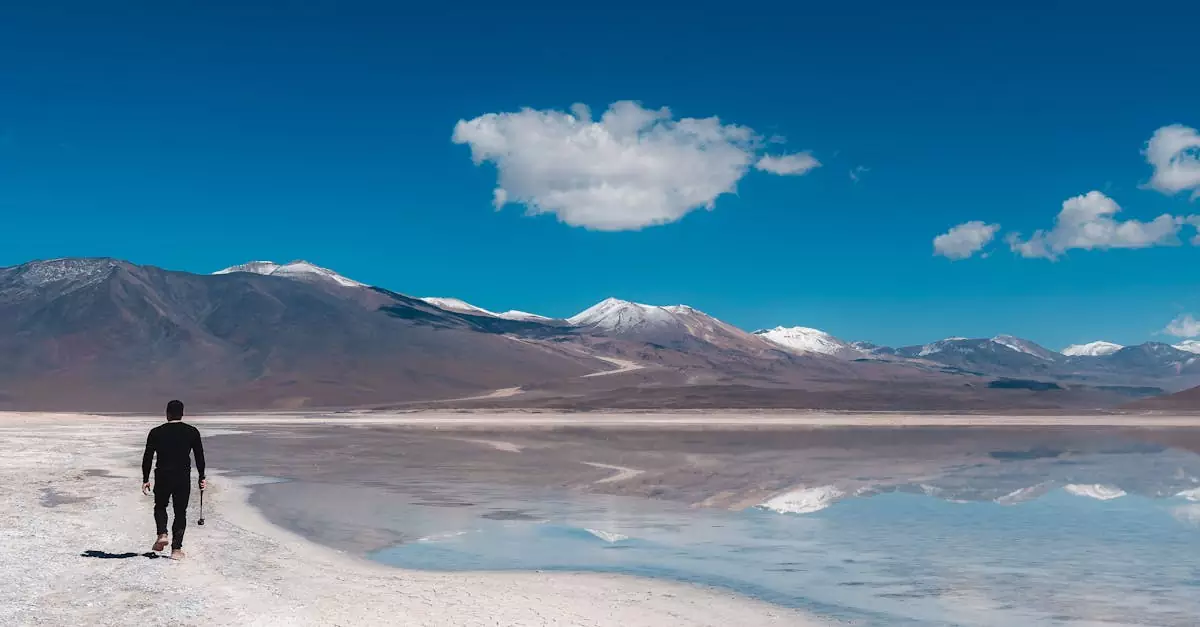
Want to dig deeper? Longer adventures exist for those willing to commit more time. A 4-day, 3-night option pushes further into the Eduardo Avaroa Andean Fauna National Reserve, giving you access to volcanic terrain and natural hot springs. Expect to pay $250 to $500 USD or more. Niche treks focused on specific volcano summits or wildlife encounters command premium prices because they need specialized equipment and expert guides.
Private tours cater to travelers seeking greater control over their journey. The per-person cost jumps significantly, but you gain the ability to shape your own route and enjoy more comfortable lodging. A private 3-day experience could run $700 to $1500 USD or beyond, depending on vehicle quality and guide credentials. Think about what matters most to youbudget constraints or personalized exploration of the Bolivia desert.
Factors Influencing Your Uyuni Trekking Tour Price
Multiple variables shape your final bill. How long you stay directly impacts costsmore days mean more accommodation, food, and guide time. Group size matters too. Larger groups spread expenses across more people, lowering the per-person rate. Private tours eliminate this advantage, offering exclusivity at a premium.
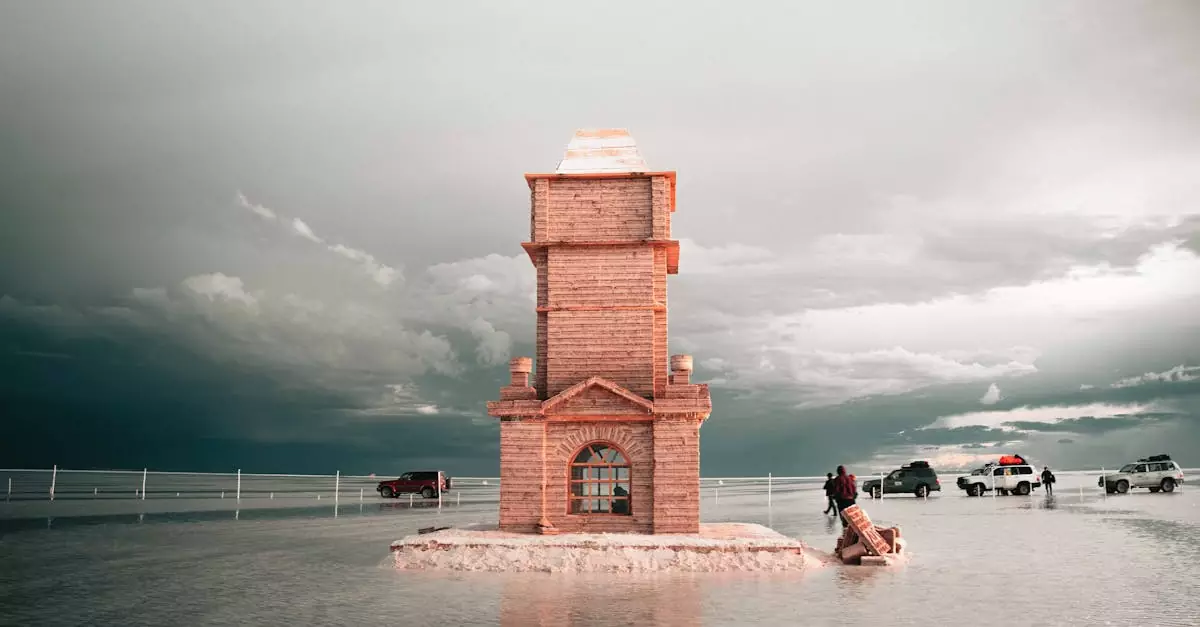
Your comfort expectations shape pricing too. Budget options stick to dorm beds and simple meals. Mid-range tours bump you up to private rooms and better food quality. Luxury versions (rare for standard treks) might offer nicer lodging and elevated cuisine. Timing your visit affects pricing as well. July and August see higher rates when tourists flood in. Off-season travel can yield better deals. Advance bookings become crucial during peak months.
The tour operator’s track record carries real weight. Established companies with strong safety credentials and experienced staff typically charge more, but that premium usually buys you reliability and peace of mind. Cheap uyuni trekking tours might tempt your wallet, yet safety and quality matter most in such demanding, remote terrain. Dig into operator reviews before committing. For broader budget planning, our travel budget guide offers additional perspective.
Comparing Uyuni Trekking Tour Options
Selecting the right tour means balancing your budget against what you actually want to experience. Different tour types come with different uyuni trekking cost structures and benefits. Most departures happen from Uyuni town itself, though some originate in San Pedro de Atacama across the Chilean border. Cross-border tours often follow different pricing models. Where you start matters for your overall budget.
First-timers gravitate toward the standard 3-day tour. It hits all the major sights without pushing you to physical extremes. Those wanting deeper immersion choose longer expeditions, spending more time at each location and reaching less-visited corners of the Bolivia desert. Always verify the exact route. Make sure it aligns with what you’re hoping to see and do. The tour price typically reflects how unique or remote the itinerary becomes.
Focused expeditionsvolcano ascents or wildlife-specific treksappeal to those with particular interests. These demand better physical conditioning and come with steeper price tags because specialized guides and gear are required. Before booking, honestly assess your fitness level and what experience would truly satisfy you. Read what past travelers say and ask detailed questions to confirm a good match.
| Tour Type | Duration | Typical Cost (USD/person) | Accommodation | Key Highlights |
|---|---|---|---|---|
| Standard Salt Flats | 3 Days / 2 Nights | $180 – $350 | Basic Hostels, Salt Hotel | Salar de Uyuni, Incahuasi, Red Lagoon, Geysers |
| Extended Desert Trek | 4 Days / 3 Nights | $250 – $500 | Basic Hostels, Rural Lodges | Salar, National Reserve, Hot Springs, Volcano Views |
| Private Customized Tour | Flexible (e.g., 3 Days) | $700 – $1500+ | Private Rooms, Better Facilities | Personalized Itinerary, Exclusive Experience |
| Adventure/Volcano Climb | 5+ Days | $600 – $1200+ | Camping, Basic Refuges | High-altitude trekking, Specific peaks, Remote areas |
Pros and Cons of Different Trekking Styles
Each trekking approach offers distinct advantages and drawbacks. Group tours deliver the most affordable option, which matters when you’re watching your uyuni trekking cost. You also meet fellow travelers and share the experience communally. The trade-off? Limited flexibility. You follow the group’s schedule and itinerary. Meals and beds are basic, and the group’s slowest member sets the pace for everyone.
Private tours flip the equation. You gain complete control over your route, timing, and comfort level. Better lodging and food options enhance the experience significantly. The downside hits your budget hardthese tours cost substantially more. They work best for travelers with flexible budgets or specific needs. You might miss the social energy of a group trip. Families and friend groups often find private tours worth the investment.
Adventure-focused treks like volcano climbs attract those chasing adrenaline and challenge. The upside includes unique accomplishments and access to remote, stunning landscapes. You’ll feel genuine pride completing these demanding journeys. The downside involves higher uyuni trekking cost, serious physical demands, and specialized equipment needs. These aren’t for everyone, and they require honest self-assessment of your fitness level. Each approach reveals the Bolivia desert in its own distinct way.
Essential Tips for Your Bolivia Desert Adventure
Getting ready for a Uyuni trek demands serious preparation. Altitude presents your biggest challenge. Uyuni sits at over 3,600 meters (12,000 feet) above sea level. Spend a few days adjusting in La Paz or Potos before you start. Drink water constantly and skip the alcohol to fight altitude sickness. This simple approach makes an enormous difference. Experienced guides recommend taking it easy on day one.
Packing right determines both comfort and safety. The Bolivia desert throws extreme weather at you. Sunny, warm days flip to freezing nights, especially during winter months (May through September). Layering becomes your best friendbring warm jackets, hats, gloves, and thermal base layers. Sun protection matters equally: high-SPF sunscreen, quality sunglasses, and a wide-brimmed hat shield you from intense altitude sun. Sturdy walking shoes handle the terrain. A reliable camera captures those incredible vistas.
Carry extra cash in Bolivianos (BOB) for expenses the uyuni trekking cost doesn’t cover. National park entrance fees, hot spring access, and bathroom fees add up. Snacks and souvenirs require cash too. ATMs disappear once you leave Uyuni town. Small bills prove invaluable. Finally, pick your operator carefully. Read reviews and ask around. A trustworthy operator means a safer, more rewarding experience. Check our best time to visit guide for optimal timing.
Frequently Asked Questions About Uyuni Trekking
What is the best time to visit Uyuni for trekking?
April through November brings dry conditions with clear skies and stable weather. June to August gets cold at night. The wet season (December to March) creates the famous mirror effect on the salt flats, but some routes become inaccessible.
Are there any hidden costs not included in the Uyuni trekking cost?
National park entrance fees (roughly 150 BOB for foreign visitors) often come separately. Hot spring access runs about 6 BOB, and bathroom fees range from 1 to 5 BOB. Budget for these extras. Some tours don’t include sleeping bags, which you might need to rent.
How physically demanding is a Uyuni trekking tour?
Standard 3-day tours involve light walking between viewpoints. The real challenge is altitudeexpect fatigue and breathlessness. Specialized treks like volcano summits demand solid fitness and proper acclimatization. Talk to your doctor if you have health concerns.
Can I book a Uyuni trekking tour in advance or on arrival?
Both work. Advance booking secures a spot with quality operators during busy season. Booking upon arrival in Uyuni lets you negotiate prices and compare options, though availability might be limited. Many travelers prefer arriving first to scout operators.
What should I pack for a Uyuni trekking adventure?
Layer up with warm clothingheavy jacket, hat, gloves. Bring high-SPF sunscreen, sunglasses, and lip balm. Pack a headlamp, personal first-aid kit, and sufficient cash. Don’t forget your camera and extra batteriescold drains them fast. The Andes region demands respect; learn more at Wikipedia.
Conclusion: Planning Your Uyuni Trekking Adventure
A Uyuni trekking tour ranks among the world’s most remarkable experiences. Bolivia’s vast salt flats and dramatic desert landscapes create memories that stick with you forever. Grasping the uyuni trekking cost is your first real step toward making this happen. We’ve walked through the factors that shape pricingtour length, group size, comfort level, and operator quality. Smart planning paves the way for a seamless journey.
Whether you choose a budget group tour or invest in a private experience, safety and quality should never be compromised. The extreme conditions of high-altitude Bolivia desert demand preparation and respect. Our guidance on acclimatization, packing smart, and budgeting wisely helps you sidestep potential problems. Your focus stays on the breathtaking scenery surrounding you. Unique geology and vibrant wildlife await your discovery.
Your uyuni trekking cost represents an investment in memories that endure a lifetime. From the mirror-like salt flats to the brilliant colors of the lagoons, each moment celebrates nature’s power. Choose thoughtfully, prepare thoroughly, and ready yourself to be astounded by one of South America’s most iconic destinations. Happy trekking!