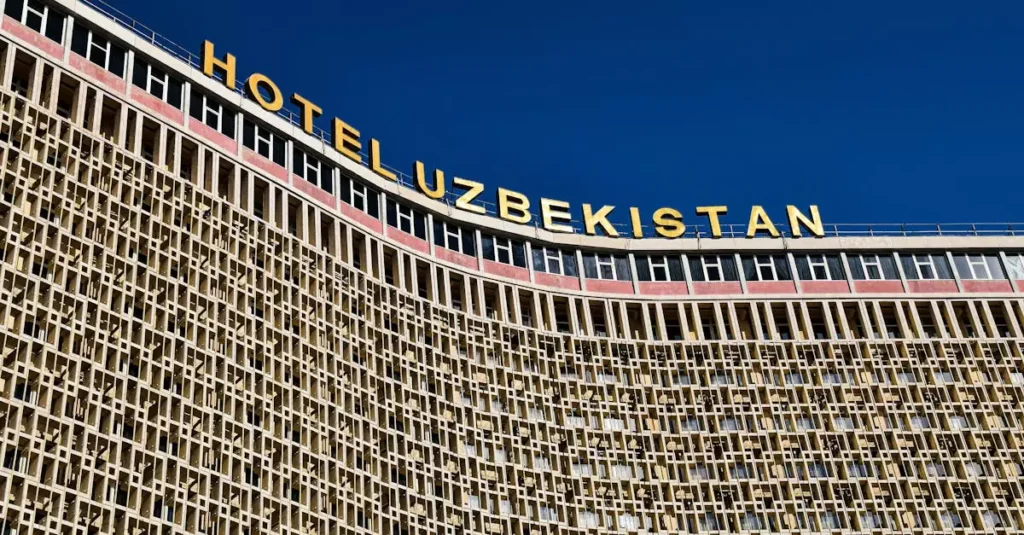
If you need an honest uzbekistan daily budget breakdown, Tashkent is a smart place to start. Prices stay lower than many Asian capitals. But costs change fast by season, district, and transport choice.
I learned that the hard way after overpaying for a short taxi ride from the airport. The meter was not used. My driver quoted a flat price. That mistake shaped this trip.
This uzbekistan daily cost guide shows what one day in Tashkent really costs in 2026. It covers food, transport, hotels, crowds, and timing. It also reflects new travel realities, like ETIAS changes for Europe connections and rising eco-taxes in some regional hubs.
What a realistic day in Tashkent costs
Tashkent works for budget travelers, mid-range visitors, and comfort seekers. A low-cost day can stay near $25. A comfortable day often lands near $70. A higher-comfort day can reach $140 or more.
Most travelers spend on three things. Food, transport, and a bed. Sightseeing is often cheap. Many museums cost little. Some metro rides cost even less.
Here is the simple range:
- Budget: $25 to $40
- Mid-range: $50 to $90
- Comfort: $100 to $150+
These numbers assume one traveler. They also assume ordinary tourist habits. That means a few taxi rides, three meals, and one or two paid sights.
uzbekistan daily budget breakdown for Tashkent by travel style
The best budget depends on your style. A backpacker spends differently than a family. A business traveler spends differently than a slow explorer.
| Travel Style | Daily Cost | What It Usually Includes | Value Level |
|---|---|---|---|
| Backpacker | $25-$40 | Hostel, metro, street food, one museum | Strong |
| Mid-range | $50-$90 | 3-star hotel, taxis, sit-down meals, 2-3 sights | Best balance |
| Comfort | $100-$150+ | 4-star hotel, private transfers, better dining | High comfort |
For most visitors, mid-range feels easiest. It avoids stress. It also gives flexibility when weather changes or crowds spike.
“Book your first night near a metro station, not just a landmark.” That saves time and taxi money immediately.
“Use Yandex Go for city rides, but check the price before confirming.” Fares can jump during rush hour and rain.
Food prices in Tashkent: what to expect
Food is one of Tashkent’s best value points. Local meals are filling. Portions are often large. Tea comes everywhere.
Street snacks may cost $1 to $3. A simple lunch can cost $4 to $7. A nicer dinner may cost $10 to $20. Western-style cafes cost more.
Here is a practical food range:
- Breakfast: $2-$6
- Lunch: $4-$8
- Dinner: $6-$15
- Coffee or tea: $1-$4
My mistake was ordering too much plov on day one. It looked modest. It was not. I could barely finish half. That matters because many restaurants serve generous plates.
Food prices rise in tourist-heavy areas and around malls. Local neighborhoods usually feel cheaper. Markets also help. But always check the final price first.
Transport costs, distances, and timing
Tashkent is spread out. Distances look short on maps. Traffic makes them longer. A 6-kilometer ride can take 20 to 40 minutes at busy times.
The metro is the cheapest option. It is also one of the cleanest. Many rides cost under $0.20. It works well for central routes. Stations can be a sightseeing stop on their own.
Taxi fares vary more. Short city rides often cost $2 to $5. Airport transfers may cost more. Rush hour is the worst time. Expect slower roads from 7:30 to 9:30 a.m. and 5:30 to 8:00 p.m.
For longer movement, buses are cheap but slower. Walking is fine in central areas. In summer, heat changes that plan fast.
“Plan your longest ride before 7:00 a.m. or after 9:00 p.m.” That usually avoids the worst traffic.
“Keep small cash for metro and market backups.” Cards work often, but not everywhere.
“If your taxi quote looks high, compare one more app before accepting.” Small gaps add up over several rides.
Where your money goes: hotels, sights, and extras
Accommodation usually takes the biggest share. Hostels can start around $10 to $20. Simple hotels often fall between $30 and $60. Better hotels can reach $80 to $140.
Entrance fees stay manageable. Museums often cost a few dollars. Some historic sites are outside Tashkent, so day trips can raise transport costs. If you want a fuller Uzbekistan trip, Samarkand and Bukhara need separate budget planning.
Extras matter too. SIM cards, bottled water, snacks, and ATM fees can quietly add up. A traveler who ignores these may overspend by $10 to $25 daily.
For 2026, also watch for seasonal price bumps. Spring and autumn bring more visitors. Summer can be cheaper, but the heat is intense. Winter is often lower-cost, though some outdoor plans become less pleasant.
Crowds, seasons, and the best time to save
Spring and autumn are the busiest periods. Families travel more. Tour groups also increase. Popular cafes fill earlier. Metro stations feel busier near rush hour.
Summer brings heat and thinner crowds. That can help your budget. But it can also push you toward more taxis and indoor breaks. Winter is cooler and quieter. Prices may soften. Some travelers prefer that tradeoff.
Morning sightseeing works best. Many locals start their day early. By midday, heat and traffic rise. Late afternoon is often easier for photos and walking.
One practical reality check: not every cheap option is comfortable. A very low hotel rate may mean weak air conditioning, thin walls, or a long ride to the center. Saving money is good. Losing half a day in transit is not.
Pros and cons of budgeting in Tashkent
- Pros: Food is affordable and filling.
- Pros: Metro rides are very cheap.
- Pros: Many attractions cost little.
- Pros: Mid-range comfort is reachable.
- Cons: Taxi prices can jump suddenly.
- Cons: Traffic can waste time fast.
- Cons: Tourist districts may charge more.
- Cons: Summer heat can force extra transport costs.
Important Tips for keeping your daily budget under control
“Use the metro for central hops and taxis only for cross-city moves.” That keeps transport predictable.
“Eat your biggest meal at lunch, not dinner.” Lunch sets are often cheaper than evening menus.
“Check museum closing days before you build the route.” Some sites close early or shift hours.
Important Tip: Carry a backup card and some cash. ATM access is good, but outages happen.
Important Tip: Save your hotel address in Uzbek or Russian. Drivers find it faster.
Important Tip: Buy water before long walks. Heat in Tashkent drains energy quickly.
Useful links for planning Uzbekistan in 2026
For a broad country overview, see Uzbekistan on Wikipedia.
For official tourism updates, check the Uzbekistan travel portal.
For heritage context, review UNESCO’s Uzbekistan page.
For a concise history summary, visit Britannica’s Uzbekistan entry.
These sources help when you compare city costs with national travel plans. They also help if you continue to Samarkand, Bukhara, or Khiva.
FAQ
How much money do I need per day in Tashkent?
Most travelers need $25 to $90 per day. The exact amount depends on hotel choice, taxi use, and meal style.
How cheap is public transport in Tashkent?
The metro is very cheap. It often costs under $0.20 per ride. Buses are also low-cost.
When is the best time to visit Tashkent on a budget?
Winter is often cheapest. Spring and autumn are busier and sometimes pricier.
Why do taxi costs vary so much?
Traffic, demand, rain, and time of day all affect fares. App prices can rise quickly at peak times.
How can I save money without making the trip worse?
Stay near the metro, eat lunch as your biggest meal, and use taxis only when needed.
Conclusion
Tashkent can be affordable without feeling stripped down. The best uzbekistan daily budget breakdown is the one that matches your pace. Keep transport simple. Watch meal sizes. Choose your hotel for location, not just price.
If you are building a broader Uzbekistan trip, use Tashkent as your cost anchor. Then compare it with rail or flight budgets for other cities. That gives you a more realistic plan.
Start with one day. Track what you spend. Then adjust before the next stop.