
Traveling to Sapa, Vietnam, opens the door to a truly distinctive experience. Here, you can dive into the vibrant traditions of the regions ethnic minorities. Many visitors opt for a homestay to fully embrace the local way of life. Knowing the typical sapa homestay price per night ahead of time helps you plan your finances wisely. This overview will guide you through the cost expectations, making sure you choose accommodations that are both comfortable and memorable.
The breathtaking rice terraces and bustling markets of Sapa attract tourists from around the globe. Staying in a homestay offers more than just shelter; it provides an intimate look at daily rural life. Youll enjoy meals prepared by host families and gain insight into their customs. This immersive experience is a major draw for many travelers. Costs can vary widely based on the homestays location, amenities offered, and the time of year you visit.
This guide breaks down the pricing landscape of homestays in Sapa, from modest village homes to more upscale lodgings. Along the way, youll find helpful advice to snag the best prices. Additionally, a detailed sapa homestay budget guide is included to assist with your trip planning. With this knowledge, you can explore Sapa without stretching your budget too thin.
Understanding Sapa Homestay Price Per Night: What to Expect
The cost of a sapa homestay price per night can differ significantly depending on various factors. Basic accommodations in isolated villages tend to be the most affordable. These typically feature simple sleeping setups, often with shared rooms among travelers or the host family. While amenities are minimal, they cover essentials. Expect to pay between $8 and $15 USD per person each night, which generally includes a traditional dinner and breakfast. These stays offer an authentic connection to local culture.
Mid-range homestays step up in comfort, frequently offering private rooms and improved bedding. Some even provide private bathrooms. These places are usually near the town center or popular trekking spots. Prices hover between $15 and $30 USD per person per night and often include two meals. Features like hot water and Wi-Fi may be available. These options strike a balance between a genuine cultural experience and modern convenience, appealing to many visitors.
At the higher end, homestays or guesthouses with a homestay atmosphere deliver added luxury. Expect comfortable beds, en-suite bathrooms, and sometimes heating. These options cater to travelers seeking enhanced comfort and can cost $30 to $50+ USD per person per night. Additional services such as guided trekking tours or cooking classes may be offered. It’s wise to confirm whats included before booking to avoid unexpected costs.
The location of the homestay also influences pricing. Properties closer to Sapa town tend to be pricier, while those nestled deeper in valleys like Ta Van or Lao Chai often come at a lower cost. However, reaching these remote spots might involve trekking or motorbike taxis. When comparing prices, its important to include transportation expenses. A cheaper stay far from town could end up costing more once travel is factored in.
Seasonal demand affects prices as well. During peak tourist Months typically September to November and March to May rates rise due to higher demand. Off-season travel can offer better bargains, though weather conditions might be less favorable. Checking the ideal times to visit Sapa can help align your budget with your weather preferences. More information is available at when to visit Sapa.
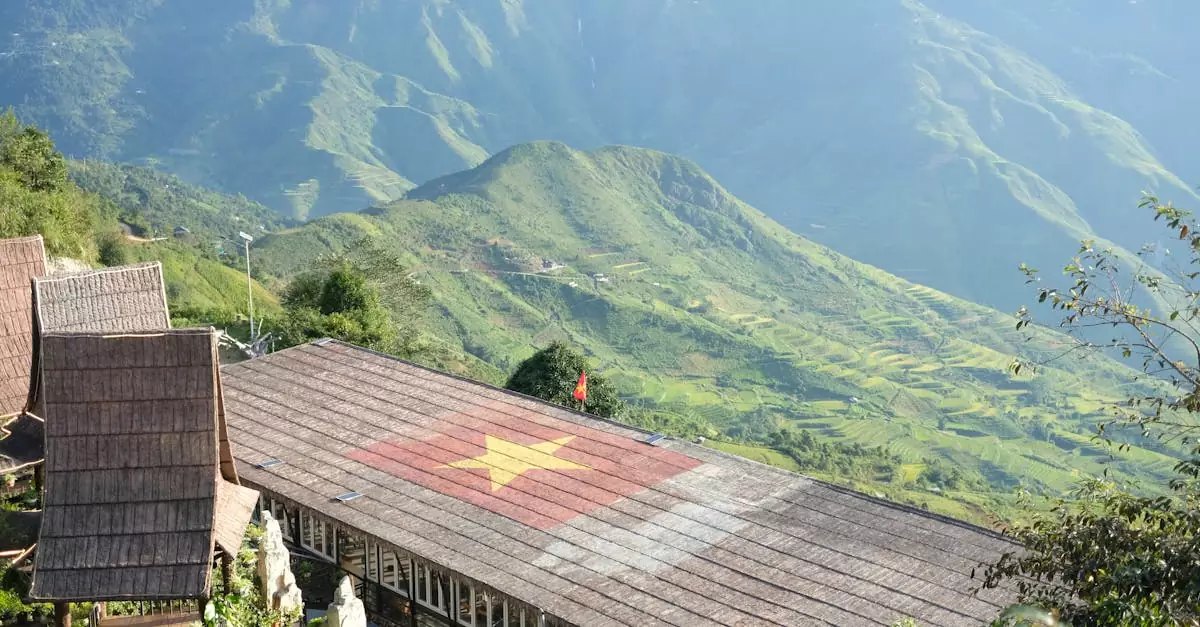
Factors Influencing Sapa Homestay Costs
Several key elements shape the final price of your homestay in Sapa. Knowing these can help you choose wisely. The accommodation type is usually the biggest factor. A shared dorm-style room in a simple village house will cost less than a private room boasting mountain views and an en-suite bathroom. The degree of comfort and privacy directly impacts the rate. While some homestays are quite rustic, others offer amenities akin to hotels.
Meals also play a significant role. Many homestays include dinner and breakfast in their prices, which adds considerable valueespecially in remote locations. The food is often prepared with fresh, locally sourced ingredients. If meals arent included, you should budget extra; a typical meal at a homestay or nearby eatery might cost between $3 and $7 USD. Confirming meal inclusions ahead of time helps avoid surprise expenses and aids in your overall sapa homestay budget guide.
The homestays location matters as well. Staying within Sapa town usually costs more but offers easy access to shops and restaurants. On the other hand, homestays in villages like Ta Van, Lao Chai, or Cat Cat are often cheaper and provide a richer cultural immersion. However, youll need to arrange transportation to and from town, which can add to your total expenses. Balancing convenience with cost is key.
The time of year also influences pricing. Peak seasons, such as the rice harvest in September-October or spring flowering in March-April, drive up demand and prices by 10-30%. Booking early during these periods is advisable. Off-season travel often yields better rates but comes with cooler or wetter weather. Checking forecasts for your dates will help you prepare accordingly.
Extra services offered by some homestays also affect costs. Guided trekking tours, cooking classes, or traditional craft workshops enhance the experience but come at an additional price. Always ask for a detailed breakdown so you know exactly whats included and what costs extra. This transparency ensures you can manage your budget effectively while enjoying the full range of activities.
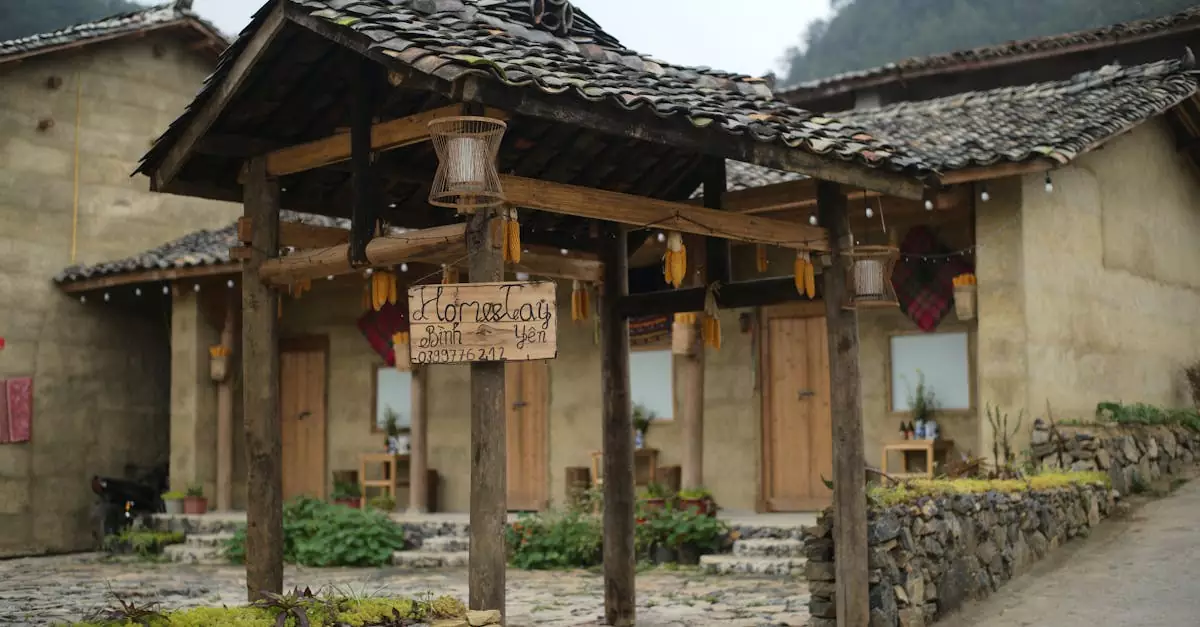
Types of Homestays and Their Price Ranges
Sapa offers a broad spectrum of homestay experiences tailored to various tastes and budgets. Knowing the differences helps you find a stay that suits you best. From rustic village dwellings to modern guesthouses, the options are diverse. The type of homestay you pick will heavily influence the sapa homestay price per night. Heres a look at the main categories along with typical price ranges.
Traditional Village Homestays: These provide the most genuine experience, often found deep in ethnic minority villages. Accommodations are basic, sometimes involving shared rooms with the family. Amenities are minimala simple mattress on the floor, a mosquito net, and communal bathrooms. These homestays focus on cultural immersion rather than luxury. Prices usually fall between $8 and $15 USD per person per night, generally including dinner and breakfast. They offer an unmatched opportunity to live local life.
Community-Based Tourism Homestays: Often part of organized initiatives supporting local communities, these homestays offer a more structured stay. You might find dedicated guest rooms with basic but well-kept facilities. Many include guided treks and cultural activities. Costs typically range from $15 to $25 USD per person per night, with meals usually included. This option blends authentic experiences with responsible tourism practices.
Comfort Homestays/Guesthouses: These accommodations provide a higher level of comfort, often run by local families but equipped with modern conveniences. Expect private rooms, sometimes with en-suite bathrooms, hot water, and Wi-Fi. They tend to be situated closer to Sapa town or popular villages. Prices generally span $25 to $40 USD per person per night. Meals may or may not be included depending on the establishment. This choice suits travelers looking for a local vibe without sacrificing comfort.
Eco-Lodges/Boutique Homestays: Representing the premium end, these blends of traditional architecture and contemporary design offer plush bedding, heating, and breathtaking views. Many emphasize sustainability and use local resources. Prices start around $40 and can go above $70 USD per night. Gourmet meals and personalized service are often part of the package. This option is ideal for travelers willing to splurge within their sapa homestay budget guide.
Comparison Table: Sapa Homestay Types and Prices
| Homestay Type | Typical Price (USD/person/night) | Key Features | Ideal For |
|---|---|---|---|
| Traditional Village Homestay | $8 – $15 | Simple setup, shared rooms, authentic meals, deep cultural connection | Budget travelers, culture seekers, adventurous souls |
| Community-Based Tourism Homestay | $15 – $25 | Dedicated rooms, basic but maintained facilities, guided activities, responsible tourism | Ethical travelers, those desiring organized cultural exposure |
| Comfort Homestay/Guesthouse | $25 – $40 | Private rooms, en-suite bathrooms, hot water, Wi-Fi, local atmosphere | Travelers wanting comfort with authenticity, couples |
| Eco-Lodge/Boutique Homestay | $40 – $70+ | Luxury amenities, stunning views, eco-friendly focus, gourmet meals | Luxury travelers, honeymooners, comfort seekers |
Pros and Cons of Choosing a Sapa Homestay
Opting for a homestay in Sapa comes with its own set of advantages and drawbacks. Understanding these helps you decide if this accommodation style fits your travel needs. Below is a balanced overview of what to expect from homestays in this region.
Pros of Sapa Homestays:
- Genuine Cultural Immersion: Living with a local family lets you experience their daily routines and traditions firsthand, offering rich insight into Vietnams ethnic minorities.
- Home-Cooked Meals: Many homestays provide meals prepared with fresh, local ingredients, giving you a true taste of Vietnamese and ethnic minority cuisine.
- Local Expertise: Hosts often share valuable tips on the best trekking paths and hidden spots, enriching your travel experience.
- Supporting Local Communities: Your stay directly benefits the host family and local economy, promoting sustainable tourism.
- Unique Experience: Unlike standard hotels, homestays create memorable, authentic travel stories, often becoming the highlight of your Sapa visit.
- Cost-Effective: Since meals are frequently included, the sapa homestay price per night offers great value for budget-conscious travelers.
Cons of Sapa Homestays:
- Basic Facilities: Comfort levels can be minimal, with simple beds, shared bathrooms, and sometimes no hot water, as luxury isnt the priority.
- Language Challenges: Communication may be difficult since many hosts speak limited English, requiring patience and non-verbal cues.
- Limited Privacy: Sharing living space closely with a family might feel intrusive to some.
- Remote Locations: Many authentic homestays are situated far from Sapa town, leading to longer travel times or extra transport costs.
- Village Noise and Early Routines: Morning sounds from animals and household activities can disturb sleep.
- Booking Difficulties: Not all homestays are listed on popular platforms, making reservations more challenging.
How to Find the Best Sapa Homestay for Your Budget
Securing a great homestay in Sapa takes some effort and planning, especially if you need to stick to a budget. Striking a balance between authenticity, comfort, and price is key. Here are the best strategies to help you get the most from your sapa homestay budget guide.
Use Online Platforms: Booking websites like Booking.com, Agoda, and Airbnb feature numerous Sapa homestays. You can filter by price and location, then read reviews to gauge cleanliness, hospitality, and meal options. These platforms are a solid starting point and often showcase photos and detailed descriptions. Looking for homestays just outside the main town might yield better value.
Consult Local Tour Operators: Many firms in Sapa specialize in homestay trekking packages. They collaborate with trusted families and typically include guided treks, meals, and lodging in one deal. This is a convenient option that guarantees reputable hosts. Always review whats included and check customer feedback before booking.
Seek Recommendations: Talk to other travelers or check reputable travel blogs and forums. These sources often uncover hidden gemssmaller family-run homestays not commonly listed online. While this method can lead to authentic and affordable options, its wise to verify details before committing.
Arrive and Inquire: For the bold, arriving in Sapa first and asking around locally may help find the lowest sapa homestay price per night. This requires flexibility and might not be ideal during busy seasons. You can negotiate directly with hosts but should be ready for basic accommodations and have alternatives in mind.
Travel Off-Season: Visiting during shoulder or low seasons often means lower rates due to less demand. Although weather can be less predictable, the quieter environment offers a more intimate experience. This approach is smart for managing your overall travel budget guide.
Negotiate Politely: When booking directly, a respectful negotiation might secure a small discount, especially for longer stays or during slower periods. This is less common with online bookings. Remember, these families depend on tourism for their income, so always approach negotiations with kindness.
Practical Tips for Saving on Your Sapa Homestay
Traveling to Sapa on a budget doesnt mean missing out on authentic experiences. With careful planning, you can enjoy a homestay without overspending. Here are some practical ways to keep your sapa homestay price per night affordable while maximizing value.
- Book Early: Especially during peak seasons, securing your homestay well in advance prevents price surges and guarantees availability.
- Group Travel: Sharing a room with friends often reduces the per-person cost, as many homestays price per individual.
- Pick Homestays Outside Sapa Town: Villages such as Ta Van or Lao Chai usually offer lower prices and peaceful surroundings. Factor in any transport expenses when comparing overall costs.
- Choose Stays with Meals Included: Homestays that provide dinner and breakfast offer great value since eating out in town can add up quickly. Always confirm meal details when booking.
- Bring Your Own Supplies: Packing toiletries and snacks saves money, as village shops often have limited and pricier options.
- Walk or Trek When Possible: If your homestay is within walking distance, avoid taxi or motorbike fares by trekking instead, which also enhances your adventure.
- Learn Basic Vietnamese: Simple phrases can improve communication with hosts, sometimes leading to better service or even discounts.
- Be Flexible with Travel Dates: Avoiding holidays and festivals can help you sidestep price hikes and improve chances for deals.
- Clarify Whats Included: Confirm if amenities like hot water, Wi-Fi, or trekking guides are part of the cost to prevent unexpected charges.
- Use a Water Filter Bottle: Carrying a reusable water bottle with a filter cuts down on plastic waste and saves money on bottled water, since tap water in Vietnam isnt safe to drink directly.
Applying these suggestions will help you keep expenses down without sacrificing the richness of your Sapa adventure. A well-crafted sapa homestay budget guide lets you make the most of your trip and discover more. For broader tips on managing travel finances, check out a detailed travel budget guide.
Frequently Asked Questions About Sapa Homestays
What is the average Sapa homestay price per night?
The typical range for a Sapa homestay is from $8 to over $50 USD per night. Basic village homestays usually cost between $8 and $15, comfort-focused stays fall around $25 to $40, and luxury eco-lodges can exceed $40 up to $70 or more per person.
Do Sapa homestays usually include meals?
Most do, especially traditional homestays that provide dinner and breakfast. This is a big part of the cultural experience. Always verify meal inclusions when booking to avoid surprises.
Are Sapa homestays safe for solo female travelers?
Generally, yes. Local families tend to be warm and respectful. Still, its wise to take usual travel precautionskeep someone informed of your plans and trust your instincts.
What should I pack for a Sapa homestay?
Bring lightweight clothing suitable for trekking, as well as warm layers for chilly nights. Comfortable walking shoes, a rain jacket, and basic toiletries are essential. A headlamp or flashlight can be handy in remote areas, and a portable power bank helps with unreliable electricity.
Can I book a Sapa homestay upon arrival?
Its possible, especially during off-peak times. However, during busy periods, booking ahead is recommended to secure your preferred accommodation and avoid inflated last-minute prices.
Conclusion: Making Your Sapa Homestay Dream a Reality
Experiencing Sapa through a homestay offers a journey full of rich cultural insights and stunning natural beauty. Familiarizing yourself with the sapa homestay price per night is a vital first step. This guide has outlined the various costs and provided tips to help you find the best deals. Remember, a homestay isnt just a place to sleepits a chance to engage deeply with local life.
Whether you opt for a simple village home or a cozy guesthouse, Sapa has something to match every budget. By considering factors like location, amenities, and timing, you can plan effectively. Utilizing online resources, local operators, and traveler recommendations will assist you in booking the ideal homestay. Your sapa homestay budget guide is now complete and ready to support your travel plans.
Embrace the warmth and simplicity of Vietnamese hospitality, and You’ll return with memories that last a lifetime. Sapa’s charm awaits your discovery. For further information about traveling in Vietnam, visit Wikipedia’s page on Vietnam.