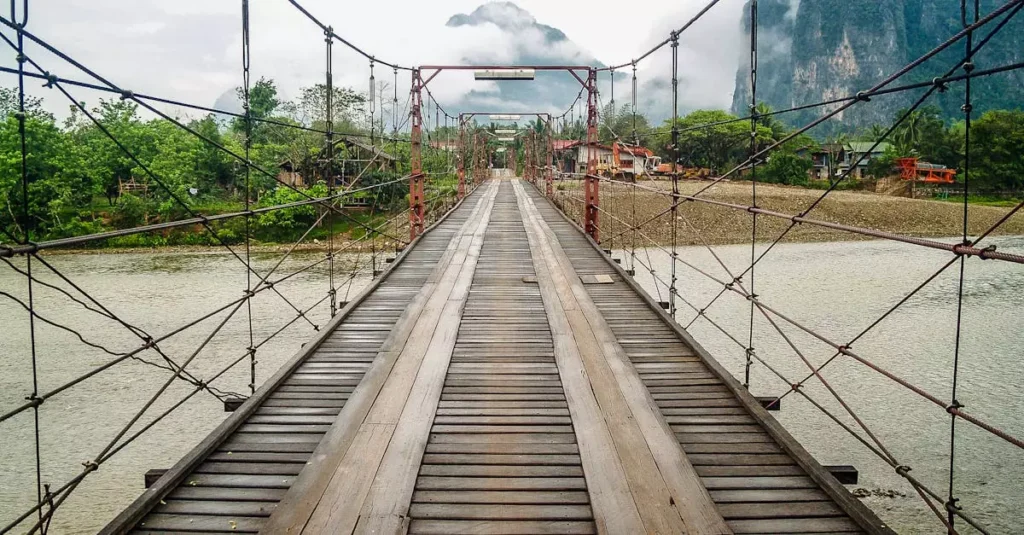
Organizing a trip to the enchanting country of Laos requires careful attention to several important details. One of the key elements to consider is the laos visa cost tourist and the related requirements. Being well-informed about the fees and application steps ahead of time can make your arrival hassle-free. This overview covers the essentials of obtaining a tourist visa, including application options and expenses, so you can plan your budget with confidence.
Travelers often have questions about the visa categories available and how these choices influence their itinerary. Whether you enter Laos via Vientianes airport or through a land border, the processes and laos visa fees might differ slightly. Here, we explain the most frequent visa types like Visa on Arrival and E-Visa, including their costs and eligibility criteria, to help you pick the best option for your visit.
Getting ready for your trip involves more than just booking tickets and hotels. It also means understanding and smoothly handling official entry requirements. This in-depth resource offers practical tips, comparisons, and advice to help you avoid common mistakes. The aim is to provide all the information you need so you can focus on experiencing Laoss rich traditions and breathtaking scenery, without getting bogged down by visa issues.
Understanding the Laos Visa Cost Tourist Options
When organizing your Laos travel plans, familiarizing yourself with the visa choices and their costs is essential. Most foreign visitors need a tourist visa to gain entry. The main ways to obtain this visa are through Visa on Arrival (VOA) or the E-Visa system. Each comes with different requirements, processing timelines, and importantly, distinct laos visa cost tourist structures. Which one suits you depends on your nationality, entry location, and how much you prefer to prepare in advance. Typically, Laos tourist visas cover stays of 15 to 30 days, accommodating most standard trips. While the process is generally straightforward, being well-prepared makes things easier.
Many travelers favor the Visa on Arrival for its flexibility. It allows you to get your visa upon arrival at major international airports such as Wattay International Airport in Vientiane or at key land border crossings. Though convenient, queues can form during busy seasons. Conversely, the E-Visa lets you apply online before departure, cutting down wait times and giving you peace of mind. Both visa types usually offer a 30-day stay, extendable in some cases. Regulations may change, so its important to verify the latest rules. Also, ensure your passport remains valid for at least six months beyond your arrival date.
Some nationalities enjoy visa exemptions for short visits, often between 15 and 30 days, based on bilateral agreements. Its worth checking if your country qualifies for this before applying for a visa. For those who do require one, fees are mostly paid in US Dollars, although some border points accept Thai Baht or Lao Kip, often at less favorable exchange rates. Carrying fresh, undamaged US Dollar bills is recommended to avoid complications. Both VOA and E-Visa applications typically need a passport-sized photo, so having one ready is helpful.
Laos Visa Fees: A Detailed Breakdown by Type
The laos visa fees depend on your nationality and the visa type selected. For most eligible travelers using Visa on Arrival, fees range from $30 to $40 USD, payable at the immigration counter. For instance, citizens from many Western countries, Australia, and New Zealand usually pay around $35 USD. Some nationalities may encounter slightly higher costs, occasionally reaching $40 or $45 USD. Its advisable to bring a bit more cash than expected to cover any minor variations or additional charges at certain border points. These fees can change without much notice as policies evolve.
The E-Visa, designed to simplify entry, carries a fee of about $50 USD, which includes the visa cost and a processing service charge. Though this is somewhat higher than the typical Visa on Arrival fee, many travelers find the convenience of pre-approval worthwhile. The entire E-Visa application is done online through the official Laos portal, where you upload documents and pay electronically. Upon approval, you receive a letter to present at immigration, speeding up arrival procedures, especially during peak travel times.

Besides the visa fee itself, there can be additional small costs. For example, if you dont bring a passport photo for Visa on Arrival, some counters offer photo services for a nominal fee, usually $1-2 USD. Occasionally, arriving outside normal working hours may trigger a small ‘stamping’ or ‘overtime’ fee, although this is less common at major airports. These minor expenses contribute to the overall laos visa cost tourist and should be factored into your budget. Having a few extra dollars on hand helps avoid surprises at the border.
Visa on Arrival vs. E-Visa: Pros and Cons
Choosing between Visa on Arrival (VOA) and E-Visa is a common consideration for Laos visitors. Each has distinct benefits and drawbacks that can affect your experience. VOA is favored for its spontaneityno advance application is needed. Upon arrival at an approved entry point, you fill out the form, pay the fee, and get your visa. This suits backpackers or travelers with flexible schedules who might not have a fixed plan. However, a downside can be long waits during busy periods, which could delay your onward travel.
The E-Visa offers a more streamlined approach. Applying online ahead of time means arriving with a pre-approved visa, often letting you skip long queues through designated lanes. This is a big advantage after long flights. The online process is straightforward, requiring digital passport and photo uploads. However, the laos visa cost tourist is typically higher due to service fees. Also, you need reliable internet access and a printer for your approval letter, which could be inconvenient for some. Planning ahead is essential since processing can take a few business days.
For families or groups, the E-Visa can greatly simplify arrival, avoiding multiple forms and long lines. Solo travelers might prefer the VOA for its freedom and cost savings. Ultimately, your choice should reflect your travel style, budget, and tolerance for possible delays. Both visa options are dependable for securing a Laos tourist visa. Checking the latest nationality-specific requirements on official sites ensures youre well-prepared.
Comparison of Laos Visa Options and Costs
To help clarify the differences between common visa options, heres a table comparing key aspects of the laos visa cost tourist, application processes, and other details for Visa on Arrival (VOA) and E-Visa. Understanding these contrasts can make planning your entry smoother. Most visitors find one of these fits neatly into their travel plans for Laos.
| Feature | Visa on Arrival (VOA) | E-Visa |
|---|---|---|
| Application Method | At eligible international airports or land border crossings | Online through official portal before departure |
| Typical Cost (USD) | $30 – $40 (depending on nationality) | $50 (includes processing fee) |
| Processing Time | Immediate at immigration, subject to queues | 2-3 business days (online processing) |
| Required Documents | Passport, one passport-sized photo, completed form | Digital passport copy and photo upload |
| Payment Method | Cash (USD preferred; THB or LAK accepted at some borders) | Credit/Debit card online |
| Convenience | Flexible, no advance planning necessary | Faster entry, pre-approved, avoids lines |
| Entry Points | Major airports (e.g., Vientiane, Luang Prabang) and land borders | Designated airports and select borders |
This comparison highlights that while the E-Visa might cost a bit more upfront, it often saves time and hassle upon arrival. The VOA remains a cost-effective choice for those who prefer spontaneity or land at crossings without E-Visa facilities. Always verify current eligible entry points before finalizing travel. For more official details, the Laos tourism website is a helpful resource: tourismlaos.org.
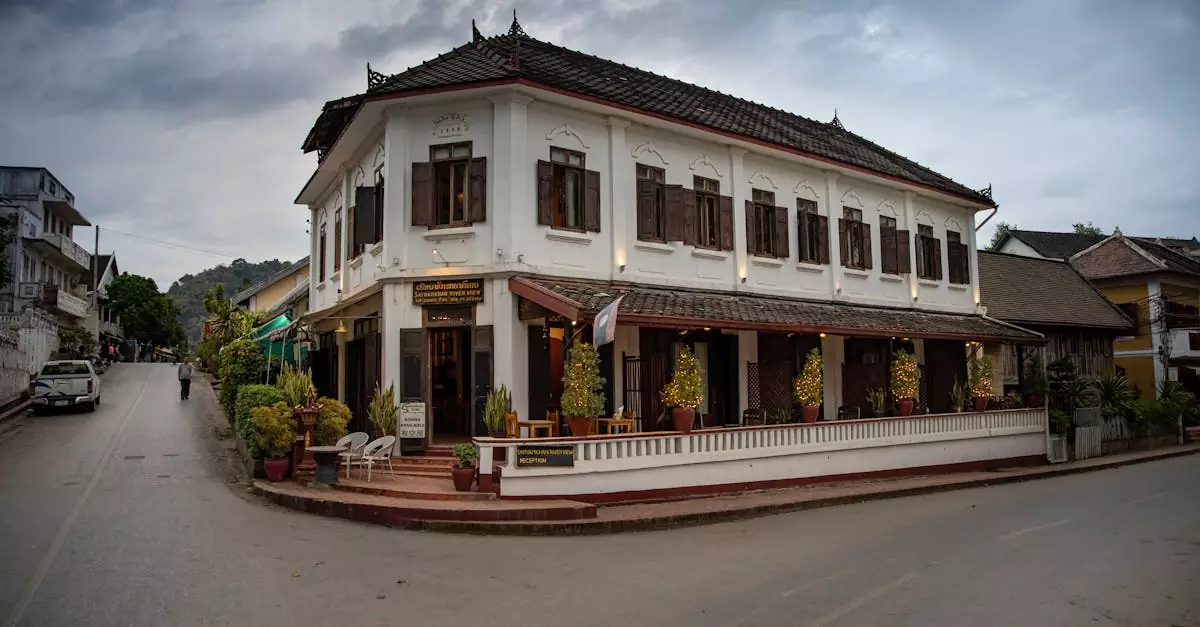
Practical Tips for Your Laos Visa Application
Understanding how to navigate the Laos visa process can make your journey smoother. Below are useful pointers for both Visa on Arrival and E-Visa applicants, designed to help you avoid delays and unexpected costs. Since visa rules may change, always check the latest guidance from reliable sources before traveling.
- Bring USD Cash: For Visa on Arrival, US Dollars are widely accepted and usually required. Use crisp, clean bills without any markings. Worn or damaged notes may be refused, so prepare accordingly.
- Have Passport Photos Ready: A recent passport-sized photo (about 4×6 cm) is needed for both visa types. Bring a physical copy for VOA and a digital file for E-Visa applications.
- Check Your Passports Validity: Your passport should be valid for at least six months beyond your planned departure from Laos. This is a strict rule.
- Print Your Documents: If applying for an E-Visa, print the approval letter. For VOA, forms are generally available at entry points, but having them ready can save time.
- Confirm Entry Points: Make sure the airport or land border you plan to enter supports your visa type. Not all borders accept E-Visas.
- Allow Processing Time: E-Visas can take 3-5 business days to process. Apply well before your trip to avoid last-minute issues.
- Watch for Overtime Fees: Arriving outside regular hours at some smaller borders might incur an extra fee of a few dollars. Keep this in mind when planning unusual arrival times.
Following these tips will help you manage your laos visa fees effectively and reduce stress at the border. Having all your paperwork in order means more time enjoying Laoss wonders. For additional background on Laoss culture and geography, the Wikipedia page on Laos is informative.
Extending Your Stay and Overstay Penalties
Most tourist visas in Laos allow a stay of up to 30 days, ample time to explore cities like Vientiane and Luang Prabang. If you wish to extend your visit, this is typically possible through the Immigration Department in major cities. The extension process usually requires submitting your passport, a new application form, passport photos, and paying a fee. Extensions commonly add another 30 days. The cost is roughly $2-3 USD per day or a flat fee of about $40-50 USD for a full month, adding to your overall laos visa cost tourist.
Starting your extension before your visa expires is crucial. Overstaying carries penalties of $10 USD per day, which can quickly mount. Beyond fines, serious overstays may result in detention, deportation, or being barred from returning to Laos. Immigration authorities enforce these rules strictly, and ignorance offers no protection.
To avoid complications, track your visa expiration carefully. Many travelers set reminders to stay on top of deadlines. Begin extension applications at least a week before your visa runs out to allow for processing time. Following visa regulations is essential for smooth travel and respecting the host country. Always check with the Lao Immigration Department for the latest extension policies and fees.
FAQs About Laos Tourist Visas and Fees
Here are answers to some common questions about the laos visa cost tourist and visa procedures that travelers often ask before their trip.
How much is a Laos visa on arrival for US citizens?
US citizens typically pay $35 USD for a Laos Visa on Arrival. This fee is paid in cash at the immigration counter, and its best to have exact change in clean US Dollar bills.
Can I pay Laos visa fees with a credit card?
Visa on Arrival fees usually require cash payment, preferably in US Dollars. However, E-Visa fees are paid online via credit or debit card. At land borders, cash payments are almost always necessary.
Do I need a passport photo for a Laos tourist visa?
Yes, a recent passport-sized photo is mandatory for both Visa on Arrival and E-Visa applications. Bring a physical photo for VOA and upload a digital photo for the E-Visa.
How long does a Laos E-Visa take to process?
The E-Visa generally takes 2-3 business days to process. Its recommended to apply at least a week before your travel date to allow for any delays.
What happens if I overstay my Laos tourist visa?
Overstaying your visa results in a fine of $10 USD per day. Severe overstays may lead to detention, deportation, and bans on future entry. Its best to extend your visa or leave before it expires.
Final Thoughts on Your Laos Visa Journey
Dealing with visa requirements for Laos need not be complicated. Knowing your options, the associated laos visa cost tourist, and practical tips ensures your entry is smooth and stress-free. Whether you opt for the flexibility of Visa on Arrival or the convenience of the E-Visa, being prepared is crucial. Make sure your passport and photos are ready, and carry enough US Dollars for any payments on arrival.
The allure of Laosfrom ancient temples in Luang Prabang to bustling markets in Vientianeawaits eager travelers. Confidence in your visa arrangements lets you focus fully on experiencing the countrys charm. Since regulations can change, keep an eye on official government websites for updates to avoid surprises with laos visa fees or procedures. Staying informed is the best way to start your adventure smoothly.
Ultimately, a well-thought-out visa plan is a small but essential part of a successful trip, allowing you to immerse yourself in Laoss vibrant culture and stunning natural beauty. With this knowledge, youre well-equipped to handle your visa application and enjoy every moment of your travels. Have a wonderful journey to Laos!