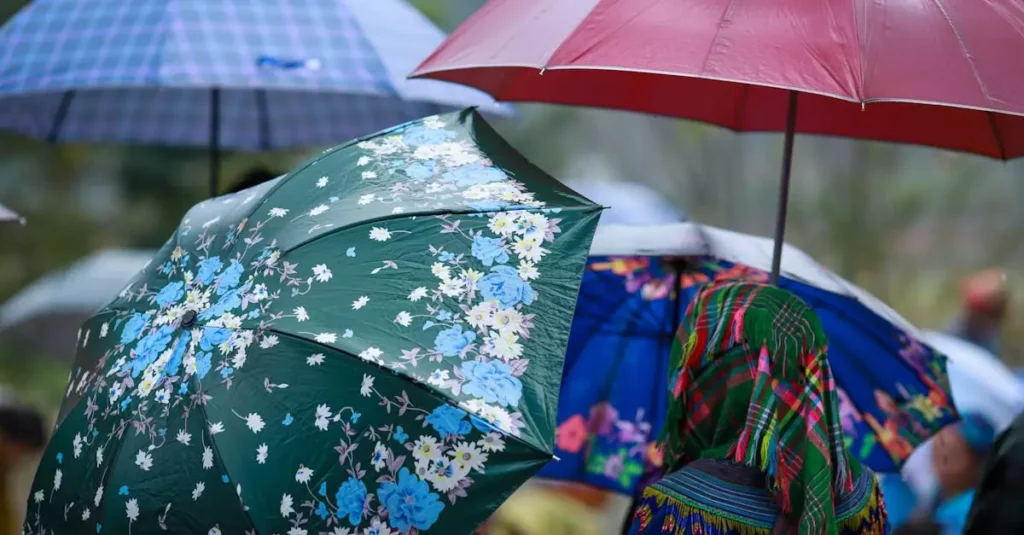
Pakse, nestled in southern Laos, stands as a charming entry point to some of the regions most breathtaking natural wonders. Many travelers yearn to uncover its rich cultural tapestry alongside verdant scenery. Yet, a common dilemma revolves around the ideal timing for a visit. Grasping the nuances of the pakse rainy season travel cost becomes essential for those traveling on a budget. This insight enables smarter planning and better resource management.
Known as the green season, the monsoon months breathe new life into Pakses environment, painting the landscape in vivid greens. This stretch of time offers a golden chance to embark on a pakse off season budget adventure, where the pace slows and the usual tourist throngs fade away. The vibe shifts to something more tranquil and genuine, allowing a closer connection with local life.
Every expense, from lodging to leisure, is carefully unpacked here. Youll find detailed information to help you craft a memorable yet wallet-friendly journey. Even when rain clouds dominate the sky, Pakses hidden treasures remain accessible. Making the most of your funds is easier with these pointers, ensuring you savor all this Lao destination has to offer.
Understanding the Pakse Rainy Season: What to Expect
From May through October, Pakse enters its rainy season, bringing frequent, intense showers. These bursts typically occur in the afternoons, leaving mornings bright and ideal for outdoor activities. Temperatures hover comfortably between 25 and 30C, fostering an environment where nature flourishes spectacularly. Waterfalls such as Tad Fane and Tad Yuang swell with power, while rice fields turn a brilliant shade of green. The air, refreshed after each downpour, carries a clean, invigorating scent. This season offers a fresh angle on the area and often lowers the pakse rainy season travel cost.
Visitor numbers dwindle notably during these months, resulting in shorter lines and a calmer ambiance. Many local businesses reduce their prices to attract the quieter crowd. Though some rural roads may become muddy and certain trails harder to reach, main roads and urban centers are typically easy to navigate. Rain is part of the experience here, adding a refreshing twist to your explorations. The quieter surroundings and flourishing wildlife make nature walks especially rewarding, revealing the unfiltered charm of Laos.
Breaking Down the Pakse Rainy Season Travel Cost: Accommodation
During the wet months, accommodation prices in Pakse fall substantially, making a pakse off season budget trip very accessible. A wide range of options offers great value. Budget guesthouses and hotels generally charge between $8 and $20 per night, often including essentials like air conditioning, private bathrooms, and sometimes breakfast. Mid-tier hotels, providing more amenities, usually range from $25 to $50 nightly. Even upscale boutique hotels and resorts lower their rates to around $60-$100, compared to $100-$150 during peak season, meaning you can enjoy better rooms for less.
Many travelers find it beneficial to book accommodations on arrival, allowing direct negotiation, especially for extended stays. Online deals often slash prices by up to half. Its wise to pick places praised for cleanliness, service, and stable Wi-Fi. Staying near the city center or along the Mekong River can cut down on transport expenses during rainy days and offer easy access to eateries. Spending about $15 a night at a comfortable guesthouse provides a reliable, budget-friendly base. This strategy helps keep your pakse rainy season travel cost in check without compromising comfort or convenience.
Navigating Transport Costs in Pakse During the Rains
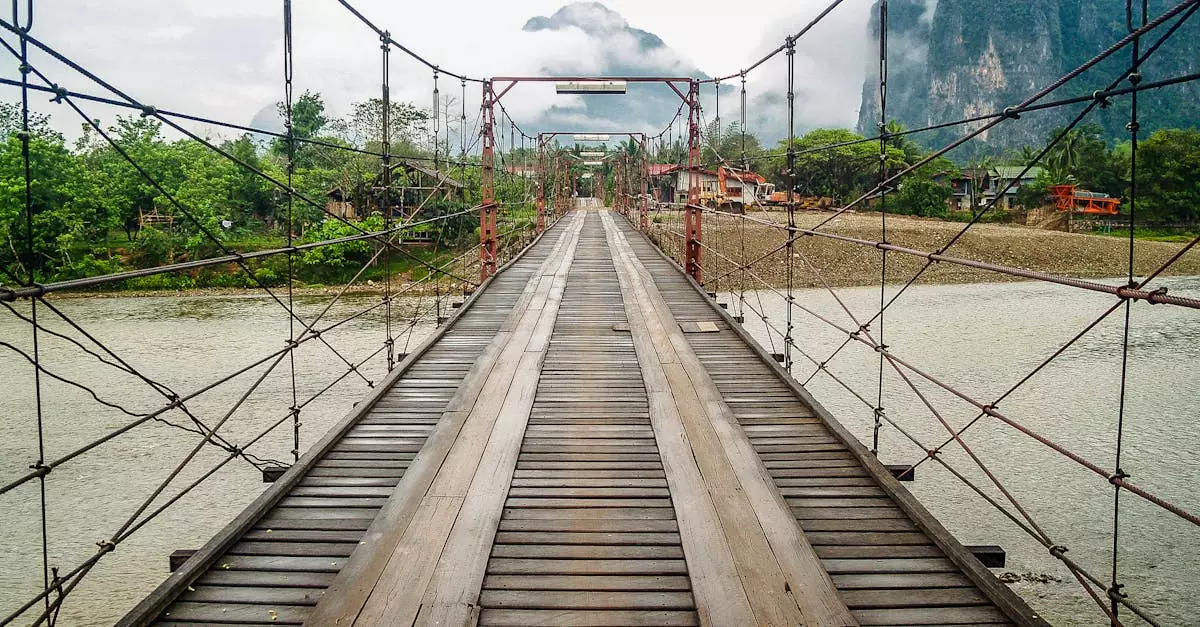
Transportation can form a significant part of your pakse rainy season travel cost. Within the city, tuk-tuks are plentiful and affordable, with short rides typically costing between 10,000 and 20,000 LAK ($0.50-$1.00). Its crucial to settle on the fare beforehand to prevent any misunderstandings. Renting a scooter is a popular way to explore independently, with daily rentals ranging from 50,000 to 80,000 LAK ($2.50-$4.00). Be mindful that wet roads can be slippery, so always check the bikes condition and brakes before heading out. Fuel costs remain low, usually under $5 for a full day of riding.
For journeys beyond Pakse, such as trips to the Bolaven Plateau, shared minivans and private cars are common choices. Shared minivan tours typically cost between $20 and $30 per person and include stops at notable waterfalls and coffee plantations. Private car hires with drivers offer more comfort and flexibility, usually costing $50-$70 for a full dayideal for families or groups. Local buses provide the cheapest inter-city travel option, for example, a bus to Savannakhet costs roughly 60,000 LAK ($3.00). Keep in mind that heavy rains can cause delays or difficult road conditions, so plan your schedule with some buffer time, especially when coordinating with flights or other transport.
Food and Activities: Eating Well on a Pakse Off Season Budget
Finding tasty and affordable food in Pakse during the rainy season is remarkably straightforward. Street vendors serve up authentic dishes like noodle soups (Khao Piak Sen), sticky rice (Khao Niao), and grilled chicken (Ping Gai) for just 10,000 to 20,000 LAK ($0.50-$1.00) each. Local eateries offer more substantial meals featuring favorites like Larb and Tam Mak Hoong, generally priced between 20,000 and 40,000 LAK ($1.00-$2.00). Western-style restaurants are also accessible for $5 to $10 per meal. Most travelers spend around $10 to $15 daily on food and drinks, enjoying a broad range of flavors without stretching their budget. Following the locals to bustling spots is a good rule of thumb for excellent food and value, significantly impacting your daily pakse rainy season travel cost.
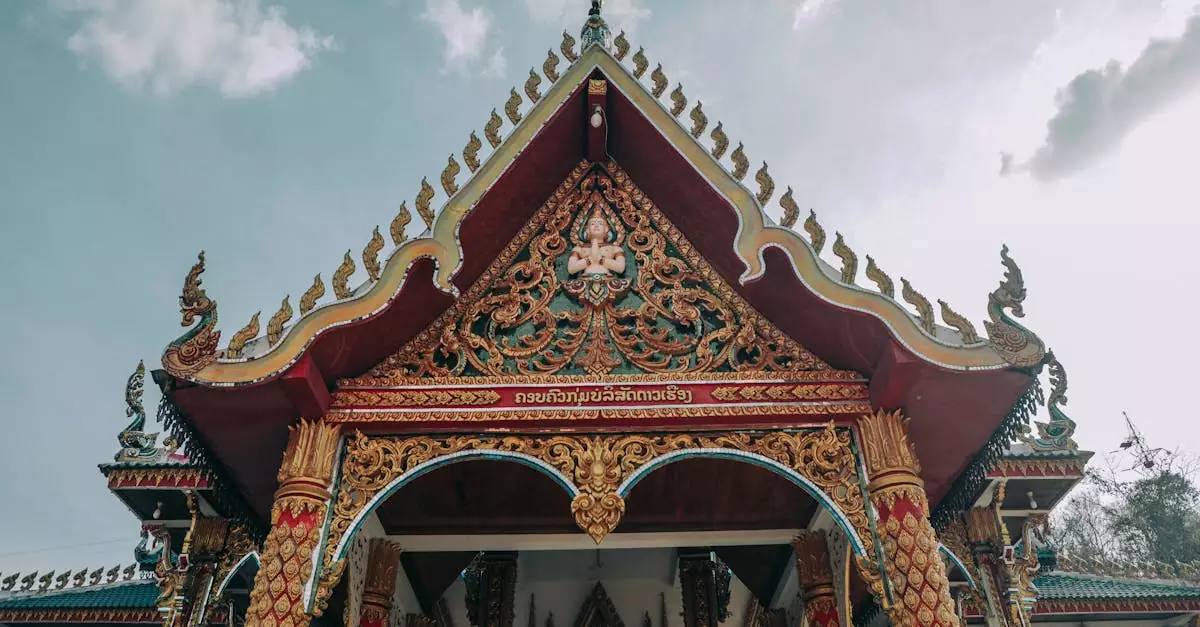
Activities vary from free to moderately priced. Exploring temples such as Wat Phou Salao, home to a giant Buddha statue, costs nothing beyond transport. The central market offers a rich cultural experience at no charge. Entrance fees for waterfalls on the Bolaven Plateau are modest, between 10,000 and 20,000 LAK ($0.50-$1.00). Coffee plantation tours are often free, with chances to purchase directly from farmers. Adventure options like kayaking or rafting typically cost $30 to $50, though river conditions may fluctuate. Checking with local guides about safety and current conditions is always advisable. The Champasak Historical Heritage Museum provides an indoor alternative for learning about the regions history for a small fee.
Pros and Cons of Visiting Pakse in the Rainy Season
Traveling to Pakse during the rainy season brings a distinct mix of benefits and drawbacks. The standout advantage is undoubtedly the lower pakse rainy season travel cost. Accommodations, tours, and transport all become more affordable, stretching your budget further. The rainy season also showcases nature in its most vibrant statewaterfalls roar with greater force, and the landscape bursts with vivid greenery. Plus, the reduced number of tourists means a more peaceful, authentic experience, with fewer lines and more meaningful cultural interactions. Photographers often treasure this time for its dramatic skies and lush vistas.
On the flip side, the rain can pose challenges. Heavy showers may interrupt outdoor plans and turn some roads muddy or even impassable, especially in remote areas without 4×4 access. The heightened humidity can be uncomfortable for some visitors. Activities like hiking might become less safe due to slippery trails and increased insect presence. Transportation schedules may face delays, with boats running less frequently and buses affected by road conditions. Despite these hurdles, many travelers find the unique atmosphere and cost savings well worth the occasional inconvenience, making it an excellent choice for those embracing the pakse off season budget travel approach. Being mindful of these factors helps to keep your pakse rainy season travel cost manageable.
Pakse Rainy Season vs. Dry Season Travel Cost Comparison
Comparing costs between Pakses rainy and dry seasons reveals clear financial advantages. The dry season, lasting from November to April, attracts the most tourists, driving prices higher across accommodations, tours, and other expenses. In contrast, the rainy season offers a more affordable travel experience without sacrificing comfort or enjoyment. The table below lays out typical cost differences, showing where your pakse off season budget can make a significant difference. Keep in mind that these figures reflect averages and may vary depending on your choices and negotiation skills, but they clearly illustrate the monetary benefits of traveling during the rainy months.
| Category | Rainy Season (May-Oct) | Dry Season (Nov-Apr) |
|---|---|---|
| Budget Guesthouse (per night) | $8 – $15 | $15 – $25 |
| Mid-Range Hotel (per night) | $25 – $50 | $50 – $80 |
| Scooter Rental (per day) | $2.50 – $4.00 | $4.00 – $6.00 |
| Local Meal (per person) | $0.50 – $2.00 | $1.00 – $3.00 |
| Bolaven Plateau Tour (shared) | $20 – $30 | $25 – $40 |
| Average Daily Budget | $25 – $40 | $40 – $70 |
The savings during the rainy months are quite striking, enabling travelers to extend their stays or enjoy a wider range of activities. You might choose to splurge on a cooking class or a spa treatment, or simply relax and soak in the quiet charm of Pakse. This off-season period truly rewards those who embrace its distinctive conditions, proving that a lower pakse rainy season travel cost doesnt mean a diminished experience.
Practical Tips for a Budget-Friendly Rainy Season Trip
Thoughtful preparation can greatly improve both your experience and your savings related to pakse rainy season travel cost. Consider these practical suggestions:
- Pack Wisely: Choose quick-drying clothes, a reliable rain jacket or poncho, and waterproof bags to protect your gear. Waterproof footwear or sandals ease walking in wet conditions, and a compact umbrella comes in handy.
- Stay Flexible: Weather shifts quickly, so have alternative plans ready. If rain disrupts a waterfall visit, explore local markets, coffee shops, or cultural centers instead. Flexibility keeps frustration at bay and opens up new experiences.
- Haggle Politely: Bargaining is a normal part of life in Laos, especially for accommodations and tuk-tuks. Approach this with friendliness to often secure better deals during the quieter season.
- Eat Like a Local: Street vendors and local restaurants serve the best value and authentic dishes. Avoid touristy eateries to save money and enjoy fresher, more delicious food where locals eat.
- Rent a Scooter with Caution: This is the most cost-effective way to explore independently, but only if you are confident riding in wet conditions. Visibility and slippery roads require extra caution.
- Stay Hydrated and Healthy: The humidity can be taxing, so drink plenty of bottled water. Carry hand sanitizer and mosquito repellant to fend off common travel annoyances.
- Learn Basic Lao Phrases: Simple words like ‘khop chai’ (thank you) foster goodwill, improve interactions, and might even get you better prices.
- Check Road Conditions: Before heading to remote or unpaved areas, ask locals about the current state of the roads. Heavy rains can make some routes tricky or impassable.
- Protect Your Valuables: Use waterproof bags or dry sacks for passports, money, and electronics, as sudden downpours are common and can ruin important items.
With these strategies, youre well-equipped to enjoy Pakses wonders while keeping your expenses in check. For a broader understanding of the countrys culture and travel tips, resources like Wikipedias page on Laos can be invaluable. Applying these simple yet effective approaches helps control your pakse rainy season travel cost.
Reality Check: Hidden Costs and Local Realities
Despite careful budgeting, some unexpected expenses or local factors can influence your pakse rainy season travel cost. ATM withdrawals often come with feesusually 20,000 to 30,000 LAK ($1.00-$1.50) per transaction, plus any charges from your home bank. To cut down on these costs, its smart to withdraw larger amounts less frequently. SIM cards are inexpensive, ranging from $2 to $5, with monthly data packages available for $5 to $10, ensuring affordable connectivity. Carry small denominations of Lao Kip, as many vendors lack change for larger bills, especially earlier in the day.
Beware the Tourist Price: Although less common during the rainy season, some sellers may still charge foreigners more. Polite negotiation is key, and walking away when prices feel unfair often leads to better offers elsewhere. Some tour operators might inflate costs due to special rainy season conditions. Always compare providers, check reviews, confirm that tours include all promised services, and verify safety measures. The lush environment is captivating but expect muddy trails and occasional town dirtinessits all part of the adventure. The official tourism portal, Tourism Laos, offers updated travel info and tips. Staying informed about these realities will help you plan your pakse rainy season travel cost accurately.
FAQs About Pakse Rainy Season Travel
Is it safe to travel to Pakse during the rainy season?
Traveling to Pakse during the rainy season is generally safe. Main roads stay open and tourist areas remain accessible. Exercise care on wet surfaces, especially when riding scooters. Always heed local weather updates and advice.
What are the best activities in Pakse when it rains?
Rainy days are perfect for indoor experiences like browsing local markets, relaxing in cafes, or taking a Lao cooking class. Many temples offer shelter from the rain. Waterfalls become even more impressive, though its wise to wear sturdy footwear and rain gear.
How much money do I need for a week in Pakse during the rainy season?
A reasonable pakse off season budget for one week ranges from $175 to $280. This covers budget lodging, local meals, transport, and some activities. It provides flexibility while keeping expenses manageable, especially when focusing on authentic experiences.
Are tours still available in the rainy season?
Most tours, such as those to Bolaven Plateaus waterfalls and coffee farms, continue during the rainy season. Some remote or challenging treks may be temporarily closed due to weather. Always check with trusted tour operators for current conditions and safety info.
What should I pack for Pakse’s rainy season?
Bring lightweight, quick-drying clothing, a waterproof jacket or poncho, and waterproof shoes or sandals. Dont forget insect repellent, sunscreen for sunny mornings, and a dry bag for valuables. A travel towel and compact umbrella are also handy.
Conclusion: Embracing the Green Season in Pakse
Visiting Pakse during the rainy season reveals Laos at its most vibrant. The lower pakse rainy season travel cost makes it an appealing choice for those mindful of their budget. Youll benefit from reduced prices on lodging, transportation, and excursions, allowing a deeper dive into local culture. The lush surroundings, roaring waterfalls, and diminished crowds combine for a travel experience distinct from the busy dry months.
While rain introduces some hurdles, a bit of foresight and adaptability make it manageable. Youll discover a quieter, more genuine side of Pakse where personal connections flourish. Fewer tourists mean calmer moments and richer experiences. Embrace the adventure, pack appropriately, and enjoy the substantial savings. Traveling on a pakse off season budget proves that incredible memories dont have to come with peak season prices, offering a fresh perspective on this enchanting corner of Southeast Asia.