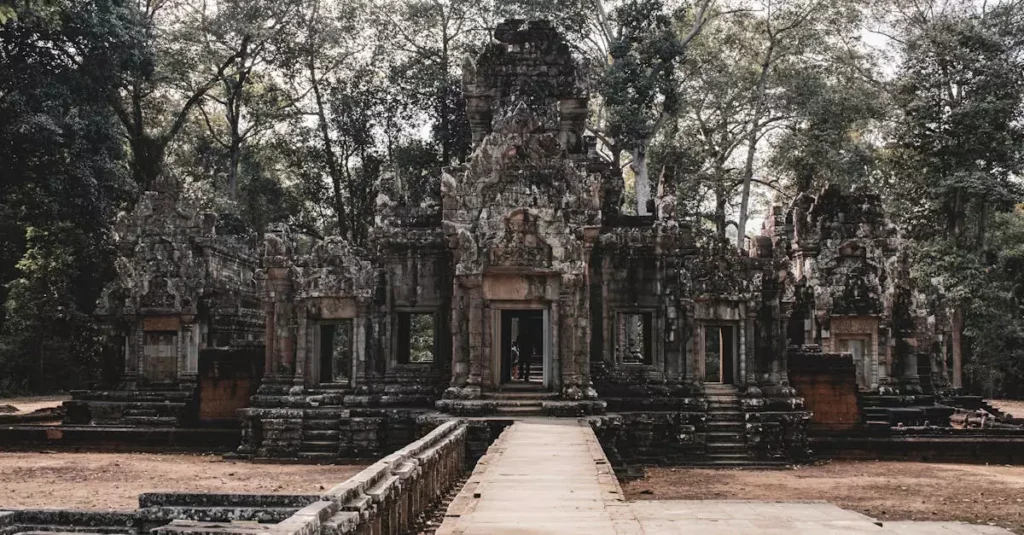
Siem Reap serves as the doorway to Cambodia’s ancient Angkor temples, attracting visitors with its blend of history and lively culture. To make the most of your visit, its essential to have a clear idea of what siem reap travel cost per day might look like. This knowledge helps avoid surprises and allows for a relaxed, enjoyable trip.
This guide breaks down all the major expenses travelers face, including where to stay, what to eat, how to get around, and what activities to budget for. Whether youre traveling on a shoestring or aiming for a luxurious stay, youll find tips to help you stretch your money while soaking in the citys unique charm.
From the very start, Siem Reap caters to a wide range of budgets. Here, realistic cost estimates and helpful suggestions come together to ensure your time exploring the temples and local life is both memorable and financially manageable. Lets take a closer look at how to handle your daily expenses during your stay.
Understanding Your Siem Reap Travel Cost Per Day
To get a good grasp of your siem reap travel cost per day, you need to consider several key elements: your accommodation choice, dining habits, and how you plan to explore the Angkor Archaeological Park. Most visitors spend at least three days here, which strikes a nice balance between sightseeing and downtime. Depending on your style, daily spending can swing from just a few dollars for budget travelers to well over a hundred dollars for those seeking comfort.
A standard day often starts early to witness the sunrise at Angkor Wat, followed by hours of temple visits. Hiring a tuk-tuk for the day is a common way to get around. Food costs vary widely, from inexpensive street snacks to meals at more upscale spots. If youre willing to venture off the beaten path, prices tend to be lower. Being aware of these basics helps set a practical daily budget. Planning ahead can also cut down your overall costs, especially since prices can rise a bit during the busy tourist seasons.
Additional expenses like massages, cooking lessons, or souvenirs add flavor to your trip but arent mandatory. Well break down each category so you can customize your spending based on your preferences. Cambodias official currency is the Cambodian Riel (KHR), yet US dollars are widely accepted and preferred for bigger purchases. Carrying small bills in USD is wise to avoid trouble with change and get better rates.
Accommodation: Where to Rest Your Head in Siem Reap
Where you stay plays a big role in determining your siem reap travel cost per day. The city offers a broad spectrum of lodging options, ranging from simple hostels to upscale resorts. Compared to many Western cities, youll find good value here. Many travelers settle into guesthouses or mid-range hotels that often feature pools, offering a comfortable place to relax after a day touring temples. Free Wi-Fi and complimentary breakfast are common extras that help reduce daily expenses.
For those on a tight budget, hostels abound and are very affordable. Dormitory beds typically fall between $4 and $8 per night, while private guesthouse rooms start at about $10-$20. These are ideal for saving money and meeting fellow travelers in shared spaces. Mid-range hotels, running $25 to $60 per night, provide more amenities such as air conditioning, private bathrooms, and often a pool. These spots offer a nice compromise between comfort and cost, especially helpful in Cambodias warm climate.
Luxury seekers can choose from an array of boutique hotels and high-end resorts, with prices from $70 up to $200 or more per night. These properties often include spa services and upscale dining, delivering a pampered experience after a day of sightseeing. Location matters: staying near Pub Street or the Old Market is convenient but can be noisy, while quieter neighborhoods a bit farther out might offer better value. Checking recent reviews is always smart, and many hotels provide helpful extras like airport pickups or tuk-tuk arrangements for temple tours.
Temple Hopping: Angkor Wat Entry Fees and Tour Costs
Visiting the Angkor Archaeological Park is the highlight for most tourists, so budgeting for the Angkor Pass is essential when calculating your siem reap travel cost per day. The park offers three ticket options: a 1-day pass at $37, a 3-day pass for $62, and a 7-day pass costing $72. The 3-day pass is the favorite for those who want a thorough experience without feeling rushed. Tickets are bought at the official Angkor Enterprise office, which opens early each day.
Getting around the park is a key part of your expenses. Since the temples are spread out, walking isnt practical. Hiring a tuk-tuk driver for a day is the norm. Expect to pay around $15-$20 for the Small Circuit, which covers Angkor Wat, Angkor Thom, and Ta Prohm. For the Grand Circuit, which includes more distant temples, prices rise to $20-$25. Drivers usually wait at each temple, giving you flexibility. If you prefer comfort, renting a car with a driver costs roughly $30-$50 daily, a good choice in the hotter months. Many tuk-tuk drivers speak basic English and can share interesting facts about the sites.
For the more active traveler, renting a bicycle costs between $1 and $3 per day. Its budget-friendly but requires stamina, especially under the sun. Electric bikes offer a middle ground at $10-$15 daily. When visiting, carry plenty of water and dress appropriately. Hiring a guide costs about $30-$50 per day and can add rich historical context to your visit. Be sure to agree on prices with tuk-tuk drivers and guides before you set off to avoid misunderstandings.

Dining in Siem Reap: Food Costs for Every Budget
Sampling local cuisine is one of the joys of visiting Siem Reap, and your food choices will have a big impact on your overall siem reap travel cost per day. The variety here spans from lively street vendors to elegant dining establishments. Many travelers enjoy authentic Khmer dishes, which are both delicious and affordable. Eating where locals do often guarantees both authenticity and savings.
Street food is the cheapest option, with meals like noodle soup, fried rice, or grilled skewers costing between $1 and $3. These stalls are typically found near markets and busy streets, offering quick, tasty bites. Khmer restaurants, popular among locals and tourists alike, serve dishes such as Amok (a creamy fish curry) or Lok Lak (stir-fried beef) at prices ranging from $3 to $7. Many smaller hotels and guesthouses also have their own eateries with similar pricing.
Restaurants targeting tourists, especially near Pub Street and the Old Market, offer a blend of Khmer and Western dishes, with main courses priced between $7 and $15. These venues provide a more comfortable setting and cater to international palates. For those wanting to indulge, fine dining options exist with meals costing $20 to $50 or more per person, featuring sophisticated menus and elegant surroundings. Many visitors enjoy mixing budget meals with occasional splurges. Dont miss trying fresh fruit shakes, which typically cost $1 or $2 and are refreshing treats.
Transportation Within Siem Reap: Getting Around Affordably
Getting around Siem Reap outside the Angkor Park is quite straightforward and affordable, influencing your siem reap travel cost per day. The city center is compact, so walking works well for short distances. When traveling farther or during the heat of the day, tuk-tuks offer a convenient and charming mode of transport. Theyre plentiful and drivers are usually eager to help.
A short tuk-tuk ride inside the city, such as from your hotel to Pub Street, typically costs between $1 and $3. Always settle on the price before you start to avoid surprises. For travelers who prefer digital convenience, the Grab app operates here, letting you book tuk-tuks or cars at transparent rates. This option often costs the same or less than street-hail rides for short trips.
Bicycle rentals, available for $1 to $3 per day, provide a budget-friendly way to explore independently. Many accommodations offer them, or you can rent from local shops. Keep in mind traffic conditions, especially during busy hours. Some visitors rent motorbikes, but without a Cambodian license this is risky due to insurance and safety laws. For getting to and from the airport, tuk-tuks usually charge $5-$7, while taxis range from $10 to $15. Confirm prices with your hotel or driver beforehand.
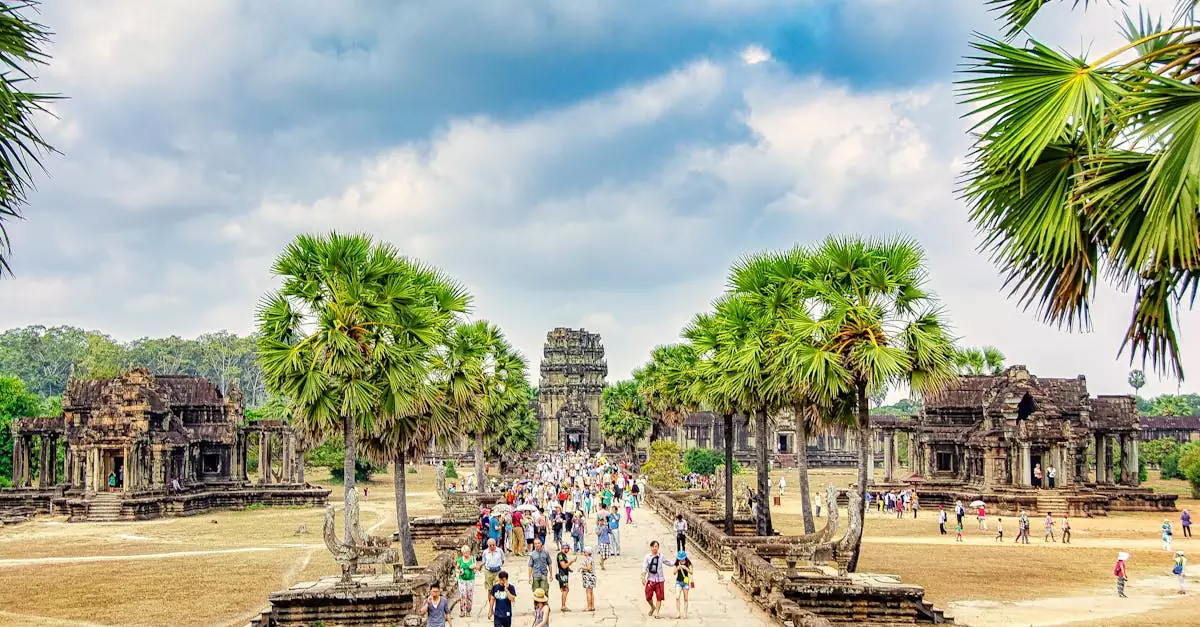
Activities and Entertainment: Beyond the Temples
While the temples are the main attraction, Siem Reap offers plenty of other activities that can add to your siem reap travel cost per day. These options let you dive deeper into Cambodian culture or simply relax. Visitors often balance temple tours with cultural shows, vibrant markets, and other entertainment suited to various budgets.
The renowned Phare, The Cambodian Circus, is a favorite cultural event, combining acrobatics, theater, and music to narrate Cambodian tales. Tickets vary from $18 to $35 depending on seating. Its a highly recommended way to spend an evening. For a more restful experience, traditional Khmer massages cost between $5 and $10 per hour, with many massage parlors throughout townideal for unwinding after long days on foot.
Exploring Pub Street comes free, though food and drinks will add to your expenses. Local beers during happy hour can go for as low as 50 cents to $1. The Old Market and Night Market offer opportunities to shop for souvenirs and sample street food; bargaining is a must here. Cooking classes, which include market visits and lessons in Khmer cuisine, usually cost between $20 and $35. Other adventures like quad biking, zip-lining, or boat trips to floating villages on Tonl Sap Lake vary from $25 to over $50 depending on the activity. Always book with trusted operators for the best experience.
Siem Reap Budget Comparison Table
To give you a clearer idea of what your daily expenses might look like, heres a comparison table showing typical costs across different travel styles. This overview highlights how your choices influence your budget, with most travelers falling between budget and mid-range. Keep in mind these are approximate figures, as costs can shift based on your preferences and bargaining skills.
| Category | Budget Traveler (per day) | Mid-Range Traveler (per day) | Luxury Traveler (per day) |
|---|---|---|---|
| Accommodation | $5 – $15 (hostel dorm/guesthouse) | $25 – $50 (mid-range hotel) | $70 – $150+ (boutique/resort) |
| Food & Drinks | $8 – $15 (street food/local eateries) | $20 – $40 (mix of local/tourist restaurants) | $50 – $100+ (fine dining/bars) |
| Angkor Pass (amortized over 3 days) | $21 (3-day pass / 3) | $21 (3-day pass / 3) | $21 (3-day pass / 3) |
| Local Transportation (tuk-tuk/bike) | $5 – $10 (bike/shared tuk-tuk) | $15 – $25 (private tuk-tuk) | $30 – $50 (car with driver) |
| Activities/Misc. | $5 – $10 (massage/small souvenir) | $15 – $30 (Phare Circus/cooking class) | $40 – $80+ (spa/excursions) |
| Total Estimated Daily Cost | $44 – $71 | $96 – $166 | $211 – $401+ |
Pros and Cons of Budget Travel in Siem Reap
Opting to travel on a budget in Siem Reap comes with clear benefits and some downsides. The citys affordability makes it accessible for those watching their spending, and choosing local options brings a genuine feel of the place. However, keeping costs as low as possible also means accepting certain compromises.
Pros of Budget Travel:
- Authentic Experiences: Frequenting local food stalls and public transport immerses you in everyday Cambodian life, offering more meaningful interactions.
- Significant Savings: Traveling on a tight budget lets you stretch your funds for longer trips, perfect for those exploring the region extensively.
- Flexibility: Budget options often require less upfront booking, allowing for spontaneous changes in your plans.
- Community: Staying in hostels and guesthouses makes it easier to meet fellow travelers and share stories.
Cons of Budget Travel:
- Less Comfort: You might miss amenities like air conditioning or private bathrooms, and transport could be less comfortable.
- Time-Consuming: Searching for the best deals and haggling can take extra effort and time.
- Limited Choices: Some premium experiences or higher-end dining might be out of reach.
- Potential for Scams: Budget travelers may be more vulnerable to overcharging, especially with tuk-tuk drivers, so always agree on prices beforehand.
Reality Check: Although Siem Reap is generally affordable, always choosing the cheapest can sometimes lead to small inconveniences. Upgrading accommodation or transport slightly can greatly improve your comfort without drastically increasing your siem reap travel cost per day. Striking the right balance is key.
Practical Tips for Managing Your Siem Reap Travel Cost Per Day
Keeping your siem reap travel cost per day in check requires some thoughtful strategies and adopting local habits. Wise planning and small savings accumulate over time, helping you stay on budget without sacrificing your experience. Here are some tips to make your money go further.
- Bargain Respectfully: Haggling is expected at markets and with tuk-tuk drivers, but always do so politely and with a smile. Avoid being pushy.
- Stay Hydrated Smartly: Purchase large water bottles from supermarkets for $0.50-$1 and refill at hotels when possible to save money and reduce plastic waste.
- Eat Local: Explore eateries beyond the tourist hubs. Local restaurants serve authentic Khmer dishes at much lower prices.
- Use Local SIM Card: Grab a local SIM on arrival for cheap data ($2-$5) to avoid costly roaming and stay connected.
- Book Accommodation in Advance: Especially during busy seasons, early booking can secure better deals and more choices.
- Walk When Possible: For short trips, walking is free and lets you discover hidden gems around the city.
- Consider a Multi-Day Angkor Pass: If you plan to see temples over several days, the 3-day or 7-day pass offers better value than multiple single-day tickets.
- Important Tip 1: Carry Small Bills: US dollars are widely accepted, but having small denominations ($1, $5, $10) is handy for tuk-tuk rides, street food, and market purchases where change can be tricky.
- Important Tip 2: Be Aware of Peak Season: Visiting during shoulder seasons like May-June or September-October might bring lower prices and fewer tourists, though weather can be hotter or wetter.
Cambodias culture is rich and welcoming. Learning simple Khmer phrases such as ‘Sok sabay’ (hello/how are you) and ‘Arkoun’ (thank you) can deepen your interactions with locals and show cultural respect. For additional travel resources, the official Tourism Cambodia website offers valuable information to help plan your journey.
Frequently Asked Questions About Siem Reap Travel Costs
How much money should I budget for Siem Reap per day?
For budget travelers, a daily amount between $45 and $70 is typical. Mid-range visitors might expect to spend $90 to $150 each day, while luxury travelers could easily exceed $200 daily. These figures cover accommodation, meals, temple passes, and local transportation.
Is it cheaper to pay in USD or Cambodian Riel in Siem Reap?
US dollars are accepted almost everywhere and preferred for most payments. Prices are commonly quoted in USD, so its best to carry small-dollar bills. Cambodian Riel is mainly used for small purchases or as change when paying in USD.
What is the cost of an Angkor Wat ticket?
The Angkor Pass costs $37 for a single day, $62 for three days, and $72 for a week. Most visitors opt for the 3-day ticket. Tickets must be purchased at the official Angkor Enterprise ticket office, not at the temple entrances.
How much does a tuk-tuk cost for a day in Angkor Park?
Hiring a tuk-tuk for a full day ranges between $15 and $25, depending on the route you take and your negotiation skills. Always agree on the price before starting your tour to avoid confusion.
Can I save money on food in Siem Reap?
Absolutely. Eating at local street vendors and Khmer restaurants can keep food costs as low as $1 to $3 per meal. Avoid tourist-heavy zones for the best value and authentic flavors. For broader context on Cambodias culture and economy, check out Cambodia’s Wikipedia page.
Conclusion: Planning Your Siem Reap Adventure
Having a clear idea of your siem reap travel cost per day sets the stage for an unforgettable and well-managed trip. Siem Reap delivers remarkable value, welcoming travelers across budget ranges to explore its treasures. By making informed choices on where to stay, what to eat, and how to get around, you can tailor your expenses to fit your preferences. Many find that mixing budget-friendly options with occasional indulgences creates a rich, balanced experience that doesnt strain the wallet.
Whether youre admiring the ancient Angkor temples, enjoying flavorful Khmer dishes, or wandering lively markets, Siem Reap offers a journey full of discovery. Use practical strategies to stretch your budget, embrace the local customs, negotiate fairly, and prioritize your safety. This Cambodian city is ready to reveal its wonders to those who venture within.
With thoughtful planning and an understanding of typical costs, your time in Siem Reap will be both rewarding and affordable. Take in every moment of this remarkable adventure!