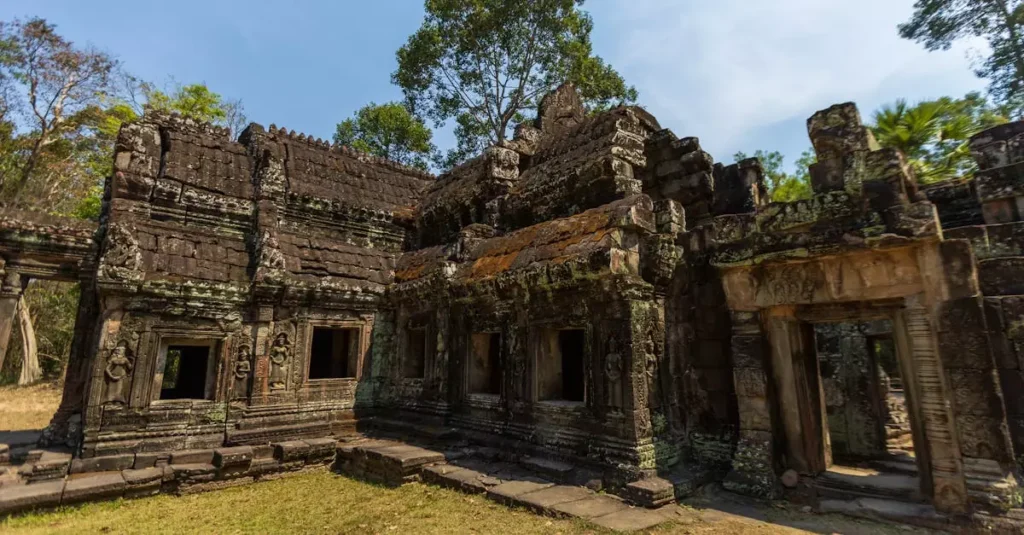
Introduction to Your Angkor Wat Adventure
For many travelers, seeing the ancient temples around Siem Reap ranks high on the bucket list. A smooth cambodia hidden fees angkor wat visit takes more planning than simply buying an entry ticket. Plenty of visitors assume the gate fee is the only cost, then are surprised by small daily expenses that quietly eat into the budget. Knowing about these charges ahead of time lets you soak in the temples without money-related stress.
The Kingdom of Cambodia houses some of Southeast Asias most striking historical treasures. Angkor Archaeological Park is the headline act, but the local area supports a lively service economy. Transport, meals, and local conveniences each carry their own price tags. Being mindful of those basics helps you travel respectfully and economicallymost visitors spend three to five days wandering the complex.
This article lays out the potential costs you might encounter on site. It covers everything from transport surcharges to the price of a chilled coconut beside the ruins. By the time you finish reading, youll have practical ways to handle full angkor extra costs, along with real-world 2026 price examples. That way you can enjoy the history without wallet surprises.
Understanding the Official Angkor Pass Pricing
Your first purchase is the Angkor Pass, the only valid ticket to enter the park. Rates are steady as of 2026, but choosing the right duration matters. A one-day ticket costs $37 and suits travelers on a tight schedule, but most people find a single day barely scratches the surface and leads to a rushed experience.
The three-day pass is $62 and remains valid for ten dayshence its popularity with international visitors who want to space out temple visits. For deeper exploration, a seven-day pass costs $72 and can be used across one month. All passes must be bought at the official ticket center outside the main park entrance; avoid offers from street sellers or third-party vendors.
When you buy a pass the staff will photograph you; that image is printed on the ticket to prevent sharing. Keep it in a waterproof sleeve or a secure pocket because park rangers check passes at major temple entrances. Lost tickets are not refundedyoull need to repurchase at full priceso treat this initial expense as the first of several cambodia hidden fees angkor wat visit items to budget for.
Cambodia Hidden Fees Angkor Wat Visit: Beyond the Ticket
The entry fee tells only part of the story; a cambodia hidden fees angkor wat visit often comes with small surcharges that quickly add up. A familiar example is the extra charge for sunrise trips: tuk-tuk drivers usually ask for about $5 more to start extremely early and wait while you watch the sunrise. Its a common practice in Siem Reap, so factor it into your daily plans.
Another frequently overlooked cost comes from the strict dress code. Temples require covered shoulders and knees; visitors in sleeveless tops or short shorts can be refused entry. Many end up buying scarves or trousers from stallholders near the gates for $5$10. Bringing modest clothing from home avoids these full angkor extra costs and shows respect for local religious customs.
There are other small charges to mind as well. While most toilets within the park are free for pass holders, some privately run facilities ask for about 1,0002,000 Cambodian Riel. A few outlying shrines may also need separate permits, so always confirm that your Angkor Pass covers the site you plan to visit to avoid unexpected cash requests at the gate.
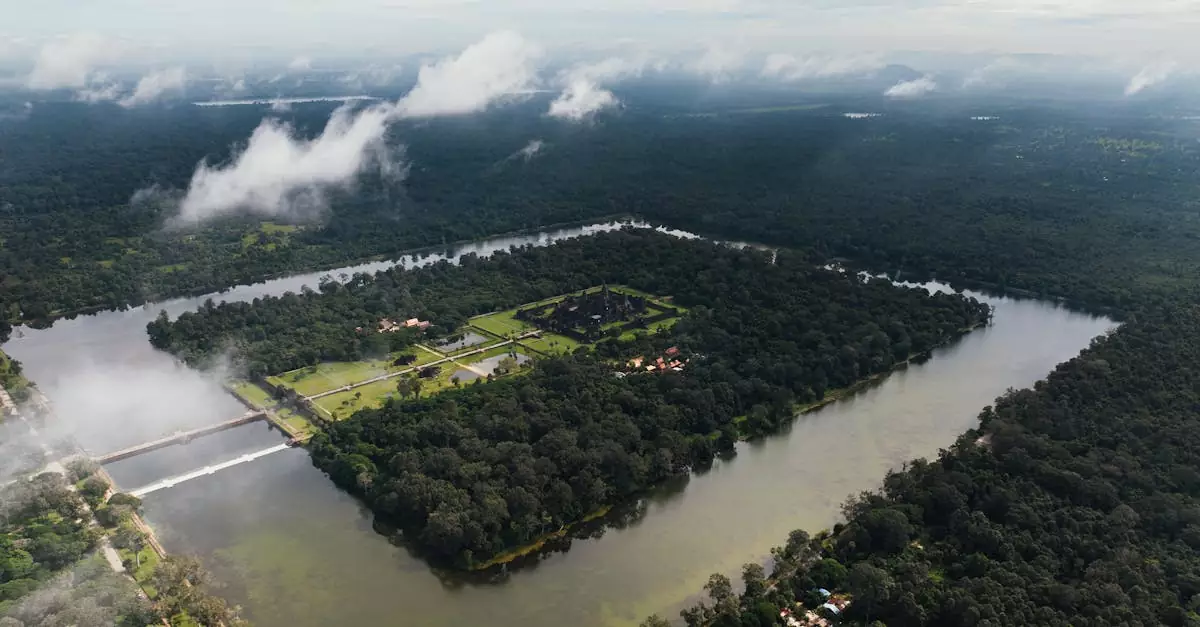
Transportation Costs in Siem Reap and the Temple Complex
The temple grounds are vast, and walking between major sites is rarely practical in the heat. Tuk-tuks are the most common mode for tourists: expect to pay roughly $15$18 per day for the small circuit and about $20$25 for the grand circuit, both typically including a waiting driver. Always agree on the rate before you set off.
If air conditioning matters, private cars run about $35$50 per day and are a sensible choice for families or groups. Official transport guidance is available through tourismcambodia.org or hotel desks. Trips to farther sites like Banteay Srei carry additional fuel and time costsplan on another $10$15 for extended distances.
Bicycles are the cheapest option, at roughly $2$5 per day, though the Cambodian heat makes cycling demanding. E-bikes cost nearer $10 daily and reduce physical strain but need charging options. No matter which you choose, transportation is a major line item in your cambodia hidden fees angkor wat visit budget, so map your route to minimize back-and-forth travel.
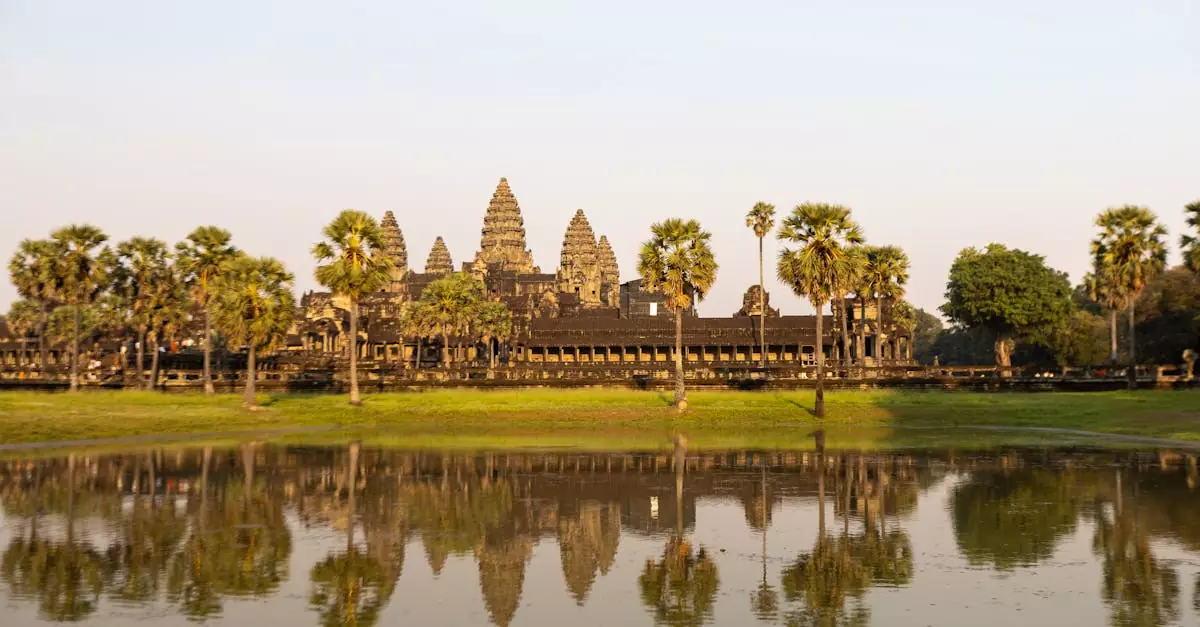
Food and Drink Expenses During Your Temple Tour
Meals inside Angkor Archaeological Park tend to be pricier than those in Siem Reap town because many temple-side eateries charge tourist rates. Expect a basic plate of fried rice or Amok to go for $6$10 inside the park; the same dish downtown might cost about $3. Buying food in town or packing a meal from a local bakery can trim daily spending.
Staying hydrated is essential in Cambodias tropical climate. Bottled water inside the park runs about $1 each, and you may need several bottles per day. Some hotels offer refillable bottles to cut plastic waste and save cash. Fresh coconuts are a popular, cooling option and usually cost around $1$1.50, though prices rise closer to popular temples such as Ta Prohm.
Be cautious with vendors offering seemingly “free” samplesthese can lead to a sales pitch and social expectation of payment. Stick to established stalls with posted prices. Another money-saving tactic is taking advantage of hotel breakfasts to skip an expensive lunch and rely on light snacks while sightseeing. Controlling food choices is one of the easiest ways to manage your cambodia hidden fees angkor wat visit budget.
Tipping Culture and Guide Fees in Cambodia
Tipping isnt compulsory in Cambodia, yet its commonly appreciated and often supplements modest local wages. For private guides, $5$10 per day is the customary range for good service. Tuk-tuk drivers who offer extra help also welcome small tips. These gestures help support the local community while acknowledging hard work.
Hiring a licensed guide adds depth to the visit: guides explain historical context, iconography, and local beliefs. Licensed guides charge roughly $35$45 per day, separate from transport costs. Although this raises the overall spend, a knowledgeable guide saves time and highlights the best spots for photos and quieter moments, enriching your cambodia hidden fees angkor wat visit.
You may encounter locals or children offering to show shortcuts or viewpoints for a small fee. For safety and accuracy, its generally better to stick with official guides. Avoid giving money directly to begging children; instead, consider supporting reputable NGOs or buying crafts from verified social enterprises. Factoring tips into your budget prepares you for these social expectations and adds responsibility to your travel spending.
The Reality of Full Angkor Extra Costs for Specialized Activities
Special interests bring additional full angkor extra costs. Professional photography or drone flights, for example, require permits; flying a drone without one can result in fines or confiscation. Permits can be costly and time-consuming to secure, so most casual visitors rely on phones or handheld cameras. Note that some busy areas may restrict tripod use at peak times.
There are premium experiences availablesunrise breakfast boxes from upscale hotels or helicopter flights over the ruinsbut they come with a high price tag. A hotel breakfast box might be around $15, while a helicopter tour runs into the hundreds. These options arent necessary to appreciate the site; you can enjoy a sunrise with your pass and transportation, though expect crowds at reflection ponds.
Nearby attractions such as the “Angkor Eye” ferris wheel or hot-air balloon rides offer aerial views for roughly $15$25 per person. Theyre enjoyable extras but can inflate daily spending quickly. If your prime interest is the temples and their history, these activities are optional; if you want a different vantage point, they may be worth the cost. Prioritize expenditures based on what you value most.
Comparison of Estimated Daily Costs for Angkor Wat
Below is a cost comparison to help with planning. Estimates cover ticket amortization, transport, meals, and common cambodia hidden fees angkor wat visit items for a 2026 visit and are per person. Actual spending will depend on choices and negotiating skills.
| Expense Category | Budget Traveler | Mid-Range Traveler | Luxury Traveler |
|---|---|---|---|
| Daily Pass Portion | $37 (1-day) | $21 (3-day avg) | $10 (7-day avg) |
| Transportation | $5 (Bicycle) | $18 (Tuk-Tuk) | $50 (Private Car) |
| Food & Water | $10 (Packed) | $25 (Cafe) | $60 (Fine Dining) |
| Guide Fee | $0 (Self-guided) | $20 (Shared) | $45 (Private) |
| Extra Fees/Tips | $2 | $10 | $25 |
| Total Daily Est. | $54 | $94 | $190 |
Pros and Cons of Hiring a Local Guide
Whether to hire a guide is a central decision in planning your cambodia hidden fees angkor wat visit. There are clear advantages and trade-offs depending on your appetite for information, budget, and desired pace. The list below highlights the typical benefits and drawbacks of engaging a local, professional guide.
- Pros: Guides provide cultural and historical detail you wont easily find on signs or in guidebooks. They navigate the complex layout and know when and where crowds thin out. Many are happy to take photos for your group.
- Cons: Hiring a guide increases your full angkor extra costs and can limit flexibility if you prefer to linger at certain spots. Some guides follow a set routine that may feel hurried.
- Pros: Choosing a local guide supports Siem Reaps economy and helps bridge language gaps with vendors and drivers.
- Cons: Quality varies, so research and referrals are important. If solitude and personal pacing are priorities, a guide could feel intrusive.
Practical Tips to Save Money and Avoid Scams
With a bit of forethought, you can keep cambodia hidden fees angkor wat visit costs down. Carry small denominations of US Dollars or Cambodian Riel since vendors sometimes claim they lack change for large bills, which can pressure you into spending more. Buying bottled water and snacks in Siem Reap before heading to the temples cuts costs significantly.
Avoid people who offer to take your photo for “free”they often expect a tip afterward. Asking another tourist to help is usually easier. Download an offline map or a trusted guide app to reduce reliance on paid guides when on a tight budget. Also check change carefully: old or damaged US bills may be refused, so insist on crisp notes when possible.
Sunset viewpoints near the main temples are commonly crowded and have inflated prices. Seek out quieter, lesser-known temples for beautiful evening views without the premium. A few extra minutes of walking often leads to better vistas and lower costs. These practical steps help keep full angkor extra costs under control while improving the quality of your visit.
Frequently Asked Questions About Angkor Wat Fees
How much is the Angkor Wat ticket for children?
Children under 12 enter the Angkor Archaeological Park free of charge. You may be asked to present a passport as age verification when purchasing tickets at the counter, which makes the site very family-friendly.
Do I need to tip my tuk-tuk driver every day?
Tipping is optional, but a small gesture of $2$5 at the end of the day is a common and appreciated practice. If you use the same driver for multiple days, a larger tip on the last day is a nice way to show gratitude for consistent service.
Are there ATMs inside the Angkor Archaeological Park?
ATMs within the temple complex are rare and often unreliable. Withdraw sufficient cash in Siem Reap town before you go; most vendors inside the park accept cash only, in either USD or Riel.
Can I buy water cheaply near the temples?
Bottled water is pricier near the templesabout $1 per bottlecompared with roughly $0.25 in town. Purchasing a multipack in Siem Reap and carrying bottles with you is an effective way to save.
Is travel insurance mandatory for visiting Cambodia?
Travel insurance is not required for entry to Cambodia, but its highly recommended. Medical care for accidents or heat-related issues can become costly, and insurance protects you from unexpected expenses during your cambodia hidden fees angkor wat visit.
Conclusion: Planning for a Stress-Free Visit
Angkor Wat is a highlight of Southeast Asia travel, but a clear understanding of cambodia hidden fees angkor wat visit expenses makes the experience smoother. Budgeting for transport, meals, tips, and incidental costs like water and dress-code items prevents unpleasant surprises over several days of exploration. Preparing ahead lets you focus on the temples architecture and history.
From backpackers to luxury travelers, Siem Reap offers options to suit every preference. Use the cost comparison and practical tips here to design a trip that fits your priorities. With sensible planning for full angkor extra costs, you can visit these remarkable sites respectfully and comfortably. The temples awaitenjoy your 2026 adventure among some of the worlds most impressive ruins.