Planning Your Perfect Trip to Siem Reap
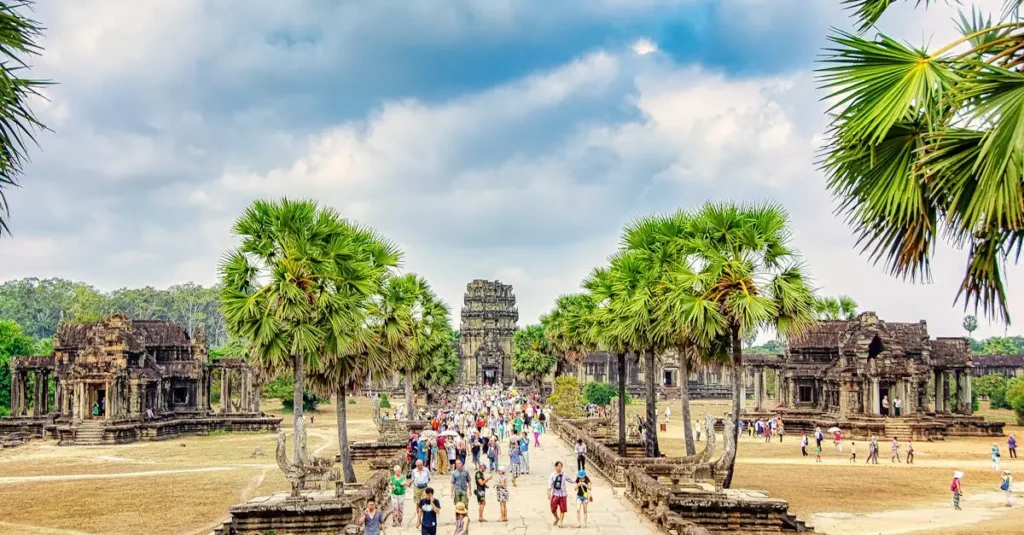
Siem Reap sits at the center of Southeast Asian tourism, largely because of the Angkor Wat temple complex. Deciding how long to stay comes down to balancing time, energy, and budget: can you cram the essentials into a single day, or is a longer visit worth the extra expense? This siem reap one day vs two day visit cost comparison lays out the numbers for 2026 so you can choose the right itinerary for your trip.
Your choice between one or two days will reflect both how much you want to see and how much you want to spend. Cambodia remains budget-friendly, but entrance fees and travel between sites can quickly add up. Below youll find a full breakdown of expected costs from Angkor passes to tuk-tuks, meals, and accommodation so you wont face surprise expenses during your time in Cambodia.
Read on for daily cost estimates for short and longer visits, up-to-date Angkor pass options, and practical savings tips. Whether youre traveling solo or with family, the angkor 1 vs 2 day cost details here should make it easier to decide how much time to devote to the ruins.
Understanding the Angkor Pass Ticket System
The Angkor Pass is the single biggest line item on most visitors budgets and is issued by the Angkor Enterprise at the official ticket center. Despite common expectations, there isnt a two-day ticket: the available options are a 1-day pass for $37 or a 3-day pass for $62, the latter valid for any three days within a ten-day window. That detail trips up a lot of first-time visitors.
Looking at the angkor 1 vs 2 day cost, the ticket price makes the largest jump. Paying $25 more for the 3-day pass lowers the per-day entrance cost: $37 per day for a single entry versus about $31 per day if you use two days from the 3-day pass. Children under 12 enter free with a passport shown at the gate, which can substantially reduce costs for families.
The ticket center accepts cash and cards and operates from 4:30 AM to 5:30 PM. If you purchase a ticket after 4:45 PM, you can enter that evening to catch the sunset at no extra charge and the ticket will remain valid the next day a useful trick for getting extra value. For updates on fees or holiday hours check the official tourism board, and always keep your ticket with you, as guards check it at major temple entrances.
Siem Reap One Day vs Two Day Visit Cost Comparison
Comparing one and two-day visits goes beyond the Angkor pass: transport, food, and bottled water change the total significantly. A one-day schedule tends to be packed; most visitors hire a tuk-tuk for the Small Circuit, which typically costs $15$20. Expect to pay an extra $5 for an early-morning sunrise pickup. If you stay two days, transport costs rise because the second day often includes the Grand Circuit or outlying sites like Banteay Srei, pushing tuk-tuk fares to around $25$30.
Meals inside the park are pricier than in town: a basic lunch at a temple stall runs $6$10, whereas similar fare in Siem Reap can be about $3. One-day visitors often eat once inside the park, while two-day visitors may eat there twice, adding roughly $10$20 to the bill. Large bottles of water cost about $1 in the park; in hot weather plan on at least three bottles per person each day while touring the geographical history sites.
Accommodation also affects totals. A one-day temple visit usually still requires two hotel nights; a two-day visit often means three nights. Budget rooms are commonly around $20 per night and mid-range properties about $50. That extra night raises your outlay, but it also offers a break between temple days, helping you avoid exhaustion and making the overall trip more enjoyable for many travelers.
One-Day Visit: Detailed Budget and Itinerary
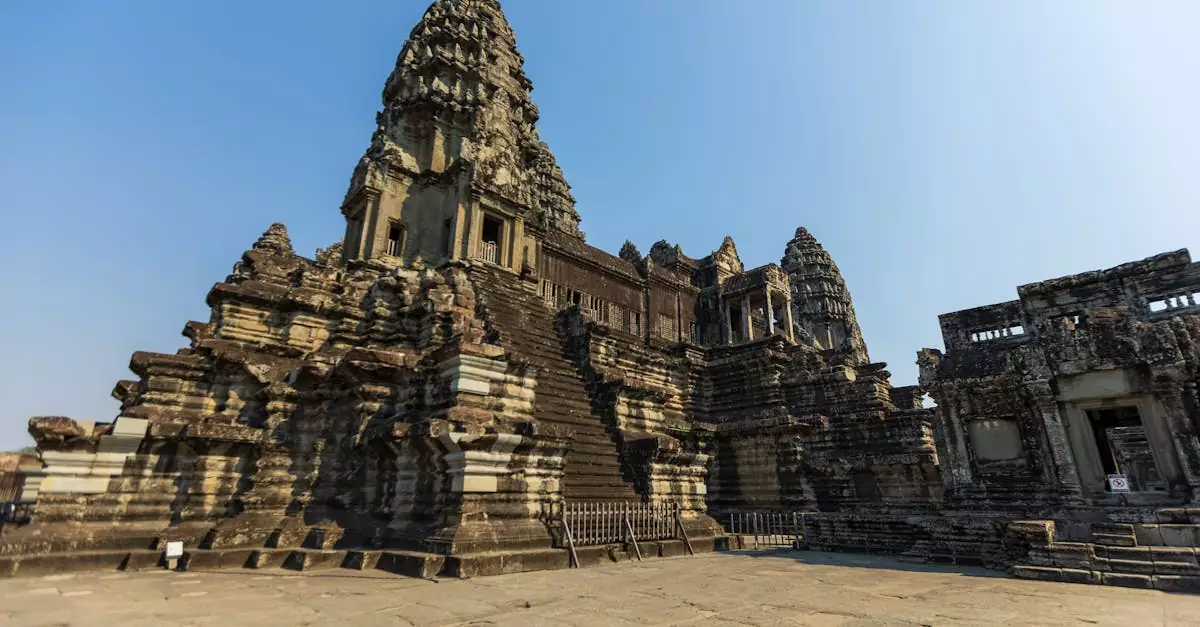
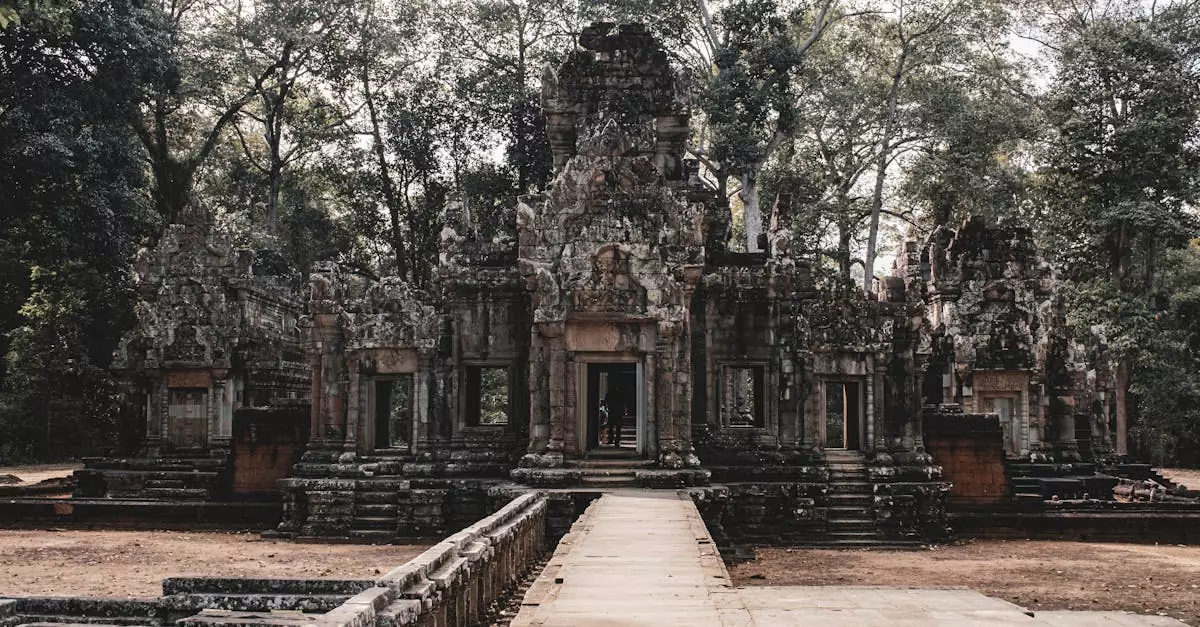
A one-day tour is intense and aims to capture the highlights. Most itineraries begin at 4:30 AM to watch the sunrise at Angkor Wat a popular and crowded spectacle then proceed to Angkor Wats main galleries, Angkor Thom with the Bayon, and finish at Ta Prohm, the jungle-entwined “Tomb Raider” site. That route hits the must-see spots and fits travelers with limited time or strict budgets.
Expect the one-day outlay for a solo traveler to be roughly $85: $37 for the pass, about $20 for a tuk-tuk (including the sunrise surcharge), $15 for food and water, and roughly $13 for tips and sundries. Hotel costs are extra. Sharing a tuk-tuk with another person can cut the transport portion significantly. The day typically runs 810 hours and involves several kilometers of walking and numerous stair climbs.
Because the schedule is tight, many visitors feel pressed for time and fatigued by midday heat that can reach 35C. Tours often wrap up around 2:00 PM to avoid the worst heat. Youll see the main attractions, but youll miss quieter, less crowded temples and the leisure to linger over details.
Two-Day Visit: Detailed Budget and Itinerary
Adding a second day gives you access to the Grand Circuit and more distant monuments. A common plan is to do the Small Circuit on day one and use day two for sites like Preah Khan, Neak Pean, and Banteay Srei the latter noted for pink sandstone and fine carvings about 35 km from town. Two days reveal more architectural variety and more green, less-visited settings.
The two-day estimated cost for one traveler comes in around $155: $62 for the pass, about $50 for two days of tuk-tuk travel, $30 for meals and water, and $13 for extras. Sharing transport can reduce this. The pace is gentler, allowing longer photo stops, shade breaks, and midday rests at the hotel comforts that many find worth the added expense.
Many visitors prefer the two-day choice because it eases fatigue and gives time for quieter moments at the temples. Splitting visits across two mornings helps avoid the biggest crowds, and sunset spots like Pre Rup on the second evening make for memorable views. While more costly, the extra day typically delivers a richer experience.
Comparison Table: One Day vs Two Days
Below is a simple cost breakdown for a solo traveler using mid-range estimates in USD. You can lower costs by dining at local markets or raise them by choosing private air-conditioned transport. This table focuses on the angkor 1 vs 2 day cost comparison so you can clearly see the spending differences.
| Expense Category | One-Day Visit (USD) | Two-Day Visit (USD) |
|---|---|---|
| Angkor Pass Ticket | $37 | $62 |
| Tuk-Tuk Transport | $20 | $50 |
| Food and Water | $15 | $30 |
| Hotel (Budget/Mid) | $40 (2 nights) | $60 (3 nights) |
| Total Estimated Cost | $112 | $202 |
The total nearly doubles when you add a second day, mainly because of the higher pass price and an extra hotel night. Still, the per-hour cost for your temple time falls: you get more relaxed hours onsite for a relatively modest increase in the overall budget. If historic depth matters to you, that extra outlay often pays dividends.
Pros and Cons of Each Option
Money isnt the only factor; physical stamina and how deeply you want to engage with Khmer history matter too. Temples can start to blur after several hours for some visitors, while others want to examine every carving. Below are quick advantages and drawbacks to help you weigh your options for 2026.
- One-Day Pro: Lower ticket and hotel costs.
- One-Day Pro: Fits tight schedules or short stops in Cambodia.
- One-Day Con: Very tiring and can feel rushed.
- One-Day Con: Likely to experience ‘temple fatigue’ by afternoon.
- Two-Day Pro: Slower pace and more relaxed visits.
- Two-Day Pro: Access to distant, quieter sites.
- Two-Day Con: Higher overall expenses.
- Two-Day Con: Requires sustained energy across two days.
Photographers generally benefit from the two-day option to catch varied light at different monuments. Families with young kids might find the one-day schedule too demanding. Travellers just passing through may prefer a single-day overview. Think also about the local social context and how your spending supports local livelihoods through tourism.
Practical Tips to Save Money in Siem Reap
There are simple ways to keep costs down no matter how many days you choose. Carry a refillable water bottle: many hotels provide refill stations, saving $2$3 per day and cutting plastic waste. If breakfast is included, use it or ask for a packed breakfast to avoid expensive temple-area meals.
Try hiring a tuk-tuk driver directly rather than through hotel channels; direct negotiation often lowers the fare. A fair rate for the Small Circuit is about $15, and drivers you like may offer a discount for a second day. For evening meals, the night markets in Siem Reap serve tasty Khmer dishes for $2$4, which is far cheaper than many restaurants on Pub Street.
Important Tip: Keep small denominations of US dollars or Cambodian Riel on hand; many vendors cannot break a $20 bill. Reality Check: The heat is relentless dont skimp on water. Spending a few extra dollars on hydration and a sun hat is a small price to avoid illness and ruined plans.
Conclusion: Which Option Should You Choose?
Your decision hinges on budget, time, and how deeply you want to explore the ruins. If your schedule is tight and you mainly want to see Angkor Wats highlights, a one-day trip delivers the key sights and saves roughly $90. Its a demanding day, but its effective for short-stop visitors.
If your schedule and funds allow, two days grant a much fuller experience: more time among the jungle-covered ruins of the Grand Circuit, quieter temples, and less rushing between sites. For many travelers the additional cost yields a richer, more comfortable visit with more opportunities to absorb the history.
Either way, Siem Reap reveals the scale and artistry of the Khmer Empire. Use this siem reap one day vs two day visit cost comparison to set realistic expectations, line up a reliable tuk-tuk driver, and prepare to enjoy an unforgettable journey. Cambodia waits with ancient sites and welcoming locals make the choice that fits your travel style.
Frequently Asked Questions
Can I buy a 2-day Angkor pass?
No. The Angkor Archaeological Park does not offer an official 2-day pass. Visitors pick between a 1-day pass for $37 or a 3-day pass for $62, and most people visiting over two days purchase the 3-day option to cover both entries.
Is it cheaper to use a bike or a tuk-tuk?
Bicycle rental is far cheaper, typically $2$5 per day, but distances and heat can make cycling exhausting. Tuk-tuks cost more but provide shade and quicker transfers between temples.
Are food prices high inside the temple complex?
Yes. Food inside the park is noticeably more expensive than in town. Expect $6$10 for a simple meal in the park versus around $3 in Siem Reap. Packing snacks can reduce daily spending.
Do I need a guide for both days?
A guide is useful but not mandatory. Guides cost approximately $30$40 per day and offer deeper historical insight. Using a quality guidebook or an informative app is a budget-friendly alternative.
Is the sunrise at Angkor Wat worth the extra cost?
Most visitors agree the sunrise is worth the extra $5 tuk-tuk fee for the iconic view of Angkor Wat reflected in the ponds. Be ready for large crowds and an early start to enjoy it fully.