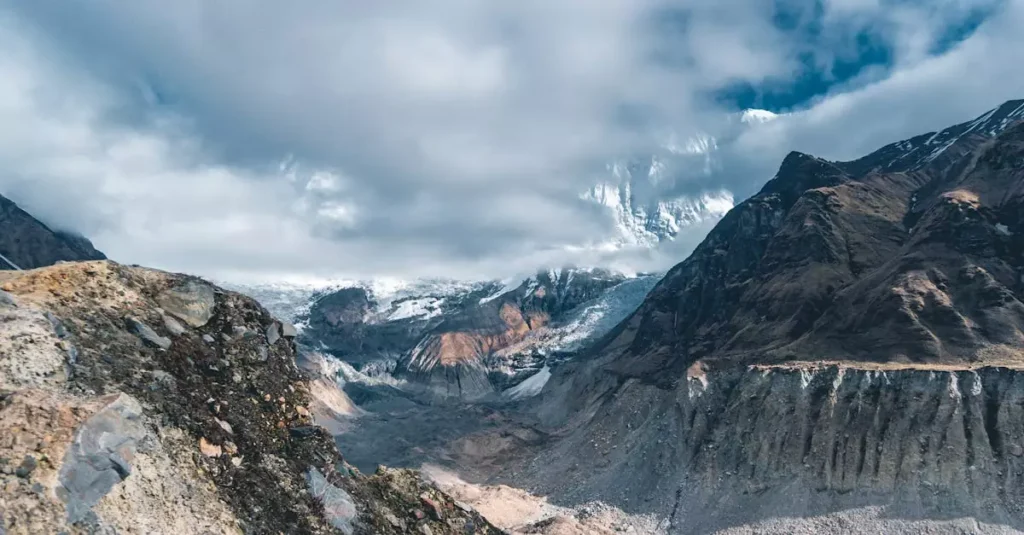
Introduction to Annapurna Base Camp Trekking Costs
Preparing financially for a trip into the Himalayas takes more than a rough estimate. The abc trek peak season price is a key consideration for anyone heading to Nepal in 2026. Trekkers come for epic views of Annapurna I and Machhapuchhre, yet their final bill depends heavily on when they go. Peak months usually bring the best skies and the highest service rates. Knowing typical expenses ahead of time helps you plan a realistic budget so you can enjoy the scenery without being surprised by extra charges on the trail.
The Annapurna region draws visitors with its varied terrain and living cultural traditions. Calculating the annapurna peak trek cost means accounting for items such as permits, guide and porter fees, and daily on-trail spending. During Spring and Autumn, higher demand for tea houses and domestic flights often results in fixed pricing and fewer chances to haggle. Being aware of these patterns lets you concentrate on the walk and the landscapes instead of tracking down hidden costs every evening.
Nepal remains one of the more affordable trekking destinations worldwide, though inflation and regulatory changes in 2026 have nudged budgets upward. Exploring the history and culture of Nepal shows how tourism supports mountain communities. Paying a fair abc trek peak season price contributes to trail upkeep and village livelihoods. Below you’ll find a detailed cost breakdown that outlines most of what youll likely spend on this iconic Himalayan route.
Understanding the ABC Trek Peak Season Price Factors
Your total trek expense hinges on a few practical choices. How you travel to Pokhara sets the tone: a domestic flight from Kathmandu is quicker but pricier than a bus or private jeep. Expect domestic airfares to be highest in March, April, October and November, typically around $100$125 one way. Buses drop that to roughly $10$25, but the trip takes far longer and can be less comfortable.
Where you sleep each night also shapes the abc trek peak season price. Most people use tea housessimple lodges offering a bed and mealsand they fill fast during peak months. Rooms alone usually cost $5$10, yet owners generally expect guests to purchase food there, and opting out can push the room rate up significantly. This approach keeps small mountain businesses solvent and is standard practice throughout the Nepalese Himalayas.
Your daily habits matter as well. Extras such as hot showers, charging devices, and WiFi add to your tally, especially higher up where electricity and fuel are limited. A hot shower might be $3$5 at altitude, and charging electronics often runs $2$4 per device. Those small daily conveniences can tack on $10$15 to your budget, so factoring them in keeps your annapurna peak trek cost closer to reality.
Seasonal Breakdown of Annapurna Peak Trek Cost
When you go is the single biggest variable in your budget. Spring (MarchMay) and Autumn (SeptemberNovember) are the peak windows for steady weather and clear views, and prices rise accordingly. Trekking operators charge premiums for organized trips during these months, with packages that frequently bundle airport pickups, guides, porters and accommodation for convenience.
Off-season travel in Winter and Summer can be cheaper but presents trade-offs. Monsoon rains in Summer make trails slippery and can disrupt flights; Winter brings snow and may close higher sections. You might save about 20% on your annapurna peak trek cost in those periods, yet many high-elevation tea houses shut down, which can make the available options more costly or scarce.
Shoulder periods such as late May or early September often offer a middle groundlower prices with acceptable weather. Still, the abc trek peak season price remains fairly steady throughout the main peak months. Check the Nepal Tourism Board for seasonal advisories on trail conditions and permit rules that could affect your 2026 trekking budget.
Detailed Daily Expenses During Peak Season
Daily trail costs break down mainly into food, water and incidentals. Aside from guide fees, meals represent your largest ongoing expense. A typical plate of Dal Bhat runs $5$8 at lower elevations, but prices climb with altitude because supplies must be carried uphill. Plan on $25$35 per day for three meals and hot drinks to fuel six to seven hours of walking each day.
Water adds up quickly too. A liter of bottled water may cost $1 in the lower valleys and reach $4 near Base Camp. Many trekkers reduce both cost and plastic waste by using purification tablets or filters, or by paying a small fee to fill bottles from tea house taps. Buying treated water at lodges usually costs $1$2 per liter and choosing that option can shave a meaningful amount off your abc trek peak season price over a ten-day itinerary.
Small extrassnacks, tissue paper, modest donationsalso matter. Energy bars and biscuits are cheaper in Kathmandu or Pokhara than on the trail; a Snickers can sell for about $3 up high. Keep some cash handy for toilets, tips, and occasional purchases. If you want to understand how visitor spending benefits local economies, read about tourism in Nepal.
Permit and Documentation Costs in Nepal
Permits are mandatory for trekking in the Annapurna area and are checked at several points along the route. The Annapurna Conservation Area Project (ACAP) permit costs about 3,000 NPR (roughly $23) for international visitors and helps fund conservation and local projects. You can get it in Kathmandu or Pokhara; having it before you start the trail avoids fines and delays.
The Trekkers’ Information Management System (TIMS) card is another required document and, from recent 2026 updates, all trekkers must carry one. The individual TIMS fee is around 2,000 NPR or $15. TIMS aids rescue and tracking efforts in emergencies. These permit fees are fixed elements of the abc trek peak season price, so include them in your budget and bring several passport-sized photos for both applications.
Missing the proper permits can mean being stopped at checkpoints in places like Birethanti or being turned away. Agencies generally sort permits for clients, but always confirm that permit costs appear in any package you buy. The Nepal Tourism portal lists current fees and requirements. Store your documents in a waterproof pouch to keep them intact on the trail.
Guide and Porter Fees for Your Trek
Using a guide or porter is strongly advised on the Annapurna Base Camp trek. Guides keep you on route, share local knowledge and handle logistics; licensed guides in 2026 typically charge $30$40 per day, which normally includes their food, lodging and insurance. While this is a notable part of the annapurna peak trek cost, their expertise and local contacts can be invaluable during busy periods.
Hiring a porter lightens your load and makes daily hiking more comfortable. Expect to pay about $20$25 per day for a porter who will carry up to 20 kgoften split between two trekkers. Tipping is customary: plan to add around 15%20% of the porters total wages at trips end. Many people overlook tipping when tallying the abc trek peak season price, but its an important contribution to local incomes.
Solo trekking is less practical in many parts of Nepal now, and a local professional can significantly improve safetyespecially if the weather turns. Guides are trained in first aid and how to handle altitude issues. If cost is a concern, consider joining a group; sharing a guide and porter across several people lowers each travellers annapurna peak trek cost while keeping support and safety intact.
Comparison Table of Trekking Packages
Below is a quick comparison to help picture the differences in abc trek peak season price depending on your chosen style. Budget options require more self-management. Standard packages typically cover guides and basic lodgings. Luxury choices include upgraded hotels in Pokhara and higher-end lodges along the trail, with a corresponding rise in cost.
| Feature | Budget Trek (Solo/Independent) | Standard Package (Agency) | Luxury Package (Premium) |
|---|---|---|---|
| Daily Cost | $40 – $55 | $70 – $100 | $150 – $250 |
| Permits | Self-arranged ($40) | Included | Included |
| Accommodation | Basic Tea Houses | Standard Tea Houses | Best Available Lodges |
| Guide/Porter | None | Licensed Guide Included | Guide + Private Porter |
| Total (10 Days) | $500 – $700 | $900 – $1,300 | $2,000+ |
As the table indicates, the annapurna peak trek cost can vary widely. Many travelers opt for the standard package because it balances safety, convenience and price. Experienced hikers who prefer independence can choose the budget route, which demands more planning. Luxury options suit those seeking comfort and minimal hassle. Whatever you pick, set aside extra funds for unforeseen delays or emergency transport.
Pros and Cons of Trekking in Peak Season
Trekking in peak season brings clear advantages and some drawbacks. The chief benefit is nearconstant visibility of the mountains and generally mild daytime temperatures that make walking comfortable. Popular trails create a lively atmosphere in tea houses where youll meet fellow trekkers from around the worldmany enjoy this social side of the journey.
- Pro: Crystal clear views of Annapurna and Machhapuchhre peaks.
- Pro: Stable weather with minimal risk of rain or heavy snow.
- Pro: All tea houses and services are fully operational.
- Con: Higher abc trek peak season price for flights and packages.
- Con: Trails and Base Camp can become very crowded.
- Con: You may have to share rooms or sleep in dining halls if lodges are full.
However, the crowds are the main downside. In October particularly, the trail can feel packed and you may wait for popular photo spots. Higher demand also reduces bargaining power: lodges are often booked weeks ahead and prices stay firm. If solitude ranks highly for you, the peak months may feel too busy. For most visitors, though, the trade-off of excellent weather and lively company justifies the higher annapurna peak trek cost.
Practical Tips for Saving Money on Your Trek
Even with elevated abc trek peak season price, sensible choices can lower your spending. Buying or renting gear in Kathmandu cuts costsrenting a down jacket or sleeping bag runs about $1$2 per day and keeps you from buying expensive kit you might use only once. Inspect rented items carefully before you leave the shop to avoid surprises on the trail.
Food choices also make a big difference. Meat tends to be pricey and less fresh higher up, so relying on vegetarian staples like Dal Bhat is both economical and gentle on the stomach. Dal Bhat commonly includes rice and lentil refills, making it the most cost-effective option. Skip buying alcohol on the trailbeer at high elevations can cost $7$10; save celebratory drinks for Pokhara to lower your annapurna peak trek cost.
- Carry a power bank to reduce daily charging fees.
- Bring your own tea bags or instant coffee and pay only for hot water.
- Use a reusable bottle with a filter to cut bottled water purchases.
- Trek with a companion to share porter costs.
- Book domestic flights early for the best fares.
Frequently Asked Questions
What is the average abc trek peak season price for a 10-day trip?
A standard 10-day trek typically costs between $800 and $1,200 per person. That estimate includes permits, a guide, meals and basic lodging. Independent trekkers can spend less, while luxury choices push the total higher.
Is the annapurna peak trek cost higher for solo travelers?
Usually yes. Solo trekkers often pay more because they cant share guide or porter fees and some operators charge extra for single rooms. Joining a group helps reduce individual expenses.
Do I need to carry a lot of cash on the trek?
Carry enough Nepalese Rupees to cover daily purchases because ATMs dont operate on the trail. A good rule is $30$40 in local currency per day. Withdraw cash in Pokhara or Kathmandu before you begin.
Are meals included in the abc trek peak season price?
Organized tours often include meals, whereas independent trekkers pay per meal at tea houses. Budget $25$30 per day for food and drinks if youre paying as you go.
Can I negotiate the price of tea houses during peak season?
Bargaining is difficult when demand is high. Local tourism committees set many prices, so your best bet is to secure a bed rather than expect discounts during peak months.
Final Thoughts on ABC Trek Budgeting
Balancing comfort, safety and cost defines a solid budget for the abc trek peak season price. Even with modest increases expected in 2026, the treks rewards remain immense. Understanding daily expenses, permit fees and how to hire support staff helps prevent surprises on the trail. Whether you opt for a lean, independent trip or a full-service package, plan early, work with local professionals and treat the environment and communities with respect. Proper preparation makes the Himalayan experience both affordable and memorable.