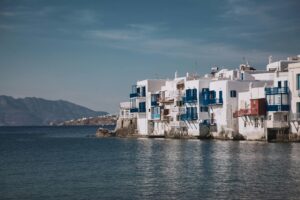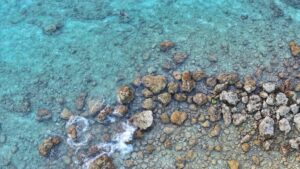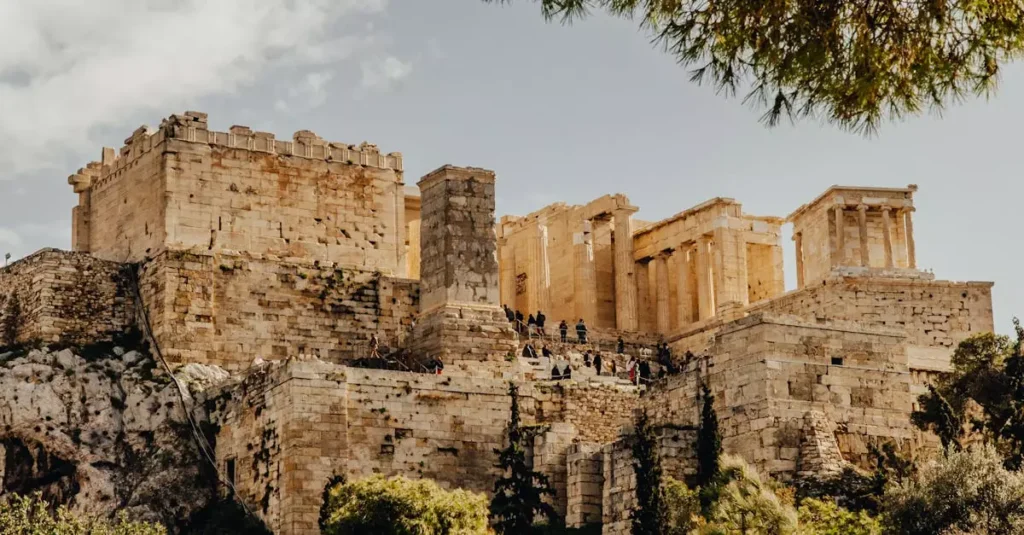
Greece is a dream destination for anyone captivated by the sea, boasting coastlines that shimmer in every shade of blue. While the whole country offers spectacular seaside escapes, certain islands and hidden coves stand out for their exceptionally clear, vibrant turquoise waters, drawing travelers from across the globe. If you’re searching for places with the bluest water in the world, the sun-drenched shores of Greece should be at the top of your list. Below are some of the most breathtaking spots — from world-famous beaches to secluded bays — plus practical tips for experiencing their unparalleled beauty.
Unveiling Greece’s Most Stunning Blue Water Islands
Greece’s coastline is defined by waters that range from deep sapphire to electric turquoise. Some islands, due to their seabeds, cliffs, and sheltered bays, consistently produce the most striking colors. These destinations offer more than pretty views: they deliver a sense of calm and natural wonder. Here are several standout shores famed for their bluest waters.
Navagio Beach, Zakynthos: The Iconic Shipwreck Cove
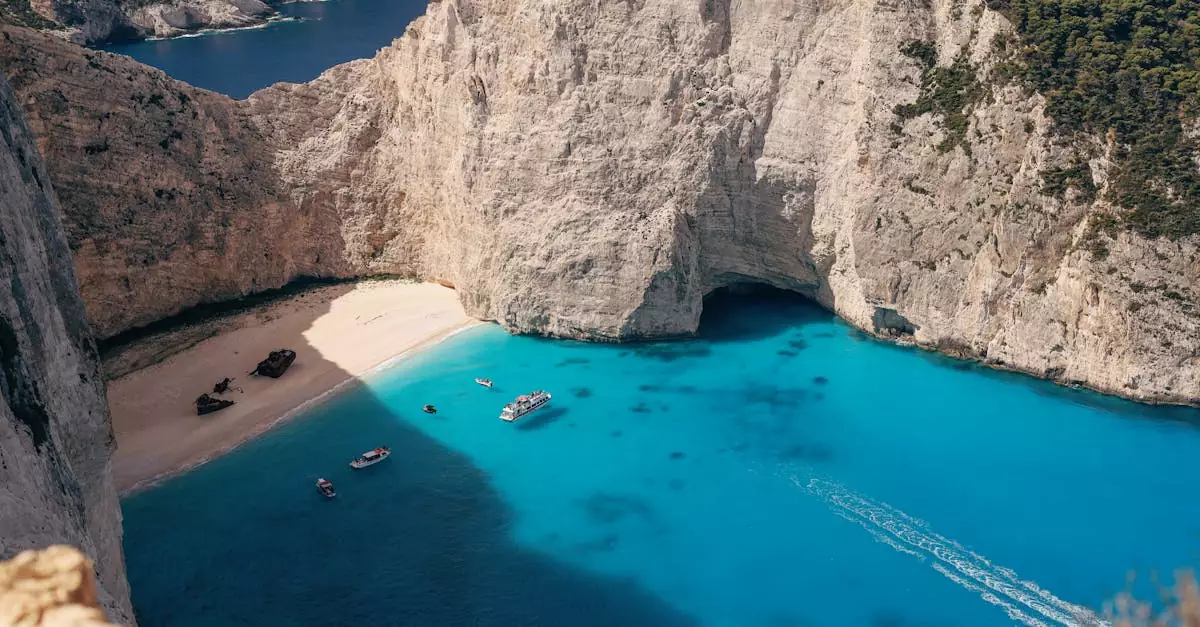
Navagio Beach, often called Shipwreck Beach, is arguably Greece’s most famous cove, and for good reason. White pebbles contrast dramatically with impossibly vibrant turquoise water, while the rusting wreck of the MV Panagiotis adds a distinctive visual and historical element. Limestone cliffs encircle the bay, intensifying the water’s color and the cove’s secluded feel.
Access to Navagio Beach is primarily by boat from various ports on Zakynthos, including Zakynthos Town and Porto Vromi. Boat tours run frequently during the main season, typically from April to October.
- Getting There: Daily boat trips depart from Zakynthos Town, Agios Nikolaos, and Porto Vromi. Some tours include swimming in the bay; others focus on cliff-top viewing.
- Best Time to Visit: Early morning or late afternoon for fewer crowds and softer light. June–August brings the warmest weather and the most visitors.
- Logistics: Swimming is permitted but be aware of currents. The beach has no facilities, so bring water and snacks. The clifftop viewpoint on the main island road provides a spectacular panorama.
Myrtos Beach, Kefalonia: Dramatic Cliffs and Azure Seas
Myrtos Beach is a sweeping crescent of white pebbles framed by towering green cliffs. The water here transitions from deep blue offshore to bright turquoise near the shore, and its clarity makes the smooth pebbles beneath visible. The dramatic landscape is a major reason Myrtos is frequently ranked among Greece’s best beaches.
The beach is reachable by car from Argostoli or Fiskardo via a winding descent that offers breathtaking views.
- Transportation: Renting a car is the most convenient option. Parking is available at the beach.
- Facilities: A small canteen and sunbed rentals operate in peak season, but bring towels and essentials.
- Safety: Watch for strong waves and undertow in windy conditions. Lifeguards are often on duty in July and August.
Elafonissi Beach, Crete: Pink Sands Meet Crystal Waters
Elafonissi on Crete’s southwest coast is known for pink-tinted sand and shallow, crystal-clear turquoise water. The rosy hue comes from crushed seashells, and a sandbar links the small islet to the mainland at low tide, creating lagoon-like, very calm waters ideal for families.
You can reach Elafonissi by car from Chania or Rethymno, or by public bus; the drive is scenic through rural Crete.
- Getting There: Public buses run from Chania; a rental car gives more flexibility.
- Best Time to Visit: May–June and September–October for pleasant weather and fewer crowds. Peak summer can be busy.
- Accommodation: Stay in nearby Kissamos for a local feel, or base in Chania for more options.
- Experience: The shallow lagoon is great for children and photographers. For more details on visiting Greece, see the official Visit Greece tourism website.
Beyond the Famous: Lesser-Known Gems with Incredible Blue Water
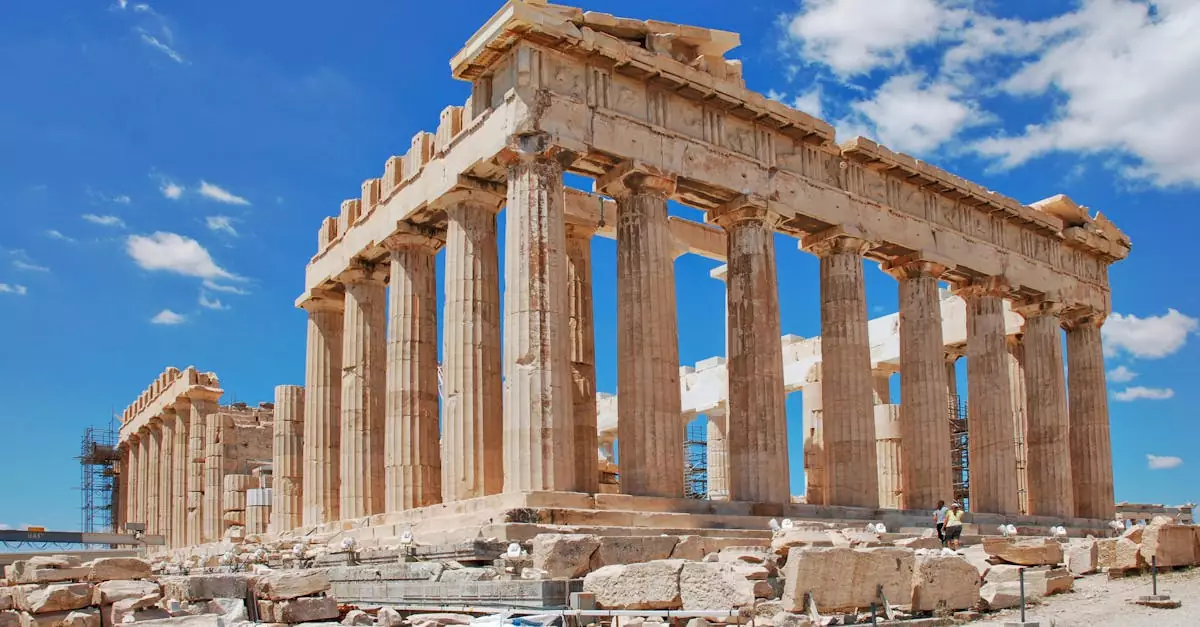
Santorini and Mykonos draw crowds, but quieter islands and coastal spots often deliver equally stunning, sometimes even clearer, waters. If you want to escape the busiest routes, consider these lesser-known locales that rival any postcard.
Antiparos’s Hidden Coves and Sea Caves
A short ferry from Paros, Antiparos offers a calmer Cycladic vibe and a coastline full of sea caves and secluded coves best reached by boat. The water here is so transparent you can often see the seabed even in deeper areas.
Agios Spyridon cave is a highlight, where light and water create an ethereal glow. Numerous small beaches, some accessible only by swimming or short hikes, reward explorers with private stretches of sand and excellent snorkeling.
- Getting There: Ferries run regularly from Pounta on Paros.
- Best Time to Visit: Late spring (May–June) and early autumn (September–October).
- Logistics: Boat rentals are available in Antiparos town. Bring reef-safe sunscreen and water shoes for rocky coves.
Folegandros’s Secluded Beaches and Emerald Bays
Folegandros is prized for its rugged scenery and protected natural character. Its coastline is mostly pebble beaches and secluded bays with vivid turquoise water. Accessing many spots requires scenic hikes, which enhances the sense of discovery.
Katergo Beach, reachable by a challenging hike or by boat taxi from Karavostasis, features pristine white pebbles and clear, deep blue water. Livadaki offers a quieter alternative with calm, crystal-clear conditions.
- Accommodation: From guesthouses in Chora to seaside rooms in Karavostasis.
- Transportation: Buses link main villages; boat taxis reach the most remote beaches.
- Considerations: Trails can be steep and exposed—carry water and wear sturdy shoes.
Koufonisia’s Tropical Paradise Vibes
Part of the Small Cyclades south of Naxos, Koufonisia feels almost Caribbean in places. Pano Koufonisi is walkable and bike-friendly, with soft sand and shallow, impossibly clear turquoise bays.
Beaches like Fanos, Italida (nicknamed the island’s “Hawaii”), and Pori are famous for their clarity and calm waters—perfect for swimming and snorkeling.
- Unique Feature: The island is largely car-free, encouraging a relaxed pace.
- Traveler Tip: Rent a bike to hop between beaches.
- Budget Insight: Koufonisia often remains more affordable than larger Cyclades islands. For planning resources, see Greece.
Which Greek Island Boasts the Bluest Water Year-Round?
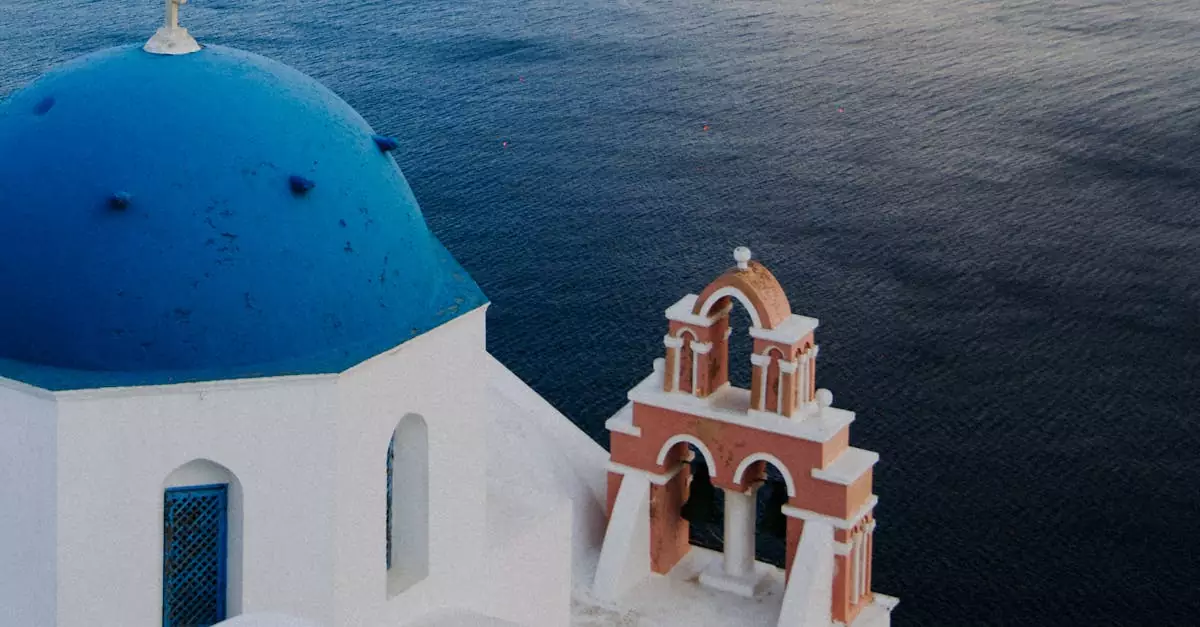
The Ionian Sea — including Zakynthos, Kefalonia, and Lefkada — is often associated with Greece’s bluest, most consistently turquoise waters. Local seabed composition, sheltered bays, and calm conditions contribute to the intense colors seen here.
Best Months for Peak Turquoise Water Clarity in the Ionian Sea
The Ionian typically displays its most vibrant turquoise from late May through early October, when sunny, calm weather allows sediment to settle and light to enhance clarity.
- May & June: Warming waters and manageable crowds; water is clear though cooler for swimming.
- July & August: Warmest seas and strongest color, but also the busiest and most expensive months.
- September & Early October: Sea retains summer warmth, crowds thin, and clarity remains excellent.
Outside these months, rougher seas and overcast skies reduce the water’s brilliance.
Aegean Islands: When to Experience Their Clearest Waters
The Aegean can feature deep sapphire or emerald tones depending on seabed and wind. Crete, Santorini, and the Cyclades offer spectacular beaches, but the Aegean is more exposed to the Meltemi winds in July and August, which can stir the sea and affect clarity.
For the calmest, clearest conditions in the Aegean, consider:
- Late May to June: Before Meltemi intensifies and before peak crowds.
- September: After the winds ease, with warm sea temperatures and fewer visitors.
Islands with white sandy bottoms or chalky cliffs tend to produce the brightest turquoise hues.
Factors Influencing Water Color: From Seabed to Sunlight
Several factors combine to create Greece’s dazzling water colors:
- Seabed composition: White sand or smooth white pebbles reflect sunlight, enhancing turquoise tones. Darker bottoms or algae produce deeper blues or greener shades.
- Sunlight intensity and angle: Strong midday sun in summer amplifies vibrancy through light scattering; clearer water makes this effect more noticeable.
- Low suspended matter: Fewer pollutants and sediments in sheltered or less-developed bays let sunlight penetrate deeply, preserving clarity. For further context, see clear water destinations.
Experiencing the Turquoise Waters: Activities and Adventures
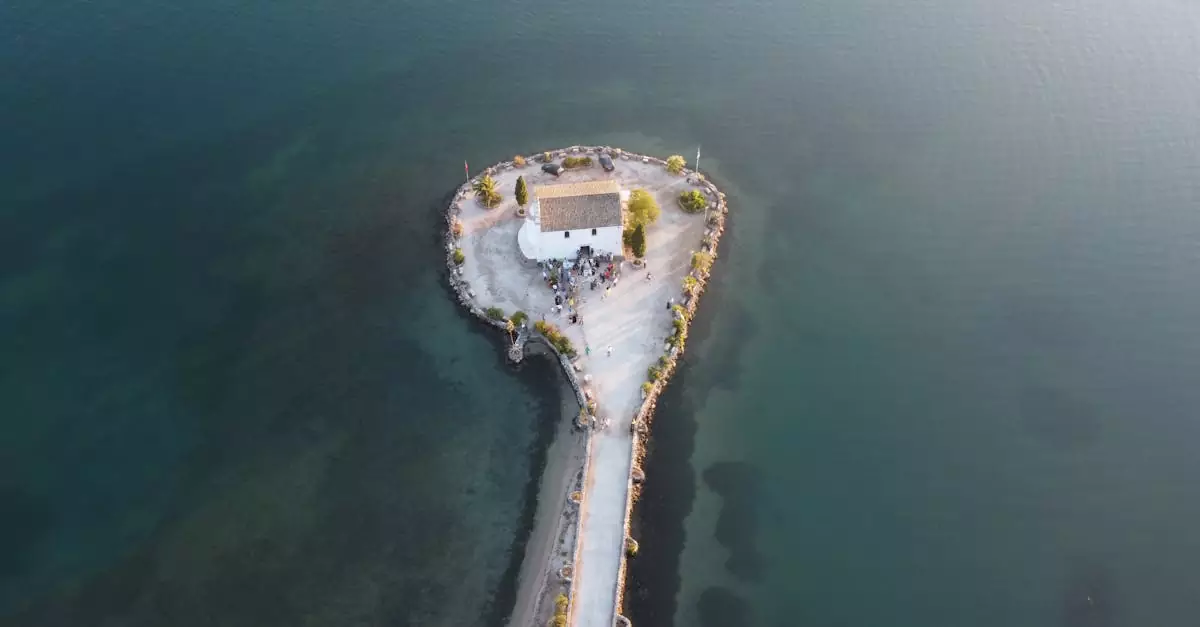
Greece’s clear waters invite more than admiring from shore — they’re ideal for snorkeling, diving, boat excursions, and paddling. Below are practical options to make the most of those pristine seas.
Snorkeling and Diving in Greece’s Pristine Underwater Worlds
Visibility in many Greek spots can exceed 30 meters, revealing diverse marine life. Zakynthos, near Navagio, and areas around Crete and the Cyclades offer dramatic underwater scenery where divers may encounter fish, octopus, and protected loggerhead sea turtles.
Beginner-friendly dive centers and certification courses are widely available. Late spring and early autumn often offer calmer seas and comfortable water temperatures (around 20–25°C / 68–77°F). Always dive with a buddy and choose reputable operators.
Boat Trips to Remote Beaches and Sea Caves
Many top beaches are only reachable by sea. Private charters or small-group tours provide access to hidden coves and caves. The Blue Caves of Zakynthos are famed for their internal blue glow caused by sunlight refraction; Milos’s Kleftiko is another dramatic, boat-only bay.
Tours depart from major ports and are best booked in advance during June–August. Prices range widely, from roughly €50 for group excursions to €500+ for private charters, depending on duration and exclusivity.
Kayaking and Paddleboarding on Calm, Clear Seas
Kayaking and paddleboarding let you glide over transparent water and observe the seabed below. Paxos in the Ionian and calmer bays of Rhodes are excellent for paddling. Rentals are common in tourist areas, usually €10–€30 for a few hours. Bring sun protection and water, as conditions can be deceptively sunny and dehydrating.
Planning Your Trip to Greece’s Clear Water Destinations
These logistics will help you plan an efficient, enjoyable trip to Greece’s bluest waters, from transport to accommodation choices.
Getting to the Islands: Ferry Routes and Flight Options
Most international travelers arrive at Athens International Airport (ATH). From there:
- Flights to Island Airports: Crete, Rhodes, Mykonos, and Santorini have airports with frequent domestic flights from Athens. Aegean Airlines and Sky Express operate many routes.
- Ferries from Piraeus or Rafina: Ferries provide access to a broader set of islands. Piraeus serves the Cyclades and Dodecanese; Rafina often handles eastern Aegean routes. Companies such as Blue Star Ferries and SeaJets run services from slow scenic ferries to fast catamarans. Book in advance during peak season.
Allow buffer time for transfers and potential ferry delays to avoid missed connections.
Best Time to Visit for Perfect Beach Weather and Water
Late May to early October is the ideal window for beach weather and swimming.
- Late May–June: Shoulder season with pleasant temperatures, fewer crowds, and lower prices.
- July–August: Peak season with hot weather and the clearest, warmest waters—expect crowds and higher costs.
- September–Early October: Warm seas, thinner crowds, and generally excellent conditions.
November–April brings cooler weather and limited tourist services.
Accommodation Options: From Beachfront Villas to Charming Guesthouses
Options suit all budgets and preferences:
- Beachfront hotels and resorts: Direct access and amenities like private beach areas.
- Villas and apartments: More space and privacy, often with kitchens—ideal for families or groups.
- Traditional guesthouses (domatia): Budget-friendly, authentic, and intimate.
- Boutique hotels: Stylish options with personalized service, common on Mykonos and Santorini.
Check location details to ensure proximity to your chosen beaches, and read recent traveler reviews for up-to-date impressions.
Frequently Asked Questions About Greece’s Blue Water
Are Greece’s blue water beaches safe for swimming?
Generally, yes. Popular beaches are regularly monitored for water quality. Pay attention to local signage about currents or hazards, though most well-trafficked beaches are safe for swimmers.
What should I pack for a trip focused on clear water destinations?
Essentials include high-SPF sunscreen, a wide-brimmed hat, sunglasses, swimwear, and a rash guard for extended sun exposure. Useful extras:
- Quick-drying microfiber beach towel
- Reusable water bottle
- Snorkel gear
- Waterproof phone case
- Water shoes for rocky or pebble beaches
- Lightweight cover-ups for visiting tavernas
Can you swim in Navagio Beach, Zakynthos?
Swimming directly on Navagio Beach is often restricted due to rockfall risks and safety concerns. Boat tours typically circle the cove so visitors can admire the shipwreck and turquoise water from the sea; some tours may permit brief swims in the surrounding bay. Check with local operators for current access rules.