Beyond the iconic turquoise waters and pristine beaches, the Caribbean presents a stunning visual spectacle through its colorful cities. These destinations are more than just picturesque backdrops; they are vibrant canvases that reflect rich histories, diverse cultures, and the unrestrained spirit of island life. If you seek an experience that engages the senses and fosters a deeper connection to the region, exploring these painted urban landscapes is essential.
This guide will navigate you through some of the most visually striking colorful cities in the Caribbean, highlighting what makes each unique—from the Dutch colonial charm of Willemstad to the Spanish colonial echoes in Old San Juan. You’ll also learn about the best times to visit for photography and cultural immersion. Prepare to be captivated by the hues that define these unforgettable island capitals.
Why Seek Out Colorful Cities in the Caribbean?
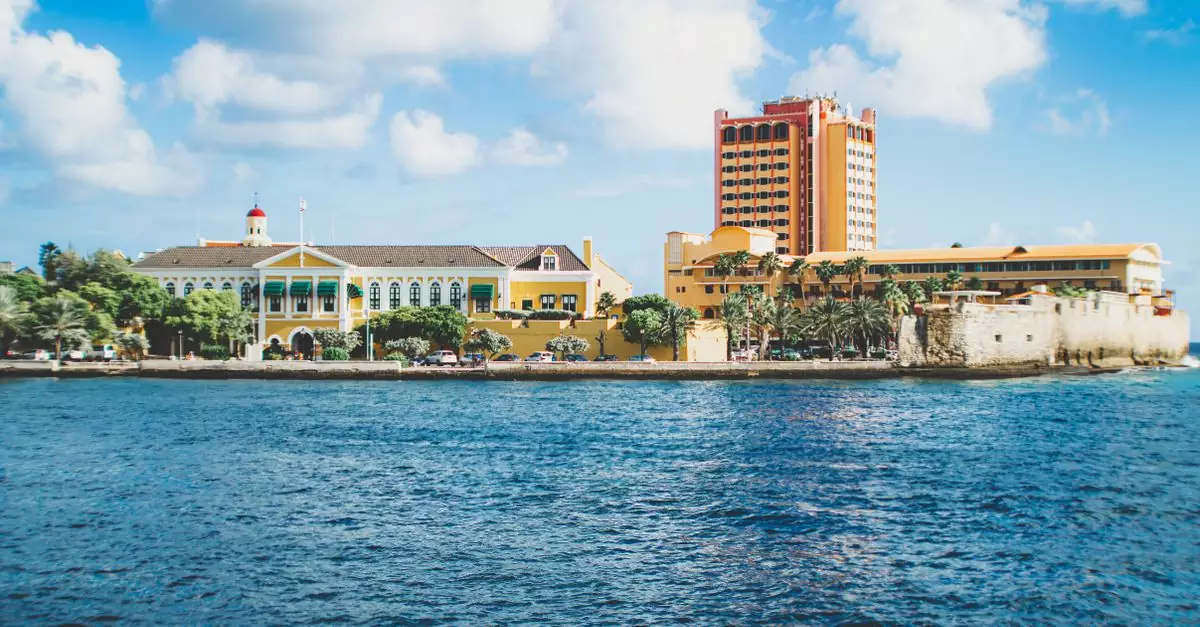
The Caribbean is synonymous with turquoise waters and white-sand beaches, but its allure extends far beyond the coastline. For travelers eager for cultural immersion and visual delight, the region’s vibrant cities offer an unforgettable experience. These urban landscapes are painted with colors that reflect history, artistry, and the lively essence of island life.
The Allure of Vibrant Architecture and Street Art
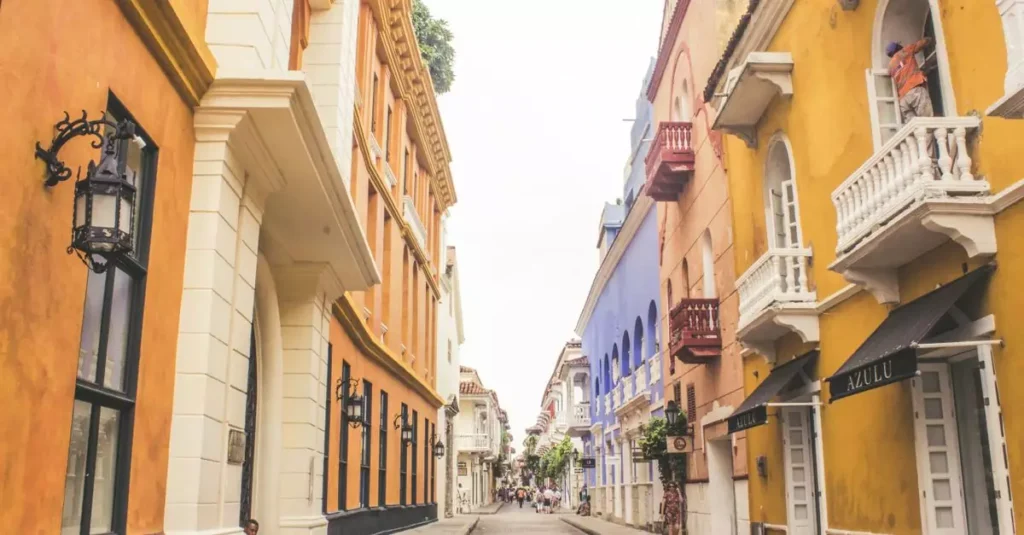
Many Caribbean cities boast an architectural charm characterized by brightly colored buildings. Colonial influences blend with local adaptations, resulting in structures painted in shades of coral, turquoise, sunshine yellow, and fuchsia. These colors often tell a story, with different hues historically signifying various trades or social statuses. Wandering through neighborhoods in Willemstad, Curaçao, or San Juan, Puerto Rico, feels like stepping into an open-air art gallery, where buildings serve as canvases adorned with intricate details and bold colors.
Beyond the Beaches: Experiencing Caribbean Culture Visually
While the islands’ natural beauty is undeniable, the visual culture of their cities provides a deeper understanding of local life. Painted facades and dynamic street art reveal the region’s history, resilience, and artistic expression. Urban centers brim with activity—music spills from open doorways, local markets overflow with colorful produce, and daily life unfolds against a backdrop of vibrant hues. Engaging with these cities allows you to experience the Caribbean not just as a sun-drenched escape, but as a place rich in visual culture. This visual richness complements the islands’ natural wonders.
Capturing the Essence: Photography Opportunities in Painted Towns
For photographers and travelers alike, the colorful cities of the Caribbean offer unparalleled opportunities for stunning imagery. The contrast between saturated building colors and bright tropical light creates dynamic scenes. Imagine framing a vivid blue historic doorway against a backdrop of bougainvillea or capturing intricate street art in a sunlit alleyway. Many destinations across the Caribbean provide endless picturesque moments, making these vibrant urban environments a photographer’s dream and allowing you to document each location’s unique character.
Top 5 Most Colorful Cities in the Caribbean to Explore
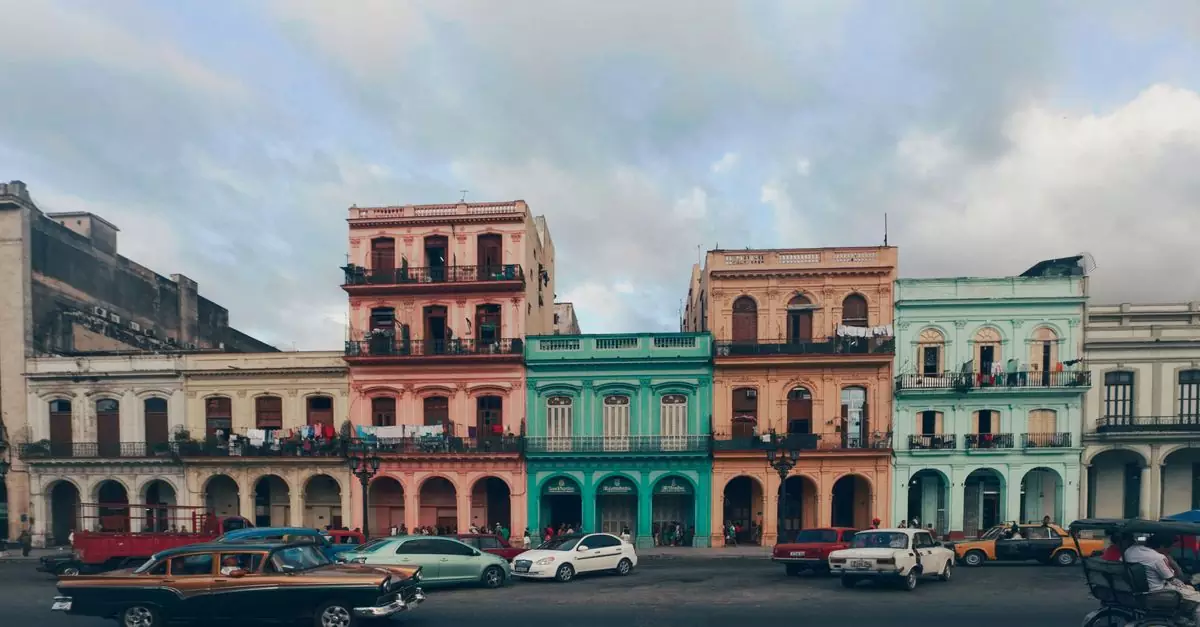
The Caribbean is rich in vibrant hues, from turquoise waters to lush green landscapes. Beyond this natural beauty, many cities showcase buildings painted in a dazzling spectrum of colors. These destinations offer a unique visual experience, blending history, culture, and stunning architecture. Exploring these colorful cities in the Caribbean provides a fresh perspective on island life.
Willemstad, Curaçao: A UNESCO World Heritage Gem
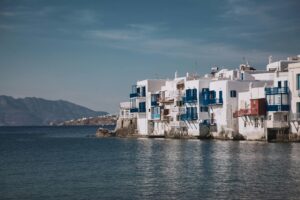
Willemstad, the capital of Curaçao, is perhaps the most iconic example of a colorful Caribbean city. Its historic inner city, a designated UNESCO World Heritage site, is renowned for its Dutch colonial architecture, adorned in a riot of pastel and bold shades. The Handelskade waterfront, lined with brightly colored merchant houses, is a photographer’s dream, especially at sunrise and sunset.
Strolling through Punda and Otrobanda reveals a continuous palette of yellow, blue, pink, and green buildings. Local legend claims that the original governor mandated bright colors to alleviate headaches caused by the sun’s glare, though the true origin remains debated. Regardless, the result is a visually striking urban landscape. To truly appreciate the architectural details and lively atmosphere, explore Willemstad on foot. Visit during the shoulder seasons of April-May or September-November for pleasant weather and fewer crowds.
Camana Bay, Grand Cayman: Modern Tropical Palette
While many travelers associate Grand Cayman with its beaches and diving, Camana Bay offers a contemporary take on Caribbean color. This master-planned waterfront town features modern architecture accented with vibrant tropical colors—think coral pinks, ocean blues, and sunny yellows set against swaying palm trees and the sparkling Caribbean Sea.
Camana Bay is designed for walkability, with pedestrian-friendly promenades, shops, restaurants, and cinemas. The central piazza and crescent-shaped harbor are particularly picturesque. Though it’s a more curated, upscale experience compared to historic towns, its colorful design creates a cheerful and inviting atmosphere. The area is well-connected and easily accessible from Seven Mile Beach.
Old San Juan, Puerto Rico: Historic Hues and Colonial Charm
Old San Juan, a historic district in Puerto Rico’s capital, showcases a rich tapestry of color woven into its Spanish colonial architecture. Cobblestone streets wind past centuries-old buildings adorned with brightly painted facades in shades of cerulean, terracotta, sunshine yellow, and emerald green. The vibrant colors stand out against the backdrop of historic forts, Castillo San Felipe del Morro and Castillo San Cristóbal.
Exploring Old San Juan is an immersive experience. The city is highly walkable, with many narrow streets and plazas inviting discovery. Public transportation options are limited within the historic core, so comfortable shoes are essential. Visiting in late spring or early fall provides a good balance of warm weather and manageable crowds, making it easier to photograph the colorful streets without feeling overwhelmed.
St. George’s, Grenada: The Spice Island’s Painted Facades
St. George’s, the capital of Grenada, is often called the “Spice Island,” and its colorful architecture reflects its vibrant spirit. Buildings cascade down hillsides surrounding a horseshoe-shaped harbor, each painted in distinct, cheerful hues. From deep blues and vibrant reds to soft yellows and greens, the city presents a lively panorama.
The market square and the streets leading from the harbor are particularly engaging. The colorful buildings are a testament to the island’s history and its resilient, artistic culture. Getting around St. George’s involves navigating steep, winding streets, making walking the best way to appreciate the scenery. For the most pleasant weather, consider visiting during the dry season, from January to May.
Havana Vieja, Cuba: A Living Museum of Color
Havana Vieja, the historic heart of Cuba’s capital, is a UNESCO World Heritage site that feels like a living museum. Its buildings, many showing signs of age, are painted in an astonishing array of colors that have endured through decades. Imagine grand colonial structures in faded pastels, ochre, and deep blues, interspersed with more vibrant, recently restored facades.
The contrast between the grandeur of the architecture and lively colors creates a unique atmosphere. Walking through Old Havana, you’ll encounter everything from brightly painted doorways to entire streets lined with rainbow-hued buildings. Classic American cars add another layer of color to the already vibrant scene. While much of Havana Vieja is walkable, taxis are readily available for longer distances. The best time to visit for comfortable weather is typically between November and April.
Exploring Willemstad, Curaçao: A Deep Dive into its Painted Districts
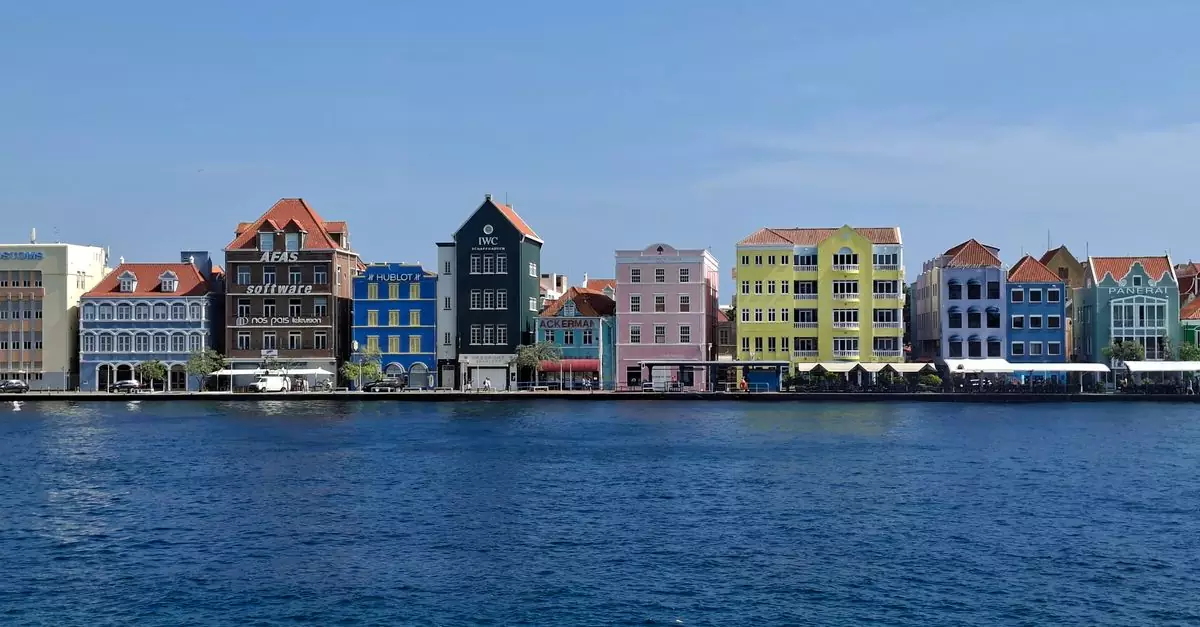
Willemstad, the capital of Curaçao, stands out as one of the most visually striking colorful cities in the Caribbean. Its UNESCO World Heritage status is well-earned, thanks to a unique architectural heritage painted in a vibrant spectrum of hues. The city’s Dutch colonial past is evident in its distinctive gabled roofs and building styles, but it’s the audacious color palette that truly defines its charm. This visual feast is concentrated in its historic districts, each offering a slightly different perspective on Willemstad’s painted splendor.
Handelskade Waterfront: Iconic Dutch Colonial Colors
The Handelskade waterfront is arguably Willemstad’s most iconic postcard view. Here, historic Dutch colonial buildings line the harbor, their facades painted in a dazzling array of yellows, blues, pinks, and reds. This vibrant stretch is a photographer’s dream, especially when the morning sun illuminates the colorful architecture against the turquoise waters of Sint Anna Bay. The contrast between the historic structures and lively colors makes it an unforgettable sight. Look for the colorful buildings housing shops, restaurants, and the governor’s palace.
Punda District: A Labyrinth of Bright Buildings
Across the Queen Emma Pontoon Bridge from Handelskade lies the Punda district, a delightful maze of narrow streets and squares filled with more painted architecture. Wandering through Punda reveals hidden courtyards, charming boutiques, and local eateries, all set against a backdrop of brightly colored buildings. The density of vibrant structures creates an immersive experience. Allow ample time to get lost in its alleys; you’ll discover new shades and architectural details around every corner. Many buildings date back to the 17th and 18th centuries, their historical significance enhanced by their cheerful exteriors.
Otrobanda Neighborhood: Artistic Expressions and Local Life
On the western side of the harbor, the Otrobanda neighborhood offers a different yet equally colorful perspective. While also featuring brightly painted buildings, Otrobanda has a more organic feel, with a strong artistic pulse. You’ll find vibrant murals adorning walls, artisan shops showcasing local crafts, and a lively street scene that reflects the island’s diverse culture. The architecture here blends Dutch, Spanish, and African influences, resulting in a unique visual character. Exploring Otrobanda provides insight into the everyday life of Willemstad, set against a canvas of vivid colors.
Best Time to Visit Willemstad for Optimal Color Photography
To capture the most vivid colors of Willemstad, consider visiting during the dry season, which generally runs from January to June. During these months, clear skies provide abundant sunshine that makes the painted buildings pop. Early morning hours, just after sunrise, are particularly ideal for photography, as the light is softer and the heat is less intense. Late afternoon, before sunset, also offers beautiful golden light that enhances the saturation of colors.
Seasonal Considerations for Visiting Willemstad:
| Season | Months | Weather Notes | Color Photography Tips |
|---|---|---|---|
| Dry Season | January-June | Sunny, low humidity, minimal rain | Excellent light, vibrant colors, comfortable temperatures |
| Wet Season | July-December | Higher humidity, occasional brief showers | Colors can appear more saturated after rain, fewer crowds |
While Willemstad is a stunning destination year-round, timing your visit to coincide with the drier months can significantly enhance your experience, especially if vibrant photography is a priority. The island of Curaçao, like many in this region, consistently experiences warm temperatures.
What to Eat in the Caribbean’s Most Vivid Destinations
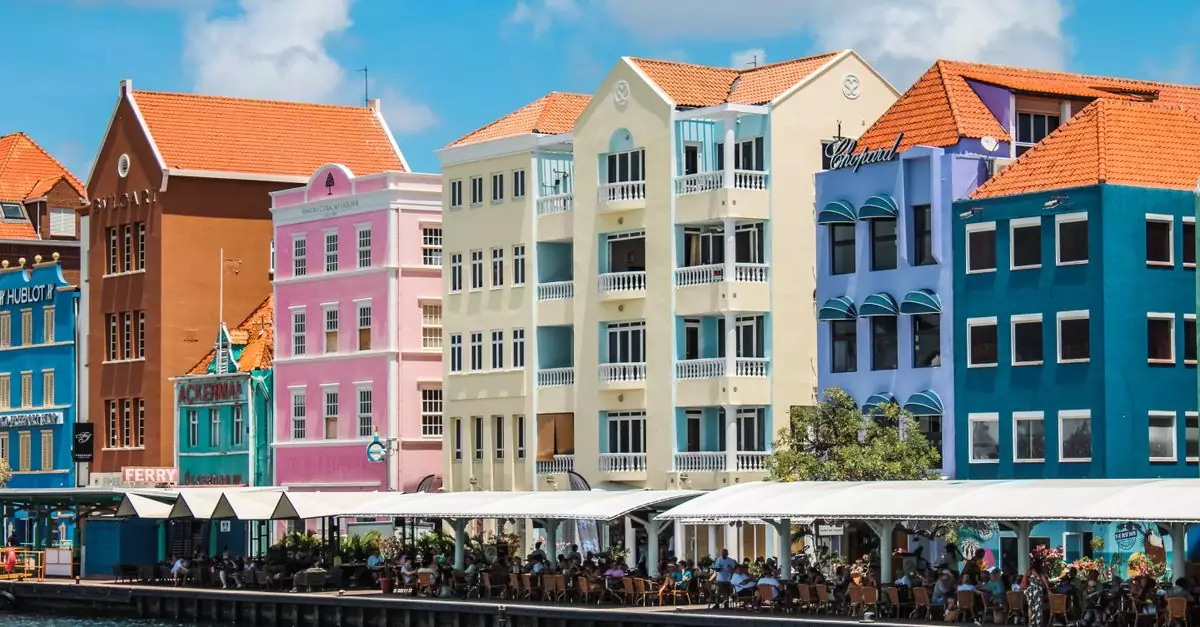
Beyond the visual feast of brightly painted buildings, the most colorful cities in the Caribbean offer a rich tapestry of flavors. Sampling local cuisine is essential to experiencing the unique culture of each island. From hearty stews to vibrant spice blends, these culinary traditions reflect the islands’ histories and the bounty of their surroundings.
Taste of Curaçao: Keshi Yena and Local Delicacies
In Willemstad, Curaçao, the national dish, keshi yena, stands out. This baked dish typically features cheese stuffed with spiced meat, vegetables, and olives—a hearty and flavorful introduction to the island’s Dutch and Creole influences. Seek out fresh seafood preparations and local snacks like pastechi, a savory turnover. Dining options range from casual beachside shacks to more upscale restaurants in the historic Punda district.
Puerto Rican Flavors: Mofongo and Pasteles in Old San Juan
Old San Juan, Puerto Rico, is a culinary destination in itself. The iconic mofongo, made from mashed plantains mixed with garlic and pork cracklings, is a must-try. It’s often served with a savory broth or flavorful sauce. Another staple, particularly around the holidays but available year-round in some places, is pasteles, a tamale-like dish wrapped in banana leaves. Exploring the mercados (markets) and small fondas (eateries) offers the most authentic tastes.
Grenadian Spices: Exploring Nutmeg and Cinnamon in St. George’s
St. George’s, Grenada, is known as the “Spice Island,” and its cuisine prominently features its aromatic exports. Nutmeg, cinnamon, and cloves are integral to many dishes, from curries to desserts. Try a local seafood dish seasoned with these fragrant spices, or sample Grenadian chocolate. Visiting local markets provides a direct connection to the island’s spice heritage. Many restaurants in the colorful capital showcase these fresh, local ingredients.
Cuban Staples: Ropa Vieja and Mojitos in Havana
Havana’s vibrant streets are matched by its distinctive culinary scene. Ropa vieja, meaning “old clothes,” is a classic Cuban dish of shredded beef stewed with tomatoes, onions, and peppers, often served with rice and black beans. No visit to Havana is complete without enjoying a refreshing mojito, a cocktail made with rum, mint, sugar, lime juice, and soda water. For an authentic experience, explore the paladares, private home restaurants that offer a more intimate dining setting.
Getting Around and Staying in the Caribbean’s Colorful Cities
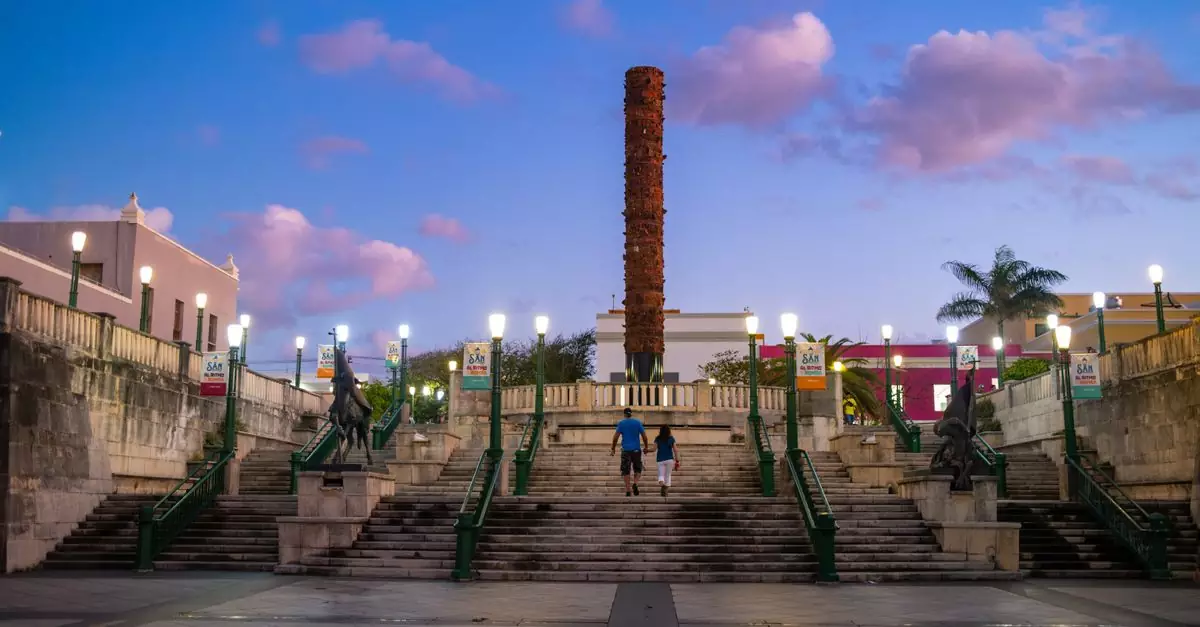
Exploring the vibrant streetscapes of the Caribbean offers a feast for the eyes, but navigating between these picturesque locations requires some planning. Understanding your transportation options, accommodation styles, and budgeting will enhance your journey through these lively island destinations. Safety and local customs also play a role in ensuring a smooth and enjoyable trip.
Navigating Colorful Streets: Walking Tours vs. Public Transport
Many of the most visually striking neighborhoods in Caribbean cities are best experienced on foot. These areas, often characterized by narrow, winding streets lined with brightly painted buildings, are ideal for leisurely strolls. Local walking tours provide invaluable insights into the history and culture behind the architecture, pointing out hidden gems and sharing local anecdotes.
For longer distances or reaching areas outside immediate historic centers, public transport offers a more economical solution. Options vary by island, often including local buses, shared taxis (colectivos), or ferries connecting different parts of a city or nearby islands. Researching the specific public transit system for your destination is key. For instance, in Willemstad, Curaçao, the colorful Handelskade waterfront is easily accessible on foot, but reaching further beaches may involve local buses.
Here’s a quick look at common transport methods:
| Transport Type | Typical Cost (USD) | Best For | Notes |
|---|---|---|---|
| Walking | Free | Historic districts, short distances | Great for detailed exploration |
| Local Buses | $0.50 – $2.00 | Inter-neighborhood travel, budget-friendly | Schedules can be inconsistent |
| Shared Taxis/Colectivos | $2.00 – $5.00 | Flexible routes, faster than buses | Can fill up quickly |
| Ferries | Varies | Island hopping, crossing bays | Essential for some island connections |
| Taxis (Private) | $10.00+ | Convenience, direct routes | Negotiate fare beforehand if unmetered |
Accommodation Options: Boutique Hotels in Painted Neighborhoods
When seeking accommodations, consider staying within or near the most vibrant districts to maximize your immersion in the colorful Caribbean atmosphere. Boutique hotels are increasingly popular, often housed in beautifully restored colonial buildings, offering unique charm and personalized service. These establishments are frequently located in historic areas, putting you right in the heart of the visual spectacle.
Alternatively, larger resorts offer more amenities and may be situated on beachfronts, though they might be farther removed from the dense urban color. For budget-conscious travelers, guesthouses or vacation rentals provide a more local experience. Look for options in neighborhoods known for their distinctive architecture, such as the streets of San Juan’s Old San Juan or the vibrant districts of Havana.
Budgeting for Your Colorful Caribbean Adventure
The cost of visiting these colorful cities can vary significantly based on the island, season, and your travel style. Major hubs like San Juan or Havana might offer a wider range of price points for flights and accommodations compared to smaller, less-visited islands. Dining can also range from inexpensive local eateries to upscale restaurants.
A general budget guideline might look like this:
- Budget Traveler: $75 – $125 per day (hostels/guesthouses, local food, public transport)
- Mid-Range Traveler: $150 – $250 per day (boutique hotels, mix of local and restaurant dining, occasional taxis)
- Luxury Traveler: $300+ per day (high-end hotels, fine dining, private transfers)
These figures exclude flights and major activities. Traveling during the shoulder seasons (late spring or fall) can often yield better prices on flights and accommodations.
Safety Tips for Exploring Vibrant Island Cities
Like any urban environment, it’s wise to exercise standard safety precautions when exploring the colorful streets of Caribbean cities. Stick to well-lit and populated areas, especially after dark. Be aware of your surroundings and keep valuables secure and out of sight.
Familiarizing yourself with any specific local customs or areas to avoid is also beneficial. Many tourist areas are generally safe, but being informed is always prudent. Using reputable taxi services or ride-sharing apps can add an extra layer of security. Researching current travel advisories for your specific island destination is a good practice before departure. For instance, while Old San Juan is a popular and generally safe tourist spot, exercising caution in less-trafficked areas is always recommended.
Frequently Asked Questions About Colorful Caribbean Cities
What makes Caribbean cities so colorful?
The vibrant hues seen in Caribbean cities are a blend of historical influences and practical adaptations. Colonial architecture often features bright, bold colors achieved with readily available natural pigments. Over time, these colors became a cultural signature, reflecting the region’s lively spirit and tropical environment. Many buildings are painted in shades of turquoise, coral, yellow, and fuchsia, creating a visually striking landscape.
Are there other colorful towns in the Caribbean besides the ones listed?
Absolutely. The Caribbean is dotted with charming towns and villages that boast equally vibrant architecture. For instance, on Curaçao, the town of Willemstad is famous for its Dutch colonial buildings painted in a kaleidoscope of colors. Similarly, many smaller fishing villages and coastal communities maintain this tradition of brightly painted homes and businesses, offering an intimate glimpse into local life. Exploring beyond major cities often reveals hidden gems with unique charm.
What’s the best way to photograph colorful Caribbean architecture?
To capture the best photos of colorful Caribbean architecture, consider visiting during the “golden hours”—shortly after sunrise or before sunset. The soft, warm light enhances the saturation of colors and creates beautiful shadows. Midday sun can be harsh and wash out vibrant tones. Look for interesting angles and compositions, perhaps framing a brightly painted doorway against a clear blue sky or capturing reflections in puddles after a brief tropical shower. Including local elements like flowering plants or street scenes can add context.
When is the best season to visit these vibrant destinations?
The best season to visit these vibrant destinations generally aligns with the Caribbean’s dry season, which typically runs from December to May. During these months, expect sunny skies and lower humidity, providing ideal conditions for exploration and photography. The shoulder seasons, April to May and November, can also be excellent, offering a good balance of pleasant weather and fewer crowds. While the rainy season (June to November) can bring lush scenery, it also increases the chance of heavy downpours that may disrupt outdoor activities.