Dive into the vibrant underwater worlds that await at the planet’s most exceptional aquatic sanctuaries. Discovering the best marine parks in the world offers more than stunning coral reefs and exotic fish; it provides a chance to witness thriving ecosystems, understand vital conservation efforts, and experience the ocean’s majesty firsthand.
This guide will take you on a journey to these protected havens, exploring what makes them truly special. You’ll learn about the incredible biodiversity flourishing within their boundaries, the dedicated conservation initiatives that safeguard these treasures, and the unique visitor experiences that deepen your connection with marine life. Prepare to be inspired by these underwater marvels and the commitment to their preservation.
What Makes a Marine Park One of the Best in the World?
Identifying the world’s best marine parks involves looking beyond beautiful coral reefs. It requires a combination of thriving ecosystems, dedicated conservation, and visitor experiences that foster appreciation and respect for the ocean. These protected areas offer a glimpse into underwater worlds teeming with life, often showcasing biodiversity that is increasingly rare elsewhere.
Criteria for Exceptional Marine Biodiversity
The primary indicator of a top-tier marine park is the sheer abundance and diversity of marine life. This includes a wide array of fish species, healthy coral formations, and populations of larger marine animals such as sea turtles, sharks, and marine mammals. Globally recognized parks often harbor endemic species or serve as critical habitats for migratory populations. For instance, the Raja Ampat Marine Park in Indonesia is renowned for having the highest recorded fish diversity on Earth, with over 1,700 species documented. Similarly, the Great Barrier Reef Marine Park in Australia, despite facing environmental challenges, remains a UNESCO World Heritage site due to its immense scale and biodiversity, supporting over 1,500 fish species and 400 types of coral.
Conservation Efforts and Sustainable Tourism
Exceptional marine parks are not just naturally rich; they are actively managed and protected. Effective conservation strategies are paramount, including strict regulations on fishing, anchoring, and visitor numbers, along with robust programs for coral reef restoration and the protection of endangered species. Sustainable tourism practices are crucial; parks that excel integrate visitor education into their operations, ensuring that tourism activities contribute to, rather than detract from, conservation goals. For example, the Belize Barrier Reef Reserve System employs local guides who are knowledgeable about the ecosystem and enforce park rules, creating a model for community-based conservation. The health of an ecosystem is often directly tied to the commitment to its long-term preservation.
Accessibility and Visitor Experience
While pristine biodiversity and strong conservation are key, the best marine parks also offer accessible and rewarding experiences for visitors. This includes well-maintained facilities, clear guidelines for responsible interaction with marine life, and diverse activities catering to different interests and skill levels, from snorkeling to diving. Ease of access, whether by boat or through established visitor centers, also plays a role. Parks like the Channel Islands National Park in California, USA, provide boat tours and diving opportunities that allow visitors to witness diverse kelp forests and marine mammals, offering a relatively accessible yet wild encounter. A positive visitor experience, coupled with educational components, fosters a sense of stewardship among travelers, encouraging them to advocate for ocean conservation beyond their visit.
Top Marine Parks for Coral Reef Exploration

Great Barrier Reef, Australia: A Living Masterpiece
Stretching over 2,300 kilometers along the Queensland coast, the Great Barrier Reef is the world’s largest coral reef system and a UNESCO World Heritage site. Its scale is breathtaking, offering an unparalleled opportunity to witness a vibrant underwater metropolis teeming with life. Divers and snorkelers can encounter over 1,500 species of fish, 400 types of coral, and numerous marine mammals, including whales and dolphins.
Planning a visit requires understanding the reef’s vastness. Many visitors base themselves in Cairns or Port Douglas, accessing various reef sections via day trips or liveaboard vessels. The best time to visit is generally during the dry season, from June to October, when visibility is highest and the weather is pleasant. However, be aware of jellyfish season, typically from October to May, which may require wearing stinger suits. Budget for boat tours can range from AUD $200 for a day trip to significantly more for multi-day liveaboard expeditions.
Raja Ampat, Indonesia: The Epicenter of Marine Biodiversity
Often hailed as the global center of marine biodiversity, Raja Ampat in West Papua, Indonesia, boasts an astonishing array of marine life. This remote archipelago features over 1,500 islands and is home to more than 75% of the world’s coral species and over 2,000 species of fish. The underwater landscapes are dramatic, with vibrant coral gardens, sheer drop-offs, and seagrass beds supporting a rich ecosystem.
Getting to Raja Ampat is an adventure in itself, typically involving flights to Sorong followed by ferry or speedboat transfers. Due to its remote location, costs can be higher, with liveaboard diving trips being a popular and efficient way to experience multiple dive sites. The dry season, from October to April, offers the best diving conditions, though the region experiences rainfall year-round. Local dive operators are essential for navigating these waters safely, and respecting the fragile environment is paramount.
Belize Barrier Reef Reserve System: Caribbean Wonders
The Belize Barrier Reef, part of the Mesoamerican Barrier Reef System, is the second-largest barrier reef in the world and a significant natural wonder. It provides a more accessible and budget-friendly Caribbean diving experience, featuring iconic sites like the Great Blue Hole, Lighthouse Reef, and Glover’s Reef. Visitors can expect to see large schools of fish, sea turtles, rays, and a variety of sharks.
Most visitors access the reef from coastal towns like San Pedro on Ambergris Caye or Placencia. These locations offer a range of accommodations, from budget guesthouses to luxury resorts. Day trips and multi-day diving packages are readily available. The peak season is from December to May, offering dry weather and good visibility, though the shoulder months can provide better value. Visibility can be affected by Sargassum seaweed blooms, which have become more prevalent in recent years, particularly during the summer months.
Best Marine Parks for Whale and Dolphin Encounters
Witnessing whales and dolphins in their natural habitat is a profound experience, and certain marine parks around the globe offer unparalleled opportunities for these encounters. These protected areas prioritize conservation, ensuring that cetaceans can thrive while providing visitors with responsible and awe-inspiring viewing opportunities. From the giants of the Pacific to the diverse pods of the Atlantic, these destinations are essential for any wildlife enthusiast.
Baja California Sur, Mexico: Whale Watching Capital
Baja California Sur, often hailed as the “Whale Watching Capital of the World,” draws massive numbers of gray whales each winter and spring. From January to April, the sheltered lagoons of Magdalena Bay and San Ignacio Lagoon become nurseries for newborn calves. Humpback whales also frequent the waters offshore, particularly around Loreto, offering spectacular breaches and tail slaps.
The primary draw is the gray whale’s remarkable friendliness; mothers often bring their calves close to pangas (small boats) for a closer look. This unique interaction is a highlight for many visitors. Beyond whales, common dolphins and bottlenose dolphins are frequently spotted, often playing in the wake of boats.
Logistics for Baja California Sur:
- Best Time to Visit: January to April for gray whales; February to May for humpback whales.
- Getting There: Fly into San Jose del Cabo International Airport (SJD) or La Paz International Airport (LAP). Boat tours depart from various coastal towns.
- Accommodation: Ranges from basic eco-lodges to luxury resorts in towns like La Paz, Loreto, and Cabo San Lucas.
- Budget: Mid-range, with boat tours being a significant expense. Independent travel is possible by renting a car.
Azores, Portugal: Cetacean Sanctuary in the Atlantic
The Azores archipelago, a remote group of nine volcanic islands in the mid-Atlantic, is a critical feeding and breeding ground for over 20 species of cetaceans. Its deep offshore waters and nutrient-rich currents attract a remarkable diversity of whales and dolphins year-round. Sperm whales are residents, while blue whales and fin whales are commonly seen during their spring migration.
Pico and Faial islands are prime locations for whale watching tours, with companies adhering to strict regulations to minimize disturbance. Visitors can expect to see playful common dolphins, bottlenose dolphins, and Risso’s dolphins, often in large pods. The sheer abundance and variety make the Azores a top destination for serious marine mammal enthusiasts.
Comparing Azores to Baja California Sur:
| Feature | Baja California Sur, Mexico | Azores, Portugal |
|---|---|---|
| Primary Whale | Gray Whales (highly interactive) | Sperm Whales (resident), Blue Whales (migratory) |
| Biodiversity | High (gray, humpback, blue, fin, dolphins) | Exceptional (over 20 species, high diversity) |
| Seasonality | Winter/Spring (Jan-Apr) | Spring/Summer (Apr-Oct) |
| Scenery | Desert coastlines, desert islands | Volcanic islands, lush green landscapes |
| Budget | Mid-range | Mid-range to higher-end |
Kaikoura, New Zealand: Sperm Whales and Dusky Dolphins
On the east coast of New Zealand’s South Island, Kaikoura is renowned for its permanent population of giant sperm whales. These magnificent creatures are present year-round, thanks to a deep underwater canyon that comes close to the shore, attracting abundant food. Whale watching tours here often guarantee sightings, and the proximity to shore means less travel time on the water.
Beyond sperm whales, Kaikoura is also a hotspot for dusky dolphins, known for their acrobatic displays and playful behavior. Boat-based tours offer excellent opportunities to observe these agile creatures, while swimming tours allow for a more immersive experience, albeit with strict ethical guidelines. Fur seals are also abundant along the coast.
Traveler Tips for Kaikoura:
- Booking: Reserve whale watching and dolphin swimming tours in advance, especially during peak season.
- Weather: Kaikoura can experience unpredictable weather; tours may be canceled due to rough seas. Be prepared for cooler temperatures.
- Getting Around: Kaikoura is a compact town, easily navigable on foot or by car. The primary tours depart from the waterfront.
- Respect Wildlife: Maintain a safe distance and follow all guidelines provided by tour operators to ensure the well-being of the marine life.
Unique Marine Parks with Distinct Ecosystems
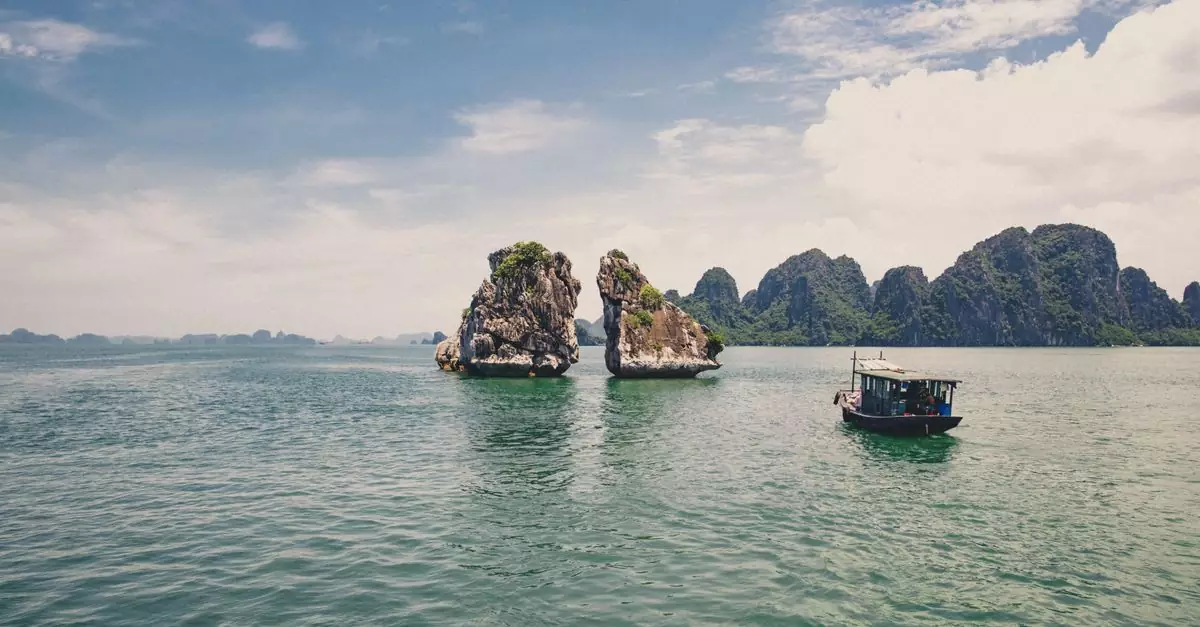
When seeking the world’s best marine parks, diversity in ecosystems and unique wildlife encounters are paramount. These protected areas offer glimpses into underwater worlds unlike any other, from evolutionary marvels to vibrant coral gardens teeming with life.
Galapagos Marine Reserve, Ecuador: Evolutionary Hotspot
The Galapagos Marine Reserve, a UNESCO World Heritage site, is a living laboratory of evolution. Its isolation and unique ocean currents create a sanctuary for endemic species, making it a premier destination for marine biodiversity. Divers and snorkelers can expect encounters with marine iguanas, Galapagos penguins, sea lions, and a remarkable array of sharks, including hammerheads and Galapagos sharks. The sheer abundance of marine life is staggering, a testament to its protected status.
Planning a visit requires careful consideration of the seasons. The warm season (December to May) offers calmer seas and better visibility for diving, while the cool, plankton-rich season (June to November) attracts more large pelagics. Access is typically via flights to the Galapagos Islands from mainland Ecuador, with onward travel to the reserve’s key islands like Santa Cruz or San Cristobal. Accommodations range from luxury cruises to more modest hotels on the inhabited islands.
Sipadan Island, Malaysia: Turtle Paradise
Sipadan Island, off the coast of Sabah, Malaysia, is renowned globally for its incredible sea turtle population. This volcanic island, rising from the seabed, is surrounded by a vibrant coral reef system that supports an astonishing diversity of marine flora and fauna. Divers come here to witness the famous “turtle tomb,” a cave system where turtles are believed to have perished, and to experience the spectacular schooling barracuda and jacks. The sheer density of marine life, from tiny nudibranchs to majestic manta rays, is a major draw.
Access to Sipadan is strictly controlled to protect its fragile ecosystem, with a limited number of permits issued daily. This means booking dive trips well in advance through licensed operators based in Semporna, the nearest mainland town. Flights to Tawau are the usual starting point, followed by a boat transfer to Semporna. Most visitors stay on nearby islands like Mabul or Kapalai, which offer dive resorts and good diving opportunities themselves, with day trips to Sipadan.
Wakatobi National Park, Indonesia: Seascape Diversity
Located in the Coral Triangle, Wakatobi National Park in Indonesia is celebrated for its extraordinary underwater landscapes and vast coral reefs. This archipelago comprises over 1,400 islands, with Wakatobi National Park encompassing four of its main islands: Wangi-Wangi, Kaledupa, Tomia, and Binongko. The park boasts an incredible array of coral formations and supports an estimated 942 fish species and 750 species of hard and soft corals. It’s a prime location for macro photography enthusiasts, with a wealth of small, colorful creatures to discover.
Getting to Wakatobi typically involves flying to Makassar, South Sulawesi, and then taking a connecting flight to one of Wakatobi’s local airports, such as Matahora Airport on Wangi-Wangi. The region is primarily accessed via dive resorts, many of which are eco-focused and committed to conservation. These resorts offer dedicated diving and snorkeling excursions, often right from their doorstep. The best time to visit for diving is generally during the dry season, from April to December, though the region offers excellent conditions year-round.
Planning Your Visit to the Best Marine Parks
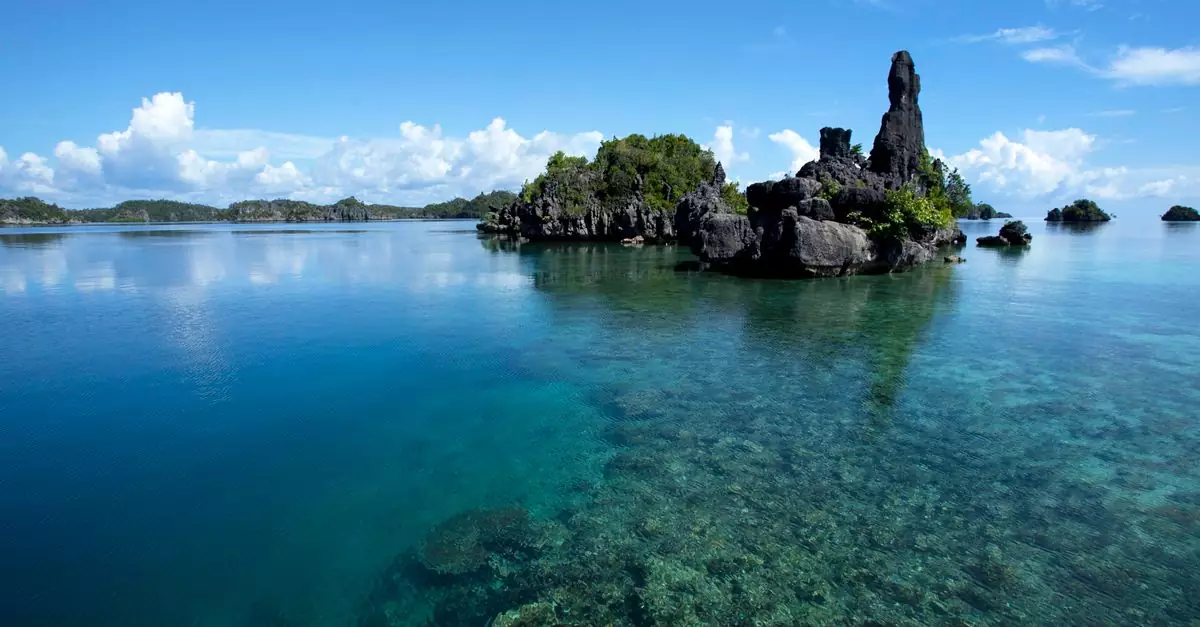
Choosing the right time to visit and understanding local logistics are crucial for maximizing your experience at the world’s best marine parks. Careful planning ensures you encounter favorable weather, abundant wildlife, and smooth travel. This section offers practical advice to help you prepare for your underwater adventures.
Best Time to Visit Different Marine Parks
The optimal time to visit marine parks often depends on local weather patterns, marine life migration, and peak tourist seasons. For many tropical destinations, the dry season generally offers calmer seas and better visibility. However, shoulder seasons can provide a balance of good weather and fewer crowds.
Consider the Great Barrier Reef in Australia during the Australian autumn (March to May) for pleasant temperatures and reduced rainfall. In contrast, the Galápagos Islands are excellent year-round, though specific months offer unique wildlife viewing opportunities, such as breeding seasons for various marine creatures. Researching the specific park’s climate and wildlife cycles is essential.
| Marine Park Location | Best Months (General) | Key Wildlife/Events |
|---|---|---|
| Great Barrier Reef, Australia | March – May | Manta ray season, calmer seas |
| Galápagos Islands, Ecuador | Year-round (June-Nov cooler, Dec-May warmer) | Marine iguana breeding, whale shark season (June-Nov) |
| Raja Ampat, Indonesia | October – April | Manta rays, rich biodiversity |
| Belize Barrier Reef, Belize | December – May | Whale shark season (April-June) |
| Sipadan, Malaysia | March – October | Turtle nesting, large schools of fish |
Getting There: Flights and Local Transportation
Reaching remote marine parks often involves a combination of international flights and local transit. Major gateways to popular regions typically have well-established flight routes. For instance, reaching the Great Barrier Reef often means flying into Cairns or Proserpine in Queensland, Australia. For the Galápagos, flights depart from Quito or Guayaquil in mainland Ecuador to Baltra or San Cristóbal islands.
Once you arrive at the nearest major airport, you may need to arrange boat transfers, domestic flights, or local taxis or buses. Many island destinations require boat travel to reach the best diving or snorkeling sites. Booking these transfers in advance, especially during peak season, is highly recommended. Some remote locations might only be accessible via liveaboard dive boats, which combine accommodation and transport.
Accommodation Options Near Marine Park Entrances
Accommodation choices near marine parks vary significantly, from luxury resorts to budget-friendly guesthouses and eco-lodges. Proximity to the park entrance or departure points for boat tours is a key consideration.
In areas like the Riviera Maya in Mexico, which offers access to the Mesoamerican Barrier Reef, you can find everything from all-inclusive resorts in Cancun and Playa del Carmen to smaller boutique hotels in Tulum. For more secluded experiences, consider staying on smaller islands or coastal villages that serve as gateways to the marine protected areas. Booking accommodations that are committed to sustainable tourism practices can enhance your trip and support conservation efforts.
- Resorts: Offer full amenities, often with direct beach access.
- Boutique Hotels: Provide a more intimate and personalized experience.
- Eco-Lodges: Focus on sustainability and often provide guided nature tours.
- Guesthouses/Hostels: Budget-friendly options, good for solo travelers.
Essential Packing List for Marine Park Excursions
Packing smart ensures you are prepared for both on-land and in-water activities. Beyond standard travel essentials, specific gear can greatly enhance your marine park experience.
- Reef-safe sunscreen: Protects both your skin and the delicate coral ecosystems.
- Rash guard or UV-protective clothing: Offers sun protection while swimming and reduces the need for sunscreen.
- Waterproof bag: Essential for keeping electronics and valuables dry on boat trips.
- Quick-dry towel: Lightweight and dries fast, ideal for humid climates.
- Motion sickness medication: If you are prone to seasickness, especially for longer boat journeys.
- Underwater camera: To capture the incredible marine life you encounter.
- Reusable water bottle: To minimize plastic waste.
While many tour operators provide snorkeling or diving equipment, bringing your own mask and snorkel can ensure a comfortable and familiar fit. Always check what is included with your tours and accommodation to avoid unnecessary packing.
Frequently Asked Questions About World Marine Parks
What are the most important conservation rules in marine parks?
Conservation rules in marine parks are designed to protect delicate ecosystems and marine life. Common regulations include strict prohibitions against touching or disturbing coral reefs, marine animals, and their habitats. Feeding wildlife is almost always forbidden, as it can disrupt natural behaviors and diets. Visitors are also expected to dispose of all trash properly, often meaning “pack it in, pack it out,” to prevent pollution.
Regulations can vary by park, so it’s crucial to review specific guidelines before your visit. Some parks might have restrictions on where you can swim, dive, or anchor boats to minimize impact. Adhering to these rules ensures that these natural wonders remain vibrant for future generations.
Can I snorkel or dive in all marine parks?
While many marine parks are renowned for their snorkeling and diving opportunities, not all are accessible for these activities. Some parks are designated as strictly no-take zones or have limited access to protect vulnerable areas. Others might have entry requirements, such as requiring a guide or specific certifications for diving.
It’s essential to check the park’s official website or contact their management authority for detailed information on permitted activities. Factors like water clarity, currents, and the presence of protected species can influence accessibility. For instance, areas with exceptionally fragile coral or endangered species might have restricted entry or only allow guided tours.
What is the average cost of visiting a marine park?
The cost of visiting a marine park varies significantly based on its location, accessibility, and the facilities it offers. Entrance fees can range from a few dollars to over $50 per person for more established or remote national marine parks. These fees often contribute directly to conservation efforts and park maintenance.
Additional costs may include transportation to the park, which can be substantial for remote island destinations. Snorkeling and diving gear rental can add to daily expenses, and guided tours or boat trips will incur further charges. For popular international destinations, expect to factor in accommodation and food costs, which can range from budget-friendly guesthouses to luxury resorts.
Are there family-friendly marine park options?
Yes, many marine parks cater to families and offer engaging experiences for all ages. Parks with calm, shallow waters are excellent for introducing children to snorkeling. Look for locations with abundant, easily visible marine life close to shore.
Some parks offer educational programs, visitor centers with interactive exhibits, or glass-bottom boat tours that provide underwater views without getting wet. When choosing a family-friendly marine park, consider accessibility, safety measures, and the availability of amenities like restrooms and shaded areas. The Great Barrier Reef in Australia, for instance, offers numerous family-oriented tours and reef-viewing platforms.