For travelers captivated by raw power and dramatic landscapes, few destinations rival the allure of volcanic islands. These geological marvels present unique opportunities for adventure, from scaling active peaks to exploring submerged craters and soaking in mineral-rich waters. If you’re in search of destinations shaped by fire and earth, this guide to the best volcanic islands will illuminate your next journey. Discover how to hike through otherworldly terrain, dive into ancient calderas, witness unique wildlife, and relax on striking black sand beaches. We’ll delve into the diverse experiences these dynamic lands offer, from New Zealand’s geothermal wonders to the evolutionary marvels of the Galapagos, providing insights into their unique flora, fauna, and culinary traditions. Prepare to be captivated by the raw beauty and geological drama that only volcanic islands can provide.
Exploring the Best Volcanic Islands for Adventure Seekers
For travelers drawn to raw power and dramatic landscapes, few destinations rival the allure of volcanic islands. These geological marvels offer unique opportunities for adventure, from scaling active peaks to exploring submerged craters. The world’s best volcanic islands provide thrilling experiences shaped by fire and earth.
Hiking the Active Volcanoes of Hawaii’s Big Island
Hawaii Island, often called the Big Island, exemplifies a dynamic volcanic landscape. Here, Hawaiʻi Volcanoes National Park showcases Kīlauea, one of the world’s most active volcanoes. Hiking trails guide visitors through diverse environments, from lush rainforests to stark, solidified lava fields.
The most accessible volcanic activity can often be viewed from designated safe zones, though conditions change rapidly. Before visiting, it’s crucial to check the park’s official website for current eruption status, air quality advisories, and trail closures. For those seeking a more strenuous challenge, guided hikes take you closer to volcanic vents, offering an unparalleled perspective on geological forces at work. Remember to pack sturdy hiking boots, plenty of water, and sun protection, as the terrain can be uneven and exposed.
Diving into the Underwater Calderas of the Azores
The Azores, an archipelago in the mid-Atlantic, present a different kind of volcanic adventure: underwater exploration. These islands, formed by volcanic activity, feature submerged calderas and rich marine ecosystems. Scuba divers and snorkelers can descend into clear blue waters to witness the remnants of volcanic eruptions that have fostered vibrant coral reefs and diverse sea life.
São Miguel, the largest island, offers numerous dive sites. Popular spots include the submerged crater of Lagoa das Furnas and the dramatic underwater cliffs formed by ancient lava flows. Visibility can vary, but when conditions are good, the underwater world is spectacular. Local dive operators provide guided tours and equipment rental, catering to all experience levels. Booking in advance is recommended, especially during peak season from June to September.
Trekking the Dramatic Landscapes of Santorini’s Oia to Fira Trail
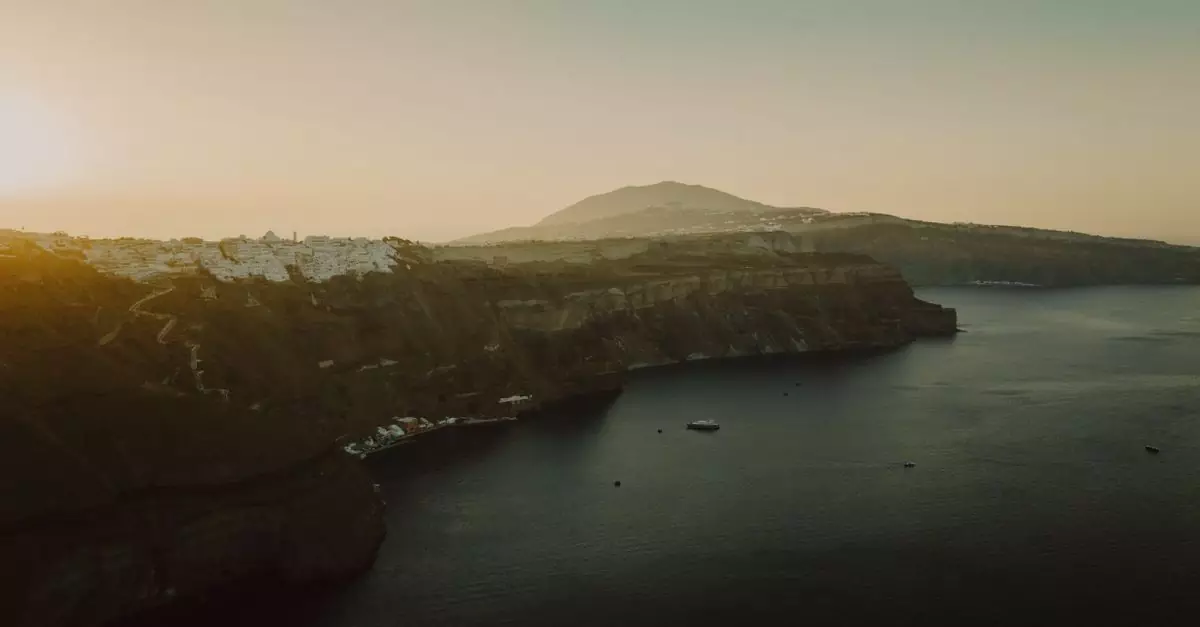
Santorini, a gem in the Aegean Sea, is renowned for its iconic whitewashed villages perched on caldera cliffs. The most celebrated walk on the island is the path connecting Oia to Fira, a roughly 10-kilometer (6-mile) trail tracing the rim of the submerged volcanic caldera. This hike offers breathtaking panoramic views of the Aegean Sea and the surrounding volcanic islets.
The trail is best tackled in the morning or late afternoon to avoid the midday sun, especially during the summer months. Comfortable walking shoes are essential, as the path involves uneven terrain and some steep sections. Along the way, you’ll pass through charming villages and encounter stunning viewpoints. Consider arranging transportation back to your starting point, as the return journey on foot can be lengthy. The best time to visit for pleasant hiking weather is typically spring (April-May) and autumn (September-October).
Unveiling the Unique Flora and Fauna of Volcanic Archipelagos
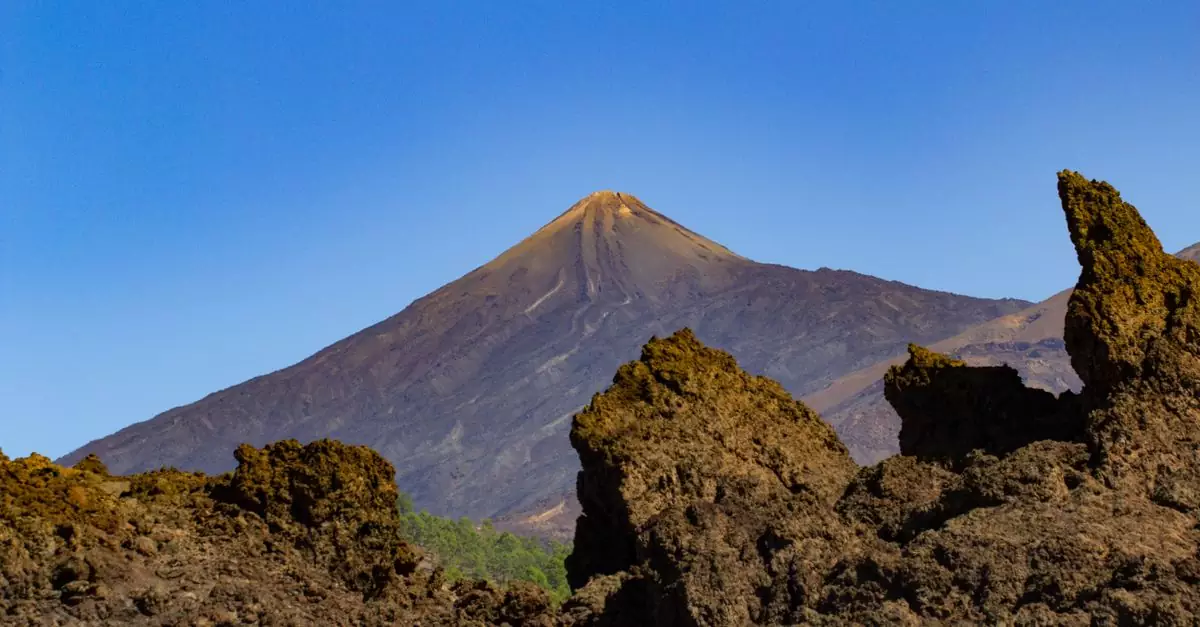
Volcanic islands, born from the Earth’s fiery core, often host ecosystems found nowhere else. Their isolation and unique geological conditions foster evolutionary paths that result in remarkable biodiversity. Travelers seeking to witness nature’s ingenuity will find these dramatic landscapes captivating.
Galapagos Islands: Darwin’s Living Laboratory of Evolution
The Galapagos Islands are perhaps the most famous example of a volcanic archipelago shaped by isolation and evolution. Situated in the Pacific Ocean, this Ecuadorian province is a UNESCO World Heritage site renowned for its endemic species. Charles Darwin’s observations here were pivotal in developing his theory of natural selection.
Visitors can expect to encounter fearless wildlife, including giant tortoises, marine iguanas, blue-footed boobies, and Darwin’s finches. The islands’ stark volcanic terrain, characterized by lava fields and rugged coastlines, provides a dramatic backdrop to this extraordinary wildlife. Planning a trip requires booking well in advance, especially for cruises that offer comprehensive island hopping.
Iceland’s Geothermal Wonders and Unique Wildlife
Iceland, a land of fire and ice, is a testament to ongoing volcanic activity. This North Atlantic island nation boasts dramatic landscapes of glaciers, geysers, hot springs, and active volcanoes. Its unique geology supports a surprising array of wildlife, adapted to its cool climate and volcanic environment.
Birdwatchers flock to Iceland to see puffins nesting on coastal cliffs, while whale watching tours provide chances to spot humpbacks and minke whales. The country’s geothermal areas, like those around Lake Mývatn, create unique habitats for flora and fauna. Travelers can experience this through guided tours or by renting a car to explore the Ring Road, though winter conditions require careful planning and a robust vehicle.
The Bioluminescent Bays of Vieques, Puerto Rico
While not a classic volcanic island in the same vein as the Galapagos or Iceland, Vieques, a Puerto Rican island, showcases a unique natural phenomenon linked to its geological past. The island is known for Mosquito Bay, one of the world’s brightest bioluminescent bays. This wonder is caused by microscopic dinoflagellates that emit light when disturbed.
Visiting Mosquito Bay after sunset offers a magical experience, with the water glowing with every paddle stroke or movement. Kayak tours are the primary way to access and experience this natural light show. Vieques can be reached by a short flight or a ferry from mainland Puerto Rico. The island itself has a relaxed atmosphere and beautiful beaches, providing a tranquil escape.
What are the Top Volcanic Islands for Relaxation and Beaches?
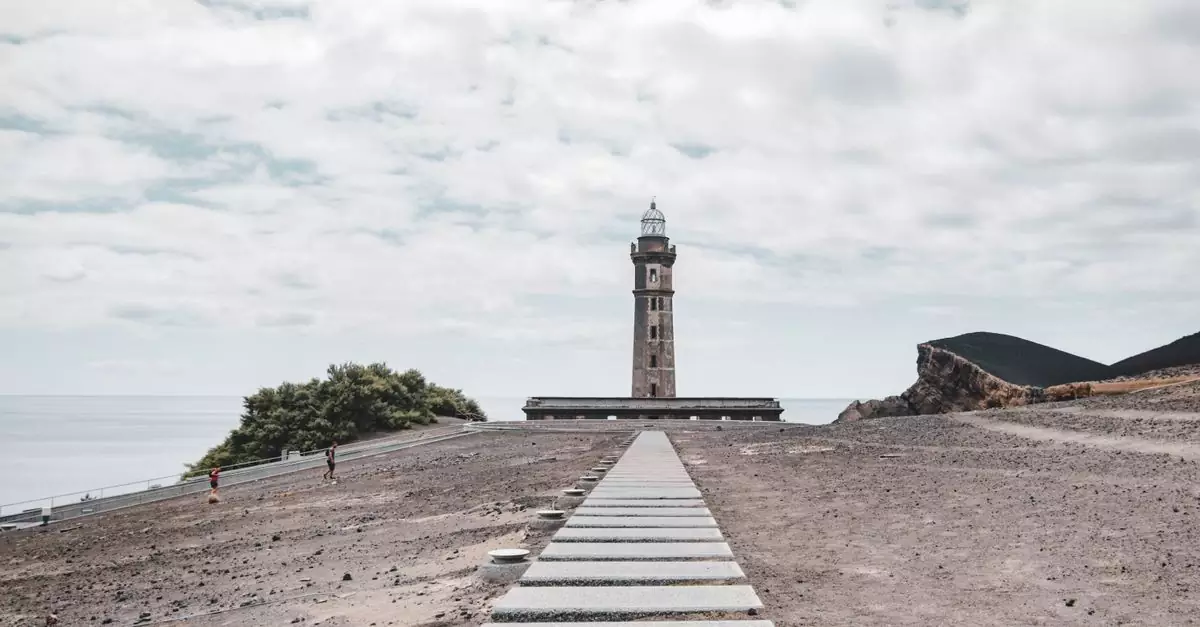
Volcanic islands offer a unique blend of dramatic landscapes and serene beauty, making them exceptional destinations for unwinding. Their geological origins often result in striking black sand beaches, mineral-rich waters, and a sense of raw, natural power that can be both invigorating and calming. For travelers seeking a relaxing escape, these fiery jewels provide an unforgettable backdrop.
Soaking in the Black Sand Beaches of Tenerife
Tenerife, the largest of Spain’s Canary Islands, exemplifies a volcanic island that excels in offering beachside relaxation. While its volcanic past is evident in the dramatic peaks of Mount Teide, the island also boasts beaches with strikingly dark sands, formed from eroded volcanic rock. Playa de las Teresitas, though artificially enhanced with golden Saharan sand, offers a vibrant atmosphere, while Playa de las Américas provides a lively strip with numerous bars and restaurants. For a more natural volcanic beach experience, head to the south coast, where stretches of dark, fine sand contrast beautifully with the turquoise Atlantic waters.
Accommodations in Tenerife range from luxury resorts along the coast to charming rural houses inland. Consider basing yourself near Costa Adeje for upscale amenities and easy access to volcanic beaches, or explore the northern towns for a more authentic Canarian experience. The island’s well-developed infrastructure makes getting around straightforward, with regular bus services connecting major towns and attractions.
Discovering the Secluded Coves of Stromboli, Italy
Stromboli, a small island in the Aeolian archipelago north of Sicily, is renowned for its perpetually active volcano, which provides a dramatic natural spectacle. While active volcanism might not immediately suggest “relaxation,” the island’s unique appeal lies in its stark beauty and tranquil atmosphere away from the main tourist trails. The black sand beaches here are genuinely volcanic, offering a rugged and less crowded alternative to more developed island resorts. Playa di Ficogrande is the most accessible, but venturing further reveals smaller, more secluded coves accessible by boat.
The true relaxation on Stromboli comes from its slow pace of life and the awe-inspiring sight of the volcano’s eruptions, best viewed from a safe distance at night. Boat tours are a popular way to circumnavigate the island and witness the “Strombolian activity” lighting up the sky. For accommodations, expect charming guesthouses and small hotels, reflecting the island’s intimate scale. Getting to Stromboli involves ferry or hydrofoil from Sicily or Naples, enhancing its sense of remote escape.
Relaxing in the Geothermal Spas of Bali, Indonesia
Bali, often called the “Island of the Gods,” is a volcanic island shaped by the majestic Mount Agung and other volcanic peaks. While famous for its spiritual retreats and cultural richness, Bali also offers incredible opportunities for relaxation, particularly through its natural geothermal springs and volcanic mud baths. The Banjar Hot Springs in the north provide a tranquil setting to soak in mineral-rich waters surrounded by lush tropical vegetation. These natural spas are believed to have therapeutic properties, making them perfect for unwinding and rejuvenating.
Beyond the hot springs, Bali’s volcanic soil contributes to its fertile landscapes, creating stunning rice terraces that are a UNESCO World Heritage site and a peaceful place for leisurely walks. For beach lovers, the black sand beaches on the east and north coasts, such as Amed and Lovina, offer a more subdued atmosphere than the popular southern shores, ideal for quiet contemplation and enjoying the ocean. Bali’s accommodation options are vast, from beachfront villas to serene jungle retreats, catering to every budget and relaxation style. The island is easily accessible, with a major international airport in Denpasar.
Culinary Journeys: Tasting the Flavors of Volcanic Island Cuisine
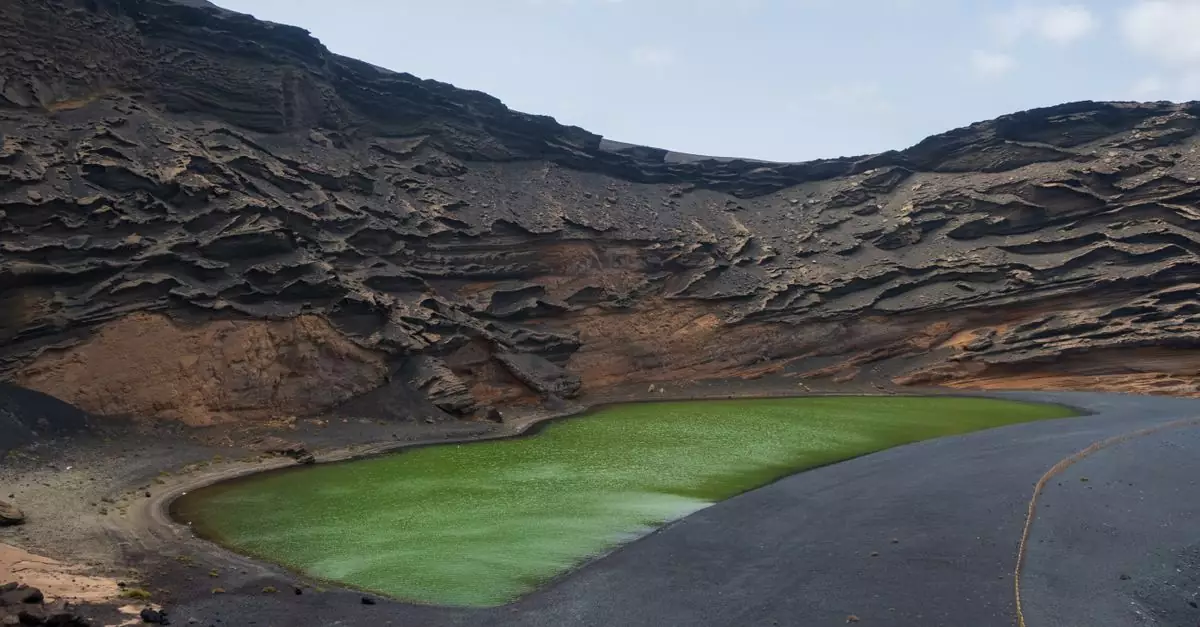
Volcanic landscapes not only shape dramatic scenery but also influence unique culinary traditions. The rich soil, geothermal activity, and surrounding marine environments create distinct ingredients and cooking methods found on these fiery jewels. Exploring the food scene is an integral part of experiencing the best volcanic islands.
Savoring Earth-Cooked Delicacies in New Zealand’s Rotorua
Rotorua, on New Zealand’s North Island, offers a direct taste of geothermal cooking. The Wai-O-Tapu Thermal Wonderland and Te Puia geothermal valley are home to natural steam vents and bubbling mud pools. Here, traditional Māori Hangi cooking takes place, where food is lowered into pits lined with heated stones and steam, infusing it with an earthy, smoky flavor.
Imagine savoring succulent lamb, chicken, and root vegetables cooked for hours by the earth’s own heat. Many local tours and cultural experiences in Rotorua include a Hangi feast, providing an authentic and memorable dining occasion. Beyond the Hangi, the region’s volcanic soil supports excellent produce, from kiwifruit to potatoes, which feature prominently in modern New Zealand cuisine. Visiting Rotorua during a New Zealand road trip offers a chance to combine stunning landscapes with this unique culinary tradition.
Enjoying Fresh Seafood in the Canary Islands
The Canary Islands, a Spanish archipelago off the coast of Northwest Africa, boast a volcanic origin that influences their vibrant food culture. Picture black sand beaches and dramatic caldera landscapes. The surrounding Atlantic Ocean is abundant with life, making fresh seafood a cornerstone of Canarian cuisine.
Dishes like “Pescado a la sal” (fish baked in salt) are popular, allowing the natural flavors of the fish to shine. You’ll find grilled octopus, fried squid, and hearty fish stews readily available in seaside towns. Don’t miss “Papas arrugadas” (wrinkled potatoes), a Canarian staple often served with “mojo” sauces—a spicy red or green sauce made with peppers, garlic, and olive oil. These potatoes, grown in the mineral-rich volcanic soil, have a distinctive texture and flavor. The islands’ mild climate makes them a year-round destination for fresh catches and outdoor dining.
Experiencing Coffee Culture on Java, Indonesia
Java, Indonesia, is a large island with a significant volcanic presence, including Mount Bromo and Ijen. While known for its rice paddies, Java is also a major coffee-producing region, with a history intertwined with its volcanic terrain. The fertile volcanic ash provides an ideal environment for growing high-quality coffee beans.
Indonesian coffee, particularly Java’s famed Arabica beans, is renowned for its rich, full-bodied flavor. Coffee culture here is deeply ingrained, with numerous local “warungs” (small eateries) and cafes serving strong, aromatic coffee. Beyond the well-known Java coffee, the island also produces unique varieties like “Kopi Luwak,” though travelers should seek ethical sourcing for this specialty. Experiencing a traditional Indonesian coffee ceremony or simply enjoying a cup at a local market offers a sensory insight into Javanese life and the island’s volcanic bounty.
Planning Your Trip to a Volcanic Island Paradise
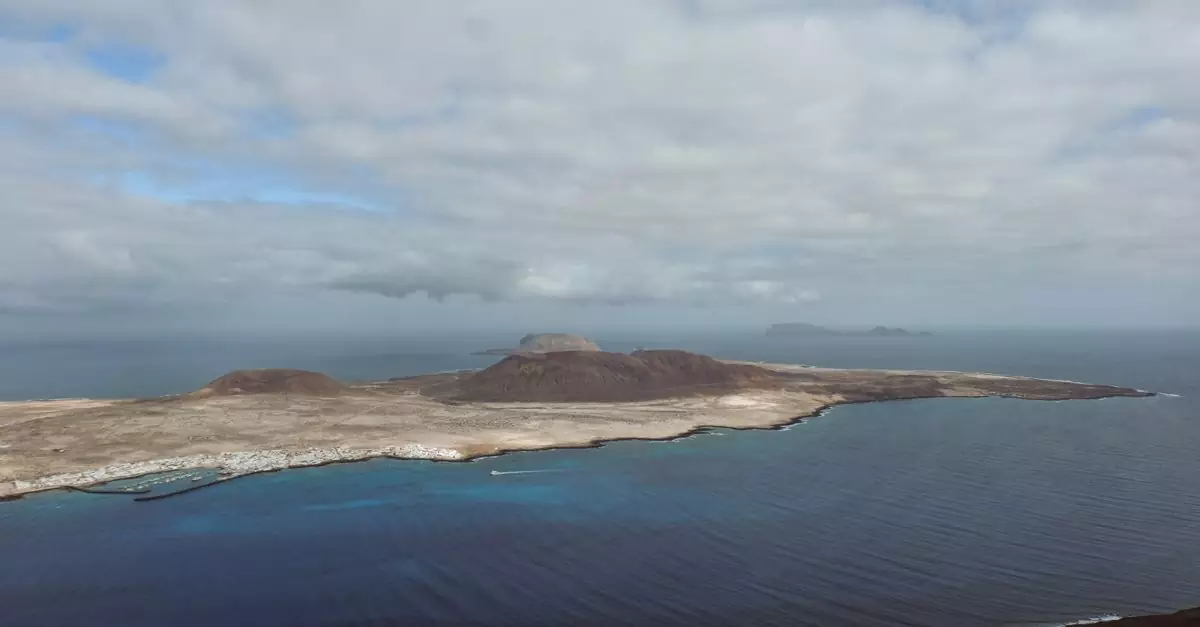
Embarking on a journey to one of Earth’s fiery jewels requires thoughtful planning. Volcanic islands offer dramatic landscapes and unique geological wonders, but their environments can also present specific travel considerations. From understanding the best times to visit to arranging local transport, a little preparation goes a long way in ensuring a smooth and unforgettable adventure.
Best Time to Visit Volcanic Islands for Optimal Weather
The ideal time to visit volcanic islands often hinges on avoiding extreme weather patterns like hurricane seasons or prolonged rainy periods. Many popular volcanic destinations, such as those in the Pacific or Caribbean, experience distinct wet and dry seasons. Researching the specific climate of your chosen island is crucial. For instance, islands in the Northern Hemisphere might offer pleasant conditions from late spring through early autumn, while their Southern Hemisphere counterparts could be best visited during their respective summer months.
Consider the following general timing advice:
- Dry Season: Typically offers more sunshine, lower humidity, and calmer seas, making it excellent for hiking and water activities.
- Shoulder Seasons: Spring and autumn can provide a good balance of pleasant weather and fewer crowds, often with more competitive pricing.
- Wet Season: While rain is more frequent, it often comes in short, intense bursts, leaving plenty of sunshine. This period can be ideal for budget travelers and those seeking lush, vibrant scenery.
Navigating Transportation: Flights, Ferries, and Local Transit
Reaching and moving around volcanic islands involves a mix of transportation methods. International flights are usually the primary way to arrive at larger islands with international airports. For archipelagos or islands with multiple smaller landmasses, inter-island flights or ferries become essential.
Once on the ground, transportation options vary significantly.
- Rental Cars: Offer the most flexibility, especially on larger islands with extensive road networks. However, some volcanic terrains might feature unpaved or challenging roads.
- Taxis and Ride-Sharing: Readily available in more developed tourist areas, providing convenient point-to-point travel.
- Public Buses: A budget-friendly option on many islands, though schedules can be infrequent and routes limited.
- Scooters/Motorbikes: Popular for smaller islands or coastal roads, providing an open-air experience. Ensure you have the appropriate license and experience.
- Ferries: Essential for island hopping within an archipelago, connecting different communities and attractions.
When planning, factor in the time and cost associated with these transfers, particularly for multi-island itineraries. It’s wise to book inter-island transport in advance, especially during peak travel seasons.
Accommodation Options: From Eco-Lodges to Luxury Resorts
The range of accommodations on volcanic islands reflects their diverse appeal, catering to various budgets and travel styles. You can find everything from rustic eco-lodges that immerse you in nature to opulent resorts offering high-end amenities.
Here’s a look at common choices:
- Eco-Lodges and Guesthouses: Often found in more remote or natural settings, these provide a sustainable and intimate experience. They are frequently located near hiking trails or natural attractions.
- Boutique Hotels: Offer a more personalized stay with unique character and design, often blending local aesthetics with modern comforts.
- Resorts: Range from all-inclusive properties with extensive facilities to smaller, more secluded luxury villas. Many offer stunning ocean views or are situated on black sand beaches.
- Vacation Rentals (e.g., Airbnb): Provide flexibility, especially for families or longer stays, allowing for self-catering and a more local feel.
When selecting accommodation, consider its proximity to the natural wonders you wish to see, as well as the accessibility of local amenities and transportation hubs. Booking well in advance is recommended for popular volcanic destinations, particularly for unique eco-lodges or beachfront resorts.
Frequently Asked Questions About Volcanic Island Travel
Are volcanic islands safe for travel?
Yes, most volcanic islands are safe for travel. Established tourist destinations have robust monitoring systems in place for active volcanoes, and authorities provide clear guidance during any periods of increased activity. It’s always wise to check local advisories before and during your trip. Understanding the geological history of an island can also provide context; many popular islands have dormant or extinct volcanoes, posing no immediate threat.
What should I pack for a volcanic island trip?
Packing for a volcanic island adventure requires versatility. Essential items include sturdy, closed-toe hiking boots for exploring rugged terrain and potentially uneven paths. Lightweight, breathable clothing is key for warmer climates, but include a rain jacket and a fleece or sweater for cooler evenings or higher altitudes. Sun protection is crucial: pack high-SPF sunscreen, a wide-brimmed hat, and sunglasses. Don’t forget insect repellent, a reusable water bottle, and a basic first-aid kit. For destinations with geothermal activity, like hot springs, consider packing a swimsuit.
What are the most family-friendly volcanic islands?
Several volcanic islands offer excellent experiences for families.
- Hawaii, USA: The Big Island provides a range of activities, from exploring Volcanoes National Park (with safe viewing areas) to snorkeling and enjoying beaches. Maui also offers family resorts and calmer waters.
- Santorini, Greece: While known for its dramatic caldera views, Santorini has beaches with calmer waters on its eastern side and boat tours that can be engaging for older children.
- Lanzarote, Spain: This Canary Island boasts unique volcanic landscapes and family-friendly attractions like Timanfaya National Park (accessed via guided bus tours) and volcanic lava tube caves.
When choosing, consider the specific volcanic features and the range of non-volcanic activities available to ensure a balanced trip for all ages.