If you’re wondering about the best time to visit Sydney, the short answer is: it depends on what you want to do. Sydney offers pleasant weather for outdoor activities for much of the year, but timing affects crowds, prices, and which events you’ll experience. This guide uses official tourism data and seasonal weather trends to help you pick the ideal window for your trip.
Below you’ll find a clear breakdown of Sydney weather patterns, month-by-month recommendations, cost considerations across seasons, crowd levels during the Sydney tourist season, and practical packing tips so you can plan with confidence.
Quick overview: when to go and why
For warm beach days, outdoor dining, and longer daylight, late spring through early autumn (November to March) is the most popular period. If you prefer fewer tourists and lower prices while still enjoying mild weather, shoulder seasons—March to May and September to November—are often the best compromise. Winter (June to August) brings cooler temperatures and fewer visitors, which is ideal for museum visits, theatre, and hotel deals.
Consider what matters most: events and festivals, beach weather, or budget. Sydney’s calendar is busy year-round, so selecting dates around your priorities will deliver the best experience.
Sydney weather and seasonal patterns
Sydney has a temperate climate with four distinct seasons. Summers (December–February) are warm to hot with average highs in the mid-20s to low-30s °C (mid-70s to 90s °F), while winters (June–August) are mild, with daytime temperatures often between 8–18 °C (46–64 °F). Rainfall is relatively evenly distributed through the year, though late summer and early autumn can bring occasional thunderstorms.
Marine influences keep temperatures moderate near the coast, so harbour neighborhoods usually feel cooler than inland suburbs in summer and slightly warmer in winter. If you need daily forecasts and climate summaries before booking, check the national weather services and trusted forecast sites for up-to-date conditions.
Data in this guide is informed by official tourism sources and weather authority reporting to reflect typical seasonal trends rather than single-year anomalies.
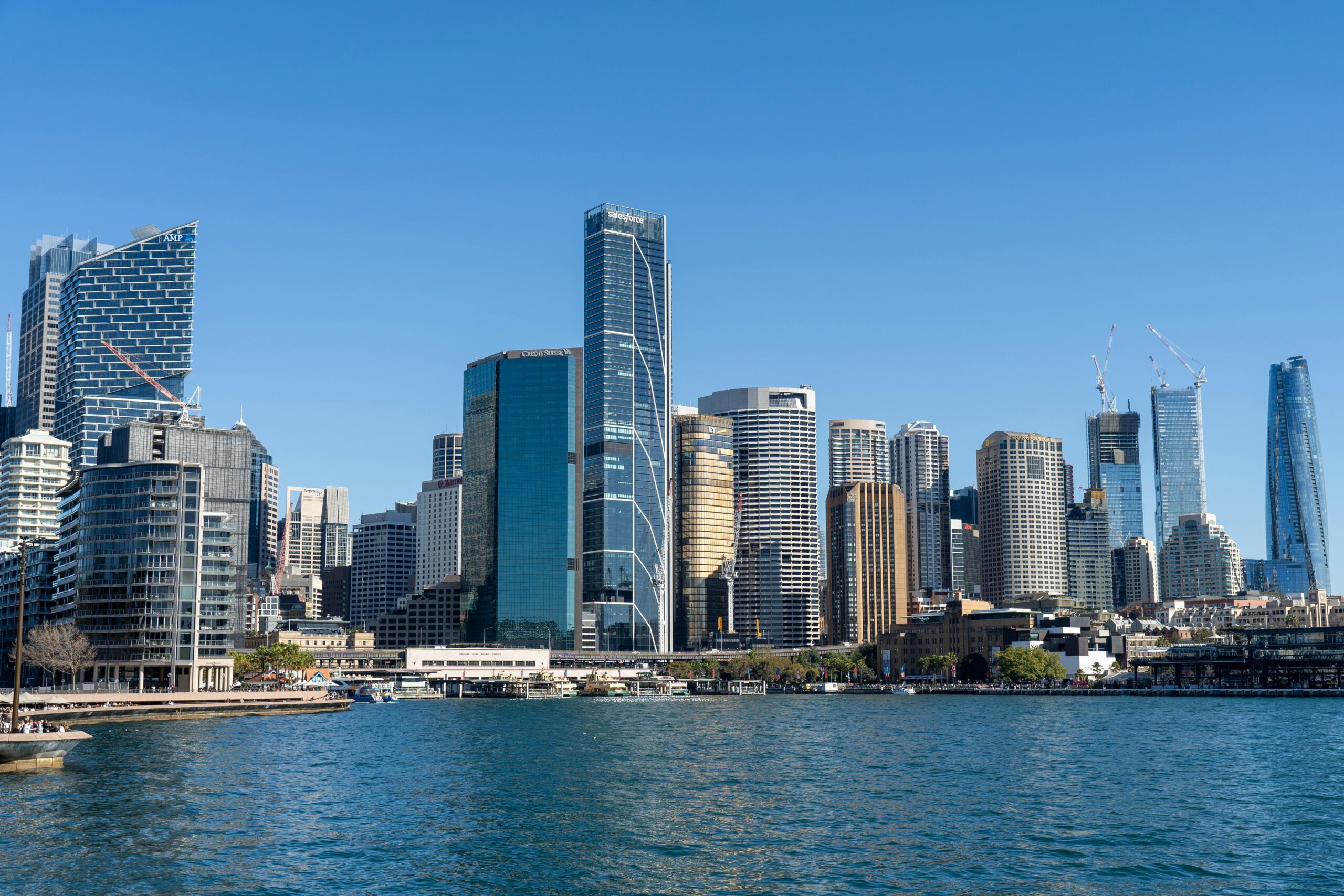
Month-by-month travel guide
Below is a condensed month-by-month guide to match activities and expectations to calendar timing.
- January: Peak summer, busy beaches, Australia Day events, expect high prices and crowds but excellent beach weather.
- February: Warm with festival energy (often arts and cultural events), still busy; good for nightlife and outdoor dining.
- March: End of peak season—temperatures remain warm but crowds ease; ideal for coastal walks and harbourside cafés.
- April: Autumn sets in with mild days and crisp evenings—great for sightseeing, fewer tourists, and more reasonable rates.
- May: Pleasant, quieter, ideal for harbour cruises and coastal drives with autumn foliage tones in some parks.
- June–August: Winter months—cooler and less crowded. Good deals on accommodation and indoor attractions like museums, theatre, and galleries.
- September: Spring returns with blossoming parks and warming weather—shoulder season value and increasing event listings.
- October–November: Springtime warmth builds; outdoor dining and beach walks are enjoyable before peak summer arrival.
- December: Early summer activity returns with holiday crowds, festive lighting, and higher prices—book ahead for popular experiences.
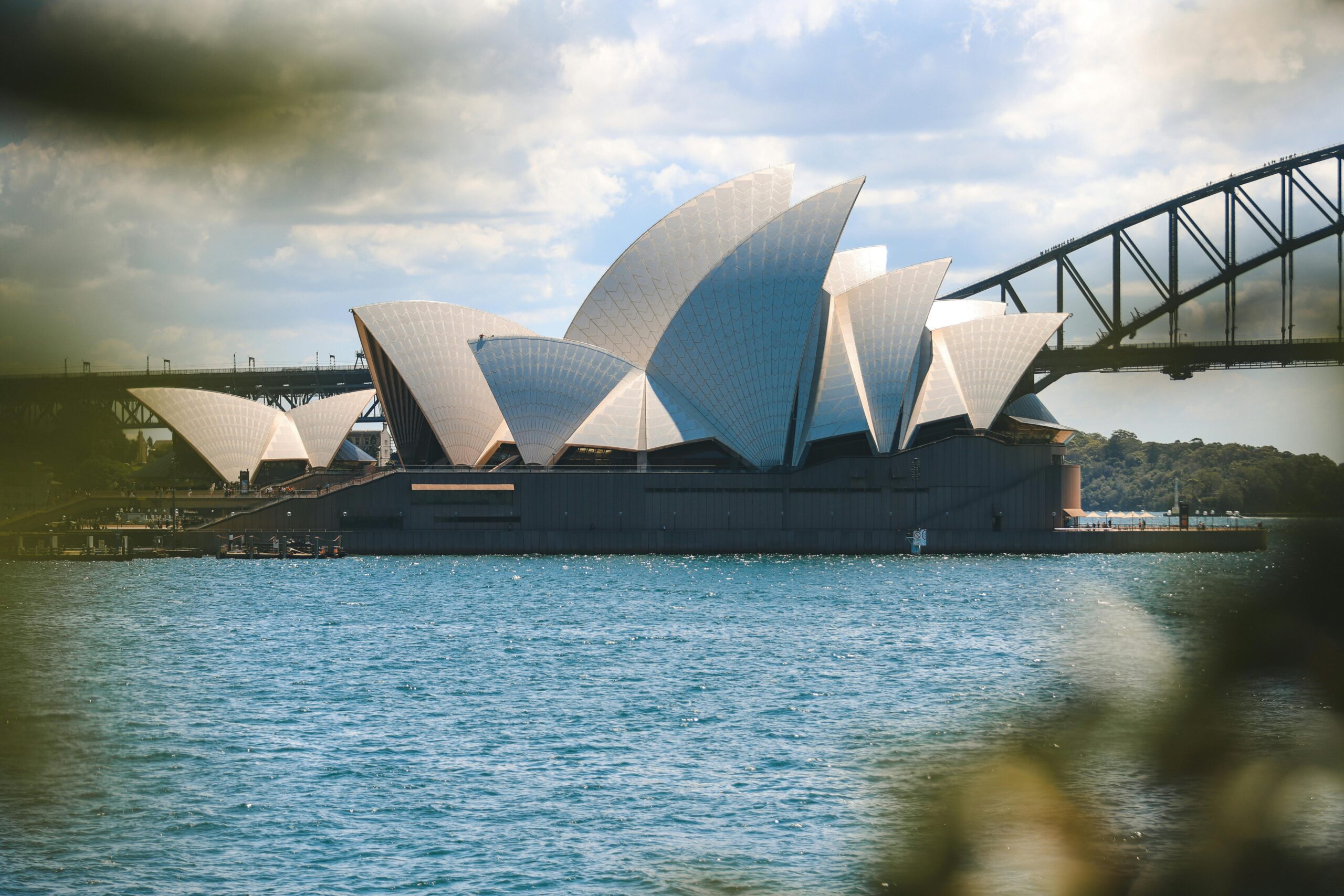
Peak tourist season, crowds and events
The Sydney tourist season peaks in the summer months around December to February, driven by school holidays, holidaymakers, and iconic events like the New Year’s Eve fireworks. If you want to see the famous fireworks over Sydney Harbour, you’ll need to plan well in advance and be prepared for large crowds and premium prices.
For cultural highlights, the city’s event calendar includes festivals and performances across spring and autumn as well. If you prefer fewer tourists and easier access to popular attractions such as the Sydney Opera House, Taronga Zoo, and Bondi Beach, choose shoulder seasons when tours and ferry services are still running but queues are shorter.
Sydney travel cost: budgeting by season
Prices for hotels, flights, and some activities fluctuate with demand. Expect the highest Sydney travel cost during the December–January peak when international visitors and local holidaymakers increase demand. Shoulder seasons typically offer the best value: lower nightly rates, cheaper flights, and more flexible booking options.
Sample budgeting tips:
- Book flights early for summer dates to avoid steep fares.
- Look for weekday stays and midweek tickets to attractions for discounts.
- Consider staying outside the CBD for lower nightly rates and commute by good train and ferry connections.
- Use public transport day passes (Opal Card) for cost-effective travel across the city and harbour suburbs.
Comparing prices across seasons and factoring in what you want to do will help you estimate realistic travel costs for your preferred travel window.
What to pack and practical tips for each season
Packing smart depends on the season you choose. For summer, bring light layers, sunscreen, a wide-brim hat, and swimwear. Evenings near the harbour can be breezy, so a lightweight jacket is useful. During winter, pack a warm coat, layers, and rain protection for occasional showers. Comfortable walking shoes are essential year-round because Sydney is best explored on foot in neighbourhoods like The Rocks, Surry Hills, and along coastal paths.
Practical tips:
- Book major attractions and harbour cruises in advance during high season.
- Check public holiday dates—services and opening hours can vary.
- Use official transit maps and apps for real-time ferries and trains.
- Be mindful of sunscreen and hydration if you visit in peak summer months.
Planning tools and further reading
If you want an in-depth background on Sydney’s history and neighbourhoods, the city’s encyclopedic entry provides a useful overview; see the Sydney entry on Wikipedia for broader context and links to relevant articles. For daily and extended forecasts before you travel, consult reliable meteorological providers to refine packing and activity plans; detailed forecasts can be found on Weather.com to help you choose precise travel dates.
FAQs
When is the warmest month in Sydney?
January and February are typically the warmest months, with daytime highs often reaching the mid-20s to low-30s °C (mid-70s to 90s °F). Coastal breezes temper the heat along the harbour and beaches.
Is it safe to visit Sydney in winter?
Yes. Sydney’s winter is mild compared with many northern-hemisphere cities. Crowds are smaller, many indoor attractions remain open, and accommodation deals are common. Bring a warm layer for cooler evenings and occasional rain.
How crowded is Sydney during major events like New Year’s Eve?
Major events draw large crowds and require advance planning. Transport, viewing areas, and accommodation can book up months ahead. If you prefer to avoid heavy crowds, plan travel outside these peak event dates or arrange tickets to a managed venue.
Which months offer the best balance of price and pleasant weather?
Shoulder seasons—March to May and September to November—offer mild weather, fewer tourists, and generally lower prices than peak summer. These windows are often the best overall balance for most travelers.
How far in advance should I book hotels and tours?
For peak summer and major events, book at least three to six months ahead. For shoulder seasons and winter, six to eight weeks is often sufficient, though booking early can secure better rates and preferred accommodations.
Conclusion
Choosing the best time to visit Sydney depends on whether you prioritize warm beach days, lower costs, or fewer crowds. Late spring and early autumn deliver pleasant weather and value, summer brings lively events and beach culture at the expense of higher prices and more people, while winter offers quiet streets and better deals with milder temperatures. Use the month-by-month notes above, check up-to-date forecasts before finalizing dates, and plan bookings around the experiences that matter most to you for a successful trip to Sydney.