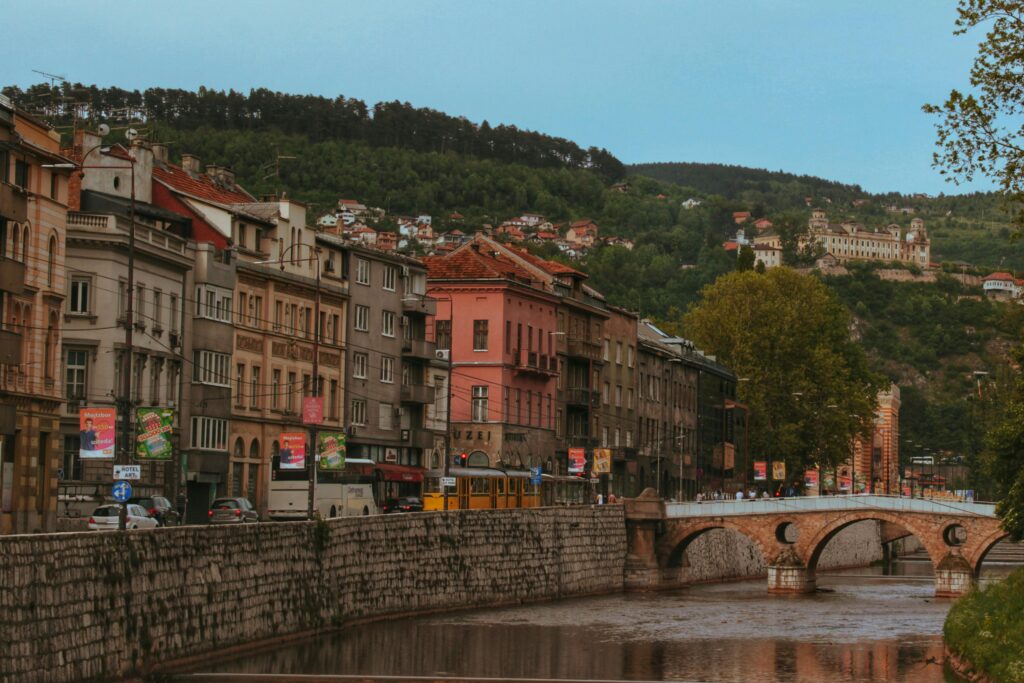
Deciding on the best time to visit Sarajevo depends on what you want from the trip: festivals and warm walks through the old bazaar, powdery slopes within an hour of the city, or quieter shoulder-season streets for exploring museums. The best time to visit Sarajevo is typically late spring (May–June) and early autumn (September–October), when mild Sarajevo weather, lower crowds, and good value converge.
Sarajevo’s position in a river valley surrounded by mountains creates distinct seasons. Below you’ll find a practical, month-by-month guide, seasonal activities, budgeting advice, and travel tips to help you pick the right time for your visit and make the most of the city’s culture and outdoors.
Climate overview: what to expect from Sarajevo weather
Sarajevo has a continental climate tempered by altitude and surrounding mountains. Winters (December–February) can be cold with snow that often lingers in the hills and on nearby ski slopes. Summers (June–August) are warm and relatively dry, with average daytime highs often in the low to mid 20s °C (70s °F), although heatwaves can push temperatures higher for short periods.
Spring and autumn bring cool mornings and comfortably warm afternoons, and they’re usually the most pleasant times for sightseeing. Rainfall is spread through the year but tends to peak in spring and autumn. Because the city sits in a basin, temperature inversions and fog are possible in colder months, while mountain weather can change rapidly for day trips and hikes.
Month-by-month guide: picking the ideal month
Use this month-by-month snapshot to match Sarajevo weather and events to your interests.
- January–February: Peak winter, cold and snowy. Great for nearby ski resorts like Jahorina and Bjelašnica. City attractions are quieter but some outdoor services may be reduced.
- March–April: Early spring brings melting snow, budding trees, and fewer tourists. Expect variable weather—pack layers and a waterproof jacket.
- May: One of the best months to visit—mild temperatures, blooming parks, and fewer crowds than summer. Ideal for walking the old town and day trips to nearby mountains.
- June–August: Warmest months and high season. Festivals are in full swing (including the Sarajevo Film Festival in August), outdoor cafes buzz, and most attractions are fully open. Plan and book ahead for accommodations.
- September–October: Another prime window—pleasant temperatures, autumn colors on surrounding hills, and lower tourist density. Perfect for photography and hiking.
- November–December: Cooler, wetter days with the first snows possible by late November. December brings festive markets and a cozy atmosphere, though some hiking trails will be less accessible.
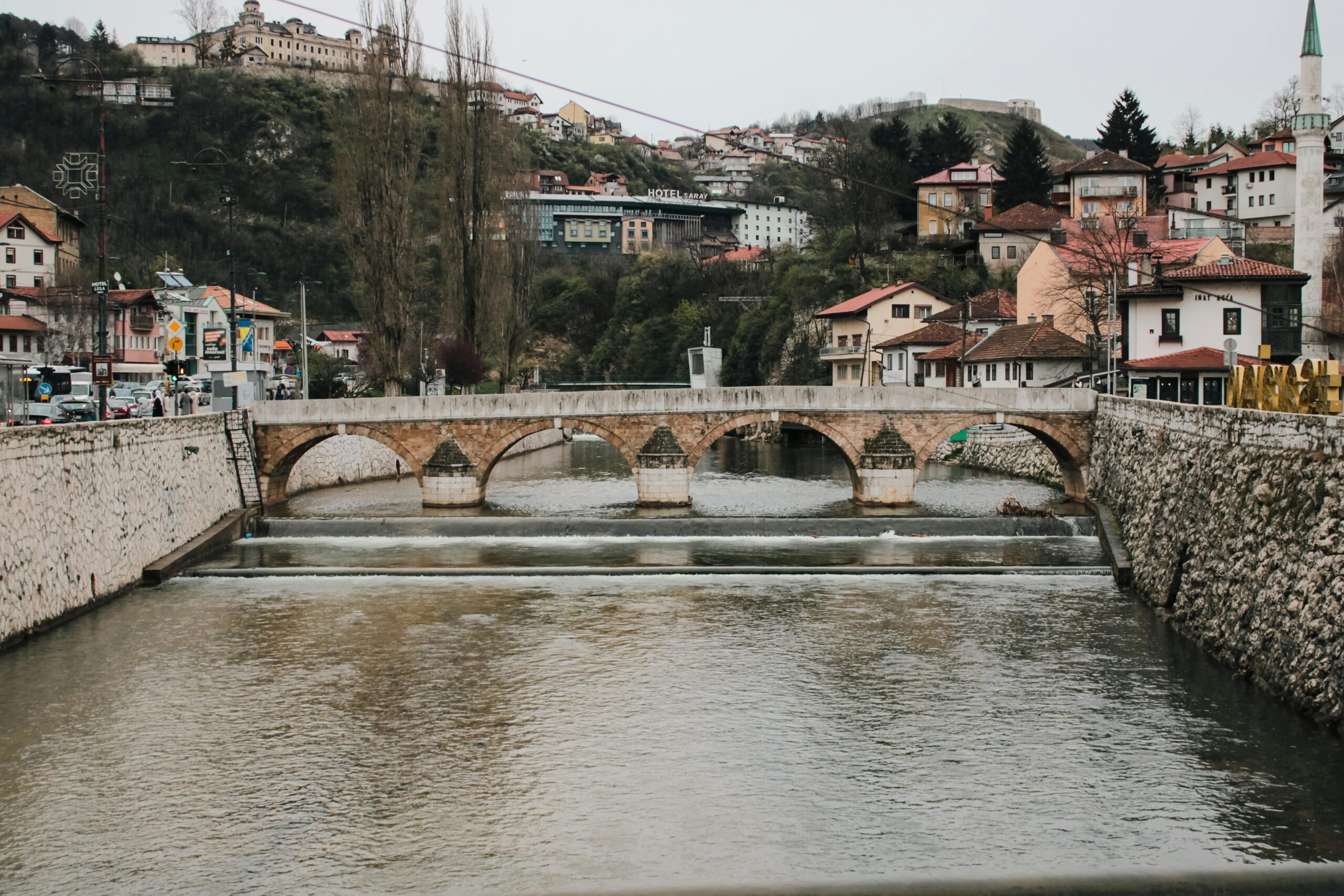
Overall, May–June and September–October balance good Sarajevo weather with smaller crowds and often better prices than peak summer. If skiing is your priority, plan for January–March for dependable snow at nearby resorts.
Peak tourist season, crowds, and events
The main Sarajevo tourist season falls in summer, roughly June through August. During these months the city fills with international visitors drawn by warm weather, outdoor dining, and cultural festivals. The Sarajevo Film Festival, held in August, is a major draw that significantly increases demand for accommodation and local services.
Because summer is the busiest period, expect longer waits at popular museums and restaurants, and higher hotel rates. If you prefer lively streets and festivals, summer is ideal; if you want to avoid crowds and enjoy more relaxed pacing, aim for the shoulder seasons in late spring or early fall.
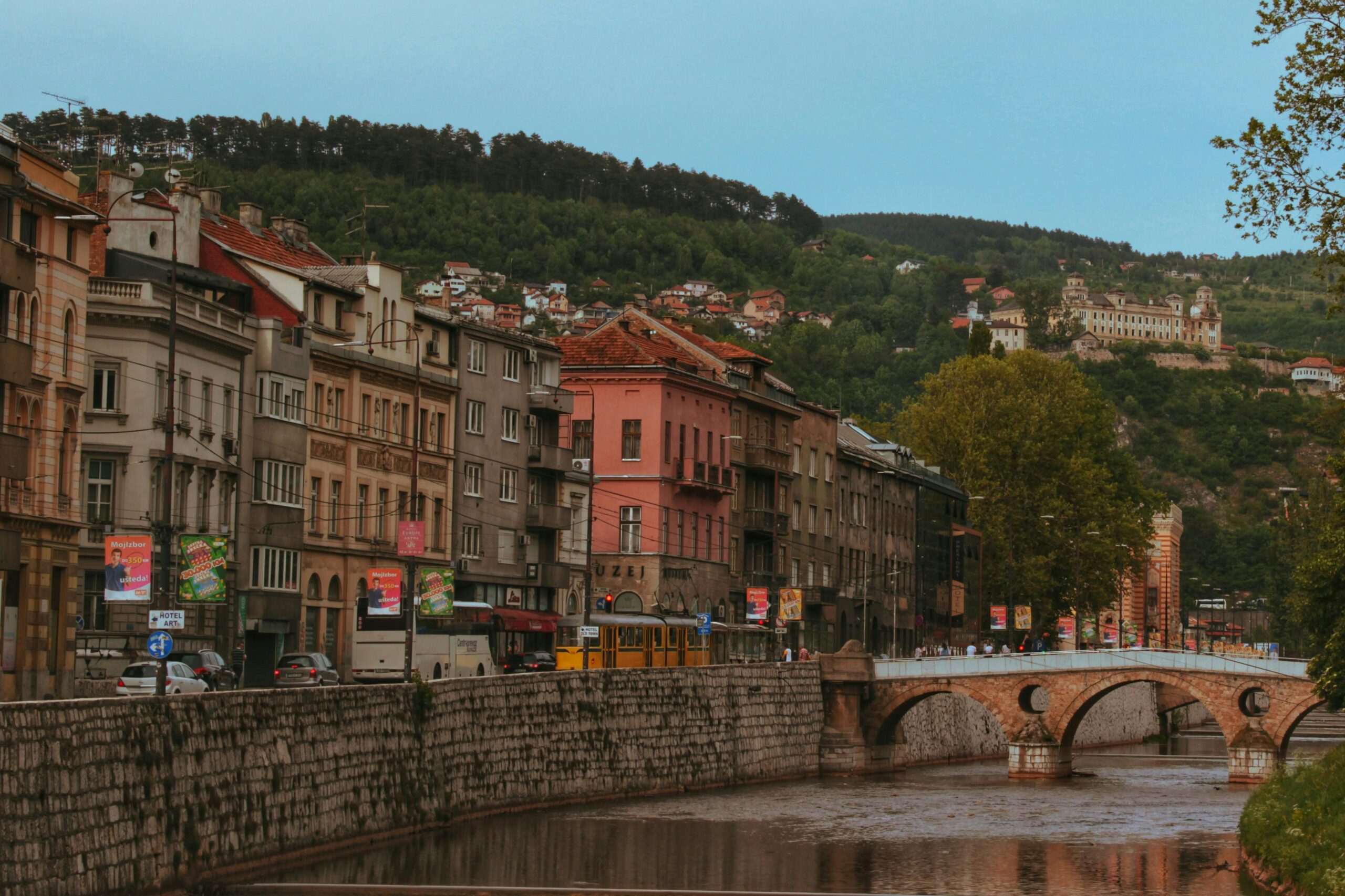
Activities by season: what to do in Sarajevo year-round
Sarajevo offers a mix of urban culture and mountain activities, so your itinerary will vary by season.
- Spring (March–May): Explore Baščaršija (the Ottoman bazaar), visit historic mosques and churches, and walk Vrelo Bosne park while the flora is in bloom. Day trips and light hikes are comfortable.
- Summer (June–August): Enjoy outdoor dining, riverfront strolls, guided walking tours, and festivals. It’s a great time for river kayaking trips and exploring open-air cultural events.
- Autumn (September–November): Hike the hills around the city to enjoy fall foliage, visit museums with fewer crowds, and take scenic drives to nearby towns such as Mostar and Travnik.
- Winter (December–February): Skiing and snowboarding at Jahorina, Trebević, or Bjelašnica are the main attractions. Sarajevo’s winter markets and hearty Bosnian cuisine make city stays enjoyable even in cold weather.
For cultural visits, plan museum days (the Tunnel Museum, National Museum) for any season, but confirm opening hours in winter or during public holidays. If you’re combining skiing with city time, schedule buffer days for weather-related transport delays.
Sarajevo travel cost and budgeting tips
Sarajevo travel cost is generally lower than major Western European capitals, but expenses vary with timing and travel style. Mid-range travelers can expect reasonable prices for food, public transport, and attractions, while high season hotel rates push the budget higher in summer and around festival dates.
Typical daily budgets (approximate): budget travelers 30–50 EUR, mid-range 60–120 EUR, and higher-end travelers 150+ EUR depending on hotels and dining choices. To save money, use local bakeries and markets, travel by tram or bus, and book accommodations in advance for summer dates.
If you’re comparing accommodation options, it’s helpful to check current availability and prices for hotels in Sarajevo before finalizing dates—this can reveal seasonal price differences and special offers that affect your overall budget. Find hotels in Sarajevo
Getting around Sarajevo: transport and practical tips
Sarajevo is compact and walkable in the city center, with trams, buses, and trolleybuses covering longer routes. Taxis are plentiful but agree a price or use a reputable app. For day trips, trains and intercity buses connect Sarajevo with Mostar, Tuzla, and other towns; private or group tours are another convenient option for short excursions.
Practical tips: the local currency is the convertible mark (BAM), cash is useful for small vendors, and many places accept cards. Dress in layers to handle changing Sarajevo weather, and pack comfortable shoes for cobbled streets. For accommodation planning, consider neighborhoods near the historic core for easy access to sights, or quieter residential districts for lower nightly rates. See where to stay in Sarajevo
FAQs
When is the warmest time to visit Sarajevo?
The warmest months are July and August, when daytime temperatures frequently sit in the low to mid 20s °C (70s–80s °F). These months bring the most reliable sunshine but also the largest crowds.
Is Sarajevo good to visit in winter?
Yes—winter is ideal if you want to combine city culture with skiing. Nearby slopes at Jahorina and Bjelašnica are within easy reach, and the city’s museums and cafes provide a cozy urban experience between ski days.
How expensive is Sarajevo compared to other European cities?
Sarajevo travel cost is typically lower than Western European capitals. Accommodation, food, and transport are affordable, but expect higher prices during peak summer and festival periods.
What are the busiest months in Sarajevo’s tourist season?
The busiest months are June through August, particularly in August during the Sarajevo Film Festival. If you want to avoid crowds, choose late spring or early fall instead.
Are there good day trips from Sarajevo?
Yes—popular day trips include Mostar for its historic bridge, the Ottoman-era town of Travnik, and scenic hikes or cable car rides up Trebević. Each season offers different highlights, from summer river views to winter snow-covered peaks.
Conclusion
Choosing the best time to visit Sarajevo comes down to priorities: late spring (May–June) and early autumn (September–October) offer the best balance of pleasant Sarajevo weather, manageable crowds, and reasonable prices. Summer delivers festivals and lively streets if you don’t mind higher costs and more tourists, while winter is perfect for skiers and travelers looking for a quieter, snow-dusted city experience.
Use the month-by-month guidance, seasonal activity suggestions, and budgeting tips above to plan a trip that fits your interests. With historic neighborhoods, nearby mountains, and a warm cultural scene, Sarajevo rewards visits year-round—just pick the season that matches your travel goals and pack accordingly.