Montpellier, France, beckons with its sun-drenched charm, a vibrant blend of medieval history and modern energy in the heart of the Occitanie region. This dynamic southern city offers a captivating experience for every traveler, from its sunlit squares and labyrinthine old town to its world-class museums and proximity to stunning coastlines. If you’re planning a visit and wondering about the best things to do in Montpellier, you’ve come to the right place. This guide will walk you through the city’s most iconic landmarks, from the bustling Place de la Comédie to the serene Jardin des Plantes, along with unforgettable day trips. Discover the rich cultural tapestry, savor local flavors, and learn how to navigate this delightful destination with ease.
Discover the Historic Heart: Exploring Montpellier’s Ecusson Old Town
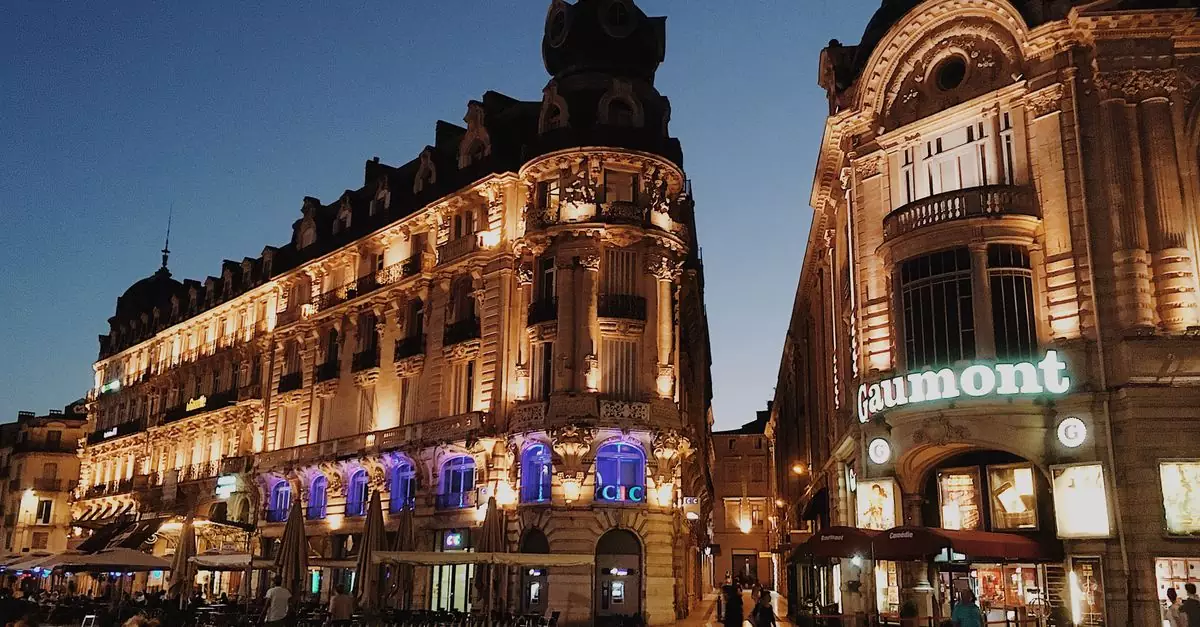
Montpellier’s Ecusson, its historic old town, is a labyrinth of medieval streets and charming squares that invites leisurely exploration. This largely pedestrianized area contrasts beautifully with modern urban life, making it a focal point for visitors. Planning to spend time wandering here is essential for understanding Montpellier’s character.
Wander through Place de la Comédie and admire the Three Graces Fountain
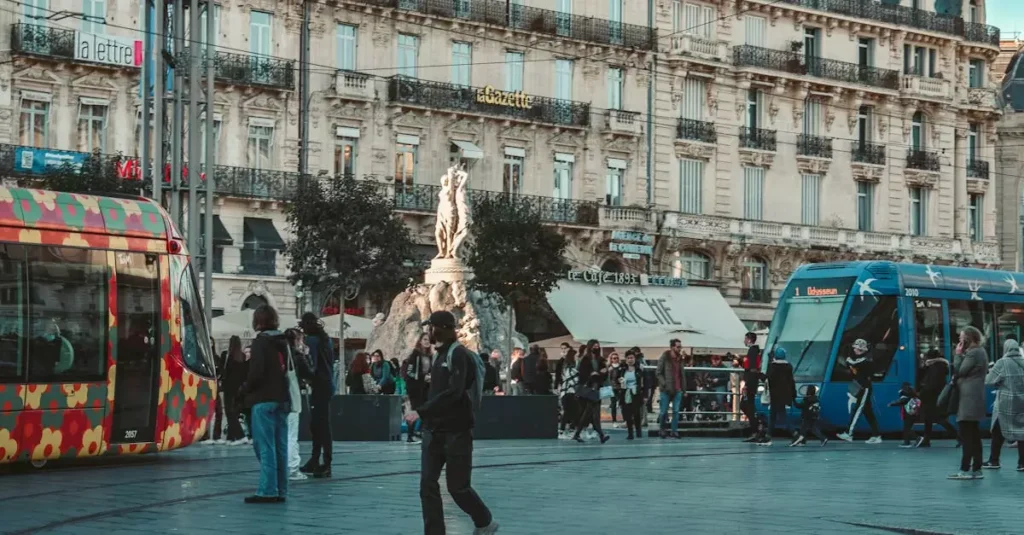
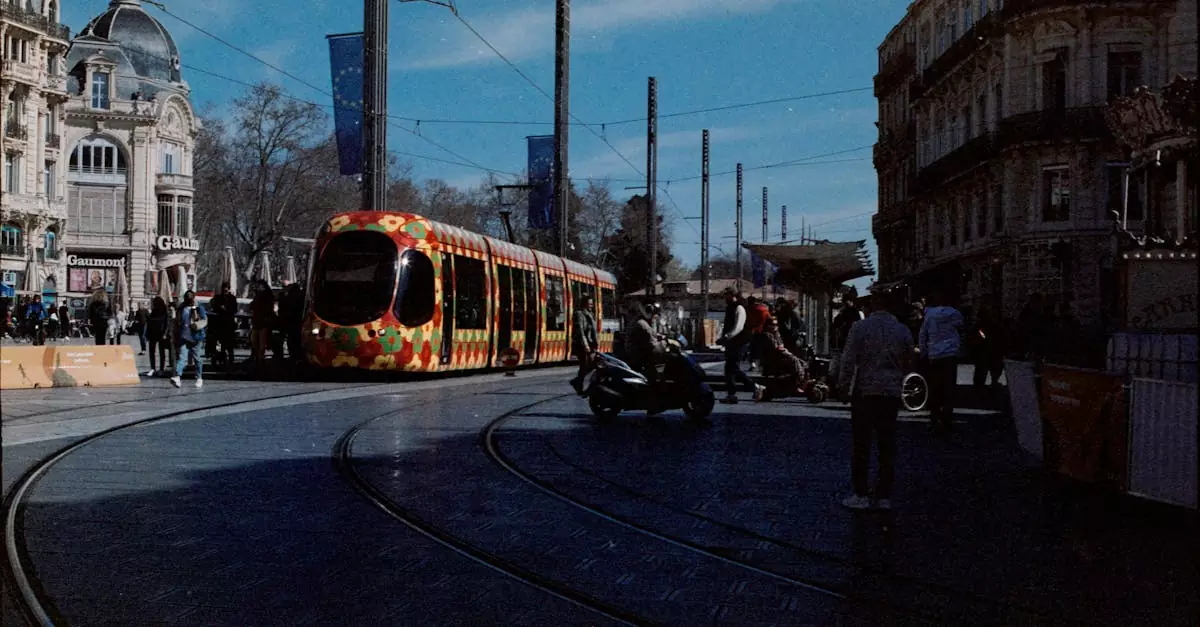
The Place de la Comédie serves as Montpellier’s vibrant central square, a natural starting point for many visitors. Dominated by the impressive Opéra Comédie and the elegant Three Graces Fountain, this bustling hub is where locals and tourists converge. It’s a fantastic spot to sit with a coffee or a glass of wine from one of the many surrounding cafes and soak in the atmosphere.
The fountain, sculpted by Jean-Antoine Injalbert, depicts the three goddesses of grace—Aglaea, Euphrosyne, and Thalia—rising from the water. The square comes alive in the evenings and during local festivals. Navigating to the Place de la Comédie is straightforward, as most tram lines converge here.
Get lost in the medieval streets of the historic Ecusson district
Beyond the grand Place de la Comédie, the true magic of the Ecusson lies in its winding, narrow streets. These ancient alleyways, some barely wide enough for two people to pass, reveal hidden courtyards, artisan boutiques, and centuries-old architecture. Allow yourself to wander without a strict plan; this is the best way to discover its secrets.
You’ll encounter charming hôtels particuliers (private mansions) from the 17th and 18th centuries, often adorned with ornate doorways and courtyards. Keep an eye out for small, independent shops selling local crafts, regional produce, or unique fashion items. The area is a photographer’s delight, with every turn offering a new picturesque scene.
For a taste of local life, seek out the smaller squares like Place Saint-Anne, which often hosts markets and street performers. The Ecusson is best explored on foot, as many streets are inaccessible to vehicles. Comfortable shoes are essential for navigating the cobblestones.
Visit Montpellier Cathedral (Saint-Pierre Cathedral)
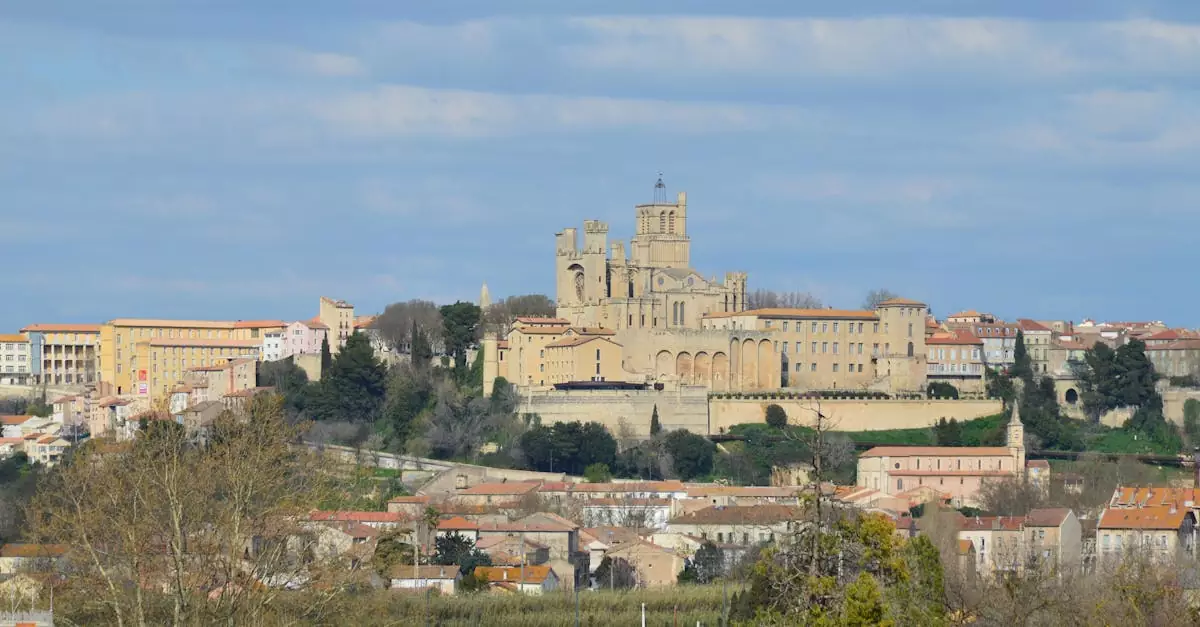
Standing proudly at the edge of the Ecusson, Montpellier Cathedral, officially known as Saint-Pierre Cathedral, is a striking landmark. Its unique, fortress-like appearance, with two large, rounded towers flanking the entrance, sets it apart from many other French cathedrals. The building’s history dates back to the 14th century, though it has undergone significant reconstruction over time.
Inside, the cathedral boasts impressive vaulted ceilings and a serene atmosphere. Don’t miss the intricate carvings and stained-glass windows. The entrance is marked by two imposing columns, originally part of the cathedral’s porch.
The cathedral is easily accessible from the Ecusson and offers a moment of quiet contemplation amidst the city’s buzz. Admission is free, making it an accessible cultural highlight. Consider visiting earlier in the day to avoid larger crowds.
Art, Culture & Green Spaces: Must-Visit Landmarks in Montpellier
Montpellier offers a rich tapestry of artistic expression, historical significance, and tranquil natural retreats. This vibrant southern city invites visitors to immerse themselves in its cultural heart and find moments of peace amidst its urban energy. Planning your itinerary around these key attractions will provide a well-rounded experience of what makes Montpellier so special.
Explore the stunning Fabre Museum (Musée Fabre)
The Musée Fabre is one of the most important art museums in southern France, boasting an impressive collection that spans from the Renaissance to contemporary works. Housed in an elegant building, it features masterpieces by artists such as Rubens, Rembrandt, David, and Delacroix. Allow at least half a day to fully appreciate the breadth of its holdings, particularly the extensive collection of French painting.
The museum’s layout guides visitors through different periods, with distinct wings dedicated to older masters and modern art. For photography enthusiasts, the natural light in many galleries creates beautiful opportunities. Consider visiting on a weekday morning to avoid the largest crowds, especially during peak tourist seasons.
Stroll through the serene Jardin des Plantes de Montpellier
Established in 1593, the Jardin des Plantes is France’s oldest botanical garden. It offers a welcome respite from the city’s bustling streets, featuring themed gardens, greenhouses, and winding paths. This is an excellent spot for a leisurely walk, a quiet picnic, or simply to admire a diverse array of plant species from around the world.
Key areas include the Alpine garden, the medicinal plant section, and the greenhouses showcasing tropical flora. The garden is particularly beautiful in spring and early summer when many plants are in bloom. Entrance is free, making it an accessible and rewarding visit for all travelers. Its proximity to the historic center makes it an easy addition to any sightseeing plan.
Admire the architecture of the Antigone district
The Antigone district is a striking example of neoclassical urban planning, designed by architect Ricardo Bofill. This expansive area, built in the late 20th century, features grand boulevards, imposing colonnades, and monumental buildings that evoke ancient Greek and Roman aesthetics. It’s a fascinating contrast to Montpellier’s medieval Old Town.
Walking through Antigone, you’ll encounter impressive structures like the Esplanade Charles de Gaulle, the Amphitheatre, and the Arènes de Montpellier. The district is also home to shops, restaurants, and residential areas, making it a vibrant part of the city. Visiting in the late afternoon offers beautiful light for photography, highlighting the scale and symmetry of the architecture. It provides a unique glimpse into modern urban design inspired by classical forms.
What Are the Best Day Trips from Montpellier, France?
Montpellier serves as an excellent base for exploring the diverse landscapes and rich history of the Occitanie region. Within a short travel distance, you can discover medieval fortresses, ancient Roman marvels, and charming coastal towns. Planning a day trip from Montpellier is straightforward, with various transportation options available.
Experience the medieval charm of Carcassonne
A visit to Carcassonne transports you back in time with its remarkably preserved Cité, a UNESCO World Heritage site. This fortified city, perched on a hilltop, boasts double ramparts, 52 towers, and a formidable castle. Wandering through its cobblestone streets allows you to imagine life centuries ago.
Getting to Carcassonne from Montpellier typically involves a train journey, which takes approximately 1.5 to 2 hours. Alternatively, driving offers more flexibility, with the route taking around 1.5 hours. Consider visiting during the shoulder seasons (spring or autumn) to avoid the summer crowds and enjoy pleasant weather for walking the ramparts.
Visit the Roman aqueduct of Pont du Gard
The Pont du Gard is a breathtaking testament to Roman engineering, an exceptionally well-preserved three-tiered aqueduct bridge that spans the Gardon River. This ancient structure, also a UNESCO World Heritage site, offers stunning photo opportunities and a sense of awe at its scale and construction.
The Pont du Gard is accessible from Montpellier by car, a drive of about 45 minutes to an hour. Public transport options are more limited, often requiring a bus to nearby towns like Remoulins and then a short taxi ride or walk. The site is open year-round, but summer can be very hot, making spring and fall ideal for a visit.
Explore the coastal town of Sète and its canals
Known as the “Venice of Languedoc,” Sète offers distinct maritime charm with its network of canals, bustling port, and fresh seafood. Unlike many Mediterranean resorts, Sète retains an authentic fishing town atmosphere. You can enjoy a boat tour along the canals, stroll by the colorful fishing boats, or climb Mont Saint-Clair for panoramic views.
Sète is easily reachable from Montpellier by train, with frequent services taking around 20-30 minutes. This makes it an incredibly convenient and popular day trip. The town is enjoyable in any season, though summer offers the liveliest atmosphere and warmest weather for enjoying the waterfront.
Discover the historic city of Nîmes and its Roman Arena
Nîmes is a city steeped in Roman history, most famously featuring its remarkably intact Roman Arena, which still hosts events today. Beyond the Arena, explore other Roman sites like the Maison Carrée, a beautifully preserved temple, and the Jardins de la Fontaine.
Reaching Nîmes from Montpellier is very easy by train, with journeys taking approximately 30-40 minutes. Driving is also a quick option, around 45 minutes. Nîmes is a fantastic destination for history enthusiasts and offers a compelling alternative to the coastal towns for a day of cultural immersion.
| Destination | Approx. Travel Time (Train) | Approx. Travel Time (Car) | Key Attractions | Best Time to Visit |
|---|---|---|---|---|
| Carcassonne | 1.5 – 2 hours | 1.5 hours | Cité, Château Comtal, Ramparts | Spring, Autumn |
| Pont du Gard | Limited (Bus + Taxi) | 45 mins – 1 hour | Roman Aqueduct, Gardon River | Spring, Autumn |
| Sète | 20 – 30 minutes | 30 – 40 minutes | Canals, Port, Mont Saint-Clair | All Year (Summer lively) |
| Nîmes | 30 – 40 minutes | 45 minutes | Roman Arena, Maison Carrée, Jardins de la Fontaine | Spring, Autumn, Summer |
Savoring Montpellier: Local Flavors and Culinary Delights
Montpellier offers a rich culinary landscape deeply rooted in the traditions of the Languedoc region. Exploring its food scene is as essential as visiting its historic squares or museums. From bustling markets to intimate wine bars, the city provides ample opportunities to taste authentic local flavors.
Taste regional Languedoc wines at a local wine bar
The Languedoc region, surrounding Montpellier, is one of France’s largest wine-producing areas, known for its diverse and often surprisingly affordable wines. Many local wine bars, or bars à vins, offer extensive selections by the glass or bottle, providing an excellent introduction to the area’s viticulture. Consider visiting establishments in the Écusson district for a charming atmosphere. Here, you can sample robust reds, crisp whites, and refreshing rosés, often paired with regional charcuterie and cheeses. Engaging with the sommeliers or bar staff can offer valuable insights into the winemaking process and the unique characteristics of each vintage.
Indulge in fresh seafood at Les Halles Castellane market
For a true taste of the Mediterranean, a visit to Les Halles Castellane is a must. This vibrant indoor market brims with stalls selling the freshest produce, artisanal products, and, of course, an abundance of seafood. You’ll find oysters from nearby coastal towns, plump mussels, and a variety of fish caught daily. Many vendors offer prepared seafood platters, perfect for a quick and delicious lunch. Arriving earlier in the morning guarantees the best selection, and the lively atmosphere makes it a quintessential Montpellier experience.
Try local specialties like tielle sétoise and brandade de morue
No culinary exploration of Montpellier is complete without sampling regional specialties. The tielle sétoise is a savory pie originating from the nearby fishing town of Sète, typically filled with spicy octopus or squid. It’s a flavorful and hearty dish, often found in bakeries and market stalls. Another classic is brandade de morue, a creamy emulsion of salt cod, olive oil, and sometimes potatoes or milk, originating from the Nîmes area. While it can be enjoyed as a dip, it’s also frequently served as a warm appetizer. Seeking out these specific dishes offers a direct connection to the culinary heritage of southern France.
Navigating Montpellier: Getting Around and Best Neighborhoods to Stay
Montpellier offers a delightful blend of historic charm and modern vibrancy, making it an accessible and enjoyable destination for travelers. Understanding the city’s layout and transportation options will significantly enhance your visit. This guide focuses on practical advice for getting around and choosing the right neighborhood to base yourself in for exploring Montpellier’s many attractions.
Utilize Montpellier’s efficient tram system
Montpellier boasts an exceptionally efficient and user-friendly public transportation network, primarily centered around its extensive tram system. Four distinct tram lines—Line 1 (blue), Line 2 (red), Line 3 (green), and Line 4 (yellow)—crisscross the city, connecting major points of interest, from the historic center to the university districts and the coast. Purchasing a “Pass Métropole” offers unlimited travel on trams and buses for a set period, proving to be a cost-effective option for visitors planning to use public transport frequently. The trams are modern, clean, and run at regular intervals, making them a reliable way to navigate Montpellier without the stress of driving or parking.
| Tram Line | Color | Key Areas Served |
|---|---|---|
| Line 1 | Blue | Odysseum, Place de la Comédie, University districts |
| Line 2 | Red | Jacou, Place de la Comédie, Saint-Jean de Védas |
| Line 3 | Green | Perols, Place de la Comédie, Lattes |
| Line 4 | Yellow | Circular route around the city center |
Beyond the trams, a comprehensive bus network complements the system, extending coverage to areas not directly served by rail. For those arriving by air, a dedicated shuttle bus service connects Montpellier–Méditerranée Airport to the city center, with frequent departures aligning with flight schedules. Walking remains a primary way to experience the intimate streets of the old town, but the tram system is indispensable for covering greater distances efficiently.
Consider staying in the lively Ecusson for central access
The Ecusson, Montpellier’s historic old town, is a captivating labyrinth of narrow, winding streets, medieval squares, and charming architecture. Staying in this area offers unparalleled access to many of the city’s most beloved attractions, including the Place de la Comédie, the Cathédrale Saint-Pierre, and the Musée Fabre. The Ecusson is best explored on foot, and its pedestrian-friendly nature makes it a delight for leisurely strolls.
Accommodation options within the Ecusson range from boutique hotels housed in historic buildings to charming apartments available for rent. While this central location offers immense convenience, be aware that some streets can be quite narrow, and larger vehicles may have limited access. The atmosphere here is vibrant, with numerous cafes, restaurants, and shops spilling out onto the cobblestone lanes, especially during the evenings. It’s an ideal base for travelers who want to immerse themselves in the heart of Montpellier’s history and culture.
Explore the modern Port Marianne area for contemporary stays
For a contrasting experience, the Port Marianne district presents a more contemporary side of Montpellier. This rapidly developing area, situated south of the city center and along the Lez river, is characterized by sleek modern architecture, stylish residential buildings, and a sophisticated urban ambiance. It offers a different perspective on Montpellier, showcasing its growth and forward-thinking design.
Port Marianne is well-connected to the Ecusson and other parts of the city via tram lines, making it a convenient base for those who appreciate modern amenities and a quieter, more residential feel while still being close to the action. This neighborhood is home to numerous restaurants, bars, and cultural venues, including the innovative Hôtel de Ville (City Hall) designed by Jean Nouvel. Travelers seeking a more modern lodging experience, potentially with easier parking and more spacious accommodations than found in the Ecusson, will find Port Marianne an attractive option. It reflects Montpellier’s dynamic evolution, offering a comfortable and stylish setting for your stay.
Frequently Asked Questions About Visiting Montpellier
What is the best time of year to visit Montpellier?
The best time to visit Montpellier depends on your priorities. Spring (April to June) and autumn (September to October) offer pleasant weather with fewer crowds. During these shoulder seasons, temperatures are mild, ideal for walking and outdoor activities.
Summer (July and August) is hot and lively, with long days perfect for enjoying the nearby beaches. However, this peak tourist season means higher prices and larger crowds. Winter (November to March) is generally mild but can be damp, with fewer tourists and lower accommodation rates.
| Season | Avg. Temperature (°C) | Crowds | Ideal For |
|---|---|---|---|
| Spring | 12-22 | Moderate | Sightseeing, outdoor cafes, city walks |
| Summer | 20-30 | High | Beach trips, lively atmosphere, festivals |
| Autumn | 15-25 | Moderate | Wine tasting, cultural events, city tours |
| Winter | 5-15 | Low | Budget travel, indoor attractions |
Is Montpellier safe for tourists?
Montpellier is generally considered a safe city for tourists. Like any urban center in Europe, it’s wise to be aware of your surroundings, especially in crowded areas or at night. Petty theft, such as pickpocketing, can occur in busy tourist spots or on public transport. It’s advisable to keep valuables secure and be mindful of your belongings.
Emergency services are readily available, and local police are accustomed to assisting visitors. Walking around the historic center, particularly in the evenings, is common and generally safe, but sticking to well-lit streets is always a good practice.
What are some hidden gems in Montpellier?
Beyond the well-known Place de la Comédie and the historic Ecusson, Montpellier hides several charming spots. The Jardin des Plantes, France’s oldest botanical garden, offers a tranquil escape with diverse plant collections. For a taste of local life away from the main tourist paths, wander through the Quartier d’Antigone, a striking neoclassical district designed by architect Ricardo Bofill, which provides a stark contrast to the medieval old town.
Another lesser-known treasure is the Musée du Fesch (though this is in Ajaccio, Corsica, a common misconception due to its art collection). In Montpellier itself, consider seeking out the Marché du Lez, a vibrant urban village featuring artisan workshops, vintage shops, and trendy eateries, particularly lively on weekends. This area provides a more contemporary and bohemian experience compared to the city’s ancient core.