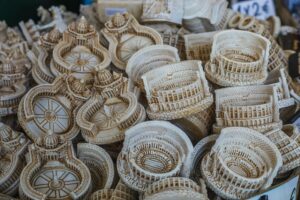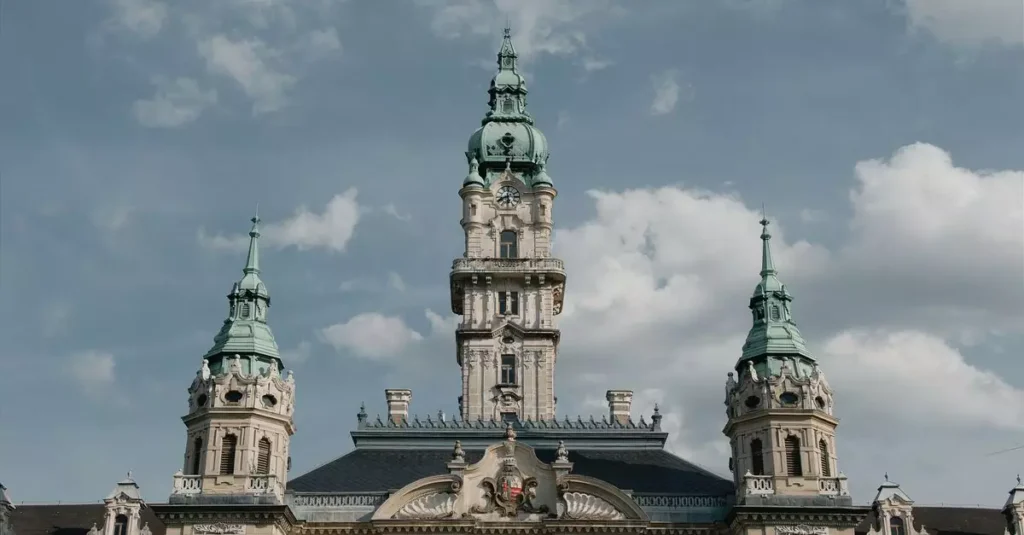
Embarking on your first European adventure is an exciting prospect, and choosing the right destinations can make all the difference. This guide focuses on the best first time Europe cities, blending iconic landmarks with authentic cultural experiences that are both accessible and unforgettable. You’ll discover which cities offer a perfect introduction to the continent’s rich history, vibrant art scenes, and delicious cuisines, all while being manageable for new travelers. We’ll explore how these locations balance world-famous attractions with opportunities to connect with local life, ensuring your inaugural journey is seamless and enriching. Get ready to plan an adventure that captures the magic of Europe without the overwhelm.
Why These Cities Top the List for First-Time European Explorers

Selecting the best first time Europe cities involves a careful balance. Travelers want to see the iconic sights they’ve dreamed of, but they also crave genuine encounters with local life. This curated selection features destinations that excel at delivering both, making your first European adventure memorable for all the right reasons. We’ve prioritized places where world-famous landmarks are easily accessible, yet opportunities to step off the beaten path and experience authentic culture abound.
Balancing Iconic Landmarks with Authentic Experiences
Successful first-time European destinations provide a seamless blend of must-see attractions and local immersion. In Rome, for example, you can marvel at the Colosseum in the morning and then wander through the Trastevere neighborhood in the afternoon, enjoying a trattoria favored by locals. Paris also offers the Eiffel Tower and the Louvre, alongside vibrant markets like Marché des Enfants Rouges and charming bistros in Montmartre. These cities excel at presenting their history and culture without overwhelming visitors, allowing for a rich, layered experience.
Ease of Navigation for New Travelers
A significant factor in choosing the best first time Europe cities is how easy they are to navigate. Destinations with well-developed public transportation systems, extensive pedestrian zones, and readily available information in multiple languages significantly reduce travel stress. Cities like Amsterdam, with its compact center and efficient tram network, or Lisbon, with its charming trams and walkable historic districts, make it simple for first-time visitors to explore independently. This accessibility allows travelers to focus on enjoying their surroundings rather than grappling with logistics.
For practical advice on getting around, understanding local transit options is key. Many European cities offer multi-day passes that provide excellent value for unlimited travel on buses, trams, and subways. Researching these options before your trip can save both time and money.
Diverse Cultural and Historical Offerings
Europe’s rich tapestry of cultures and histories is a primary draw for travelers. The best first time Europe cities provide a concentrated yet diverse introduction to this heritage. For instance, Prague showcases stunning medieval architecture and a complex 20th-century history, all within a compact and walkable old town. Meanwhile, Barcelona pulses with unique Catalan culture, avant-garde architecture, and a vibrant culinary scene. These cities serve as gateways to understanding the continent’s multifaceted identity.
These destinations often act as excellent starting points for further exploration of Europe. Their central locations and well-connected transport links make them ideal hubs for day trips or onward journeys to other countries and regions.
Paris, France: The Romantic Capital for First-Timers

Paris consistently ranks among the best first time Europe cities, and for good reason. Its iconic landmarks, charming districts, and world-class cuisine offer an unforgettable introduction to the continent. While it can feel overwhelming, a structured approach ensures you experience the magic without the stress. Planning your visit around the shoulder seasons of spring (April-May) or fall (September-October) often provides pleasant weather and fewer crowds than the peak summer months.
Must-See Landmarks: Eiffel Tower, Louvre, Notre Dame
No trip to Paris is complete without seeing its most famous sights. The Eiffel Tower, an undeniable symbol of the city, offers breathtaking panoramic views from its various levels. Booking tickets online in advance is highly recommended to avoid long queues. The Louvre Museum houses an unparalleled collection of art, including the Mona Lisa and Venus de Milo. Dedicate at least half a day, and consider focusing on specific wings if time is limited. While Notre Dame Cathedral is still undergoing restoration after the 2019 fire, its exterior remains an impressive sight, allowing you to appreciate its resilience and architectural grandeur from the outside.
Exploring Charming Neighborhoods: Montmartre vs. Le Marais
Paris is a city best discovered by wandering through its distinct neighborhoods. Montmartre, perched on a hill, offers a bohemian atmosphere, cobblestone streets, and the stunning Sacré-Cœur Basilica. It’s a great place to find artists at work in Place du Tertre and enjoy lively street performances. In contrast, Le Marais is a historic district known for its elegant architecture, fashionable boutiques, vibrant LGBTQ+ scene, and beautiful Place des Vosges. This area is also home to fascinating museums like the Musée Picasso. Choosing between them depends on your mood: artistic charm or chic historical avenues.
Savoring Classic French Cuisine: Croissants to Coq au Vin
The culinary experience in Paris is a major draw. Start your mornings with flaky croissants and pain au chocolat from a local boulangerie. For lunch, enjoy a classic croque monsieur or a light salad at a sidewalk cafe. Dinners can range from casual bistros serving hearty dishes like coq au vin or boeuf bourguignon to fine dining establishments. Don’t forget to indulge in French pastries and macarons. Exploring local markets, such as Marché des Enfants Rouges, offers a delightful way to sample regional specialties and fresh produce.
Navigating Paris: Metro Tips for Beginners
Getting around Paris is remarkably easy thanks to its efficient public transportation system. The Métro is the most convenient way to travel between major attractions. A single ticket (Ticket t+) can be purchased individually or in a carnet of ten for savings. Consider purchasing a Navigo Découverte pass if you plan to use public transport extensively over several days, though it requires a small photo. Familiarize yourself with the Métro map; lines are identified by number and color, and stations are clearly marked. Always validate your ticket before boarding. Walking is also a fantastic way to absorb the city’s atmosphere, especially within individual arrondissements.
Rome, Italy: Stepping into Ancient History and Vibrant Culture

Rome stands as a monumental testament to history, making it one of the quintessential best first time Europe cities. Walking its cobblestone streets feels like a journey through time, with ancient ruins seamlessly integrated into a lively, modern metropolis. This city offers an unparalleled immersion into Western civilization, from its imperial past to its Renaissance artistry and contemporary Italian life. Planning a trip here involves embracing both the grand historical sites and the intimate charm of its neighborhoods.
Unmissable Ancient Sites: Colosseum, Roman Forum, Pantheon
No visit to Rome is complete without experiencing its iconic ancient landmarks. The Colosseum, a colossal amphitheater, evokes images of gladiatorial contests and public spectacles. Nearby, the Roman Forum served as the heart of ancient Roman public life, its scattered ruins hinting at temples, basilicas, and government buildings. A short walk away, the Pantheon, a remarkably preserved ancient temple now a church, boasts an awe-inspiring dome with its famous oculus.
For first-time visitors, dedicating at least a full day to these core historical areas is recommended. Consider booking guided tours for deeper insights into the history and significance of these sites. Early morning or late afternoon visits can help avoid the peak crowds and the midday sun, especially during warmer months. Comfortable walking shoes are essential, as you’ll be covering a lot of ground on uneven surfaces.
Vatican City Exploration: St. Peter’s Basilica and Museums
Vatican City, an independent city-state within Rome, is a must-see for its religious and artistic significance. St. Peter’s Basilica, a masterpiece of Renaissance architecture, is breathtaking in its scale and opulence, topped by Michelangelo’s dome. The Vatican Museums house an extraordinary collection of art and artifacts, culminating in the Sistine Chapel, famous for Michelangelo’s ceiling and The Last Judgment.
Access to the Vatican Museums often requires pre-booked tickets to bypass long queues. Dress code is strictly enforced for St. Peter’s Basilica and the Sistine Chapel; shoulders and knees must be covered. Allow ample time, at least half a day, to properly appreciate the vast collections within the museums and the grandeur of the basilica. Photography is prohibited in the Sistine Chapel.
Best Neighborhoods for First-Time Visitors: Trastevere’s Charm
While the historical center is paramount, experiencing Rome’s local life is equally important. Trastevere, located across the Tiber River, offers a more intimate and bohemian atmosphere. Its narrow, ivy-draped lanes, charming piazzas, and lively trattorias provide a quintessential Roman experience. It’s an excellent area for evening strolls and discovering authentic local eateries away from the main tourist thoroughfares.
Other neighborhoods like Monti, near the Colosseum, offer a blend of artisan shops, vintage boutiques, and trendy bars, appealing to those seeking a more contemporary vibe. The area around the Spanish Steps and Trevi Fountain is central and convenient for sightseeing but can be very crowded. For a quieter stay, consider the Prati district, close to the Vatican and well-connected by public transport.
Indulging in Roman Delights: Pasta, Pizza, and Gelato
Roman cuisine is a highlight of any visit, characterized by fresh, simple ingredients and robust flavors. Classic pasta dishes like Cacio e Pepe (cheese and pepper), Carbonara (egg, pecorino cheese, guanciale, black pepper), and Amatriciana (guanciale, tomato, pecorino cheese) are essential tastes. Roman-style pizza, known for its thin, crispy crust, is another delight.
No day in Rome is complete without gelato. Look for artisanal gelaterias that use natural ingredients. Exploring local markets, such as Campo de’ Fiori, offers a chance to sample regional produce and specialties. Don’t hesitate to ask locals for their favorite trattorias; often, the best culinary experiences are found off the beaten path.
Barcelona, Spain: Gaudi’s Masterpieces and Mediterranean Vibes
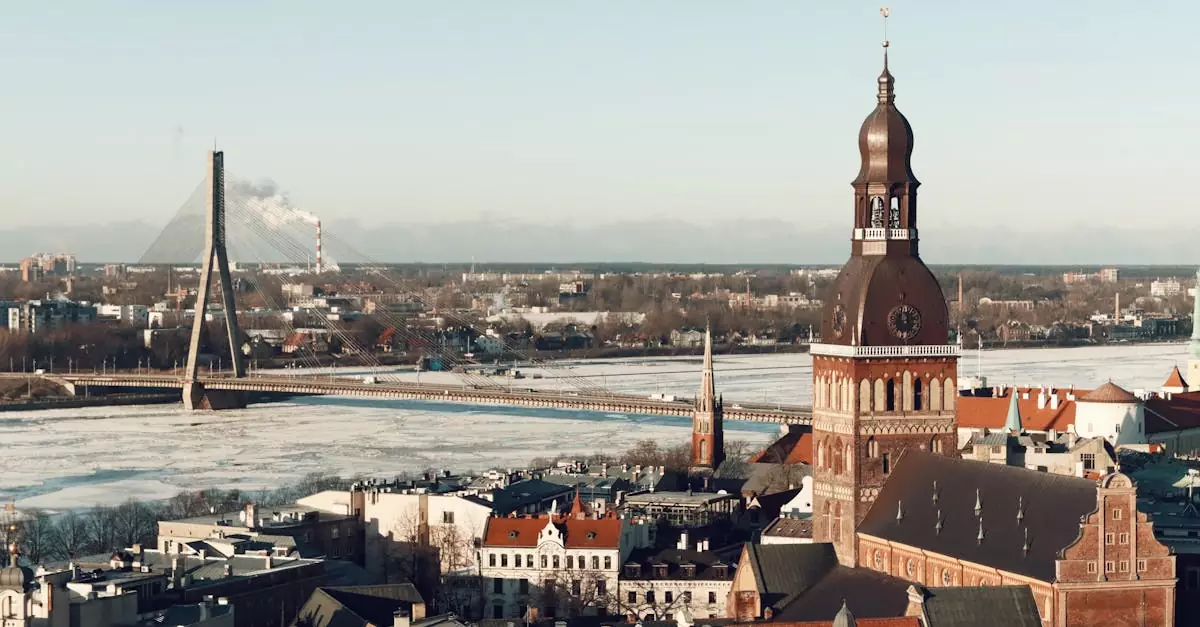
Barcelona consistently ranks among the best first-time Europe cities for its vibrant culture, stunning architecture, and coastal charm. This Catalan capital offers a captivating blend of old-world history and modern energy, making it an accessible and rewarding destination for any traveler. Its unique artistic heritage, coupled with a lively atmosphere and delicious cuisine, ensures an unforgettable introduction to the continent.
Architectural Wonders: Sagrada Familia and Park Güell
No visit to Barcelona is complete without marveling at the architectural genius of Antoni Gaudí. The Sagrada Familia, his unfinished masterpiece, dominates the city’s skyline with its intricate facades and soaring spires. Booking tickets well in advance is essential to avoid long queues and guarantee entry to this awe-inspiring basilica.
Equally enchanting is Park Güell, a whimsical public park filled with mosaic-covered structures, gingerbread-like houses, and serpentine benches offering panoramic city views. Exploring its playful design feels like stepping into a fairy tale. Consider visiting early in the morning or late afternoon to experience the park with fewer crowds and softer light.
Strolling Las Ramblas and the Gothic Quarter
Las Ramblas, Barcelona’s most famous boulevard, offers a lively pedestrian experience, lined with street performers, flower stalls, and bustling cafes. While it can be crowded, it’s a quintessential Barcelona experience. Be mindful of your belongings in this busy area.
Branching off Las Ramblas, the Gothic Quarter (Barri Gòtic) invites you to get lost in its labyrinthine medieval streets. Here, you’ll discover hidden plazas, ancient Roman walls, and the magnificent Barcelona Cathedral. This historic heart of the city is best explored on foot, allowing for spontaneous discoveries around every corner.
Tapas Culture: Your Guide to Authentic Spanish Bites
Barcelona’s culinary scene is a major draw, with tapas culture at its core. This social way of eating involves sharing small dishes, offering a delightful opportunity to sample a variety of flavors. Look for local bars away from the main tourist thoroughfares for more authentic and reasonably priced options.
Popular tapas include patatas bravas (fried potatoes with spicy sauce), gambas al ajillo (garlic shrimp), and jamón ibérico (Iberian ham). Don’t hesitate to try regional specialties like escalivada (roasted vegetables) or pan con tomate (bread with tomato). Experiencing a tapas crawl is a fantastic way to immerse yourself in local life.
Getting Around Barcelona: Public Transport Essentials
Navigating Barcelona is straightforward thanks to its efficient public transportation system. The metro is extensive, clean, and connects most major attractions. Buses and trams also offer convenient ways to travel, especially for reaching areas not directly served by the metro.
A T-casual travel card offers 10 journeys and is a cost-effective option for most visitors. Walking is also highly recommended, particularly for exploring neighborhoods like the Gothic Quarter and El Born. For those arriving from further afield, Barcelona-El Prat Airport (BCN) is well-connected to the city center via Aerobus and local train services.
| Transportation Method | Average Cost (Single Ride) | Travel Time to City Center | Notes |
|---|---|---|---|
| Metro | €2.55 | 20-40 minutes | Extensive network, frequent service |
| Aerobus | €6.75 | 35 minutes | Direct service from airport terminals |
| Taxi | €30-€40 | 25-35 minutes | Convenient for groups or late-night travel |
| Train (RENFE) | €4.60 | 25 minutes | Connects Terminal 2 to city stations |
Amsterdam, Netherlands: Canals, Culture, and Cycling Adventures
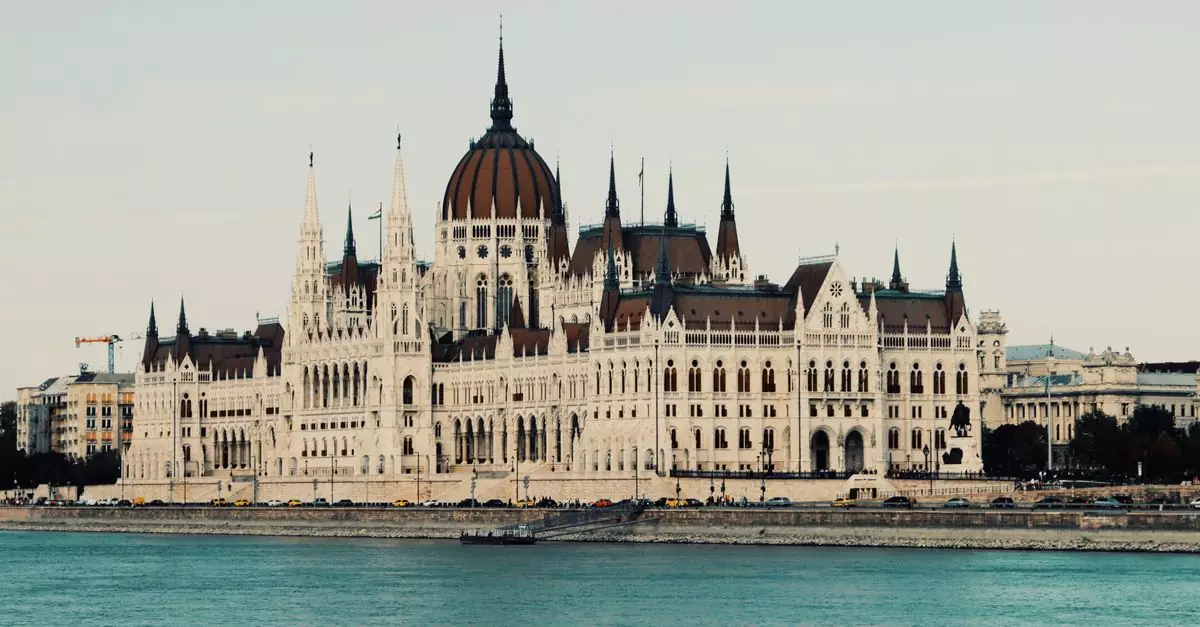
Amsterdam frequently tops lists of the best first time Europe cities, and for good reason. Its compact size, stunning waterways, and rich history offer a captivating introduction to the continent. The city seamlessly blends historic charm with a vibrant, modern energy, making it accessible and engaging for first-time visitors.
Iconic Canal Cruises and Anne Frank House
A quintessential Amsterdam experience involves gliding along its historic canals. These UNESCO World Heritage waterways are the city’s lifeblood, offering a unique perspective on its architecture and layout. Numerous boat tours depart from central locations like near Centraal Station, providing narrated insights into the city’s past and present. For a more intimate experience, consider a smaller, open-boat tour, especially during the warmer months.
No visit to Amsterdam is complete without a trip to the Anne Frank House. Booking tickets well in advance is essential, as capacity is limited and demand is consistently high. The museum offers a poignant glimpse into the hiding place of Anne Frank and her family during World War II. Allow ample time for reflection after your visit.
Exploring Jordaan’s Picturesque Streets
The Jordaan district, once a working-class neighborhood, has transformed into one of Amsterdam’s most charming areas. Its narrow streets, picturesque canals, and independent boutiques invite leisurely exploration. Wander through streets like Prinsengracht and Keizersgracht, admiring the gabled houses and hidden courtyards. The area is also home to numerous art galleries and cozy cafes, making it a delightful place to simply get lost for an afternoon.
Must-Try Dutch Treats: Stroopwafels and Bitterballen
Sampling local culinary delights is a key part of any travel experience. In Amsterdam, two treats stand out. Freshly made stroopwafels, thin waffles filled with caramel syrup, are a warm, sweet delight often found at street markets or bakeries. For a savory option, try bitterballen, deep-fried meatballs typically served with mustard. They make for a perfect accompaniment to a local beer.
Cycling Etiquette for First-Time Riders
Amsterdam is famously a city of cyclists, and embracing this mode of transport is highly recommended. Renting a bike offers unparalleled freedom to navigate the city. However, it’s crucial to understand local cycling etiquette to ensure a safe and enjoyable experience.
- Stay in the Bike Lane: Always use designated bike lanes.
- Signal Your Intentions: Use hand signals to indicate turns or stops.
- Be Aware of Others: Keep an eye out for trams, pedestrians, and other cyclists.
- Lock Your Bike Securely: Use a strong lock, as bike theft is common.
- Respect the Rules: Obey traffic lights and signs.
Many rental shops offer brief orientation sessions. Opting for an e-bike can also make longer distances or inclines more manageable, especially if you’re not accustomed to cycling.
Frequently Asked Questions for Your First European City Trip
Planning your inaugural journey across the continent can raise many questions. Here’s a breakdown of common queries to help you prepare for your best first time Europe cities adventure.
What is the best time of year to visit these cities?
The shoulder seasons, spring (April to May) and fall (September to October), generally offer the most pleasant conditions for visiting most major European cities. You’ll typically find fewer crowds than in the peak summer months, more moderate weather, and often better prices on flights and accommodations.
- Spring: Blooming flowers, pleasant temperatures for walking, and longer daylight hours.
- Summer (June to August): Warmest weather, longest days, but also the highest prices and largest crowds.
- Fall: Beautiful autumn foliage, crisp air, and harvest festivals in some regions.
- Winter (November to March): Coldest temperatures, shorter days, but festive holiday markets and lower prices, especially outside major holiday periods.
How much should I budget for a week in these cities?
A realistic budget for a week in popular European cities can vary significantly based on your travel style and the specific destinations. For a mid-range traveler, aiming for $150-$250 USD per day per person is a good starting point. This typically covers accommodation, food, local transport, and a few attractions.
Here’s a general breakdown for a week (7 days/6 nights):
| Category | Budget Traveler (USD) | Mid-Range Traveler (USD) | Comfort Traveler (USD) |
|---|---|---|---|
| Accommodation | $600 – $900 | $900 – $1500 | $1500+ |
| Food & Drink | $300 – $450 | $500 – $700 | $700+ |
| Activities/Tours | $150 – $250 | $300 – $500 | $500+ |
| Local Transport | $50 – $100 | $100 – $150 | $150+ |
| Total (Approx.) | $1100 – $1700 | $1800 – $2850 | $2850+ |
Remember, this excludes international flights and souvenirs. Cities like Paris and London tend to be at the higher end of this spectrum, while destinations in Eastern Europe might be more affordable.
What are common tourist scams to watch out for?
While Europe is generally safe, it’s wise to be aware of common tourist scams. Pickpocketing is prevalent in crowded areas like public transport, popular attractions, and busy squares. Always keep your valuables secure and out of sight.
Other common scams include:
- The “Ring” Scam: Someone drops a ring, claims it’s valuable, and offers it to you for a low price. It’s invariably fake.
- Overcharging Taxis: Ensure the meter is running or agree on a price beforehand, especially for airport transfers.
- Petition Scams: Individuals approach you with a petition, often for a fake charity, and then ask for a donation.
- Distraction Theft: A group might work together to distract you while one member steals your belongings.
Staying vigilant and trusting your instincts are your best defenses.
What essential items should I pack for a multi-city European trip?
Packing light is key for easy navigation between cities. Focus on versatile, comfortable items that can be layered.
- Comfortable Walking Shoes: You’ll be doing a lot of walking, so prioritize good footwear.
- Layers: Pack t-shirts, long-sleeved shirts, and a light to medium jacket. A waterproof outer layer is highly recommended.
- Universal Travel Adapter: Essential for charging your electronics.
- Portable Power Bank: Invaluable for keeping your phone charged on long travel days or while sightseeing.
- Scarf/Pashmina: Can add warmth, serve as a fashion accessory, or be used for modesty when entering religious sites.
- Small Daypack or Crossbody Bag: For carrying essentials while keeping your hands free and belongings secure.
- Reusable Water Bottle: Stay hydrated and save money by refilling it throughout the day.
- Copies of Important Documents: Keep digital and physical copies of your passport, visas, and hotel bookings separate from the originals.