If you’re planning a trip to Malta’s compact, historic capital, one of the first questions is the best time to visit Valletta. Timing affects weather, crowds, events, prices and what you can comfortably do on foot among its steep streets, Baroque palaces and harborside promenades.
This guide breaks down Valletta weather across the year, explains the Valletta tourist season, outlines seasonal pros and cons, and gives practical tips on budgeting and planning so you can choose the month that suits your interests and travel style.
Why Valletta deserves careful timing
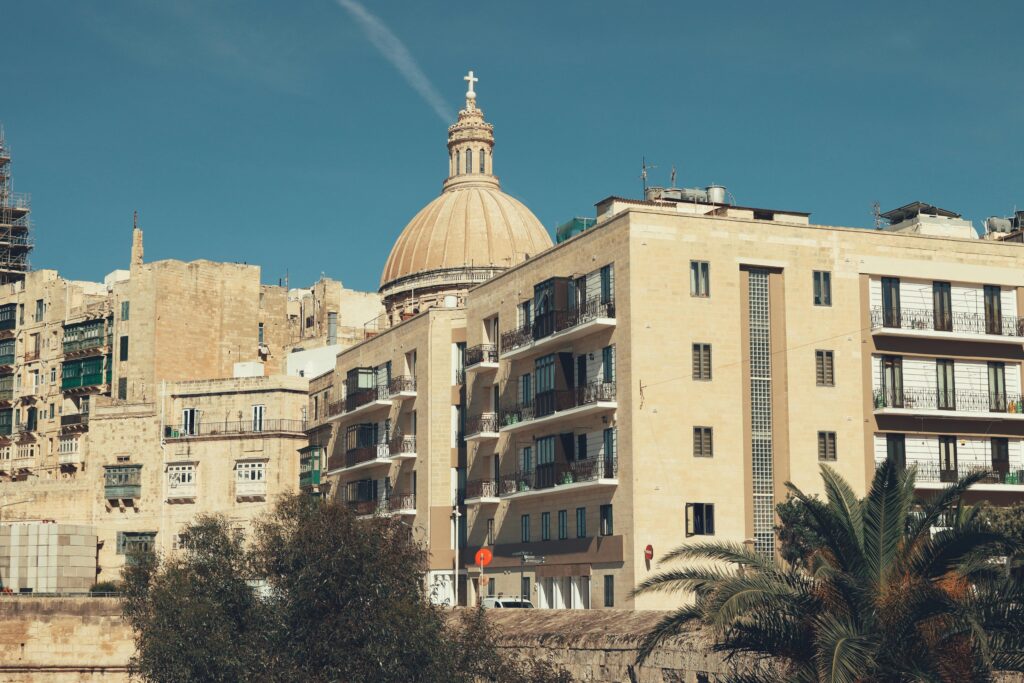
Valletta is a UNESCO World Heritage city where nearly every corner tells a story: fortifications from the Knights of St John, grand churches, museums, and narrow alleys opening to sea views. Because the historic core is small and largely pedestrian, visitor experience changes dramatically between high and low season.
Visiting when the weather is agreeable and the streets aren’t packed makes exploring indoor attractions and outdoor terraces much more enjoyable. Consider how much you value lower prices, local events, warm swimming weather or a calmer pace of life when picking travel dates.
Valletta weather: climate by month and what to expect
Valletta has a Mediterranean climate: hot, dry summers and mild, wetter winters. Temperatures vary from about 10°C (50°F) in the coldest months to 30°C (86°F) or higher in peak summer. Rain is rare between late spring and early autumn but becomes more common from November through February.
Here’s a concise monthly breakdown to help with planning:
- January–February: Cool and wet. Daytime highs around 12–15°C (54–59°F). Good for museums and lower travel costs but limited daylight and occasional rain.
- March–April: Spring arrives with milder weather (15–20°C / 59–68°F) and blooming landscapes. Great for walking tours and outdoor cafés before the crowds swell.
- May–June: Warm and mostly dry. Temperatures climb into the low to mid-20s°C (mid-70s°F). Sea temperatures begin to warm, and many outdoor festivals and open-air events start up.
- July–August: Peak summer heat and peak crowds. Expect 28–32°C (82–90°F) and lots of tourists, especially around the harbors and waterfront restaurants. Best for beach days if you can handle the heat and higher prices.
- September–October: Warm sea and pleasant air temperatures (23–28°C / 73–82°F). A favorite period for many travelers—balmy evenings, fewer crowds than July/August, and still excellent swimming.
- November–December: Cooler and rainier but still mild compared with northern Europe. December brings holiday lights and seasonal events; museums and restaurants are less crowded.
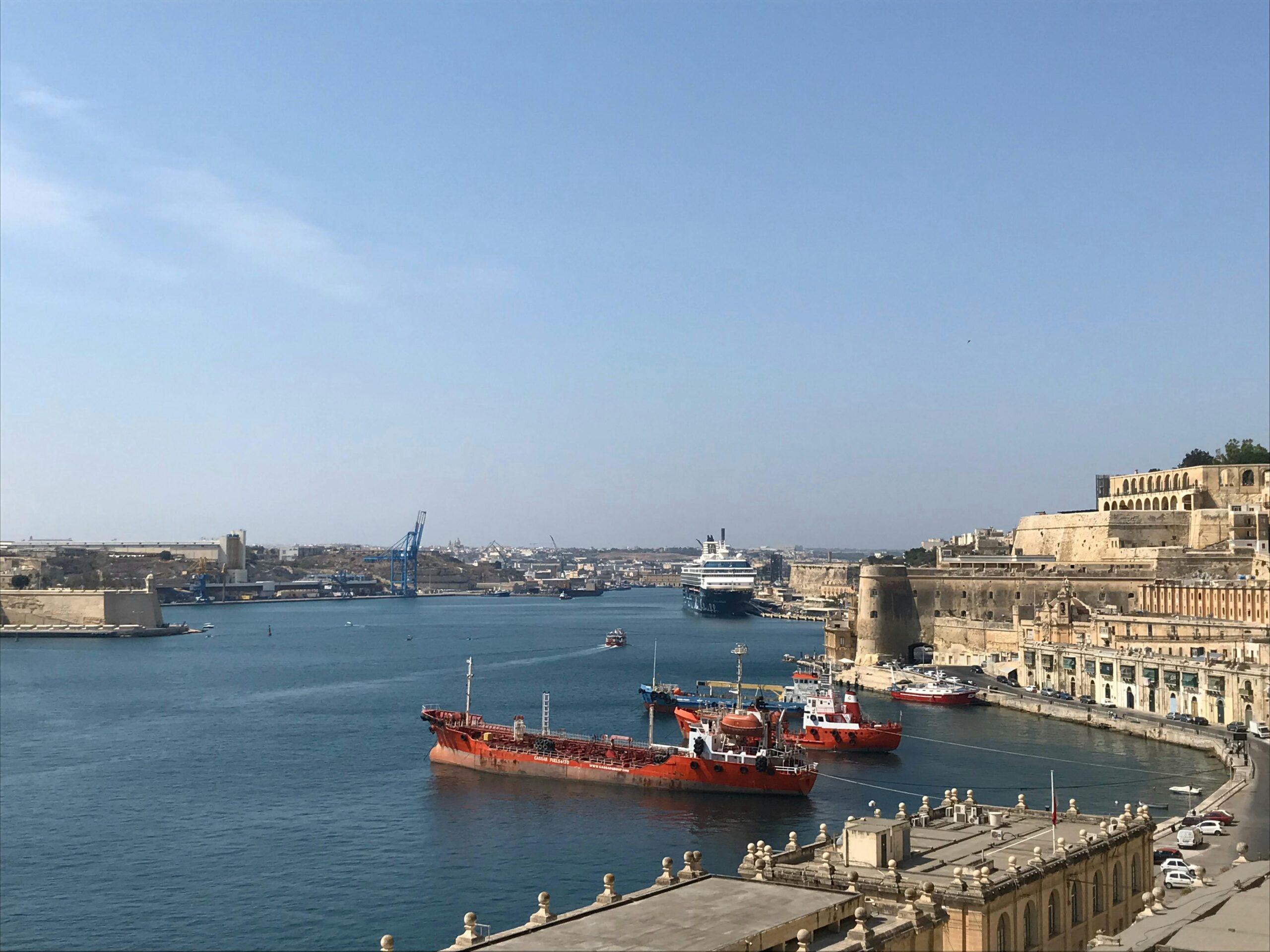
Best time to visit Valletta — practical recommendations
There is no single “best” month for everyone, so choose based on what you want to prioritize:
- For pleasant weather and smaller crowds: late April to mid-June or mid-September to October. These shoulder months combine comfortable Valletta weather with more reasonable prices than peak summer.
- For swimming, festivals and nightlife: July and August provide the warmest sea temperatures and the full festival calendar but bring the busiest streets and highest Valletta travel cost during the year.
- For quiet exploration, lower travel costs and off-season culture: November to March. Many attractions remain open, and you’ll see Valletta with more local life and fewer tour groups, though some outdoor venues might be closed or reduced hours.
If you want to align with major events, plan around the Malta International Arts Festival (usually late spring/early summer) or the Valletta Film Festival and local festas, but expect those dates to increase crowds and prices slightly.
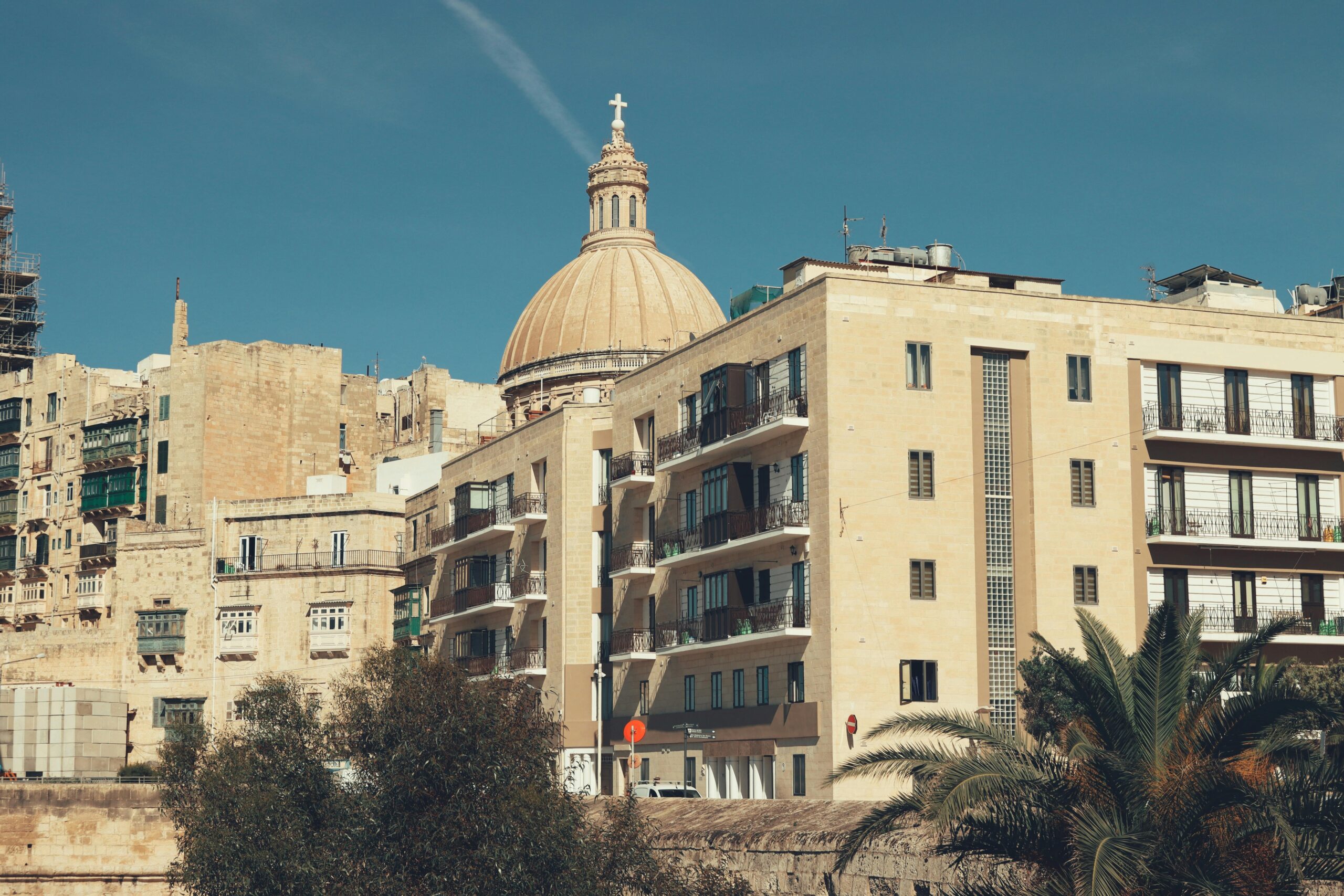
Valletta tourist season: crowds, events and local rhythm
The Valletta tourist season peaks in July and August when European families and international travelers converge on the island. Streets, museums and ferry services are busiest then, and restaurants near the waterfront typically require reservations.
Shoulder seasons—April to June and September to October—offer a good balance: outdoor cafes, open cultural programs, and manageable crowds. Local events such as open-air concerts, temporary exhibitions, and religious festas add color without overwhelming the city if you time your visit wisely.
Winter months bring a different rhythm. Locals reclaim their neighborhoods, prices drop, and you’ll find easier access to attractions such as St. John’s Co-Cathedral and the Grandmaster’s Palace. If you prefer quieter travel and indoor exploration, winter can be appealing despite the occasional rainy day.
Valletta travel cost and budgeting tips by season
Costs fluctuate significantly with seasonality. Expect the highest Valletta travel cost in July and August when airfare, accommodations and tours peak. Shoulder seasons offer the best value for comfortable weather and reasonable prices.
Practical budgeting tips:
- Accommodation: Book at least 2–3 months ahead for peak season; consider slightly outside Valletta (Sliema or Floriana) for lower nightly rates and easy ferry or bus access. For hotel options and availability, check trusted booking platforms when planning dates.
- Dining: Restaurants near the Grand Harbour and main tourist thoroughfares charge a premium. Walk a few streets back to find family-run eateries with better prices and authentic Maltese cuisine.
- Transport and attractions: Valletta is very walkable; public buses connecting to other parts of Malta are affordable. Buy combination museum tickets or plan visits during off-peak hours to avoid long lines and save time.
- Off-season savings: Visit in late fall or winter to find lower rates on hotels and flights, but confirm opening hours for sites you most want to see.
For a practical hotel search and up-to-date availability during your chosen dates, use a reputable booking site to compare properties and secure flexible rates before travel.
For budget planning, factor in higher daily spending during festivals and summer evenings when outdoor dining and tours are more frequent.
How to plan your itinerary around weather and crowds
Plan outdoor excursions early in the morning or late in the afternoon during hot months to avoid peak sun and crowds. Midday is ideal for indoor attractions: museums, churches, and the National Library.
- Walking tours: Schedule them for spring, early summer or September to enjoy comfortable walking temperatures and scenic light for photography.
- Harbour and boat trips: Late spring through early autumn gives the best sea conditions and clear water for swimming or coastal views.
- Festivals and events: Book tickets for popular shows and restaurant reservations well in advance if your visit coincides with major cultural events.
Layer clothing in shoulder seasons; mornings and evenings can be cool while midday warms up quickly. Carry a small umbrella or light rain jacket if you travel in autumn or winter.
FAQs
When is Valletta least crowded?
The least crowded months are November through March, excluding holiday peaks. These months see fewer tourists and more local activity, although some outdoor venues may operate on reduced hours.
Which months have the best weather for swimming?
Sea temperatures are warmest from July through September, with September often offering warm water and slightly fewer crowds than mid-August.
How much should I budget per day in Valletta?
Daily budgets vary widely. For an economical traveler, plan on modest meals, shared transport and budget accommodation; mid-range travelers should factor in nicer dinners and entry fees; peak summer travel increases average daily costs due to higher accommodation and activity prices.
Are attractions like St. John’s Co-Cathedral open year-round?
Most major attractions remain open all year but may have shorter hours in winter or during national holidays. Check official websites or local information once your dates are set to confirm opening times and any closures.
Is Valletta walkable for older visitors or those with mobility issues?
Valletta’s compact layout is walkable, but its streets include steep inclines and stairs. Many key sites are accessible, and taxis or buses can reduce walking. If mobility is a concern, plan a slower pace, use public transport and prioritize ground-level attractions.
Conclusion
Choosing the best time to visit Valletta depends on what you want most from your trip: lively summer festivals and swimming, peaceful cultural exploration in winter, or a balanced shoulder-season blend of good weather and manageable crowds. Assess Valletta weather, expected tourist season patterns and Valletta travel cost for your preferred dates, then use early planning and simple timing strategies—like visiting museums at midday and walking early or late—to get the most from this compact, characterful capital.
With a little preparation you can enjoy Valletta’s architecture, harbor views and local life in the season that suits your priorities. For current accommodation options and flexible booking choices, check listings on a reliable hotel platform when you finalize dates.
Search Valletta hotels and apartments
Compare available places to stay in Valletta