
England’s appeal extends far beyond its bustling capital. For travelers eager to explore centuries of history, culture, and architectural wonders, its historic towns provide an exceptional experience. These destinations offer a tangible connection to the past, allowing visitors to walk the same streets as kings, queens, scholars, and artisans.
This article will guide you through the best historic towns England has to offer, from the Roman Baths of Bath to the medieval walls of York. You’ll discover charming Cotswolds villages, explore the academic grandeur of Oxford, and uncover hidden gems along the Dorset coast. We’ll also provide practical advice on planning your itinerary, navigating between these timeless locations, and enjoying the unique culinary traditions found in each region. Prepare to step back in time and immerse yourself in England’s rich heritage.
Why Choose England’s Historic Towns for Your Next Trip?

For those seeking a deeper understanding of history, culture, and architecture, England’s historic towns offer an unparalleled experience. These locales provide a direct link to the past, allowing visitors to traverse the same streets as notable figures throughout history.
The Enduring Charm of Medieval English Architecture
The visual allure of England’s historic towns is often defined by their remarkably preserved medieval architecture. Picture timber-framed buildings leaning over narrow cobbled streets, imposing stone castles that have stood for centuries, and ancient cathedrals reaching skyward. These structures are not mere relics; they are living testaments to the craftsmanship and resilience of bygone eras. Exploring towns like York or Chester feels like stepping onto a film set, yet it offers a genuine immersion into a landscape shaped by centuries of development.
Experiencing Centuries of British Heritage Firsthand
Visiting these historic centers provides a unique opportunity to engage directly with British heritage. You can tour Roman walls, wander through Georgian townhouses, or envision life in a Tudor merchant’s home. Many towns feature excellent museums and heritage sites that meticulously detail their past, from Viking settlements to industrial revolutions. This hands-on approach to history is far more engaging than reading a textbook, offering a deeper understanding of the events and people who shaped not only England but much of the wider world.
Beyond London: Uncovering England’s Hidden Historic Gems
While London is undeniably rich in history, countless smaller towns offer a more intimate and often less crowded encounter with the past. These locations provide a more accessible and relaxed way to experience the country’s historical tapestry. For example, towns in the Cotswolds showcase quintessential English rural charm with their honey-colored stone villages, while cities like Salisbury offer the grandeur of a magnificent cathedral without the overwhelming scale of a major metropolis. Venturing off the beaten path allows for unexpected discoveries and a more authentic connection to local life and history.
Top 5 Historic Towns in England for Unforgettable Stays

England boasts a rich tapestry of history, evident in its charming villages and grand cities. For travelers eager to step back in time, certain destinations stand out for their preserved architecture, significant historical sites, and enduring atmosphere. These best historic towns in England offer a tangible connection to the past, from Roman ruins to medieval fortifications.
Charming Cotswolds Villages: Broadway and Stow-on-the-Wold
The Cotswolds region is renowned for its honey-colored stone villages, providing a quintessentially English countryside experience. Broadway and Stow-on-the-Wold are prime examples, each exuding unique charm. Broadway, often called the “Jewel of the Cotswolds,” features a wide, tree-lined street filled with independent shops, art galleries, and traditional pubs. Its elegant Georgian and Victorian architecture provides a picturesque backdrop.
Stow-on-the-Wold, situated at the highest point in the Cotswolds, is a bustling market town with a rich trading history. Its market square remains a focal point, surrounded by ancient inns and antique shops. The town is famous for its medieval cross and St. Edward’s Church, which features a notable north door framed by ancient yew trees.
Getting There and Around:
These villages are best reached by car, offering flexibility to explore the wider Cotswolds. Train services are available to nearby hubs like Moreton-in-Marsh, from which local buses or taxis can be arranged. Within the villages, walking is the most enjoyable way to soak in the atmosphere.
The Roman Baths and Georgian Splendor of Bath
Bath is a UNESCO World Heritage city, celebrated for its remarkably preserved Roman Baths and stunning Georgian architecture. The city’s history stretches back to Roman times, when it was known as Aquae Sulis, a center for bathing and social life. The Roman Baths complex provides an exceptional glimpse into ancient engineering and daily routines, featuring thermal waters still flowing today.
Beyond its Roman heritage, Bath is a masterpiece of Georgian design. The Royal Crescent and The Circus are iconic examples of this architectural era, showcasing elegant townhouses built from local Bath stone. The city’s compact center is easily navigable on foot, allowing visitors to appreciate its beauty at a leisurely pace.
Visitor Tips:
Book tickets for the Roman Baths in advance, especially during peak season. Consider a guided walking tour to gain deeper insights into the city’s history and architecture. Bath is also known for its independent boutiques and excellent dining scene.
Medieval Walls and Market Halls of York
York is a city steeped in nearly 2,000 years of history, from its Roman origins to its Viking past and medieval prominence. The city’s most striking feature is its remarkably intact medieval city walls, which visitors can walk along for panoramic views. The Shambles, a narrow, cobbled street with overhanging timber-framed buildings, evokes a strong sense of medieval life and is one of the most photographed streets in England.
York Minster, one of the world’s most magnificent cathedrals, dominates the skyline and is a must-visit for its stunning stained glass and intricate Gothic architecture. The city also boasts the Jorvik Viking Centre, which recreates the Viking-age city discovered beneath modern-day York.
Logistics for York:
York is well-connected by train, making it an accessible destination for a weekend break. Most major attractions are within walking distance of the city center and train station. Accommodation options range from historic guesthouses within the walls to modern hotels.
Dorset’s Coastal History: Lyme Regis and Wareham
Dorset offers a unique blend of coastal beauty and ancient history, with towns like Lyme Regis and Wareham providing distinct historical experiences. Lyme Regis is famous for its Jurassic Coastline, a UNESCO World Heritage site, and its rich fossil hunting heritage. The town’s picturesque harbor and the Cobb, a historic stone quay, have featured in literature and film.
Wareham, a Saxon walled town, offers a different historical perspective. Its grid-like street plan dates back to its founding by Alfred the Great, and its Saxon church, St. Martin-on-the-Walls, is a significant historical monument. The town is also situated on the River Frome, offering scenic walks and boat trips.
Comparing Coastal Towns:
| Feature | Lyme Regis | Wareham |
|---|---|---|
| Primary Draw | Jurassic Coast, fossils, harbor | Saxon history, river, market town |
| Atmosphere | Lively seaside, historic port | Peaceful, historic, riverside |
| Activities | Fossil hunting, coastal walks, kayaking | River cruises, exploring Saxon walls |
| Accessibility | Bus and limited train access | Train station, good road links |
Oxford’s Academic History and Iconic Spires
Oxford, the “City of Dreaming Spires,” is globally renowned for its prestigious university, which has shaped its identity for centuries. The city’s architecture is a breathtaking showcase of various historical periods, from medieval colleges to grand Georgian buildings. Wandering through the quadrangles of institutions like Christ Church, Magdalen, and Balliol offers a profound sense of history and academic tradition.
Beyond the university, Oxford boasts impressive cultural sites, including the Ashmolean Museum, Britain’s oldest public museum, and the Bodleian Library, one of Europe’s largest libraries. The city center is compact and highly walkable, with punting on the River Cherwell offering a classic Oxford pastime.
Academic Immersion:
Many colleges offer tours, allowing visitors to experience their historic chapels, dining halls, and libraries. Consider attending a public lecture or evensong service for a deeper immersion into university life. Oxford’s blend of history, culture, and vibrant student life makes it one of the best historic towns in England.
Planning Your Itinerary: How Long to Spend in Each Historic Hub?

Deciding how much time to dedicate to England’s rich tapestry of historic towns depends on your travel style and interests. Whether you have a single weekend or several weeks, you can craft a memorable journey through centuries of history. Consider what you want to experience: a quick overview, deep dives into specific periods, or a comprehensive exploration of the country’s heritage.
Weekend Getaway: A Taste of Two Historic Towns
For a short break, focusing on two strategically located towns can offer a satisfying glimpse into England’s past without feeling rushed. This approach is ideal for those with limited vacation time or who prefer frequent, shorter trips. Careful planning is essential to maximize your time and minimize travel between locations.
Consider pairing a larger, well-known town with a smaller, more intimate one. For instance, a weekend in Bath, with its Roman Baths and Georgian architecture, could be combined with a visit to nearby Bradford-on-Avon, a charming wool town with medieval bridges. Alternatively, if you’re in the north, York’s Viking and medieval heritage pairs well with the Georgian elegance of Harrogate.
Weekend Itinerary Example: Bath & Bradford-on-Avon
| Day | Morning | Afternoon | Evening |
|---|---|---|---|
| 1 | Arrive in Bath, explore Roman Baths | Visit Bath Abbey, walk Georgian streets | Dinner in Bath, Pulteney Bridge views |
| 2 | Travel to Bradford-on-Avon (20 mins) | Explore town, Tithe Barn, canal towpath | Return to Bath or depart |
Logistics are key for a weekend trip. Booking accommodation in advance, especially in popular towns like Bath, is highly recommended. Utilize local public transport or consider a rental car for flexibility, though parking can be challenging and expensive in many historic centers.
A Week-Long Exploration of England’s Past
With a full week, you can significantly broaden your historical horizons, perhaps focusing on a specific region or venturing to three to four distinct towns. This allows for a more relaxed pace, enabling deeper engagement with each location’s unique story and offering opportunities for day trips to surrounding historical sites.
A week could be dedicated to the Cotswolds, visiting market towns like Stow-on-the-Wold, Bourton-on-the-Water, and Chipping Campden, each showcasing medieval and Tudor architecture. Alternatively, you could explore the medieval heart of East Anglia, visiting Bury St Edmunds, Lavenham, and Cambridge. For those interested in industrial heritage, a route encompassing Ironbridge Gorge, Chester, and Liverpool offers a different yet equally compelling historical narrative.
When planning a week-long trip, consider the travel time between destinations. Grouping towns geographically can save valuable hours. For example, if you plan to visit York, you could easily combine it with nearby towns like Harrogate or even venture further north to Hadrian’s Wall for Roman history.
Transportation Options for a Week-Long Trip
- Train: Excellent for connecting major historic cities like York, Bath, and Chester. Offers a relaxing way to travel and avoids parking issues.
- Rental Car: Provides maximum flexibility for exploring smaller villages and rural historic sites, especially in areas like the Cotswolds.
- Bus: A budget-friendly option for intercity travel and reaching smaller towns not served by rail.
Budgeting for a week requires factoring in accommodation, food, attraction entry fees, and local transport. Historic towns can range from moderately priced to quite expensive, depending on their popularity and amenities.
Customizing Your Trip: Focusing on Specific Eras or Regions
The most rewarding historical tours often stem from a focused interest. Instead of trying to see everything, tailor your itinerary to a particular period or theme. This approach allows for a richer understanding and a more cohesive travel experience.
Thematic Itinerary Ideas:
- Roman Britain: Visit Bath, Hadrian’s Wall (including Vindolanda and Housesteads Roman Fort), and St Albans.
- Medieval England: Focus on towns like Canterbury, Rye, Warwick, and Ludlow, known for their castles, cathedrals, and preserved medieval streetscapes.
- Tudor and Elizabethan Era: Explore Stratford-upon-Avon (Shakespeare’s birthplace), Kenilworth Castle, and the historic houses of the Cotswolds.
- Georgian Grandeur: Dedicate time to Bath, Brighton, and the elegant spa towns of the northeast.
Regional customization is also highly effective. If you’re drawn to the dramatic landscapes and ancient history of the north, consider towns like Chester, Durham, and York. For a taste of the south, explore Winchester, Salisbury, and the coastal fortifications of Dover. This approach minimizes long-distance travel and allows for a deeper appreciation of regional differences in architecture, culture, and history. When planning these focused trips, research local museums and heritage centers, as they often provide invaluable context and unique exhibits related to your chosen theme.
Navigating Between England’s Historic Treasures
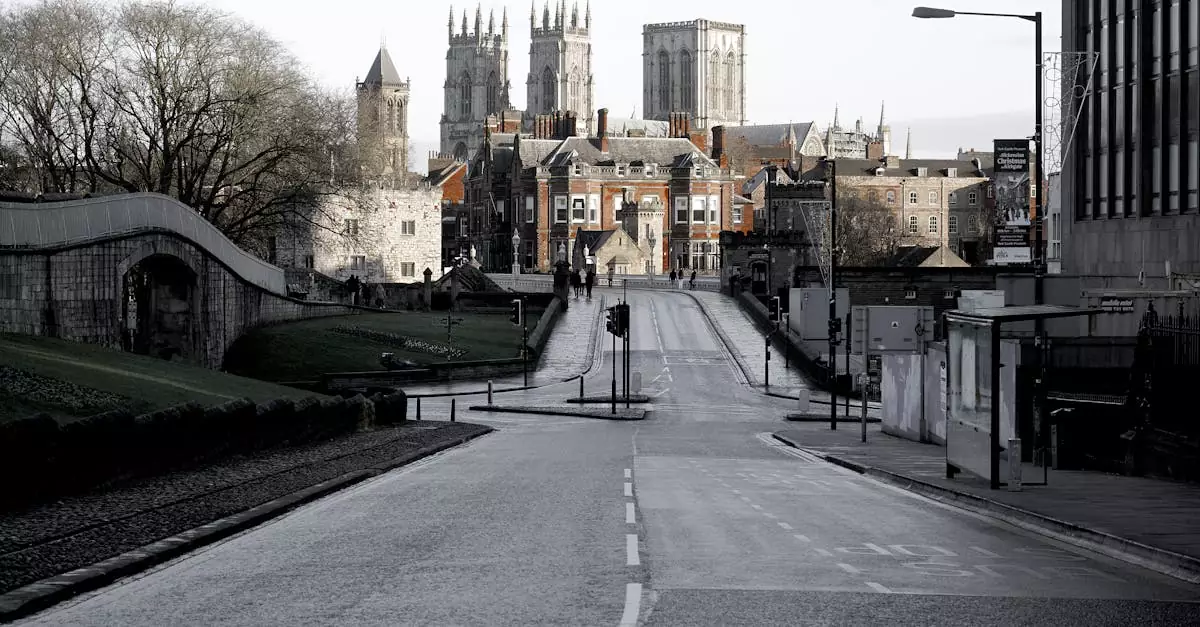
England’s rich history is spread across charming towns and ancient cities, making travel between them a key part of the experience. Whether you prefer the efficiency of trains, the freedom of a car, or navigating within a historic center, understanding your options will enhance your journey. Planning your transportation wisely ensures you spend more time immersing yourself in the past and less time worrying about logistics.
Train Travel Essentials: Connecting Major Historic Cities
For many travelers, the train is the most convenient way to hop between England’s best historic towns. The national rail network is extensive, connecting major hubs like London, Bath, York, and Oxford with relative ease. Services are frequent, especially on popular routes, and booking tickets in advance can lead to significant savings. Look for tickets on websites like National Rail Enquiries or directly with train operating companies.
Consider purchasing an a BritRail Pass if you plan on extensive train travel across multiple regions of England. These passes offer unlimited travel for a set period and can be cost-effective for multi-city itineraries. Most historic towns have central train stations within walking distance or a short bus ride from their main attractions, making this a practical choice.
Scenic Road Trips: Exploring Rural Historic England by Car
Renting a car offers unparalleled freedom, particularly if your interest lies in smaller, more remote historic villages or the rolling countryside that surrounds them. Driving allows you to set your own pace and access locations not always served by direct train lines. Routes like the Cotswolds, with its honey-colored stone villages, or the historic towns of the Peak District are best experienced by car.
Be aware that driving in some of England’s older towns can be challenging. Narrow, winding streets, limited parking, and one-way systems are common. Many historic centers are pedestrianized or have strict parking restrictions. It’s advisable to research parking availability and costs in advance for each town you plan to visit. Consider parking outside the immediate town center and walking in, especially in places like Chester or Canterbury.
Local Transport Options within Historic Towns
Once you arrive in a historic town, you’ll often find that the best way to see it is on foot. Many of England’s most enchanting historic centers are compact and designed for pedestrian exploration. Walking allows you to discover hidden alleyways, charming courtyards, and architectural details that might be overlooked otherwise.
For larger towns or when covering longer distances, local buses are usually available. They can be a budget-friendly way to get around, though routes and frequencies may vary. In some cities, like York, park-and-ride services are an excellent option for avoiding city center traffic and parking fees. Taxis and ride-sharing services are generally accessible in most towns and cities, offering a convenient door-to-door solution when needed.
What to Eat and Drink in Historic English Towns?

Experiencing the culinary heritage of England’s historic towns is as crucial as visiting their ancient landmarks. Each region boasts unique flavors, from hearty pub classics to refined afternoon tea rituals. Planning your gastronomic journey can enhance your immersion into the local culture and history.
Traditional Pub Fare: Pies, Ales, and Local Delicacies
No visit to a historic English town is complete without a stop at a traditional pub. These establishments often date back centuries, serving as community hubs and places to savor authentic British comfort food. Look for hearty steak and ale pies, shepherd’s pie, or fish and chips. Wash it down with a pint of locally brewed ale or a traditional cider. Many pubs also offer regional pies, such as the Melton Mowbray pork pie, a delicacy with protected geographical indication.
When choosing a pub, consider those that emphasize local sourcing. This not only supports the local economy but also guarantees fresher, more flavorful dishes. Pubs in larger historic cities like York or Bath might offer a more extensive menu, while those in smaller villages often stick to a core set of beloved classics.
Afternoon Tea Experiences in Historic Settings
For a more refined culinary experience, seek out an afternoon tea service. This quintessential British tradition involves a tiered stand laden with delicate finger sandwiches, freshly baked scones with clotted cream and jam, and an assortment of miniature cakes and pastries. It’s an elegant way to spend an afternoon, often enjoyed in grand hotels, charming tea rooms, or even historic houses.
The quality of the tea itself is paramount, with a wide selection usually available, from classic English Breakfast to Earl Grey and herbal infusions. The scones are a highlight, and the quality of the clotted cream and preserves can elevate the entire experience. Some establishments offer themed afternoon teas, perhaps inspired by local history or literature, adding an extra layer of charm. Booking in advance is highly recommended, especially in popular tourist destinations.
Sampling Regional Specialties: From Cornish Pasties to Yorkshire Puddings
England’s diverse geography has fostered a rich tapestry of regional culinary traditions, many of which are deeply intertwined with the history of its towns. In Cornwall, the Cornish pasty, a savory pastry filled with beef, potato, swede, and onion, is a must-try. These were historically designed for tin miners to carry as a portable meal.
Further north, Yorkshire puddings are a staple, traditionally served alongside roast beef. These light, airy batter puddings are baked in hot fat and are a cornerstone of the Sunday roast. In towns across the country, you might also find regional cheeses, locally caught seafood, or specific types of bread and cakes that reflect centuries of culinary evolution. Exploring these specialties offers a delicious insight into the local heritage and the ingenuity of past generations.
Frequently Asked Questions About Visiting Historic English Towns
What is the best time of year to visit England’s historic towns?
The best time to visit England’s historic towns generally falls between late spring (April to May) and early autumn (September to October). During these shoulder seasons, you’ll find milder weather, fewer crowds, and often more affordable accommodation prices compared to the peak summer months. Spring brings blooming gardens and a sense of renewal, while autumn offers beautiful foliage and a cozy atmosphere.
Summer (June to August) is also popular, with longer daylight hours and lively events, but expect larger crowds and higher costs. Winter can be charming with festive markets and a quieter feel, but daylight is limited, and some attractions may have reduced hours.
Are England’s historic towns suitable for family travel?
Yes, England’s historic towns offer a wealth of engaging experiences for families. Many sites feature interactive exhibits, living history demonstrations, and outdoor spaces for children to explore. Castles, in particular, often spark children’s imaginations with tales of knights and royalty.
When planning a family trip, consider towns with good public transport or those that are easily walkable, reducing the need for extensive car travel. Look for attractions with dedicated family activities or educational programs. Booking accommodations with family rooms or self-catering options can also enhance comfort and manage costs.
What are some common tourist mistakes to avoid in historic areas?
A common mistake is trying to see too much in a short period. Historic towns are best savored; rushing through can diminish the experience. Plan a realistic itinerary, allowing ample time to wander, absorb the atmosphere, and perhaps revisit favorite spots.
Another pitfall is neglecting to check opening times and days, especially outside of peak season. Many smaller museums or independent shops may have limited hours. Always verify this information online or by phone before your visit.
Finally, be mindful of the local environment. Historic buildings and areas are often delicate. Stick to designated paths, avoid touching ancient structures, and always dispose of litter responsibly to help preserve these valuable sites for future generations. Understanding local customs and being respectful of residents will also greatly enhance your visit.