Planning a snorkeling trip in Fiji inevitably raises one question early on: how much will it cost? Whether you’re estimating a single-day excursion from Nadi or budgeting for a multi-day liveaboard, understanding the typical fiji snorkeling tour price helps you balance expectations and choose the right operator. This guide uses current tour operator listings to explain price ranges, what drives cost, and how to get the most value from coral reef outings across Fiji.
Fiji’s reefs are world-renowned for soft corals, colorful reef fish, and clear lagoons, which makes it both a bucket-list destination and a location where choices—season, boat type, inclusions—directly affect the final price. Below you’ll find detailed, practical information about typical costs, sample itineraries, comparison tables, booking tips, and safety and conservation considerations so you can plan with confidence.
Why Fiji’s snorkeling scene commands a range of prices
Fiji’s archipelago spans more than 300 islands, with snorkeling opportunities from sheltered lagoon reefs to exposed drop-offs. That diversity contributes to a wide range of tour prices: sheltered, near-resort snorkel sites require little travel and are often cheaper, while remote reefs, manta ray cleaning stations, or multi-site boat trips demand more time, fuel, and experienced guides and therefore cost more.
Additional cost drivers include the level of service and operator experience. Licensed operators offering small-group or private trips typically charge more than larger commercial boats but provide more personalized attention and stricter safety standards. Liveaboard lodging, specialized photography packages, or trips timed for seasonal marine life (e.g., manta rays or whale sharks) add to the expense. Many tour listings also show optional extras like snorkel gear rental, park or conservation fees, and onboard refreshments that can alter the total price.
What determines your fiji snorkeling tour price
When you compare listings, look beyond the headline price and ask what’s included. Operators often bundle transport, snorkeling gear, lunch, and guided briefings into a single rate, while cheaper listings may require you to bring your own gear or pay add-ons. Key factors that affect cost include:
- Distance and travel time from your accommodation or port — longer transfers increase fuel and crew costs.
- Type of boat — high-speed launches and comfortable catamarans cost more to operate and maintain.
- Group size — private charters are the most expensive per person, while larger group tours can be more economical.
- Duration — half-day, full-day, and overnight itineraries each have different pricing models.
- Inclusions — gear rental, lunch, guided shore walks, park fees, and insurance all matter.
- Seasonality — peak-season demand and public holidays can push prices up.
Marine conservation policies also affect pricing. Some areas charge marine park fees or require licensed guides, and those costs are often passed through to guests. Similarly, operators who invest in eco-friendly practices (fuel-efficient engines, waste management, reef-friendly sunscreen enforcement) often price accordingly.
Typical price ranges and sample itineraries
Below are current ballpark ranges based on market listings for common snorkeling options in Fiji. These figures are for planning and reflect what travelers typically encounter; operators may adjust rates for group size, seasons, or special events.
- Half-day snorkeling tours (3–4 hours): FJD 80–250 per person — Ideal for shore-based departures and quick reef visits. These typically include round-trip transfers from nearby resorts, gear rental, and short guided swims.
- Full-day snorkeling tours (6–8 hours): FJD 150–450 per person — These visits usually combine 2–3 reef sites, include lunch and drinks, and offer opportunities for guided reef walks or a picnic on a sand cay.
- Private charters: FJD 600–2,500 per boat — Prices vary by boat size and duration; private charters are popular for families, photographers, or special occasions and provide flexibility on schedule and sites.
- Multi-day snorkeling trips / liveaboards: FJD 900–6,000+ per person — Multi-day trips that include sleeping aboard a dive/snorkel vessel or staying on remote island lodges vary widely depending on cabin class, meals, and route.
- Resort shore snorkeling access: Often included with accommodation or charged as a modest daily fee (FJD 10–50) for use of house reef facilities and equipment.
For travelers comparing options online, platforms that aggregate local operators make it easier to see side-by-side itineraries and price breakdowns. If you prefer to research schedules and current availability for popular daytime trips, check a trusted booking platform for operator listings and user reviews to verify what is actually included in the quoted price. A good place to start is by viewing current Fiji offerings on a recognized booking site: GetYourGuide’s Fiji page, where many operators list transparent pricing and inclusions.
How to get the best value: savings strategies and what to avoid
Smart planning reduces the fiji coral reef snorkeling trip cost without compromising the experience. Consider these practical tactics to lower expenses:
- Book group tours rather than private charters when possible — group tours spread fixed costs and are usually much cheaper per person.
- Bundle activities with accommodation — resorts sometimes offer discounted combo rates for guests that include transfers and gear.
- Bring your own mask and snorkel — if you have well-fitting equipment, you can avoid rental fees and have a more comfortable experience.
- Travel in shoulder season — late spring or early autumn often provide reliable visibility with lower rates and fewer crowds.
- Compare inclusions carefully — a slightly higher headline price may actually be cheaper if it covers transfers, lunch, and gear.
Try to avoid operators that hide key costs behind “optional extras” (park fees, mandatory gear hire, or transport surcharges). Transparent providers will list inclusions and exclusions clearly. If a listing looks unclear, ask the operator directly before booking to prevent surprises at check-in.
| Tour Type | Typical Price (per person) | Typical Inclusions | Best For |
|---|---|---|---|
| Half-day group boat | FJD 80–250 | Transfers, guide, basic gear | Short visits, budget travelers |
| Full-day multi-site | FJD 150–450 | Multiple sites, lunch, gear | Day-trippers wanting variety |
| Private charter | FJD 600–2,500 (per boat) | Flexible itinerary, private crew | Families, photographers, special events |
| Multi-day liveaboard | FJD 900–6,000+ | Accommodation, meals, multiple dives/snorkels | Serious snorkelers, remote reefs |
| Resort house reef | Often included or FJD 10–50 | Access to house reef, basic gear | Casual snorkeling from shore |
What to expect on a snorkeling trip: inclusions, gear, and safety
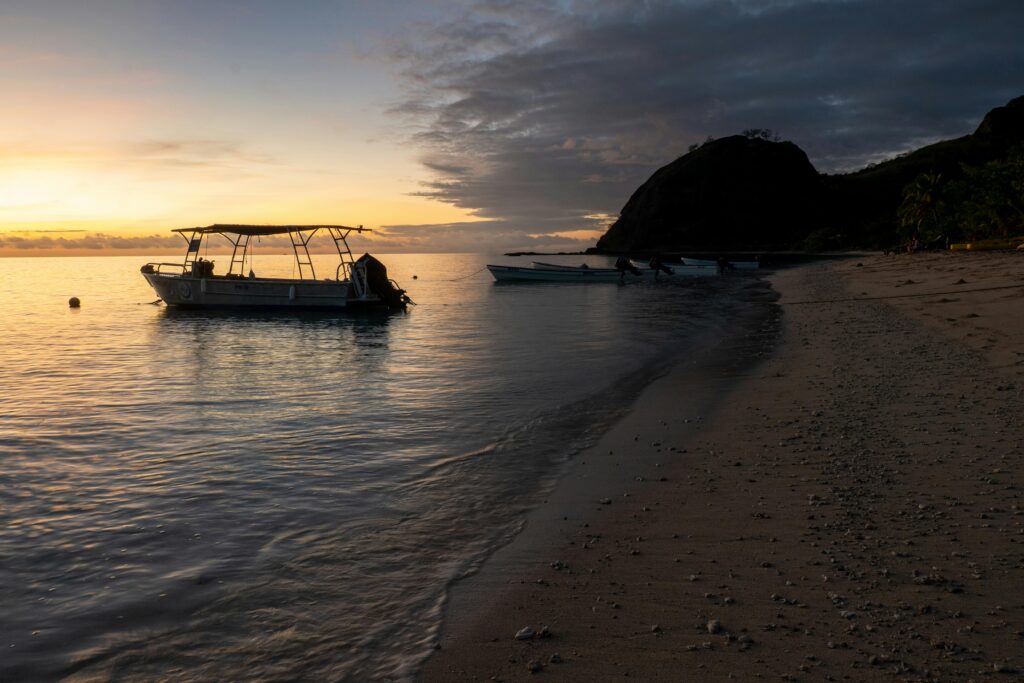
A standard snorkel trip in Fiji begins with a safety briefing: how to use or adjust gear, hand signals, and reef-friendly behavior. Most operators provide basic masks, snorkels, and fins; some include rash guards or loaner life vests. If you have prescription masks or prefer a particular fit, bringing your own set is recommended.
Safety measures typically include a trained guide in the water or on the boat, floats or buoys for less confident swimmers, and basic first aid kits onboard. Because reefs can sit near currents, guides choose sites with favorable conditions for the group’s skill level. Always listen to the briefing and don’t stray from your group or designated snorkel zone — guides know local hazards and marine-protected area rules.
Expect to see hard and soft corals, an array of reef fishes, and in some places, rays, turtles, and reef sharks. Visibility varies by season and weather; calm dry-season days bring the best clarity. Operators often supplement snorkel time with educational commentary about the reef ecosystem, and many responsible operators explain conservation fees that support marine protected areas.
Best snorkeling spots across Fiji and seasonal considerations
Several regions in Fiji stand out for snorkeling. The Mamanuca and Yasawa islands feature clear lagoons and reef flats ideal for families and snorkelers of all ages, while the Somosomo Strait near Taveuni is famous for soft coral gardens and larger pelagics. Off Kadavu and the Great Astrolabe Reef, you’ll find deep drop-offs and prolific corals that attract experienced snorkelers. Each area has its own cost implications: remote locations typically require longer boat transfers or small aircraft hops, which raise the price.
Seasonality matters for both visibility and marine life sightings. The dry season (roughly May–October) generally offers calmer seas and better visibility, making it a popular—and pricier—time to snorkel. Shoulder seasons can provide good conditions at lower cost but be prepared for some variability in weather. Certain sites host seasonal visitors like manta rays, and tours aimed at specific sightings can be priced higher due to higher success rates and specialized guides.
Booking and practical tips before you go
When booking, confirm cancellation policies, what’s included, and whether there are age or fitness restrictions. If you’re comparing multiple operators, note whether listed prices include transfers and taxes; that makes comparing offers fairer. Read recent guest reviews to verify that operators stick to their published itineraries and that they maintain good safety and conservation practices.
Many travelers find it helpful to compare operator listings and availability on a reputable booking platform before committing. For up-to-date departures, cancellations, and combined packages, a central listing service can speed comparison shopping: check current operator options on a recognized aggregator to confirm availability and see verified guest feedback: GetYourGuide’s selection of Fiji experiences.
Responsible snorkeling: protecting coral and marine life
Protecting Fiji’s reefs keeps snorkeling sustainable and preserves the habitats you came to see. Follow these best practices: never touch or stand on coral, avoid chasing or harassing wildlife, and use reef-safe sunscreen or a protective suit to minimize chemical impact. Many operators enforce rules such as no feeding fish and brief orientation sessions on reef etiquette.
Supporting operators that contribute to marine conservation is another way to ensure your visit has a positive legacy. Look for operators who include conservation fees in their pricing, participate in reef monitoring programs, or employ local guides. These responsible practices sometimes increase the tour price slightly but help sustain the reefs long term.
FAQs
How much should I budget for a typical half-day snorkeling tour in Fiji?
Budget for FJD 80–250 per person for a half-day group tour, depending on location and inclusions. If transfers, gear rental, or a guided reef walk are included, you’ll be toward the higher end of the range. Private charters or specialty photography trips will be significantly more expensive.
Are multi-day snorkeling trips much cheaper per day than repeated day tours?
Multi-day trips often offer better per-day value for remote reef access because travel time and accommodation are consolidated. Expect multi-day liveaboards to begin around FJD 900 per person and rise depending on cabin type and route. For remote reefs that would require long transfers from shore each day, a multi-day option can be more efficient both cost-wise and time-wise.
Does gear rental add a lot to the overall fiji snorkeling tour price?
Gear rental is a modest portion of the total cost but can add up if charged separately by multiple operators. Mask and snorkel rentals typically range from a few FJD per trip to FJD 20–30 for premium equipment. If you take frequent snorkel trips, bringing your own well-fitting mask and snorkel saves money and improves comfort.
Is snorkeling in Fiji safe for beginners and children?
Yes, many sites are suitable for beginners and children, especially shallow lagoon reefs accessed from shore or calm boat drops. Choose tours that specify family-friendly or beginner options and that provide flotation devices. Always check age limits and whether life vests are available for kids or less-confident swimmers.
How do I know if the tour price includes marine park fees or conservation levies?
Responsible operators list inclusions and exclusions clearly. Look for “park fees,” “marine conservation fee,” or similar items in the tour description. If it’s not listed, ask before booking. Some operators collect these fees on departure, while others state that the fee is included in the advertised price.
Conclusion
Understanding fiji snorkeling tour price comes down to knowing what you value in a trip—convenience, small groups, remote reefs, or specific wildlife encounters—and then comparing inclusions carefully. Half-day and full-day group tours are economical and accessible, while private charters and multi-day liveaboards deliver exclusivity and access to remote sites at a higher cost. Use review platforms and operator listings to verify inclusions and safety practices, bring or rent appropriate gear, and choose operators that support reef conservation.
With the right planning, you can match your budget to the snorkeling experiences that matter most, from gentle house-reef swims at a resort to unforgettable boat trips to remote coral gardens. Prioritize clear pricing and responsible operators, and you’ll enjoy Fiji’s reefs while supporting their long-term health.