Dreaming of turquoise waters, pristine beaches, and sun-drenched shores? Discovering the best island destinations in the world opens the door to unparalleled relaxation and adventure. This guide will help you navigate the globe’s most captivating islands, whether you’re seeking romantic seclusion, thrilling outdoor activities, or a deep dive into vibrant local cultures.
We’ll explore diverse island paradises, from the dramatic volcanic landscapes of the Azores to the luxurious overwater bungalows of Bora Bora. You’ll learn about the best times to visit each region, discover unique accommodation options for every budget, and uncover hidden gems and local flavors that make each island special. Prepare to find inspiration for your next unforgettable island getaway.
Top 10 Best Island Destinations for Every Traveler
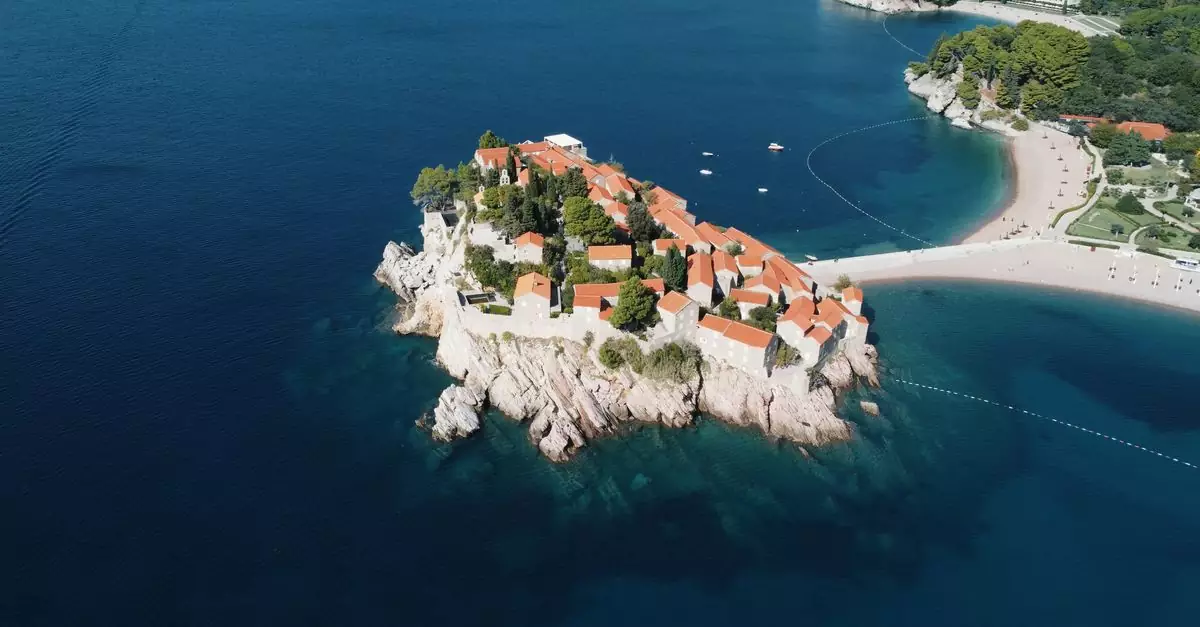
Choosing the best island destinations involves balancing diverse traveler desires, from serene relaxation to adventurous exploration. This curated list highlights compelling island getaways, each offering a unique experience. Whether you’re dreaming of romantic sunsets, underwater wonders, or cultural immersion, these islands promise unforgettable escapes.
Santorini, Greece: Romantic Sunsets and Caldera Views
Santorini is known for breathtaking sunsets and iconic whitewashed villages perched on volcanic cliffs. The island’s dramatic caldera, a remnant of an ancient eruption, sets a stunning backdrop for your visit. Oia and Fira are the most popular towns, featuring panoramic views, charming boutiques, and excellent restaurants.
Travelers flock to Santorini for its romantic ambiance, making it a prime choice for honeymoons and anniversaries. The unique geology also means distinct beaches, with Red Beach and the black sand shores of Perissa and Kamari offering striking landscapes.
Logistics & Timing:
- Best Time to Visit: May to June and September to October for pleasant weather and fewer crowds. July and August are peak season, featuring warm temperatures but also higher prices and busier conditions.
- Getting Around: Renting an ATV or scooter is popular for independent exploration. Local buses connect major towns, and taxis are readily available.
- Accommodation: Choices range from luxury cave hotels with private plunge pools to budget-friendly guesthouses in quieter villages.
Bora Bora, French Polynesia: Overwater Bungalows and Turquoise Lagoons
Bora Bora epitomizes tropical luxury with its famous overwater bungalows and crystal-clear turquoise lagoon. This South Pacific gem is the ultimate destination for those seeking relaxation and romantic seclusion. The iconic Mount Otemanu adds a lush interior contrast to the surrounding azure waters.
Water activities dominate here: snorkeling and diving in vibrant coral gardens, paddleboarding, and sunset cruises. The rich marine life makes it an excellent spot for encountering tropical fish and rays.
Traveler Insights:
- Budget: Bora Bora is a high-end destination. Expect premium pricing for accommodations and activities.
- Focus: Primarily relaxation, romance, and water-based activities. It’s less about extensive sightseeing and more about enjoying the resort experience.
- Getting There: Flights arrive at Motu Mute Airport, followed by a boat transfer to your resort.
Maldives: Luxury Resorts and Pristine Coral Reefs
The Maldives, an archipelago of over 1,000 coral islands in the Indian Ocean, is renowned for its luxurious private island resorts and exceptional diving and snorkeling opportunities. Each resort typically occupies its own island, offering a secluded experience. The vibrant coral reefs teem with marine life, including manta rays, whale sharks, and a kaleidoscope of tropical fish.
This destination caters to divers and snorkelers, as well as those seeking ultimate relaxation on powder-soft beaches. Many resorts feature world-class spas and gourmet dining.
Island Comparison:
| Feature | Santorini, Greece | Bora Bora, French Polynesia | Maldives |
|---|---|---|---|
| Vibe | Romantic, Dramatic, Picturesque | Luxurious, Secluded, Tropical | Exclusive, Relaxing, Marine-focused |
| Key Activity | Sunset viewing, Caldera exploration | Lagoon activities, Relaxation | Diving, Snorkeling, Spa |
| Budget | Moderate to High | Very High | Very High |
| Scenery | Volcanic cliffs, Whitewashed towns | Turquoise lagoon, Mount Otemanu | White sand beaches, Coral reefs |
Bali, Indonesia: Spiritual Retreats and Lush Rice Terraces
Bali, known as the “Island of the Gods,” offers a rich tapestry of culture, spirituality, and natural beauty. From the serene rice paddies of Ubud to the vibrant surf breaks of the south, Bali caters to diverse interests. Spiritual seekers find solace in yoga retreats and ancient temples, while adventurers can trek volcanoes or explore lush jungles.
Ubud is the cultural heart, famous for its art scene, traditional dance performances, and the iconic Tegalalang rice terraces. Coastal areas like Seminyak and Canggu provide trendy cafes, beach clubs, and excellent surfing.
Practical Advice:
- Getting Around: Scooters are a common and affordable way to navigate, though traffic can be intense. Hiring a private driver for day trips is a comfortable option.
- Culture: Respect local customs, especially at temples. Dress modestly when required.
- Best Time to Visit: The dry season, from April to September, offers the most sunshine and lowest humidity.
Maui, Hawaii, USA: Road to Hana and Volcanic Landscapes
Maui, the second-largest Hawaiian island, is celebrated for its diverse landscapes, from lush rainforests along the Road to Hana to the dormant volcanic crater of Haleakalā. The scenic drive along the Road to Hana, with its waterfalls, bamboo forests, and coastal vistas, is a must-do experience.
Haleakalā National Park offers opportunities for sunrise viewing and hiking within the crater, showcasing an otherworldly landscape. Maui also boasts beautiful beaches, popular for swimming, snorkeling, and whale watching during winter months.
Traveler Tips:
- Road to Hana: Start early to avoid crowds. Download offline maps as cell service is spotty. Be prepared for winding roads and numerous stops.
- Whale Watching: Peak season is from December to May, with January to March being the best months.
- Accommodation: Options range from luxury resorts in Wailea and Ka’anapali to charming B&Bs in Upcountry Maui.
Seeking Adventure? Best Islands for Hiking and Water Sports
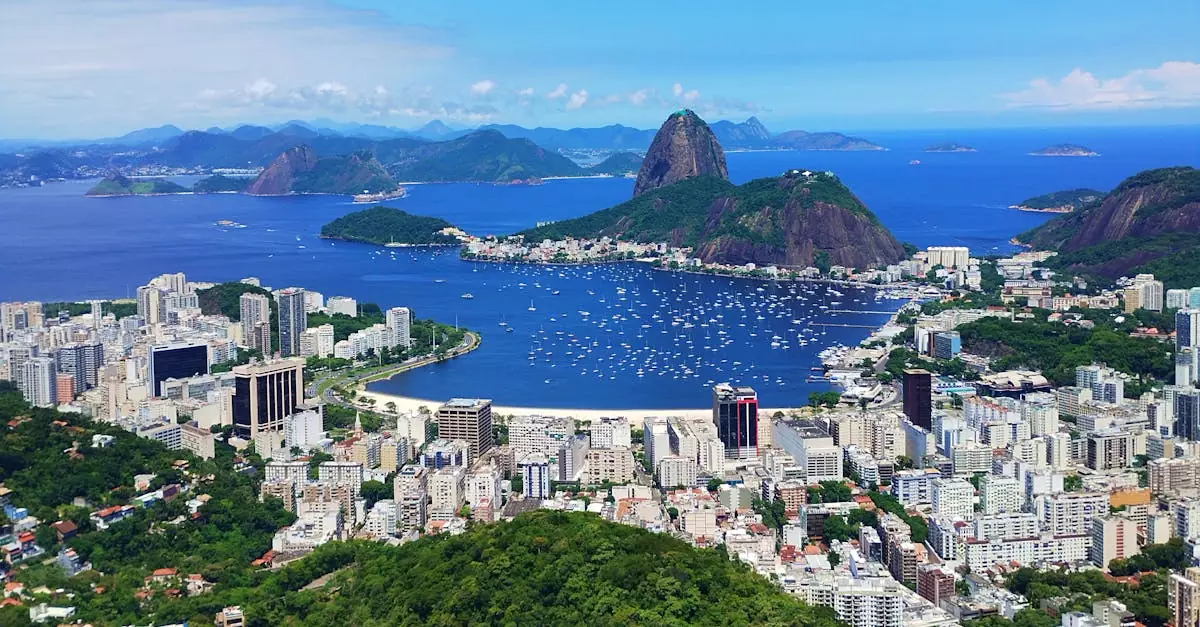
For travelers craving adrenaline and breathtaking landscapes, certain islands stand out as premier destinations. These locations offer a thrilling mix of challenging hikes, vibrant coral reefs, and exciting water sports. Whether you’re aiming to conquer a volcanic peak or dive into crystal-clear waters, these island paradises deliver unforgettable experiences.
Kauai, Hawaii, USA: Na Pali Coast Hiking and Kayaking Adventures
Kauai, often called the “Garden Isle,” is renowned for its dramatic cliffs and lush interior, making it ideal for active travelers. The iconic Na Pali Coast is a hiker’s dream, with trails like the Kalalau Trail offering breathtaking views of emerald valleys and sea cliffs. While the full trail requires permits and significant planning, day hikes to Hanakapi’ai Beach provide a taste of its grandeur.
Beyond hiking, the waters surrounding Kauai are equally enticing. Kayaking along the Na Pali Coast, weather permitting, offers a unique perspective of towering sea stacks and hidden caves. For snorkeling and diving, Poipu Beach and the waters off the north shore reveal a rich marine ecosystem. Planning a trip during the drier summer months (May to September) generally offers calmer seas and better trail conditions.
St. Lucia: Pitons Climb and Rainforest Ziplining
St. Lucia, a gem in the Caribbean, is defined by its majestic Pitons, two volcanic spires that dominate the southwestern coast. Climbing Gros Piton is a challenging but rewarding endeavor, offering panoramic views of the island and surrounding ocean. The ascent takes several hours and requires a guide for safety and insights into local flora and fauna.
The island’s interior is a verdant playground for adventure seekers. Ziplining through the rainforest canopy provides exhilarating views of the dense jungle. Numerous tour operators offer packages combining ziplining with activities like aerial tram rides or guided nature walks. The best time for outdoor adventures is during the dry season, from December to May, when rainfall is minimal.
Palawan, Philippines: El Nido Island Hopping and Diving
Palawan, an archipelago province in the Philippines, consistently ranks among the world’s most beautiful islands, with El Nido as its crown jewel for adventure. This region is famous for dramatic limestone karst cliffs, pristine white-sand beaches, and incredibly clear turquoise waters, making island hopping a must-do. Tours typically visit stunning locations like the Big Lagoon, Small Lagoon, and Secret Beach, accessible by kayak or boat.
El Nido is also a world-class diving destination. The surrounding waters teem with marine life, from colorful coral gardens to diverse fish species. Numerous dive shops offer PADI certification courses and guided dives for all skill levels. Visibility is generally excellent year-round, though the dry season (November to May) is often preferred for calmer seas.
Azores, Portugal: Volcanic Craters and Whale Watching
The Azores, an autonomous region of Portugal in the mid-Atlantic, offer a unique volcanic landscape ripe for exploration. São Miguel, the largest island, features stunning crater lakes like Sete Cidades and Lagoa do Fogo, surrounded by hiking trails that wind through lush vegetation. Exploring these calderas provides breathtaking vistas and a sense of untouched natural beauty.
The Azores are also a prime location for whale and dolphin watching. The nutrient-rich waters attract various cetaceans, and boat tours depart regularly from several islands, including Faial and Pico. The peak season for whale watching is typically from April to October. For hikers, the shoulder seasons of spring and fall can be ideal, offering pleasant temperatures and fewer crowds, though weather can be unpredictable.
| Island Destination | Primary Adventure Type | Best Time for Activities | Budget Range (USD/day) |
|---|---|---|---|
| Kauai, Hawaii, USA | Hiking, Kayaking, Surfing | May – September | $200 – $350+ |
| St. Lucia | Hiking, Ziplining, Diving | December – May | $180 – $300+ |
| Palawan, Philippines | Island Hopping, Diving | November – May | $80 – $150 |
| Azores, Portugal | Hiking, Whale Watching | April – October | $120 – $200 |
What is the Best Time of Year to Visit the Best Island Destinations?
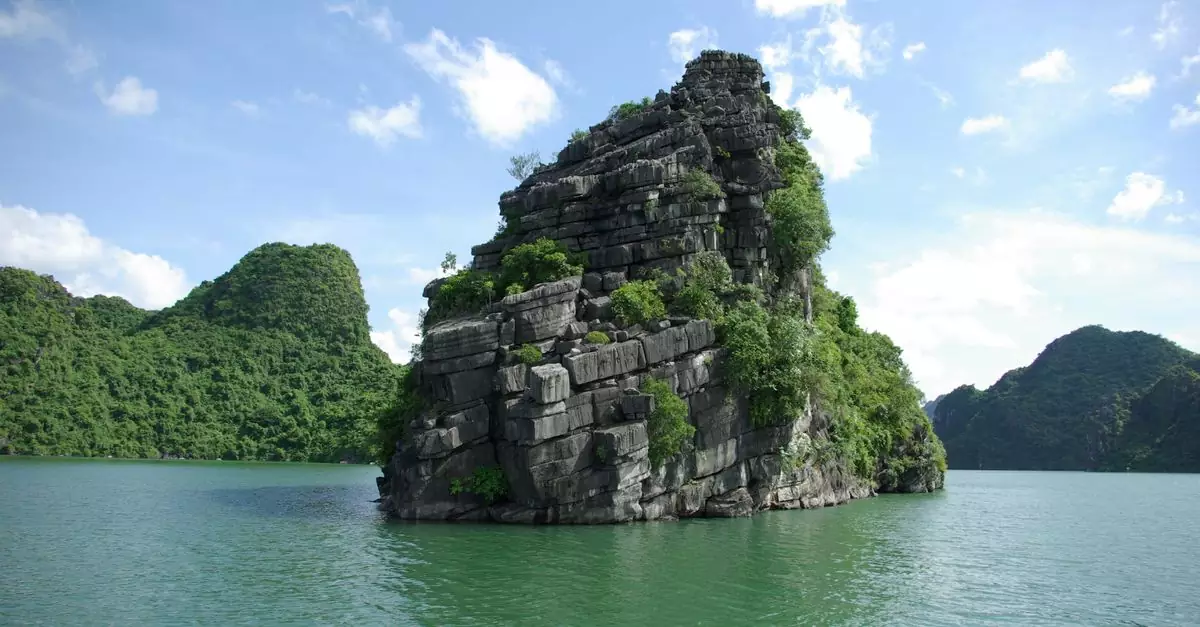
Timing your island getaway can significantly enhance your experience, from avoiding peak crowds and hurricane seasons to catching the best weather. Each region boasts unique optimal periods, making research essential for planning your perfect escape. Understanding the seasonal nuances of various island paradises allows for a more relaxed and enjoyable trip.
Best Months for Caribbean Island Escapes
The Caribbean is a perennial favorite for many travelers, offering warm weather year-round. However, the most pleasant and safest time to visit is generally between December and April. This period falls within the dry season, meaning less humidity and a lower chance of rainfall, making it ideal for beach activities and outdoor adventures.
While this dry season offers the best weather, it also coincides with peak tourist season. Prices for flights and accommodations will be at their highest, and popular spots can feel crowded. For a balance of good weather and fewer crowds, consider the shoulder months of late November or May.
The Caribbean hurricane season runs from June 1st to November 30th, with the most active period typically from August to October. While many islands are outside the main hurricane belt, it’s a risk to consider. Traveling during these months can offer significant savings, but travel insurance is highly recommended.
Ideal Seasons for Southeast Asian Island Adventures
Southeast Asia’s island destinations, such as those in Thailand, the Philippines, and Indonesia, offer diverse tropical experiences. The “best” time to visit often depends on the specific archipelago and its microclimates. Generally, the dry season, typically from November to April, is a popular choice for many of these regions.
For Thailand’s Andaman coast (Phuket, Koh Lanta), the dry season runs from November to April, offering calm seas and sunny skies. The Gulf coast (Koh Samui, Koh Phangan) has a different pattern, with its driest months from January to March, but it can also be pleasant outside its monsoon season, which peaks from October to December.
The Philippines experiences its dry season from November to May, making it prime for island hopping and diving. However, like the Caribbean, this period can see higher prices and more visitors. Travelers seeking a more budget-friendly experience might consider the shoulder months of May or November, which often still offer good weather with fewer crowds.
When to Experience the Magic of the South Pacific Islands
The South Pacific, home to iconic destinations like Fiji, Bora Bora, and the Cook Islands, is a dream for many. The most desirable weather typically occurs during the dry season, which runs from May to October. During these months, you’ll find lower humidity, less rainfall, and gentle trade winds, creating perfect conditions for enjoying the turquoise waters and lush landscapes.
This dry season is also the most popular time to visit, meaning it’s wise to book flights and accommodations well in advance. Prices will reflect high demand. For those looking to save money or avoid the largest crowds, the shoulder months of April and November can be excellent alternatives, often providing a good mix of pleasant weather and slightly more affordable travel options.
It’s important to note that the South Pacific experiences a wet season from November to April. While this period can still offer sunny days, it also brings higher humidity, increased rainfall, and a greater chance of tropical storms. However, traveling during the wet season can offer significant cost savings and a more secluded experience for those who don’t mind the occasional downpour.
| Region | Best Months | Shoulder Months | Wet Season Risks | Notes |
|---|---|---|---|---|
| Caribbean | December – April | Nov, May | Hurricane season (June-Nov) | Peak season = higher prices. |
| Southeast Asia | Nov – April | May, Nov | Monsoon varies by island | Check specific island weather patterns. |
| South Pacific | May – October | April, Nov | Higher humidity, storms | Dry season is peak tourist time. |
Finding Your Perfect Island Stay: Accommodation Options
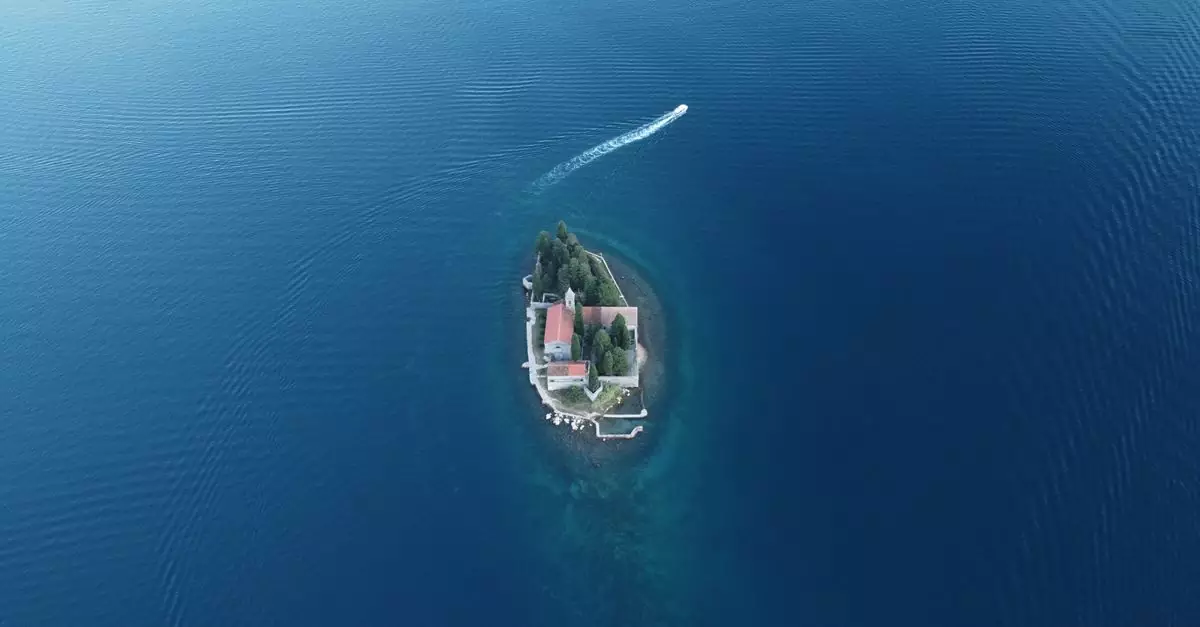
Choosing the right place to stay can significantly shape your island experience. From opulent overwater villas to charming local guesthouses, the world offers a diverse range of accommodations to suit every traveler’s needs and budget. Understanding these options can help you pinpoint the best island destinations for your next unforgettable getaway.
Luxury Overwater Bungalows in Bora Bora
For those seeking indulgence, Bora Bora’s iconic overwater bungalows represent the pinnacle of island luxury. These exclusive accommodations often feature private plunge pools, direct lagoon access, and stunning views of Mount Otemanu. Many resorts offer bespoke services, including private chefs and personalized excursions, ensuring a truly pampered escape.
When considering a stay in these lavish properties, booking well in advance is crucial, especially during peak seasons like April to October. While the price point is high, the experience is often considered worth the investment for honeymooners or special occasions. Expect to pay upwards of $1,000 per night for a premium bungalow.
Eco-Lodges and Boutique Hotels in Bali
Bali, the “Island of the Gods,” offers a more grounded yet equally enchanting accommodation scene. Travelers can find a wealth of eco-lodges nestled amidst lush rice paddies or boutique hotels with unique cultural designs. These options often prioritize sustainability and offer a more intimate connection with the local environment and Balinese hospitality.
Many eco-lodges provide immersive experiences, such as yoga retreats, organic farming workshops, and guided nature walks. Boutique hotels might showcase intricate Balinese architecture and art, offering a stylish base for exploring vibrant towns like Ubud or the coastal areas of Seminyak. Prices can range from $100 to $500 per night, depending on the level of luxury and specific amenities.
Family-Friendly Resorts in the Maldives
The Maldives is renowned for its pristine beaches and calm, turquoise waters, making it a popular choice for families. Numerous resorts cater specifically to younger travelers with kids’ clubs, shallow swimming areas, and family-sized villas. These resorts often simplify logistics with all-inclusive packages covering meals, activities, and sometimes even transfers from Malé International Airport.
When traveling with children, look for resorts that offer dedicated family activities, such as marine biology talks, snorkeling lessons, or cultural performances. The dry season, from December to April, generally offers the best weather for family vacations, with minimal rain and calm seas. Family suites or interconnected villas provide ample space and privacy.
Budget-Friendly Guesthouses in Palawan
For budget-conscious travelers, Palawan in the Philippines presents an array of affordable and charming guesthouses. These family-run accommodations provide a comfortable and authentic local experience. Staying in a guesthouse allows for direct interaction with locals, offering insights into daily life and culture.
El Nido and Coron are popular hubs where you can find a variety of guesthouses. Many are located within walking distance of local markets and tour operators, making it easy to arrange island-hopping adventures. Expect to pay between $20 and $80 per night. While amenities might be simpler, the warmth of the hospitality and the proximity to stunning natural beauty are significant draws. It’s advisable to book these in advance, especially during peak travel times, as availability can be limited.
Exploring Island Culture: Local Flavors and Hidden Gems
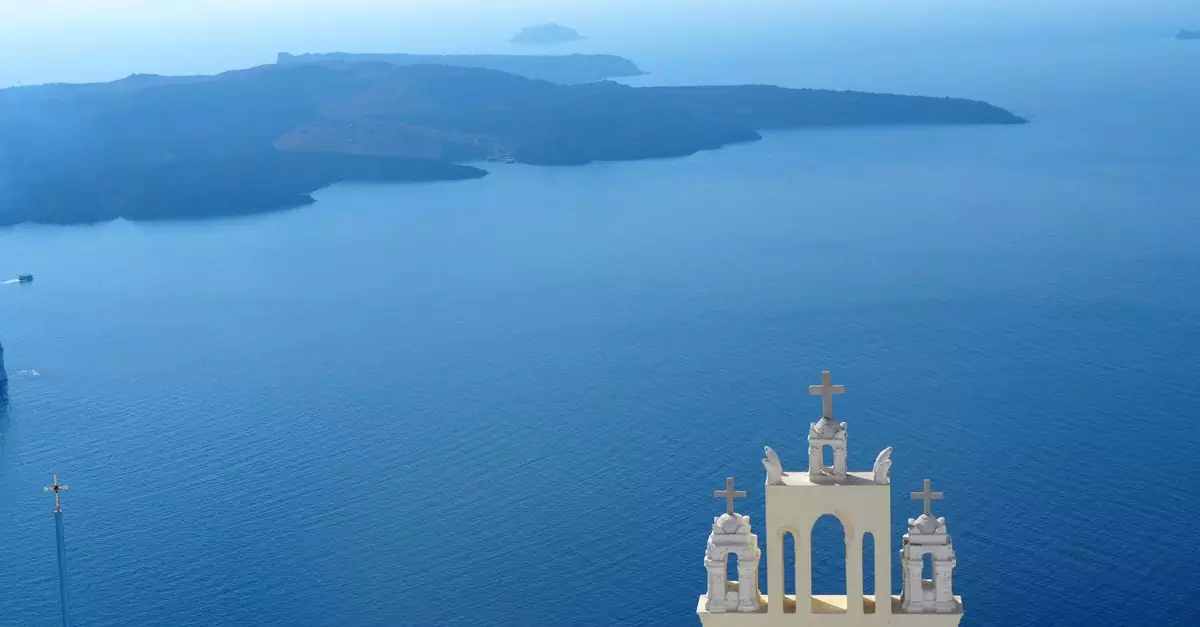
Beyond postcard-perfect beaches, many of the world’s best island destinations offer rich cultural tapestries waiting to be uncovered. Engaging with local traditions, sampling regional cuisine, and venturing off the typical tourist trail can transform a vacation into a truly memorable experience. This section delves into unique cultural encounters across several celebrated island locales.
Must-Try Street Food in Phuket, Thailand
Phuket’s vibrant street food scene is integral to its island charm. For an authentic taste of local life, head to markets like the Phuket Weekend Market or the bustling streets of Old Phuket Town. Here, you’ll find an array of flavorful dishes that are both delicious and affordable.
A classic choice is Pad Krapow Moo, a stir-fry of minced pork with holy basil, served over rice with a fried egg. Another must-try is Hoi Tod, a crispy oyster or mussel omelet, often accompanied by bean sprouts and sweet chili sauce. Don’t miss Kanom Jeen, fermented rice noodles served with various curries and toppings, allowing you to customize your own flavorful bowl. Sampling these local delicacies provides a direct connection to Phuket’s culinary heritage.
Unique Cultural Experiences in Zanzibar, Tanzania
Zanzibar, the “Spice Island,” offers a deep dive into Swahili culture, influenced by Arab, Persian, Indian, and European traders over centuries. Stone Town, a UNESCO World Heritage site, is the heart of this rich heritage. Wandering its labyrinthine alleyways reveals ornate wooden doors, historic buildings, and a palpable sense of history.
Consider taking a spice tour to understand why Zanzibar earned its nickname. You’ll visit local farms, learn about the cultivation of cloves, cinnamon, nutmeg, and vanilla, and even get to taste freshly picked fruits. For a truly immersive experience, attend a traditional Taarab music performance, a genre blending African, Arabic, and Indian influences. Engaging with local artisans in Stone Town, perhaps purchasing a handcrafted souvenir, also offers a genuine connection to the island’s culture.
Off-the-Beaten-Path Beaches in the Seychelles
While the Seychelles are famous for stunning granite boulders and pristine shores like Anse Source d’Argent, seeking out less-visited beaches can reveal a more tranquil side of island life. Many travelers flock to the most renowned spots, but venturing to islands like Praslin or La Digue, or smaller, less developed islands, can offer a more secluded experience.
Consider exploring beaches on Silhouette Island, a protected national park with lush forests and fewer crowds. Anse Marron on La Digue, accessible by guided hike or boat trip, is a breathtakingly beautiful and remote cove. These quieter spots allow for a more intimate connection with nature, often with fewer amenities but greater peace. Planning a visit during the shoulder seasons, like April-May or September-October, can also help avoid peak tourist numbers and enhance the feeling of discovering a hidden gem.
Discovering Local Markets in Crete, Greece
Crete, the largest of the Greek islands, boasts a rich history and vibrant culinary tradition best experienced through its local markets. The Municipal Market of Chania, housed in a cross-shaped building, is a hub of activity where you can find fresh produce, local cheeses like Graviera and Mizithra, mountain herbs, honey, and traditional Raki.
Beyond Chania, smaller villages across the island often host weekly markets that offer a more intimate glimpse into Cretan life. Here, you can chat with local farmers, sample olives and olive oil, and find handmade crafts. Visiting these markets isn’t just about shopping; it’s an opportunity to engage with the island’s producers and taste the authentic flavors that define Cretan cuisine. The best time to visit these markets is usually in the morning, when the selection is freshest and the atmosphere most lively.
Frequently Asked Questions About Island Travel
What are the cheapest island destinations?
Several island destinations offer incredible experiences without breaking the bank. Southeast Asia boasts some of the most budget-friendly tropical getaways. Consider islands in the Philippines like Palawan or Koh Lanta in Thailand. These locations often provide affordable accommodation, inexpensive local food, and reasonably priced activities.
For a different vibe, parts of the Caribbean can also be surprisingly economical, especially outside of peak season. Look into islands like the Dominican Republic or Jamaica, where you can find good value for money on flights and lodging. Planning your trip during the shoulder seasons (spring or fall) can significantly reduce costs across most island destinations.
Which islands are best for solo travelers?
Islands with well-established tourist infrastructure, good public transport, and a friendly local atmosphere are generally best for solo adventurers. Many islands in Europe, like Crete in Greece or the Azores in Portugal, offer a safe and welcoming environment with plenty of opportunities to meet other travelers. Hostels and guesthouses are common, making it easy to connect with people.
For a more tropical setting, Bali in Indonesia is renowned for its welcoming culture and vibrant community of solo travelers. It offers a range of activities, from yoga retreats to surf lessons, that are easy to join alone. Similarly, many islands in Central America, such as the Corn Islands in Nicaragua, attract independent travelers looking for a relaxed, off-the-beaten-path experience.
What should I pack for a tropical island vacation?
Packing for a tropical island vacation requires focusing on lightweight, breathable clothing suitable for warm weather and humidity. Essential items include swimwear, t-shirts, shorts, and sundresses. Don’t forget sun protection: a wide-brimmed hat, sunglasses, and high-SPF sunscreen are crucial.
Consider packing a light rain jacket or poncho, as tropical showers can be frequent but brief. Comfortable walking shoes or sandals are a must for exploring. If you plan on hiking or visiting more rugged terrain, sturdy closed-toe shoes are advisable. Insect repellent is also a key item to ward off mosquitoes and other biting insects, especially in the evenings.
A reusable water bottle can help you stay hydrated and reduce plastic waste. For evenings or slightly cooler temperatures, a light sweater or sarong can be useful.
Are there any safety concerns for popular island destinations?
Most popular island destinations are very safe for tourists, but it’s always wise to be aware of your surroundings and take standard precautions. Petty theft, such as pickpocketing, can occur in crowded tourist areas, so keeping valuables secure is important.
Sunburn and dehydration are common concerns in tropical climates; always use sun protection and drink plenty of water. Be mindful of local wildlife, especially marine life like jellyfish or coral, and heed any warning signs. Researching specific local customs and laws before arrival will help ensure a smooth and respectful trip. For remote islands, it’s good to know about local emergency services and have travel insurance that covers medical evacuation. You can learn more about what constitutes an island on Wikipedia.