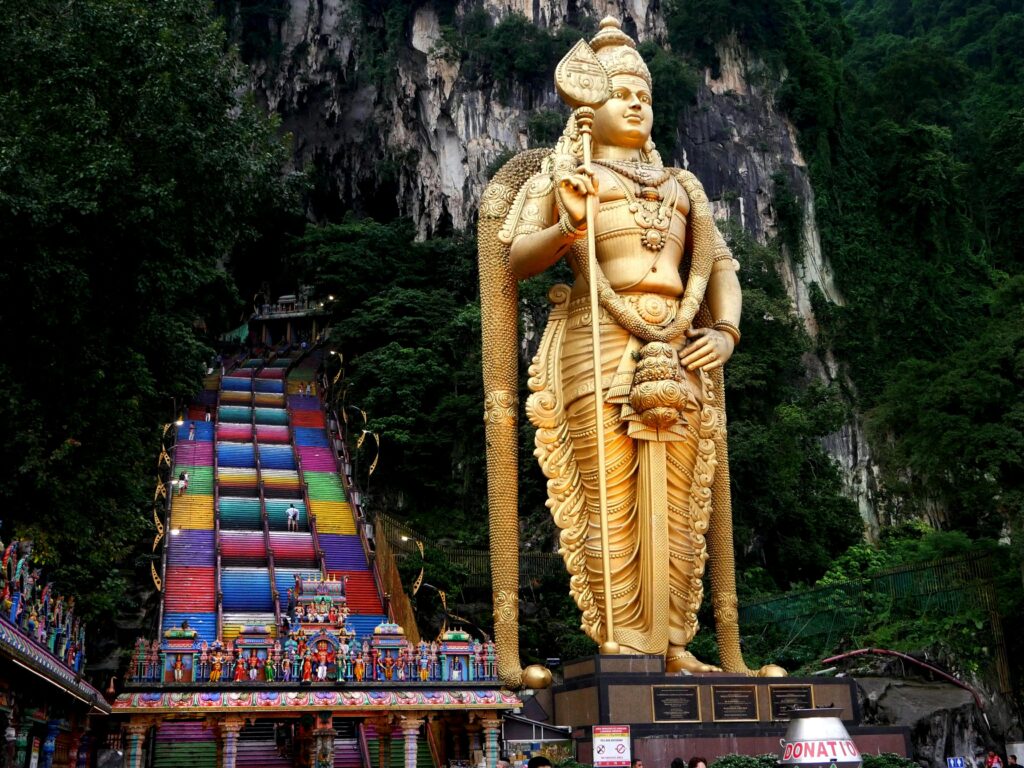
Choosing the best time to visit Malaysia depends on where you plan to go and what you want to do. Malaysia’s climate is equatorial, so warm temperatures are consistent year-round, but rainfall patterns and humidity vary by month and region. This guide uses official climate data from national weather authorities and tourism boards to present a clear, practical overview of when to travel.
Below you’ll find a month-by-month breakdown, regional differences between Peninsular Malaysia and East Malaysia (Sabah and Sarawak), activity-focused recommendations, a comparison table to help you decide quickly, and practical planning tips. Whether you want beaches, wildlife, festivals, or city breaks, this malaysia weather by month travel guide will help you pick the right dates for your trip.
Understanding Malaysia’s climate: quick overview
Malaysia’s climate is tropical equatorial: temperatures usually range from about 25–32°C (77–90°F), with high humidity. Rainfall is the main variable. The country has two primary monsoon seasons: the Southwest Monsoon (typically late May to September) and the Northeast Monsoon (typically November to March). However, these affect regions differently. The west coast of Peninsular Malaysia (including Kuala Lumpur, Penang, and Langkawi) tends to be drier during the Northeast Monsoon, while the east coast (including the Perhentian Islands, Tioman and Redang) receives heavy rains during that period. East Malaysia (Sabah and Sarawak on Borneo) has its own wet months, often peaking around November to February depending on local topography.
Month-by-month travel guide (what to expect)
This month-by-month malaysia weather by month travel guide summarizes typical temperature ranges, rainfall trends, and ideal activities for each month. Data is compiled from official meteorological reports and tourism board seasonality notes to provide realistic expectations for travelers.
January: Northeast Monsoon influences coastal Borneo and the east coast of Peninsular Malaysia, bringing heavier rainfall to areas like Kota Kinabalu and the Perhentian Islands. West coast destinations such as Penang and Langkawi are generally pleasant. Ideal for cultural city trips and west coast beaches.
February: Still within the Northeast Monsoon period; Borneo and east-coast islands often remain wet. February can be a quieter month for east-coast diving and island resorts. Cities and inland highlands (Cameron Highlands) are good alternatives.
March: Transition month. Rainfall begins to taper in many areas, but occasional storms occur. Coastal visibility improves for diving in some locations; planning flexibility is wise as conditions can vary year to year.
April: Pre-monsoon warmth and increased humidity, with periodic thunderstorms. April sees good conditions for beach resorts on both west and east coasts before the Southwest Monsoon strengthens.
May: Start of the Southwest Monsoon. The west coast sees stable weather and lower rainfall, making May a popular time for Penang, Langkawi and Kuala Lumpur. Outdoor festivals and food events are common as the climate is generally cooperative.
June: A generally pleasant month for most of Peninsular Malaysia’s west coast and the central highlands. Rainfall may increase sporadically but is often limited to short, heavy showers in the afternoons.
July: Peak of dry-season conditions on the west coast; good for beach hopping and heritage-city exploration. Borneo’s weather remains variable; some parts can still be wet, particularly in hilly interior regions.
August: Similar to July with good conditions for the west coast and inland highlands. This month is also popular with international tourists, so book accommodations and island transfers early.
September: Beginning of an east-coast transition with the Southwest Monsoon ending. Short heavy showers become more frequent, but many days are still sun-filled on the west coast. Good time for diving around islands that are accessible year-round.
October: Rainfall increases in many areas as the Northeast Monsoon starts to approach. The east coast of Peninsular Malaysia begins to experience more rain. Borneo’s wet season usually intensifies toward the end of the month.
November: The Northeast Monsoon typically arrives, bringing heavier rains to the east coast and parts of Borneo. Mainland west-coast destinations still have reasonable weather but watch for localized storms.
December: One of the wettest months for the east coast and parts of East Malaysia; travel to islands on the east coast may be restricted. However, urban hubs like Kuala Lumpur and Penang remain accessible and host festive year-end events.
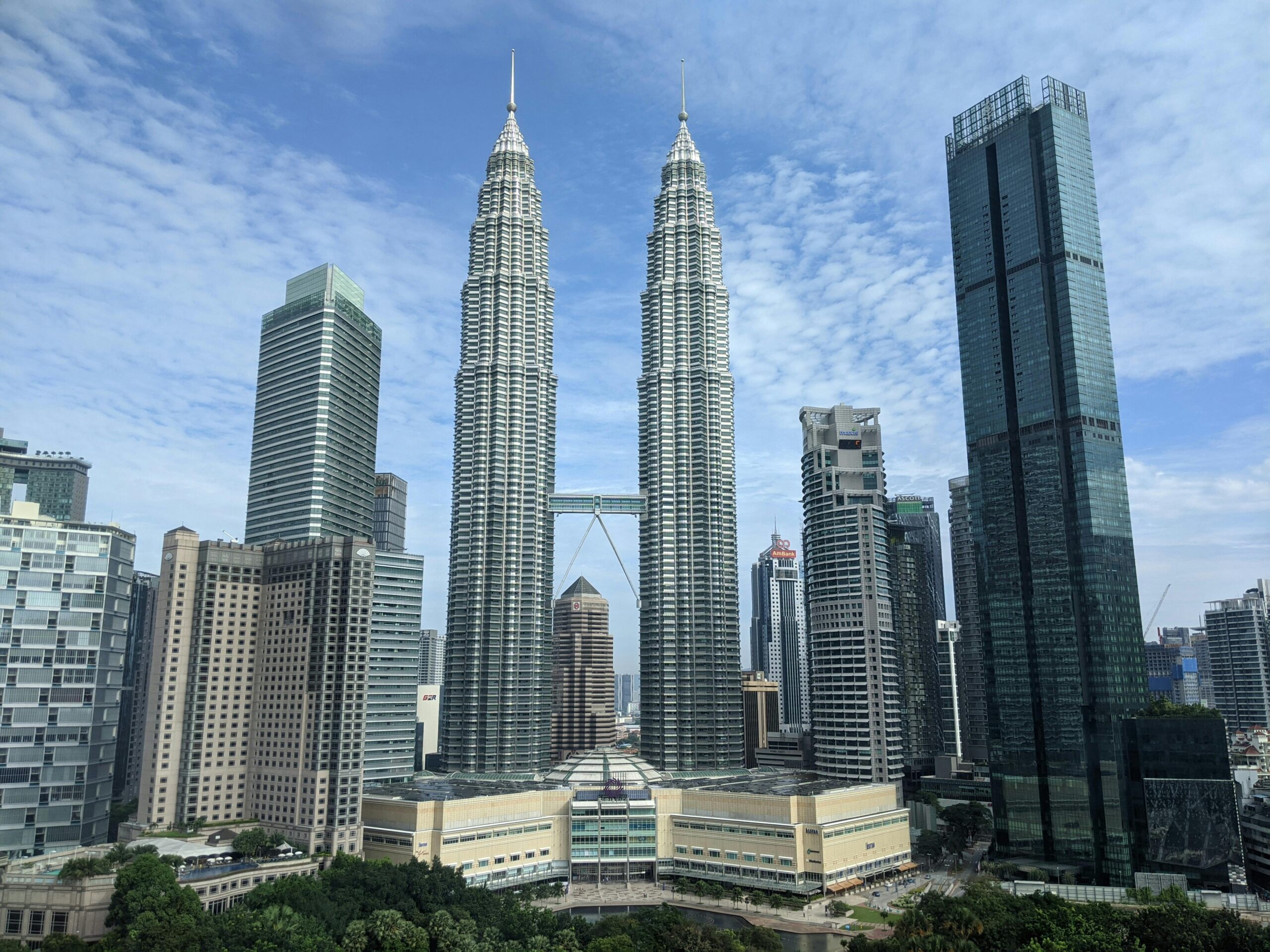
Regional differences: Peninsular Malaysia vs. Sabah and Sarawak
Malaysia’s north-south and east-west span creates meaningful local differences. Knowing these helps pick the best months for specific islands, national parks, or cultural experiences.
- Peninsular west coast (Kuala Lumpur, Penang, Langkawi): Generally drier from late November through March and again during parts of the Southwest Monsoon (May–September). Good year-round for city breaks and cultural tours.
- Peninsular east coast (Perhentian, Tioman, Redang): Best from April to October. Heavy surf and rain from November to March can close boat services and resorts.
- Sabah (Kota Kinabalu, Kinabalu Park): Weather can be wetter November–February. Wildlife viewing and diving have peak windows outside the wettest months, though microclimates exist.
- Sarawak (Mulu, Bako, Kuching): Rain peaks vary across regions; plan for drier spells between June and September, but be prepared for tropical downpours anytime.
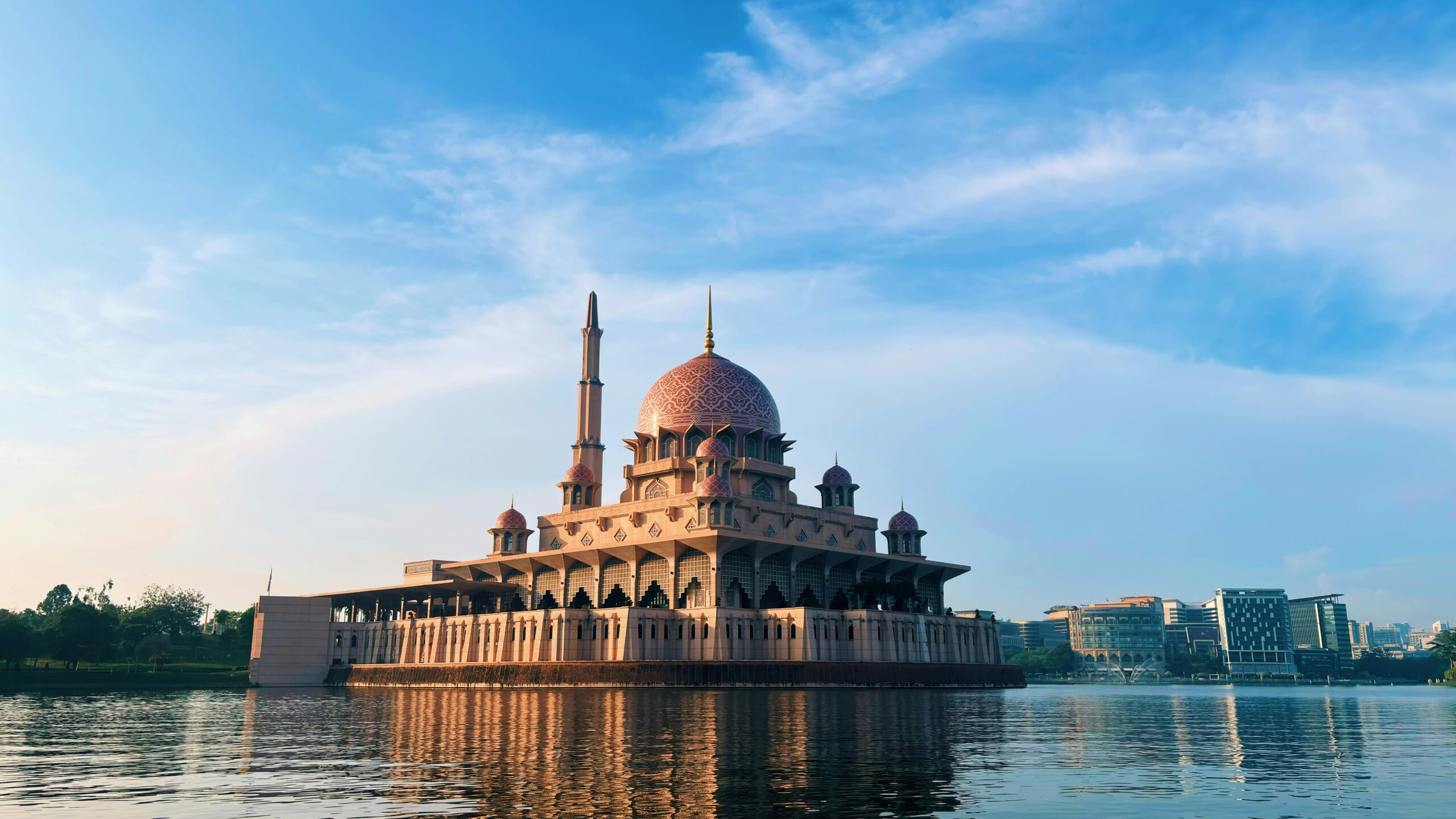
When to visit for specific activities (beaches, diving, trekking, wildlife)
Choose timing based on activity: diving and beach seasons differ from trekking and wildlife-watching windows. For clear marine visibility on the east coast islands, the dry season from April to October is ideal. For the west coast and Langkawi, visibility is more stable across the year, though sea conditions can vary.
Mountain trekking in places like Kinabalu Park and the Cameron Highlands is possible year-round, but the drier months (February to April and June to August) often offer more stable trails and clearer summit views. Wildlife watchers targeting orangutans, proboscis monkeys, or hornbills should consult local park schedules; dry spells often concentrate animal activity near rivers, improving sightings.
For accommodation planning and island transfers, check current listings and availability. Many travelers use online booking platforms to compare stays and real-time cancellations; see local accommodation options before finalizing your itinerary by checking reliable travel listing platforms.
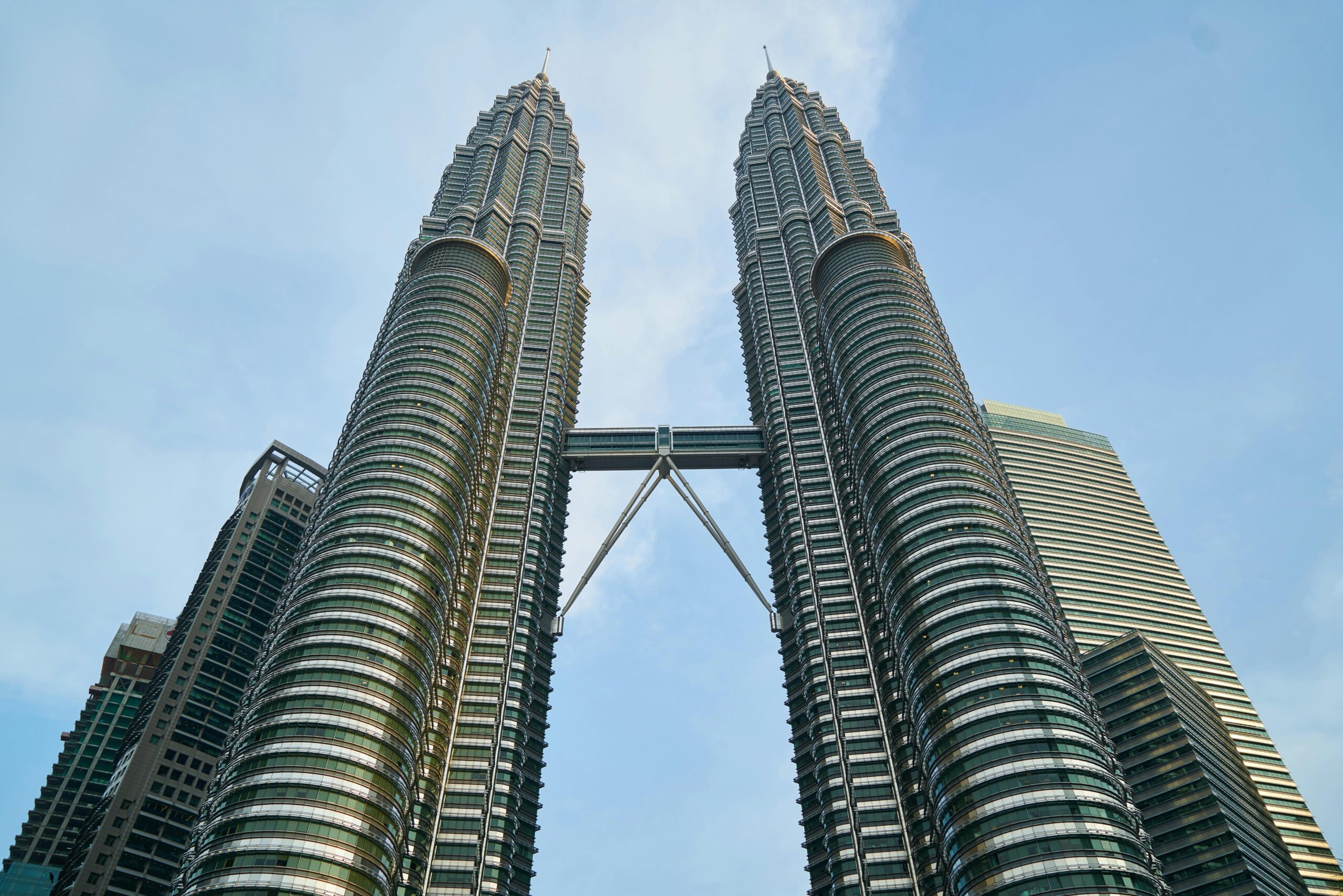
Festivals, events and cultural timing
Malaysia’s multicultural calendar offers festivals throughout the year. Major events include Hari Raya Aidilfitri (dates vary according to the lunar calendar), Chinese New Year (January–February), Deepavali (October–November), and major local festivals like Thaipusam or state-level events. These celebrations can influence hotel availability and transport schedules, so check festival dates when planning.
Festivals are also an excellent reason to time a visit: food festivals in Penang and cultural performances in states like Melaka and Sabah provide cultural depth to your trip. If you want to combine weather and cultural events, opt for months that are both drier and align with public holidays you’re interested in attending.
Practical tips for planning your trip
To make the most of your trip, consider these planning tips drawn from official advisories and travel guidance from national tourism authorities.
- Book early for peak travel months (June–August, December) and for popular islands during dry seasons.
- Pack for humidity and sudden rainfall: lightweight, quick-dry clothing, a good rain jacket, and waterproof bags for electronics are essential.
- For remote islands and national parks, verify boat schedules and park access in advance—services may be reduced during monsoon months.
- Health and safety: bring mosquito repellent, sun protection, and basic first-aid items. Check local health advisories for vaccination recommendations before travel.
When you’re ready to reserve accommodations, compare listings and read current reviews to match hotels or guesthouses to your travel window; many travelers find useful real-time availability and cancellation policies via online booking platforms when finalizing an itinerary. For a country-wide accommodation search, you can browse comprehensive listings to compare hotels and guesthouses for your chosen travel dates using reputable booking sites.
Comparison table: best months by region and activity
| Region / Activity | Best months | Notes |
|---|---|---|
| Peninsular west coast (KL, Penang, Langkawi) | December to March; May to September | Generally drier; good for city and beach combos |
| Peninsular east coast (Perhentian, Redang, Tioman) | April to October | Boat services reliable; prime diving season |
| Sabah (Kinabalu, islands) | March to October (variable) | Climbing and diving windows vary; expect localized rains |
| Sarawak (Mulu, Bako) | June to September | Drier conditions for caves and lowland trails |
| Wildlife viewing | Dry months for each region (see above) | Animals concentrate near water sources during dry spells |
| Festival-focused travel | Varies (plan by festival dates) | Public holidays may affect availability and prices |
Money-saving and booking advice
Travel in shoulder seasons—just before or after peak months—to save on flights and hotels while enjoying reasonable weather. If your travel dates are flexible, mid-week departures and returns often offer lower fares. For real-time accommodation comparisons across the country, many travelers consult well-known global platforms to check live rates and cancellation options before confirming bookings.
Use official tourism websites and national meteorological updates for the latest climate advisories. Weather can shift rapidly in tropical regions, so maintaining a flexible itinerary and confirming local transport and park access will reduce disruption risk.
FAQs
What is the overall best month to visit Malaysia?
There is no single best month for all of Malaysia, but April to October is often considered broadly favorable because many popular beach and diving spots—especially on the east coast—are accessible and relatively dry. For west-coast beach access and major cities, December to March and May to September also offer good conditions.
When should I avoid visiting Malaysia because of monsoons?
Avoid the east coast (Perhentian, Redang, Tioman) from November to March when the Northeast Monsoon brings heavy rains and many island services close. Borneo regions can also see peak rains November–February in some areas. If reef diving or island hopping is your priority, plan outside these months.
Is Malaysia hot year-round?
Yes, Malaysia is warm year-round with minimal temperature variation, typically staying between about 25–32°C (77–90°F). Humidity remains high, so prepare for heat and sudden tropical showers regardless of month.
How should I plan for festivals and holidays?
Check national and state-level festival calendars (dates vary, especially for lunar-based holidays). Festivals are a great cultural draw but can cause increased demand for hotels and intercity transport. Booking accommodations and critical travel segments well in advance is recommended if your trip coincides with major celebrations.
Where can I find reliable, up-to-date weather information for planning?
Official national meteorological services and the national tourism board provide current forecasts and seasonal advisories. Local park authorities and dive operators also offer practical, up-to-date information on access and conditions for specific destinations.
Conclusion
Deciding on the best time to visit Malaysia requires matching weather patterns to your priorities: beach and diving seasons differ from trekking and wildlife windows, and regional monsoon timing varies. Use this travel guide to align your trip with seasonal strengths—plan for west-coast beach time outside heavy east-coast rains, target April–October for many island and diving experiences, and consult official weather and tourism sources for last-minute updates.
For booking accommodations and confirming availability across Malaysia, compare listings and cancellation policies on established accommodation platforms to secure the best options for your chosen travel window.