
The best time to visit Uganda depends on what you want to see and do: gorilla trekking, birdwatching, savannah safaris, or simply enjoying mild equatorial climates. Uganda’s location on the equator gives it relatively stable year-round temperatures, but rainfall patterns create distinct windows that make some months clearly more favorable for certain activities.
This guide draws on official climate data from the national weather authority and recommendations from the Uganda Tourism Board to map out the seasons, highlight the top months for wildlife and trekking, and provide practical planning tips. Read on for a month-by-month overview, a safari-focused discussion, packing suggestions, and a compact comparison table to help you choose the ideal travel dates.
When is the best time to visit Uganda: an overview
Uganda has two main rainy seasons (roughly March–May and October–November) and two drier periods (roughly December–February and June–September). For most travelers the drier months are easiest for road travel and wildlife viewing because parks are more accessible and animals congregate near water sources. However, the rainy seasons have advantages too: lush landscapes, fewer tourists, and lower rates for some lodges.
Temperatures in lowland areas like Kampala and Entebbe are warm year-round (commonly 20–30°C / 68–86°F), while higher-elevation destinations such as Bwindi Impenetrable Forest and Mgahinga are cooler, especially at dawn and dusk—important to consider if you plan gorilla trekking. The right month for you depends on whether your priority is reliable trail conditions for gorilla permits, peak bird migration, or excellent dry-season game viewing.
Uganda weather by month: detailed month-by-month guide
Below is a concise month-by-month framing of the typical weather and what to expect activity-wise. These are averages from national climate records and should be treated as a general planning tool rather than a precise forecast.
- January: Short dry season continues. Roads are usually firm and gorilla treks are comfortable. Good month for birding and lowland safaris.
- February: Hotter and still largely dry in many regions. Visibility for game drives is good; parks like Murchison Falls and Queen Elizabeth are accessible.
- March: Start of the long rains in many areas. Expect heavier afternoon showers and muddy trails in forested areas.
- April: Peak of the long rains in central and western regions. Gorilla trails can be slippery; permit trails may be more challenging.
- May: Rain tapers off toward month-end. Fewer tourists and greener landscapes—attractive for photographers.
- June: Cooler, drier weather arrives. This is the start of one of the best windows for birding and wild game viewing.
- July: Dry and cool—excellent for safaris. Water levels begin to drop in rivers and wetlands, which concentrates wildlife in predictable areas.
- August: Typically one of the driest months, with clear skies and ideal conditions for road travel and game drives.
- September: Dry, often warm. Great month for gorilla permits (shorter treks possible) and for combining savannah and primate experiences.
- October: Short rains begin in some zones. Rain tends to be intermittent; many travelers still enjoy decent wildlife viewing.
- November: Short rains continue, creating vibrant landscapes and improving conditions for forest birds; some tracks become muddy.
- December: Second short dry spell. Holidays bring higher demand for permits and accommodation, especially near Bwindi and Mgahinga.
For up-to-date lodging options and to confirm availability during peak months, you can find accommodation across Uganda and compare properties near national parks.
Gorilla trekking: timing, conditions and tips
Gorilla trekking in Bwindi Impenetrable Forest and Mgahinga Gorilla National Park is one of Uganda’s standout experiences. The best time to trek depends on trail conditions and your tolerance for wet weather. The drier months (June–September and December–February) are the most reliable for comfortable treks and safer trail footing. During the long rains (March–May) and short rains (October–November), paths become slippery and visibility can be reduced by mist.
Permit availability influences timing more than weather alone: permits are limited and sell out in peak seasons and holiday periods. If you must travel during the rainy season for lower rates or fewer visitors, be prepared with sturdy waterproof boots, gaiters, and a waterproof jacket. Trek durations vary (usually 2–8 hours) depending on gorilla movements, so physical fitness and preparation matter equally with weather considerations.

Safaris and wildlife viewing: peak months and what to expect
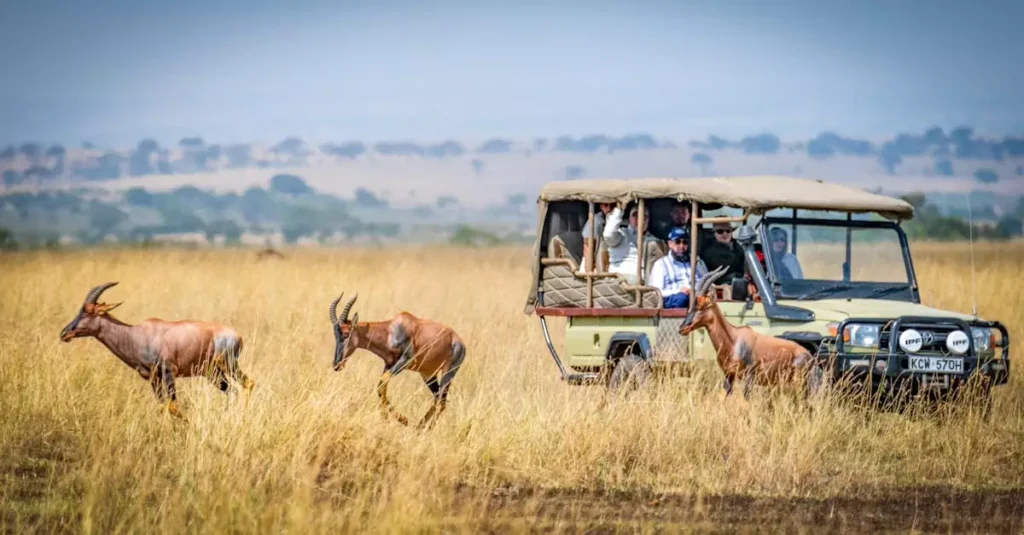
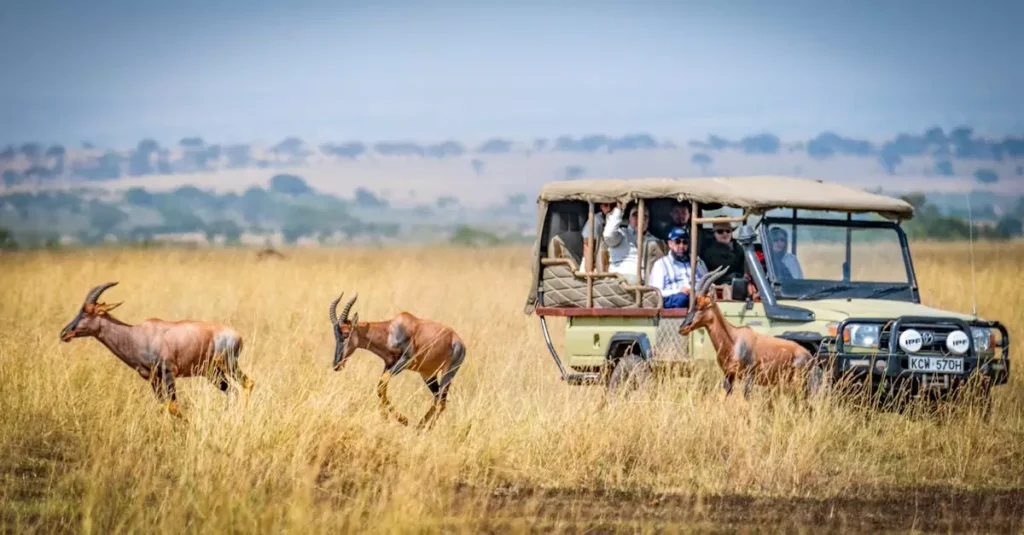
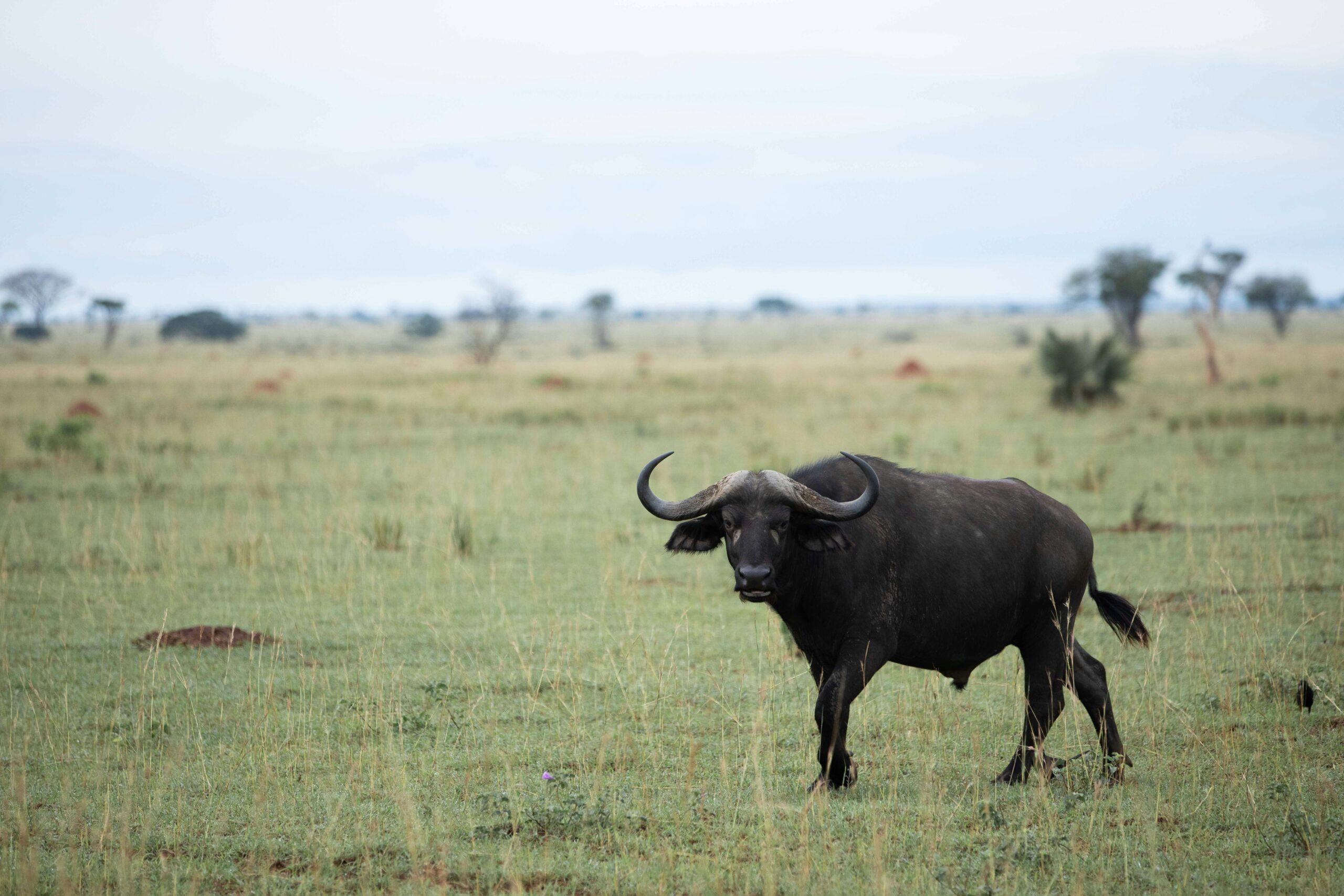
For east Africa-style savannah safaris within Uganda—Murchison Falls, Kidepo Valley, and Queen Elizabeth National Park—the drier months from June to September typically offer the best visibility and game concentration. As water becomes scarcer, herbivores gather around remaining rivers and waterholes, and predators follow. Late dry season (August–September) is particularly strong for large mammal sightings and photography.
Birdwatchers might prefer the wetter shoulder seasons when migrant and resident species are most active; however, you can still enjoy exceptional birding in the dry months because visibility is clearer. If you plan to combine gorilla trekking with savannah safaris, aim for the drier windows (June–September or December–February) when both activities are accessible and roads are more reliable.
Planning tips: permits, transport, and accommodation
Key logistical considerations affect when you should travel as much as weather does. Gorilla permits are limited and issued per person per trek day, so book these well in advance, especially for peak months. Similarly, popular lodges near national parks have limited capacity; secure accommodation early during June–September and December holiday weeks. For flexibility, consider a mix of park-side lodges and more affordable guesthouses in nearby towns.
Road conditions vary: gravel and dirt roads serve many national parks and may become difficult in heavy rains. Domestic flights (to Kidepo, Kisoro/Bunagana, or Murchison Falls areas) can save significant time during the wet season, but schedules are weather-dependent. Include buffer days in your itinerary to accommodate potential delays caused by rain or vehicle access.
- Book gorilla permits early—at least 6–12 months if traveling in peak season.
- Confirm lodge cancellation and transfer policies during the rainy months.
- Consider charter flights for remote parks to avoid impassable roads.
To check accommodation options across the country and lock in refundable rates during uncertain weather windows, you can search hotels in Uganda and compare locations near parks and towns.
What to pack for Uganda by season
Packing depends on the activities and the time of year. Here is a concise checklist tailored to Uganda’s climate patterns:
- Dry season (June–September, December–February): light breathable layers, sun hat, sunglasses, insect repellent, high-SPF sunscreen, binoculars for safaris, camera with zoom lens, lightweight rain jacket for occasional showers.
- Wet seasons (March–May, October–November): waterproof hiking boots with good grip, gaiters, quick-dry clothing, durable waterproof jacket, zip-lock bags for electronics, trekking poles (optional but helpful), mosquito net or repellent with DEET.
- Gorilla trekking specifics: long trousers, long-sleeved shirts (to protect against nettles and insects), gloves for gripping vines and brambles, small daypack, snacks, and refillable water bottle.
Altitude and early mornings in the highlands can be chilly even during otherwise warm months, so include a warm fleece or light insulated jacket for dawn patrols and evenings at higher-altitude lodges.
Season comparison table
| Season | Months | Typical Weather | Best Activities | Travel Notes |
|---|---|---|---|---|
| Long Dry | June–September | Dry, cooler mornings, clear skies | Safaris, birdwatching, gorilla treks | Best overall for road travel and wildlife viewing |
| Short Dry | December–February | Warm days, dry spells | Gorilla treks, cultural tours, beach/river activities | Popular holidays; book early |
| Long Rains | March–May | Heavy afternoon/evening rains, muddy trails | Birding, photography (green season) | Lower tourist numbers; lodges may offer discounts |
| Short Rains | October–November | Intermittent showers, lush landscapes | Birdwatching, primate viewing in forests | Trail conditions variable; check local advice |
FAQs
What is the overall best month to visit Uganda?
For a balance of good weather and accessible parks, July through September is often recommended. These months are drier, provide excellent wildlife viewing and safer road access, and are favorable for gorilla trekking and savannah safaris. However, if you prioritize fewer crowds and lush scenery, consider the shoulder months after the rains.
Is it possible to trek gorillas during the rainy season?
Yes, treks are possible year-round, but trails can be very muddy and more physically demanding during the long rains (March–May) and short rains (October–November). If you choose to trek in the wet season, bring appropriate footwear, waterproof clothing, and allow flexibility in your schedule for longer trek times.
When is wildlife concentrated for the best game viewing?
Wildlife tends to concentrate around permanent water sources during the dry season, especially in August and September. This concentration makes it easier to spot large mammals and predators on game drives. Birdlife is abundant year-round but often more active and visible during the wetter months.
How should I plan permits and bookings for peak months?
Book gorilla permits, park fees, and popular lodges as early as possible—ideally 6–12 months ahead of travel during peak months (June–September and December holidays). Many lodges have limited capacity and gorilla permits are capped daily for conservation reasons.
Are domestic flights recommended to avoid road problems in the wet season?
Domestic flights are a useful option for reaching remote parks quickly and avoiding roads that may be impassable after heavy rains. Flights are weather-dependent, so keep buffer days in your itinerary and verify schedules close to departure.
Conclusion
Choosing the best time to visit Uganda comes down to what you want to prioritize: reliable gorilla trekking and savannah safaris in the drier months, or fewer crowds and vibrant green landscapes during the rainy seasons. Use the month-by-month breakdown, the season comparison table, and the packing tips above to match activities to conditions. For practical arrangements, secure permits and accommodation early, allow extra travel time during rainy periods, and plan flexible connections if using domestic flights. With a little planning based on these climate patterns from the national weather authority and guidance from the Uganda Tourism Board, you can pick the ideal window for a rewarding trip to Uganda.

Our Fact Checking Process
We prioritize accuracy and integrity in our content. Here's how we maintain high standards:
- Expert Review: All articles are reviewed by subject matter experts.
- Source Validation: Information is backed by credible, up-to-date sources.
- Transparency: We clearly cite references and disclose potential conflicts.
Our Review Board
Our content is carefully reviewed by experienced professionals to ensure accuracy and relevance.
- Qualified Experts: Each article is assessed by specialists with field-specific knowledge.
- Up-to-date Insights: We incorporate the latest research, trends, and standards.
- Commitment to Quality: Reviewers ensure clarity, correctness, and completeness.
Look for the expert-reviewed label to read content you can trust.