Picture yourself on the vast plains of Kenya’s Masai Mara, watching millions of wildebeest thunder across the landscape during the Great Migration. You’re spotting lions, elephants, and giraffes against golden sunsets. It’s the kind of experience that changes you. But before you book that dream trip, the practical question hits: what will a Masai Mara safari cost actually run you?
A safari involves far more than just purchasing a plane ticket. The price tag depends on countless moving partswhere you sleep, how you get around, which season you choose, what you eat. Each decision ripples through your budget in different ways.
We’ve broken down every aspect of planning a Kenya safari, from different accommodation styles to transportation options and seasonal pricing. You’ll find practical strategies to stretch your budget, detailed cost comparisons across safari types, and honest information about what drives prices up or down. By the end, you’ll have the knowledge to design a Masai Mara adventure that matches both your dreams and your wallet.
Understanding the Masai Mara Safari Cost
There’s no single price tag for a Masai Mara safariit’s a puzzle made up of several pieces. Park entry fees, where you stay, how you travel within Kenya and during game drives, your professional guide, and your meals all add up to your final bill. Each component matters.
Park fees for non-resident adults represent a substantial daily charge. Then accommodation ranges wildlyyou could pitch a tent for under $100 a night or sleep in a five-star lodge for $1,000 or more. Transportation choices matter too. A road transfer from Nairobi costs significantly less than flying directly to the reserve, but takes much longer. Internal flights between camps add another layer of expense. Recognizing these core elements helps you understand where your money actually goes.
Knowing what shapes your total Kenya safari cost puts you in the driver’s seat. You’ll see exactly how different choices combine to create vastly different experiences. This knowledge lets you make trade-offs that align with what matters most to you, whether that’s saving money, maximizing comfort, or finding the sweet spot in between.
Factors Influencing Your Kenya Safari Cost
Several variables shift the needle on your Kenya safari cost. Timing stands out as perhaps the biggest one. The peak season (July through October) brings the Great Migrationand peak prices. Everything from lodge rooms to flights costs more when demand is highest. Travel during the shoulder months or the green season, and you’ll see your expenses drop noticeably.
Where you sleep makes an enormous difference. Camping is the most affordable route. Stepping up to comfortable tented camps or lodges pushes costs higher. How you move around matters just as much. Internal flights save time but drain your wallet faster than a road journey from Nairobi. Shared group vehicles cost less per person than a private 4×4 dedicated to your party.
How long you stay shapes the total too. Three days costs less than a week, obviously. But group size can actually lower per-person costs when expenses like vehicle rental get split among more people. Add-ons like hot air balloon rides or visits to Maasai villages each come with their own price. The Masai Mara safari cost ultimately reflects hundreds of small decisions you make along the way.
Types of Masai Mara Safaris: Budget, Mid-Range, Luxury
The Masai Mara serves different travelers in different ways. Understanding what separates these categories helps you pick what’s right for you. Your choice directly shapes how much you’ll spend on your Kenya safari cost.
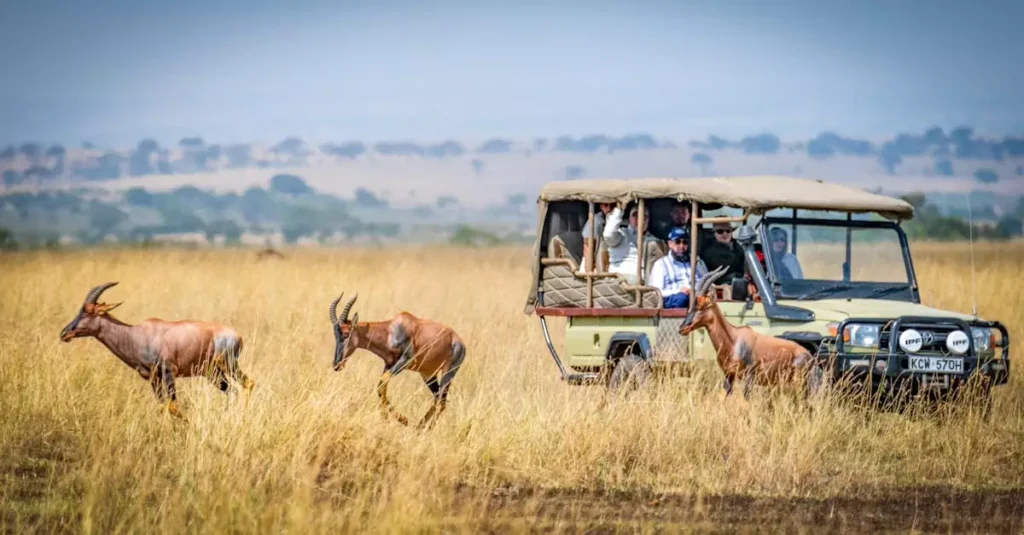
Budget Safaris: These attract adventurers who want the real experience without extras. Expect dome tents or basic permanent camps outside the main reserve. You’ll ride in shared safari minivans or 4x4s with other travelers, joining group game drives. A camp cook prepares simple meals. The focus stays on wildlife and cultural connection rather than creature comforts. It’s genuinely the most affordable Masai Mara safari cost option available.
Mid-Range Safaris: This tier hits the middle ground between value and comfort. You’ll sleep in proper lodges or permanent tented camps, usually right at or near the reserve boundary. These places have en-suite bathrooms, decent beds, and attentive staff. Shared 4×4 safari vehicles still mean group game drives, but the vehicles are better suited for wildlife viewing. Meals expand beyond basics, with buffet-style service and more variety. Mid-range delivers a real step up in comfort without the luxury price tag.
Luxury Safaris: Those seeking the ultimate experience find it here. Opulent tented camps and boutique lodges sit in private conservancies bordering the main reserve. Private plunge pools, gourmet meals prepared to order, and personalized butler service come standard. You travel in your own private 4×4 or fly directly to your camp via internal flights. Walking safaris, night game drives, and sunset cocktails in prime spots round out the experience. This represents the top tier of Masai Mara safari cost, offering exclusivity and personalized service throughout.
Masai Mara Safari Price Guide: A Detailed Breakdown
Seeing actual numbers helps you understand the range of Masai Mara safari cost options. We’ve compiled typical pricing across different safari styles based on verified rates from Kenya tourism operators. These daily per-person figures include accommodation, meals, park fees, and game drives.
Keep in mind that specific operators, your chosen season, and the exact camp you pick will all affect final pricing. Always request a detailed quote from your operator. Here’s what you can typically expect:
| Safari Style | Accommodation | Transport | Daily Cost (Per Person) | Key Features |
|---|---|---|---|---|
| Budget | Basic camping or permanent tents (outside reserve) | Shared safari minivan/4×4 (road) | $250 – $400 | Essential wildlife viewing, communal experience, basic amenities |
| Mid-Range | Comfortable lodges or tented camps (near/inside reserve) | Shared 4×4 safari vehicle (road/flight options) | $400 – $800 | Good balance of comfort & adventure, better game viewing vehicles |
| Luxury | Exclusive tented camps or boutique lodges (inside reserve/conservancy) | Private 4×4 safari vehicle, internal flights | $800 – $1500+ | Ultimate comfort, personalized service, exclusive activities, gourmet dining |
These numbers paint a clear picture of how Kenya safari cost varies. A four-day budget safari might run $1,000 to $1,600 total. That same four days in luxury mode could easily start at $3,200 and climb past $6,000. Your comfort level and the experiences you want drive these differences.
Pros and Cons of Different Safari Styles
Picking your safari style means weighing what matters most to you. Each option brings advantages and trade-offs. Thinking through these helps you choose the Masai Mara safari that actually fits your prioritieswhether that’s keeping costs down, maximizing comfort, getting exclusive access, or feeling like a true adventurer.
Budget Safari
- Pros: Highly affordable, opens the door for more people to experience the Mara, often feels more authentic and rugged, great for meeting other travelers.
- Cons: Basic facilities (shared bathrooms), larger groups in vehicles, less flexibility in game drive timing, accommodations often sit further from the main reserve.
Mid-Range Safari
- Pros: Excellent value relative to what you get, decent comfort level (private bathrooms, better food), superior safari vehicles, balances cost with quality, well-positioned camps.
- Cons: Still group-based experiences (though smaller groups than budget), not fully exclusive, some amenities pale next to luxury options.
Luxury Safari
- Pros: Unparalleled comfort and service, highly personalized experiences, private game drives, access to exclusive conservancies, gourmet dining, unique activities like walking safaris.
- Cons: Very high Masai Mara safari cost, can feel less wild due to constant pampering, not accessible to all budgets, may feel disconnected from local culture.
Each safari style offers a distinct lens through which to explore the Masai Mara. Your ideal Kenya safari cost depends entirely on what you’re optimizing for.
Practical Tips for Saving on Your Masai Mara Adventure
Even on a tight budget, the Masai Mara remains within reach. Strategic planning can meaningfully reduce your Masai Mara safari cost without gutting the experience. Here’s how to stretch your money further.
- Travel Off-Peak: April, May, and November offer dramatically lower prices for lodges and tours. The Great Migration won’t be happening, but wildlife remains abundant and the landscape turns lush and green.
- Book a Group Safari: Joining a scheduled group tour almost always beats the price of a private safari. You split vehicle costs, guide fees, and sometimes accommodation with other travelers.
- Choose Road Transport: Flying saves time but adds hundreds of dollars to your Kenya safari cost. A road transfer from Nairobi costs far less and actually offers beautiful scenery along the way.
- Opt for Tented Camps Outside the Reserve: Camps just beyond the main Masai Mara National Reserve boundary charge less because they avoid higher conservancy fees. You still get easy park access.
- Book in Advance: Lock in better rates by booking several months ahead, especially for peak season. Popular camps and operators fill up fast, and early bookers often get discounts.
- Compare Tour Operators: Request quotes from multiple reputable companies. Prices vary significantly even for similar itineraries. Read reviews carefully and compare what’s actually included.
- Consider a Shorter Safari: A three or four-day safari hits the highlights and costs less than longer trips. You can still see an impressive amount of wildlife in a shorter timeframe.
Using these approaches, an incredible Masai Mara experience becomes achievable within your budget. Smart decisions genuinely impact your Masai Mara safari cost.
Best Time to Visit and Its Impact on Cost
When you visit the Masai Mara shapes both what you’ll see and what you’ll pay. The region cycles through distinct seasons, each offering different rewards and price points. Timing your trip strategically makes a real difference to your Kenya safari cost.
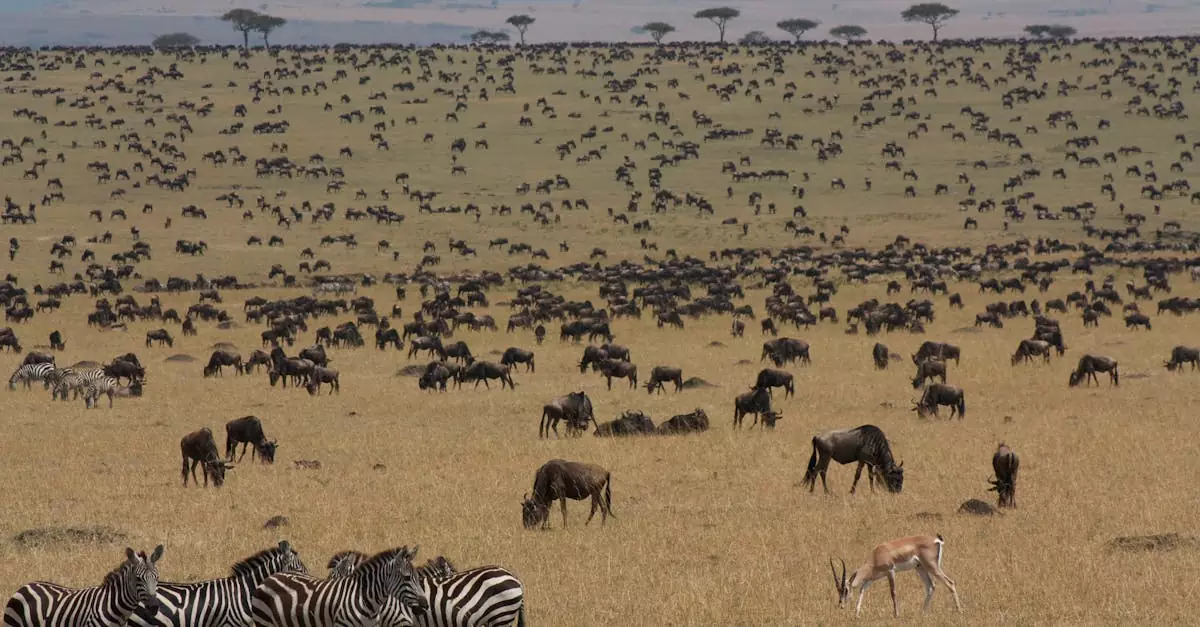
July through October marks peak seasonthe time when the Great Migration dominates the landscape. Millions of wildebeest and zebras flood across the Mara River in one of nature’s most spectacular events. Tourist demand skyrockets, driving up prices across lodges, flights, and tour packages. If the migration is non-negotiable for you, expect to pay premium Masai Mara safari cost and book months in advance.
June and November occupy the shoulder seasons. Wildlife viewing remains excellent, and prices drop somewhat compared to peak months. The low season (December through May, excluding the Christmas/New Year holidays) brings lush green landscapes and phenomenal birdwatching. Fewer tourists means quieter experiences and significantly lower pricesthe most budget-friendly time to visit. River crossings happen less frequently, but predator activity remains strong, and you’ll enjoy more intimate safari moments.
For deeper insights on choosing your travel window, explore our guide on the best time to visit. Selecting the right season directly impacts how you manage your Masai Mara safari cost.
Beyond the Safari: Additional Expenses to Consider
Your safari package represents just one piece of your total Kenya safari cost. Several other expenses pop up before, during, and after your trip. Accounting for these prevents budget surprises and ensures you’re truly prepared.
- International Flights: Round-trip airfare to Nairobi typically becomes your single largest expense. Prices swing widely depending on where you’re flying from, which airline you choose, and how far ahead you book.
- Visas: Most international visitors need a Kenya visa. Check current requirements and apply early. Expect to pay around $50.
- Travel Insurance: Comprehensive coverage is strongly recommended. It protects you against medical emergencies, trip cancellations, lost luggage, and other unexpected situations.
- Vaccinations and Medications: Talk to your doctor about necessary vaccinations (Yellow Fever, for example) and malaria prevention. These costs accumulate.
- Tips and Gratuities: Tipping guides, drivers, and lodge staff is standard practice in Kenya. Budget $10-$20 per person daily for guides.
- Personal Expenses: Souvenirs, alcoholic drinks (often excluded from packages), laundry, and miscellaneous items add up.
- Extra Activities: A hot air balloon ride over the Mara costs around $450-$600 per personstunning but pricey. Cultural village visits carry small additional fees.
- Pre and Post-Safari Accommodation: You might need a night or two in Nairobi before or after your safari, depending on your flight times.
Including these additional expenses gives you an accurate total Masai Mara safari cost. Our comprehensive travel budget guide helps you manage all these moving parts. You can also learn more about the region’s history and significance on Wikipedia. Proper planning ensures your Kenyan adventure runs smoothly.
Frequently Asked Questions
What’s the cheapest way to do a Masai Mara safari?
Group camping safaris with road transport from Nairobi and basic tent accommodation represent your most budget-friendly option. Traveling during the low season further slashes costs.
How much are park fees for Masai Mara?
Non-resident adults currently pay around $80 per 24 hours if staying inside the reserve, or $70 if staying outside. Most safari packages include these fees in their quoted price.
Is a 3-day or 5-day safari better?
A three-day safari gives you a solid overview and key wildlife sightings. A five-day safari allows more relaxed game drives, deeper exploration, and better odds of witnessing dramatic events like river crossings. You’ll also experience more diverse activities and landscapes.
Can I go on a Masai Mara safari alone?
Solo safaris are absolutely possible. However, private safaris for one person cost significantly more. Joining a group tour is the most cost-effective approach for solo travelers.
What’s included in a typical Masai Mara safari package?
Standard packages cover accommodation, all meals during your safari, game drives in a safari vehicle, park entrance fees, and a professional guide. International flights, visas, tips, and personal expenses typically fall outside the package.
Conclusion
A Masai Mara safari represents one of those rare trips that genuinely transforms how you see the world. The Masai Mara safari cost varies dramatically based on your choicesaccommodation style, transportation method, travel season, and duration all shape your final bill. Options exist for nearly every budget, from camping adventures to ultra-luxury experiences.
Understanding what drives Kenya safari cost and applying our practical strategies lets you design an adventure that fits your finances perfectly. Don’t forget to budget for those additional expenses beyond the core packagethey matter. A Masai Mara safari is an investment that pays dividends in unforgettable memories and wildlife encounters you’ll treasure forever.
Start planning your safari today. Armed with our detailed Masai Mara price guide and money-saving strategies, your dream journey into Kenya’s wilderness is genuinely achievable. Get ready for an adventure that exceeds your expectations.