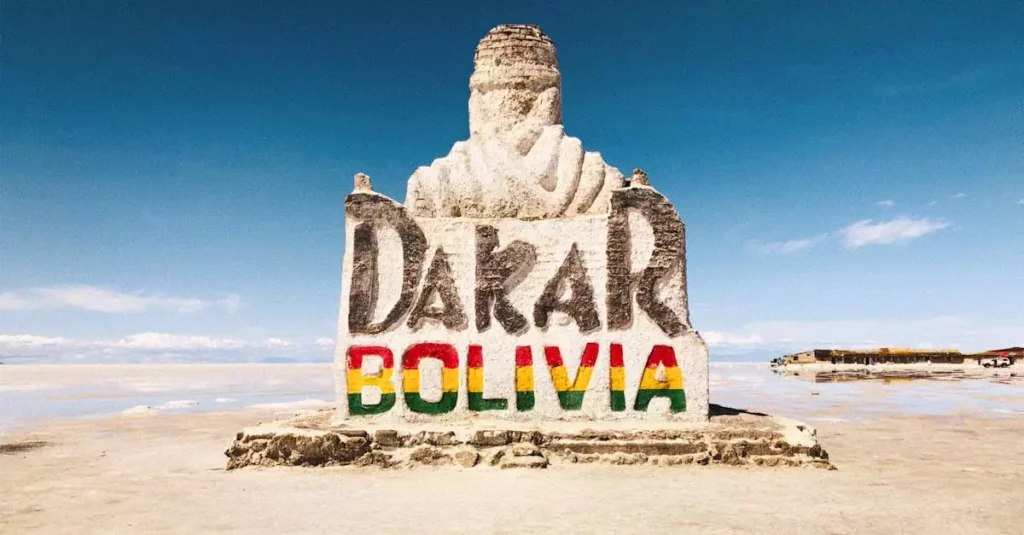
The Uyuni Salt Flats represent one of those rare destinations that genuinely lives up to the hype. For solo travelers, this otherworldly expanse of white salt stretching endlessly across Bolivia’s high plains offers something truly speciala combination of natural wonder, adventure, and the kind of solitude that forces you to confront yourself. The landscape shifts from brilliant white horizons to vibrant turquoise and crimson lagoons, dotted with ancient cacti islands and geothermal features. Before you pack your bags, though, you’ll want a solid grip on what this adventure actually costs. Smart budgeting transforms Uyuni from an intimidating prospect into an achievable dream, even on a shoestring.
Solo travel here comes with its own rhythm. The logistics might seem overwhelming at firstyou’re heading to one of the world’s most remote regions, after allbut countless travelers have navigated it successfully. The beauty of traveling alone to Uyuni is that you control everything: your pace, your tour choices, your budget priorities. We’ll walk through every major expense category, from tour operators to accommodation to what you’ll actually spend on meals. By the time you finish reading, you’ll have concrete numbers and practical strategies for making this happen.
The goal here is straightforward: give you the real breakdown of expenses, share what actually works for budget-conscious backpackers, and address the stuff that keeps solo travelers up at night. Once you understand the numbers, you can move forward with confidence, ready to experience one of South America’s most extraordinary natural wonders without financial stress hanging over your head.
Why Choose Uyuni for Solo Travel?
There’s something about the Salar de Uyuni that speaks to solo adventurers in a way few places do. As the world’s largest salt flat, it creates an almost meditative sense of scale and isolation. Your horizon disappears. The sky becomes impossibly vast. For someone traveling alone, this environment feels less lonely and more liberatingyou’re free to move at your own pace, choose tours that match your interests, and spend as much or as little time as you want in any given spot.
The region extends far beyond the salt flats themselves. Colorful lagoonssome tinged pink from algae, others brilliant turquoisedot the landscape. Geysers shoot steam into the thin air. Hot springs bubble up from the earth. Rock formations that look like they belong on another planet surround you. Most travelers experience these sights through multi-day tours that piece together a comprehensive journey across the Bolivian altiplano. What makes this particularly appealing for solo travelers is that tours naturally bring people together. You’ll meet other adventurers, share meals in basic mountain lodges, and often end up with travel friends by day two. The challenge of navigating an unfamiliar environmentthe altitude, the remoteness, the cultural differencesbuilds genuine confidence. Many solo travelers describe this trip as a turning point in their independence.
Bolivia’s overall affordability works in your favor here. The cost of living is genuinely low, which means your budget stretches further. Tourism infrastructure around Uyuni is surprisingly well-developed despite the remote locationtour operators are plentiful, hostels cater specifically to backpackers, and you won’t struggle to find the basics. Yes, Uyuni is isolated, but it’s a popular isolated destination, which means you’re never truly alone unless you want to be. Other travelers are always around, creating a built-in community of adventurers all chasing the same experience.
Understanding the Uyuni Solo Travel Cost
The salt flat tour itself will be your biggest expensethat’s non-negotiable. Tours run anywhere from one day up to three days or longer, with prices scaling accordingly. A quick one-day excursion focuses mainly on the salt flats themselves. Multi-day options expand to include the lagoons, geysers, and sometimes even a crossing into Chile. Beyond the tour, you need accommodation in Uyuni town before and after your trip, meals, and transport to get there in the first place.
Getting to Uyuni typically means taking a bus from La Paz, Sucre, or Potos. Most travelers opt for overnight buses, which cleverly saves you a night’s accommodation cost. Flying is faster but substantially more expensive. Once you’re in the small town of Uyuni itself, you can walk almost everywhere, which eliminates taxi costs. Factor in travel insuranceabsolutely essential for remote traveland any visa requirements for your nationality. A solid travel insurance policy covers medical emergencies, evacuation, and unexpected disruptions, which matters when you’re hours away from the nearest hospital.
Don’t overlook the smaller expenses that accumulate: souvenirs, extra snacks, activities beyond your tour, tips for guides and drivers (customary in Bolivia), and an emergency buffer. Bolivianos (BOB) is the local currency, and while ATMs exist in Uyuni, they’re not always reliable. Carrying physical cash is smarter than relying on plastic. Tipping culture is real here, so budget accordingly. An emergency fund of 200-300 BOB covers most unexpected situations and lets you travel without constantly worrying about running short.
Breaking Down Your Uyuni Solo Backpacking Budget
Getting specific with numbers helps you plan without surprises. Hostels in Uyuni town run 40-80 BOB per night for a dorm bedgenuinely cheap. Private rooms cost 100-150 BOB if you want your own space. During multi-day tours, accommodation is basic by design: rustic lodges with shared rooms, shared bathrooms, and electricity that might be sporadic. It’s part of the adventure, not a bug.
Food is where your budget can stay lean. A meal from a local market stall costs 15-25 BOB. Restaurant meals run 30-60 BOB. Most tours include food, though it’s simple farebread, rice, potatoes, occasionally meat. Bring your own snacks and water bottles. Water in remote areas gets expensive fast, sometimes 10-15 BOB for a large bottle. You’ll thank yourself for planning ahead.
Transportation to Uyuni varies by starting point. An overnight bus from La Paz costs 80-150 BOB depending on the bus class. Sucre and Potos are similar distances with comparable prices. Flights from La Paz jump to 400-800 BOB or more. Once you’re in Uyuni, tour companies handle pickup from your hostel, eliminating local taxi needs. Always confirm these details directly with your operator.
The entrance fee to the Eduardo Avaroa Andean Fauna National Reserverequired for multi-day tourscosts 150 BOB. This is paid directly at the park entrance, not bundled into your tour price. Other minor fees might apply for specific attractions. Carrying enough cash to cover these ensures smooth operations. This granular approach to budgeting prevents the frustration of discovering unexpected costs mid-trip.
Accommodation Options for Solo Travelers
Hostels dominate Uyuni’s accommodation landscape for good reason. They’re affordable, social, and specifically designed for solo backpackers. Dorm rooms are the cheapest option, and you’ll meet other travelers immediatelypotential tour mates, dinner companions, and friends for exploring town. Many hostels offer private rooms too if you prefer quieter nights. Look for places with solid reviews on cleanliness and safety. Free breakfast and Wi-Fi are common perks that chip away at your daily costs.
Mid-range hotels provide more comfort if your budget allows. Private rooms with en-suite bathrooms, heating, and better dining options cost more than hostels but feel luxurious after nights in basic mountain lodges. Booking ahead during peak season (December through February) is wiseyou’ll secure your preferred place and sometimes get better rates. Heating matters here. Uyuni gets brutally cold at night, and a warm room makes a real difference in recovery.
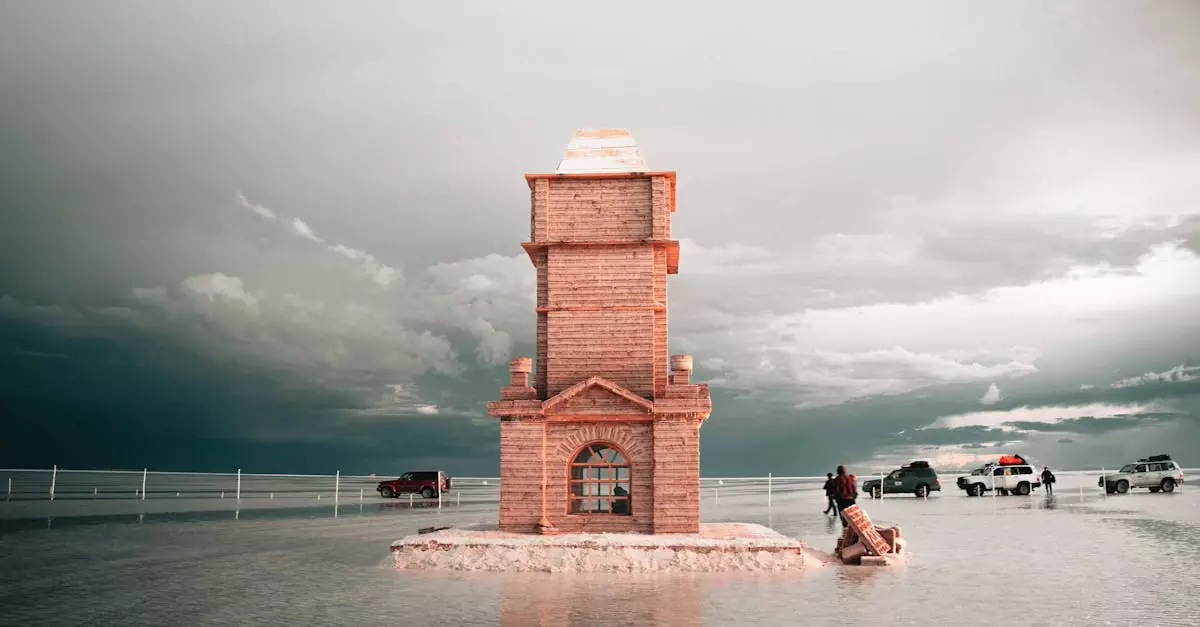
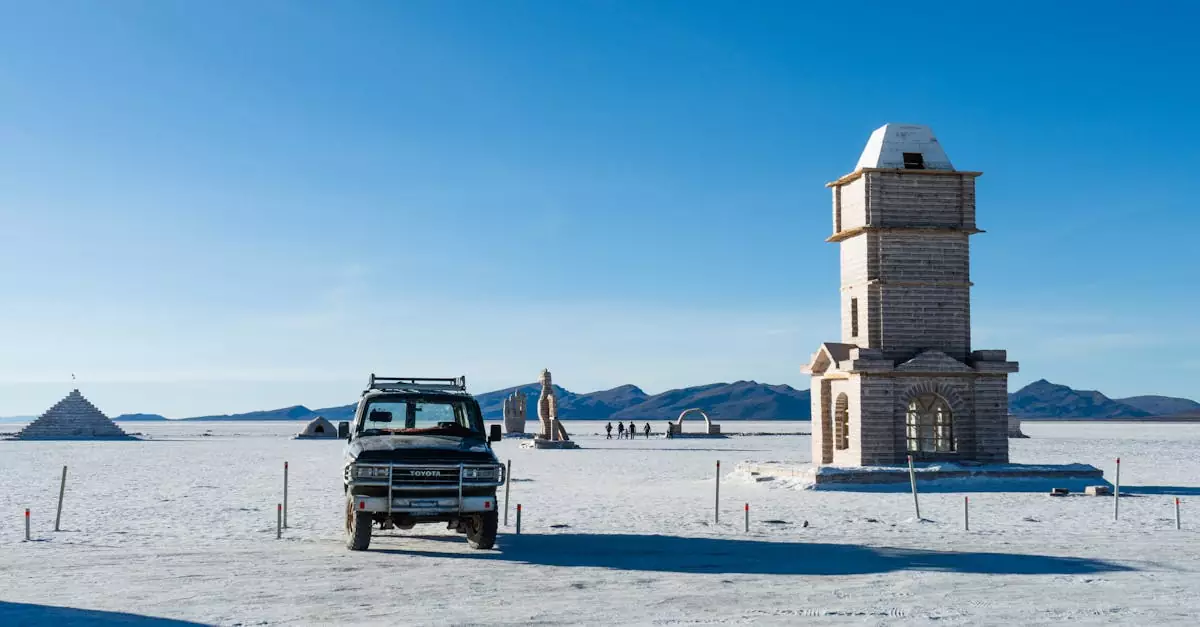
Multi-day tours include their own accommodation, usually basic refugios or rustic lodges in remote areas. Expect shared dorm-style rooms, limited electricity, and often no hot water. Some tours offer a night in a salt hotela genuinely unique experience where the walls, floors, and furniture are constructed from salt blocks. It’s quirky and memorable. These accommodations are spartan, but that’s intentional. They’re part of the experience, not a luxury component. Always clarify what’s included in your tour package before booking.
Tour Prices and What’s Included
The salt flat tour is the centerpiece of any Uyuni trip, and it’s where your biggest expense sits. Prices depend on duration, what the itinerary covers, and the operator’s reputation. A one-day tour typically runs 150-250 BOB. You’ll see the main attractionsIncahuasi Island with its giant cacti, the train cemetery, and a salt hotelusually with lunch included. These tours work well if you’re short on time or budget.
The three-day/two-night tour is the sweet spot for most travelers. Prices range from 700-1200 BOB. You get accommodation, all meals, and a driver-guide for the full duration. This option takes you deeper into the altiplano: colorful lagoons, active geysers, hot springs, and wildlife you won’t see on a one-day tour. Some versions end in San Pedro de Atacama, Chile; others loop back to Uyuni. Always verify what’s included before committing. Some operators exclude the national park entrance fee (150 BOB), which is a surprise you don’t want.
Choosing a tour operator requires balancing cost against reliability and safety. The absolute cheapest option often cuts corners on vehicle maintenance or driver experience. Ask about the condition of the 4×4 vehicles, the guide’s experience and language abilities, and their safety record. Most tours operate in Spanish, so clarify language expectations upfront. You can book a tour after arriving in Uyuni, which lets you compare operators and prices directly. Alternatively, booking online in advance secures your spot during high season. Many agencies help solo travelers form groups, which reduces per-person costs while providing companionship.
Uyuni Salt Flat Tour Comparison
| Tour Type | Duration | Approx. Cost (BOB) | Key Inclusions | Pros for Solo Travelers | Cons for Solo Travelers |
|---|---|---|---|---|---|
| 1-Day Salt Flats Tour | ~10-12 hours | 150-250 | Transport, Guide, Lunch | Quick, affordable, easy to join a group | Limited sights, less immersive |
| 3-Day/2-Night Salt Flats & Lagoons Tour (Return to Uyuni) | 3 days, 2 nights | 700-1000 | Transport, Guide, Meals, Basic Accommodation | Comprehensive, immersive, social, good value | Basic facilities, remote, can be cold |
| 3-Day/2-Night Salt Flats & Lagoons Tour (To San Pedro de Atacama) | 3 days, 2 nights | 800-1200 | Transport, Guide, Meals, Basic Accommodation | Convenient border crossing, diverse landscapes | Higher cost, might feel rushed, basic facilities |
Safety Tips for Solo Travelers in Uyuni: A Safety Guide
Safety matters, and it deserves serious consideration. Uyuni is generally safe, but taking precautions is always smart. When selecting a tour operator, dig into their reputation. Ask about their safety record, how often they maintain their vehicles, and their drivers’ experience. Extremely cheap tours often skip maintenance or hire less experienced drivers. Verify that vehicles have seatbelts and working radios. Check if guides have basic first aid training. Trust your instinctsif something feels off about an operator, move on.
Altitude sickness is the real threat here. Uyuni sits above 3,700 meters (12,000 feet), which affects many people. Spend a few days acclimatizing in a higher city like La Paz or Potos before arriving. Drink water constantly, avoid alcohol and heavy meals, and take it easy on your first day. Coca leaves or soroche pills help some people. Tell your guide if you feel unwell. Medical help is genuinely far away on the salt flats, so prevention beats treatment.
Personal safety in Uyuni town follows standard small-town precautions. Be aware of your surroundings, especially after dark. Keep valuables hidden and secure. Don’t walk alone in unlit areas. Use registered taxis if needed. During tours, stay with your group and don’t wander offthe salt flats can be disorienting, and getting lost is a real risk. Share your itinerary with someone back home. This simple step matters for solo travelers. Let a friend or family member know your tour dates, operator name, and expected return. For additional context on the region, Wikipedia’s Salar de Uyuni page provides solid background information.
Pros and Cons of Solo Travel in Uyuni
- Pros:
- Complete freedom to choose your tour and pace.
- Easier to meet new people and form temporary travel groups.
- Deep sense of accomplishment and self-reliance.
- More opportunities for personal reflection amidst stunning landscapes.
- Often more flexible with last-minute changes.
- Cons:
- Potential for higher costs if unable to share tour expenses.
- Increased responsibility for personal safety and logistics.
- Can feel isolated at times, especially during travel to Uyuni.
- Limited options for single rooms on multi-day tours.
- Language barriers might be more challenging without a travel partner.
Maximizing Your Uyuni Solo Travel Experience: Practical Tips
Pack in layers. Temperature swings are dramaticfreezing nights, warm sunny days. Bring thermal base layers, fleece, and a quality waterproof jacket. Hats, gloves, and sunglasses are non-negotiable. The sun at high altitude is intense, and the white salt reflects everything. High-factor sunscreen and lip balm prevent painful burns. Sturdy hiking boots or walking shoes handle the terrain better than sneakers.
Carry enough Bolivianos for entrance fees, snacks, and emergencies. ATMs in Uyuni aren’t always reliable. A portable power bank keeps your electronics charged when outlets are scarce on multi-day tours. A headlamp or flashlight helps navigate dark accommodations at night. Keep your passport and important documents secure and dry. Make both physical and digital copies as backup.
Learning basic Spanish phrases transforms your interactions. Many guides speak limited English, and communicating in Spanish opens doors. Be open to connecting with other travelersmost solo visitors arrive looking to join a group for cost-sharing and companionship. Check our comprehensive travel budget guide for broader money-saving strategies. Our guide on the best time to visit helps you align your trip with optimal weather and smaller crowds. Finally, embrace unpredictability. Solo travel in Uyuni is fundamentally an adventure, and flexibility is what makes it unforgettable.
FAQs About Solo Travel in Uyuni
Is Uyuni safe for solo female travelers?
Yes, Uyuni is generally safe for solo female travelers. Standard precautions applychoose reputable tour operators and be aware of your surroundings, especially at night. Many solo female travelers visit Uyuni without incident and report positive experiences.
How do I find a tour group as a solo traveler in Uyuni?
Tour agencies in Uyuni are experienced at grouping solo travelers together. Visit a few agencies upon arrival, compare prices, and ask to be placed in a group. Hostels are also excellent places to connect with other solo travelers heading out on the same tours.
What’s the best currency to use in Uyuni?
Bolivianos (BOB) is the local currency and your best bet. Card payments are rare outside larger hotels. US dollars are sometimes accepted for bigger purchases, but you’ll get a better exchange rate using Bolivianos.
Can I do a Uyuni tour without speaking Spanish?
It’s possible, but knowing basic Spanish helps considerably. Many tour guides have limited English. If English is essential, specifically request an English-speaking guide and expect to pay slightly more. Most tours operate primarily in Spanish.
What should I pack for a multi-day Uyuni solo backpacking trip?
Pack warm layers including thermal base layers, fleece, and a waterproof jacket. Include a hat, gloves, sunglasses, high-factor sunscreen, and lip balm. A headlamp, power bank, and plenty of water are essential items for multi-day tours.
Conclusion: Your Uyuni Solo Adventure Awaits
A solo journey to the Uyuni Salt Flats delivers something rare: genuine adventure combined with stunning natural beauty and real personal growth. By understanding your Uyuni solo travel cost upfront, you eliminate financial stress and focus on the experience itself. We’ve walked through every major expensetours, accommodation, food, transportgiving you concrete numbers to work with. Flexibility and preparation are your best tools in this remote region.
Prioritizing safetyfrom choosing trustworthy tour operators to preparing for altitude effectsmakes the difference between a great trip and a stressful one. The practical tips, from packing essentials to learning basic Spanish, equip you for the unique challenges and rewards of solo travel here. Whether you’re seeking quiet moments on vast salt plains or connecting with fellow adventurers, Uyuni delivers an experience that stays with you long after you leave.
You now have the information needed to plan your Bolivian adventure with confidence. Embrace the journey, soak in the landscape, and create memories that will define your travels for years to come. Uyuni is waiting for you.