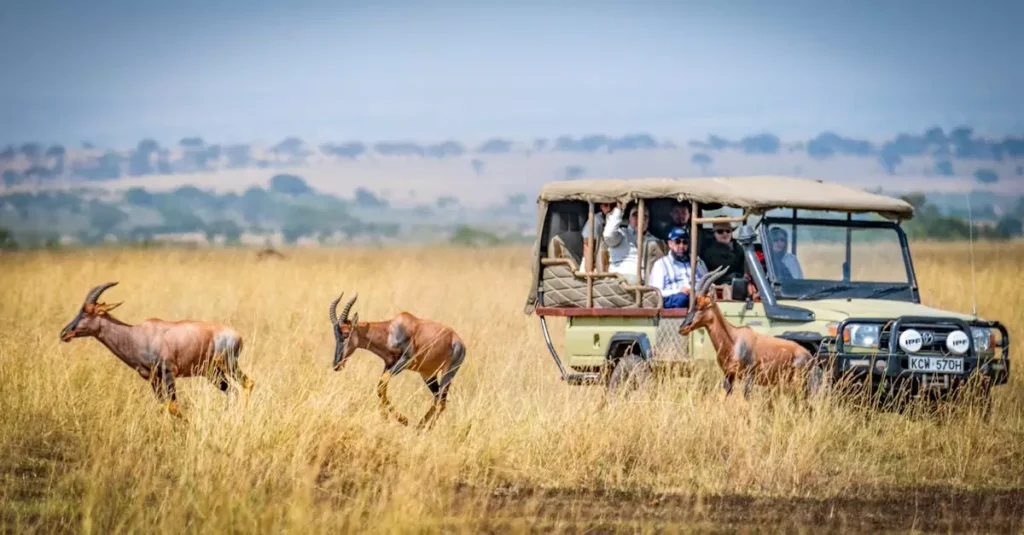
Imagine yourself on the vast savannahs of Kenya, watching lions prowl across golden grasslands and zebras thunder across the plains. The Masai Mara National Reserve delivers exactly that kind of magic. But before you start packing, there’s a practical question most travelers ask: how much will this adventure actually cost? Safari prices vary tremendously depending on what you choose, and getting a clear picture of expenses upfront makes all the difference in planning a trip you’ll truly enjoy.
A Masai Mara safari is unlike anything elseyou’ll see the Big Five, witness the extraordinary Great Migration, and experience wildlife in its purest form. The catch? Costs fluctuate wildly based on your decisions. Your choice of where to sleep, how you get around, and when you travel all shape the final bill. Different travelers have different priorities, and that’s where flexibility in pricing comes in. Some people splurge on luxury; others find incredible value in simpler options.
The goal here is to give you straight answers about what you’ll actually spend. No surprises, no hidden feesjust honest information to help you plan confidently. Whether you’re dreaming of a budget-conscious adventure or a five-star escape, knowing what typical costs look like for a Masai Mara trip puts you in control. Let’s break down the numbers and show you exactly where your money goes.
Understanding the Masai Mara Safari Cost Per Person
There’s no single price tag for a Masai Mara safari. The cost shifts based on several interconnected choices you’ll make. How many days you stay, what kind of bed you sleep in, and whether you drive or fly all matter significantly. A quick 3-day trip naturally costs less than a week-long expedition. Bunking in a basic tent camp is fundamentally different from staying at a five-star lodge. These variables determine what you’ll pay.
Timing plays a huge role too. From July through October, when the Great Migration happens, prices spike because everyone wants to visit. April and May bring lower rates and smaller crowdsa genuine win if you’re budget-conscious. How many people travel with you matters as well. Splitting the cost of a private vehicle among four friends beats going solo. Then there are park entrance fees, which run about $80 to $100 daily for adults and go directly toward conservation. These aren’t optional.
Most safari packages bundle things togetheryour bed, meals, game drives, sometimes even flights. But bundling can be deceptive. One package might look cheaper until you realize it doesn’t cover drinks, tips, or that hot air balloon ride you wanted. Always dig into the fine print with your tour operator to understand exactly what you’re paying for and what you’re not.
Key Factors Influencing Your Kenya Safari Price Per Person Masai Mara
Multiple elements directly shape what you’ll spend on a Masai Mara safari, and the good news is you control most of them. This flexibility means you can craft an experience that fits your budget. How long you stay is perhaps the biggest lever. Longer trips mean more nights in accommodations and more days of game drives. Most people spend 3 to 5 days thereenough time to see incredible wildlife without depleting savings.
When you go matters enormously. Peak season (July through October) brings premium prices because demand soars. Shoulder seasons like June and November offer better rates with decent weather. Low season in April and May can be surprisingly affordable, though you might encounter rain. This timing decision can save you hundreds or cost you hundreds depending on what you choose. Weather unpredictability during certain months is worth factoring in.
Your safari style preference shapes costs significantly too. Want your own vehicle with a private guide? That exclusivity comes at a premium price. Prefer joining other travelers? Group safaris distribute vehicle and guide costs among participants, cutting what each person pays. Budget-conscious explorers often gravitate toward group options. Think carefully about what experience matters most to you when making this choice.
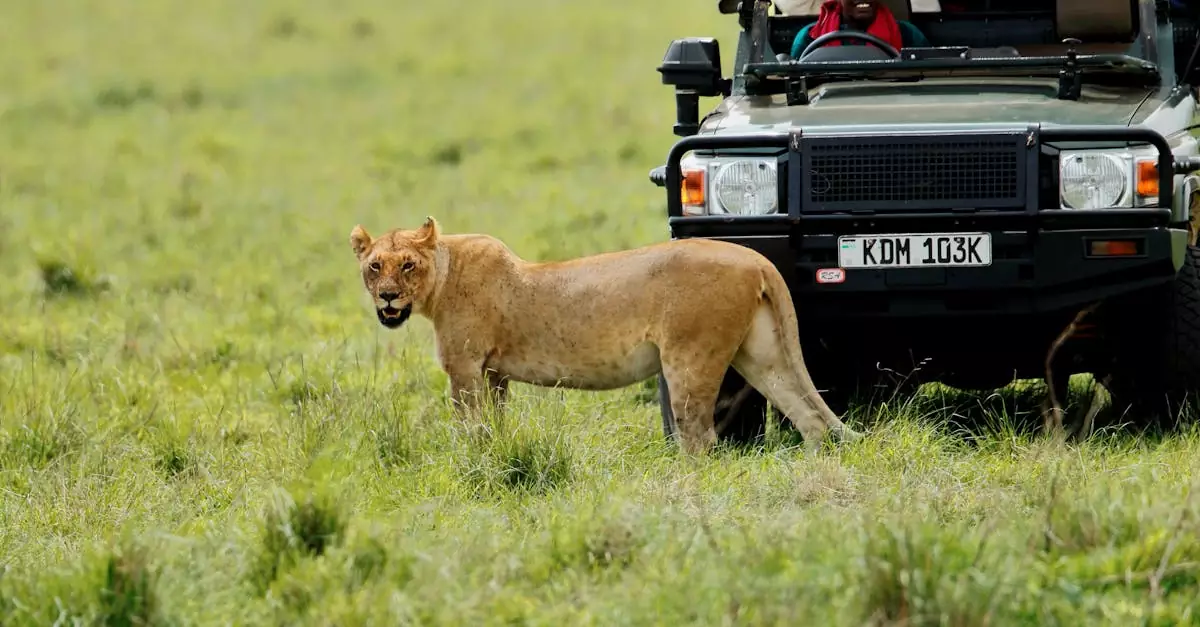
Accommodation Options and Their Impact on Price
Where you lay your head each night typically represents your biggest expense on safari. The Masai Mara offers sleeping arrangements for every wallet size. Basic tented camps and public campsites sit at the bottom endyou get the essentials and genuine bush vibes, sometimes with shared facilities or simple private tents. Expect to pay roughly $150 to $300 per night for these options.
Mid-range properties occupy the sweet spot for many travelers. These permanent tented camps or modest lodges have en-suite bathrooms, decent beds, and often a pool or lounge area. Prices typically fall between $300 and $700 per night. They deliver real comfort without the astronomical price tag of ultra-luxury places. Most people find this tier hits the right balance between experience and expense.
Luxury lodges and exclusive camps represent the pinnacle. Think spacious, beautifully designed tents or rooms, chef-prepared meals, and white-glove service. Many sit in private conservancies next to the main reserve, offering exclusive game viewing. Prices start around $700 and climb steeplysome ultra-exclusive properties exceed $2000 per night. These choices dramatically increase your overall safari cost.
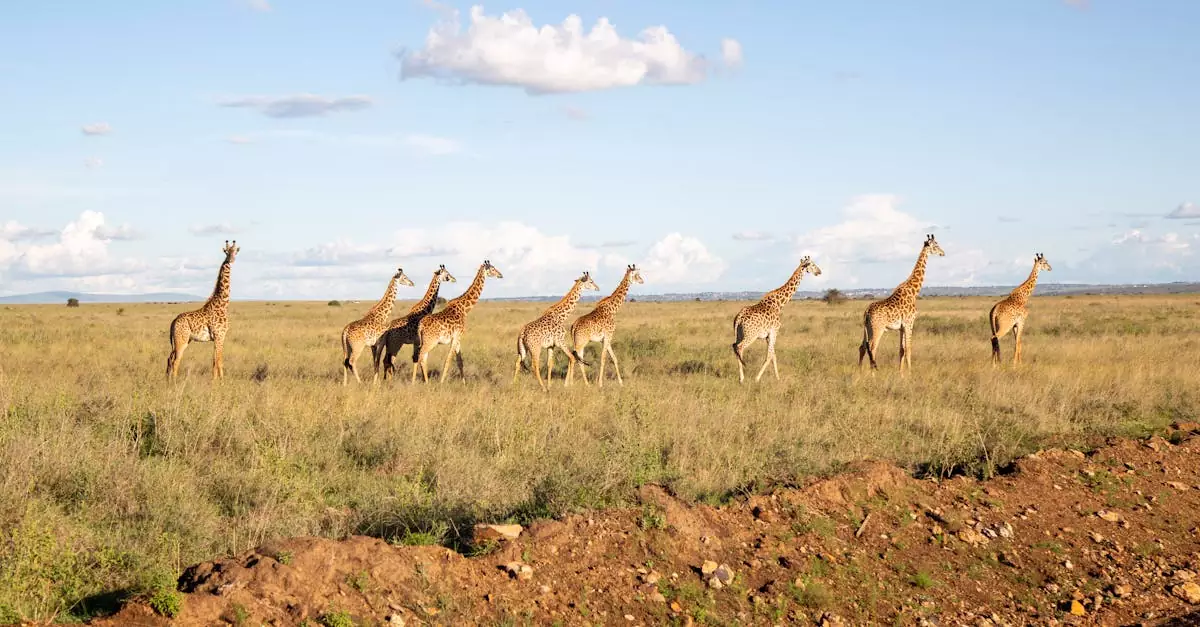
Transport Choices: Road vs. Air Travel Costs
Getting to the Masai Mara from Nairobi presents two distinct options, each with different costs and trade-offs. Your choice between road and air travel significantly impacts your total spending. Time, comfort, and budget all factor into this decision.
Driving from Nairobi takes about 5 to 6 hours and is the more economical route. A private vehicle transfer might run $200 to $400 one way, while shared shuttles drop to $30 to $50 per person. Road transport often comes included with budget and mid-range packages. The journey itself offers chances to see Kenyan countryside, though the roads get rough closer to the reserve. It’s a longer day, but your wallet stays fuller.
Flying cuts travel time dramaticallyjust 45 to 60 minutes from Wilson Airport in Nairobi to airstrips near the reserve. Return flights typically cost $200 to $500 per person depending on the airline and booking timing. You gain hours for actual game drives and enjoy spectacular aerial views of the landscape. For those with limited time or who value comfort, flying makes sense despite the extra expense.
Masai Mara Safari Cost Comparison: Budget, Mid-Range, Luxury
Seeing typical price ranges helps you figure out where you fit. These estimates cover a standard 3-day, 2-night safari and vary based on season, operator, and what’s included. Think of these as ballpark figures for your Kenya safari planning.
Budget safaris put you in basic tented camps or campsites with shared safari vehicles. Meals are simple but filling. Transport happens by road from Nairobi. This option prioritizes wildlife viewing and keeps money in your pocket. It appeals to adventurous travelers who care more about seeing animals than sleeping in luxury. The masai mara safari cost per person here stays most accessible.
Mid-range safaris strike a practical balance. Comfortable tented camps or lodges with private bathrooms, potentially a pool, and varied meals. Game drives might still be shared, but the vehicles and guides tend to be better quality. Transport could be road-based or a combination of road and air. This category remains popular because it delivers solid quality without breaking the bank.
Luxury safaris deliver an entirely different experience. Exclusive lodges or private conservancy camps with gourmet food, personalized attention, and often private vehicles. Night drives and walking safaris become possible. Air transport is standard. This tier suits travelers who want the absolute best and are willing to pay for it.
| Safari Style | Accommodation | Transport | Typical Cost Per Person (3 Days/2 Nights) | Key Inclusions |
|---|---|---|---|---|
| Budget | Basic Tented Camp / Public Campsite | Road (Group Shuttle) | $600 – $1000 | Shared game drives, basic meals, park fees |
| Mid-Range | Comfortable Tented Camp / Lodge | Road (Private/Shared) or Domestic Flight | $1000 – $2000 | Shared/Private game drives, full board meals, park fees, some amenities |
| Luxury | Exclusive Lodge / Private Conservancy Camp | Domestic Flight (often included) | $2000 – $5000+ | Private game drives, gourmet meals, premium drinks, park fees, bespoke activities, personalized service |
Pros and Cons of Different Safari Styles
Each safari tier offers distinct advantages and drawbacks. Weighing these helps you pick what actually works for your situation and preferences. Your choice shapes the entire experience.
Budget Safari Style
- Pros: Most affordable option, opening safari experiences to more people. Authentic bush experience without frills. Excellent for solo travelers or those watching expenses carefully.
- Cons: Less comfort overall, longer road travel times. Larger groups sharing vehicles. Limited ability to customize your itinerary. Fewer amenities available.
Mid-Range Safari Style
- Pros: Comfortable beds with private bathrooms. Better quality vehicles and more experienced guides. More flexibility than budget options. Reasonable price for the experience.
- Cons: Still involves group game drives. Less exclusive than luxury options. Requires meaningful financial investment.
Luxury Safari Style
- Pros: Maximum comfort, attentive personalized service, exceptional food. Exclusive game viewing in private conservancies. Private vehicles and expert guides. Access to unique activities like walking safaris or night drives.
- Cons: Extremely high cost. Might feel less adventurous for some travelers. Out of reach for most budgets.
Practical Tips to Optimize Your Masai Mara Safari Budget
Saving money on your safari doesn’t mean settling for a mediocre experience. Smart choices let you stretch your budget further while still having an amazing time. Traveling during low or shoulder seasons immediately reduces costs. Accommodation prices drop significantly when the Great Migration isn’t happening. Crowds thin out too, which can actually improve your wildlife viewing. May and November offer excellent value, while June and December provide decent weather at lower prices.
Joining a group tour cuts expenses substantially. Group safaris split guide fees, vehicle costs, and sometimes accommodation among participants, lowering what each person pays. Many reputable operators run fixed-departure group safaris that are cost-effective and great for meeting other travelers. Solo travelers especially benefit from this approach. Always compare what different group packages include. For broader money-saving strategies, our travel budget guide offers helpful insights.
Choosing road transport over flying saves hundreds of dollars, even though the journey takes longer. All-inclusive packages that cover meals prevent surprise food costs. Budget for tipsthey’re customary and appreciated by guides and staff. Shop around among tour operators, read reviews, and verify their reputation. This legwork pays off with better value. For background on the reserve itself, Wikipedia’s Maasai Mara page provides helpful context.
- **Travel Off-Peak:** Avoid July-October for significantly lower prices.
- **Join a Group Safari:** Share vehicle and guide costs with other travelers.
- **Choose Road Transport:** Considerably cheaper than flying from Nairobi.
- **Book All-Inclusive Packages:** Meals and activities covered upfront.
- **Compare Tour Operators:** Different companies offer varying deals and inclusions.
- **Consider Shorter Safaris:** Three days costs less than five days.
- **Stay in Tented Camps:** Usually more affordable than traditional lodges.
Frequently Asked Questions About Masai Mara Safari Costs
What is the average masai mara safari cost per person?
Daily costs range from $300 to $1500 per person depending on your choices. A 3-day budget safari might cost $600 to $1000 total. Luxury 3-day safaris easily reach $2000 to $5000 or more.
Are park fees included in most safari packages?
Reputable operators typically include park entrance fees in their packages. Always confirm before booking. Non-resident park fees currently run about $80 to $100 daily and represent a significant portion of your total cost.
Is it cheaper to book a safari in advance or last minute?
Booking 6 to 12 months ahead secures better rates and availability, especially during peak season. Last-minute deals are uncommon for popular destinations like the Masai Mara and usually come with limited options.
What is the best time to visit Masai Mara for a good price?
Low season (April-May) and shoulder seasons (June, November, early December) offer the best prices. Demand drops during these months, bringing down accommodation and tour costs. Our best time to visit guide covers this in detail.
What hidden costs should I be aware of?
Watch for international flights, visa fees, travel insurance, personal expenses like souvenirs, tips for guides and staff, and optional activities such as hot air balloon rides. Clarify what your package includes and excludes to avoid surprises.
Conclusion: Planning Your Dream Masai Mara Safari
Preparing for a Masai Mara safari is thrilling, and understanding costs is essential for smooth planning. Accommodation choices, transport decisions, seasonal timing, and group size all influence your final bill. The reserve welcomes every travelerfrom budget adventurers to luxury seekers. Success comes down to knowing your priorities and doing your research.
Higher spending typically brings more comfort, exclusivity, and personalized touches. Budget options still deliver unforgettable wildlife encounters without draining your bank account. Practical strategies like traveling off-season or joining group tours stretch your money further. Your Masai Mara dream is absolutely achievable with thoughtful planning and informed choices.
A safari here creates memories that last forever. The sweeping landscapes, the rush of spotting wildlife, and the raw beauty of African wilderness are priceless experiences. Use this guide to navigate expenses confidently and design an adventure perfectly suited to your dreams and budget. Start planning now and prepare for an incredible journey into one of Earth’s greatest natural wonders.