Deciding the best time to visit Mauritius depends on what you want from your trip: beach days, diving, hiking or cultural events. The island’s subtropical climate means warm weather year-round, but seasonal differences affect rainfall, humidity, and the chance of cyclones — so timing your visit can make a big difference to your experience.
This guide, based on official climate data and tourism-board guidance, gives a clear month-by-month breakdown and practical tips so you can pick the best time to visit Mauritius for your priorities.
Quick answer: When is the best time to visit Mauritius?
If you want mild, sunny weather and calm seas for swimming and water sports, the best time to visit Mauritius is during the southern hemisphere winter from May to October. These months are cooler, drier and less humid, with lower rainfall and steady southeast trade winds that keep coastal areas pleasant. For warm water and vibrant reef activity, the shoulder months of April and November offer a good balance of good weather and fewer crowds. The hottest, wettest period runs from December to March and includes the cyclone season — ideal only if you prefer very warm temperatures and don’t mind occasional heavy showers.
Mauritius climate and seasons
Mauritius has a warm, maritime subtropical climate shaped by the Indian Ocean. Two main seasons dominate: a warm, humid summer from November to April and a cooler, drier winter from May to October. Temperatures on the coast typically range from about 20–30°C (68–86°F) year-round, with the central plateau and higher interior areas noticeably cooler.
Summer (Nov–Apr): Expect higher humidity, hotter daytime temperatures, and most of the island’s annual rainfall. Tropical disturbances and cyclones are possible between November and April, peaking around January to March.
Winter (May–Oct): Cooler and drier with lower humidity and more comfortable temperatures for outdoor activities. Trade winds blow from the southeast, making the southeast and east coasts windier while the northwest leeward coast is often calmer and sunnier.
Sea temperatures remain inviting year-round, rarely falling below 23°C (73°F). That makes Mauritius a year-round destination for swimming and snorkeling — but rainfall and wind patterns determine the best months for visibility and calm seas.
Mauritius weather by month guide
This mauritius weather by month guide summarizes typical conditions, sea temperatures and what each month is best for. All values are averages based on official climate records; local microclimates can vary between coasts and inland highlands.
January — Hot, wet, and humid. Average highs 29–31°C (84–88°F). Heavy showers and thunderstorms are common; cyclone risk peaks but most years pass without direct hits. Sea temps around 28–29°C (82–84°F). Good for diving and warm-water activities, but watch weather updates.
February — Similar to January with continued high humidity and rainfall. Still warm with rougher seas at times; coral visibility can be reduced after heavy rains. Best for resort stays and indoor/outdoor flexibility.
March — Slightly less intense than January–February but still in the cyclone window. Rainfall remains elevated and the air stays humid. Late March often sees a transition toward drier conditions in some years.
April — Shoulder month: temperatures begin to moderate and humidity drops. Average highs 26–28°C (79–82°F). Sea clarity improves, making April a strong month for snorkeling and diving with fewer tourists compared with winter.
May — Start of the drier season. Cooler nights; comfortable daytime temperatures around 23–26°C (73–79°F). Trade winds pick up, making east and southeast coasts windier but the northwest coast enjoys calm waters. Hiking is excellent.
June — One of the coolest months; daytime highs typically 21–24°C (70–75°F) and nights can be cooler in the interior. Low rainfall and pleasant humidity. Peak season for visitors seeking beach weather without heat or rain.
July — Cool, dry and sunny with consistent trade winds. Great for outdoor activities like hiking, wildlife spotting and water sports on leeward coasts. Expect comfortable sea temperatures around 23–25°C (73–77°F).
August — Similar to July; some of the clearest, sunniest days of the year. Trade winds can be strong, offering excellent conditions for kite surfing on windward beaches but calmer bays on the northwest remain sheltered.
September — Warming slowly; rainfall remains low and humidity is comfortable. Good month for a mix of beach time and inland excursions before the hotter months return.
October — A true shoulder month with rising temperatures and increasing humidity. Late October can see the first stronger storms of the season, but many days remain warm and pleasant.
November — Transition into the summer: hotter and more humid, with increasing showers and storm potential. Sea temperatures climb, and underwater visibility often improves before the heaviest rains begin.
December — Start of the hot, wet season. Frequent heavy showers and thunderstorms; occasional tropical systems. Peak holiday season leads to higher prices and busier resorts. If you travel in December, opt for flexible itineraries.
Best time for specific activities
Match activities to the season to get the most from Mauritius:
- Beaches and sunbathing: May to October for dry, sunny days and cooler mornings; April and November are good shoulder months with warm water.
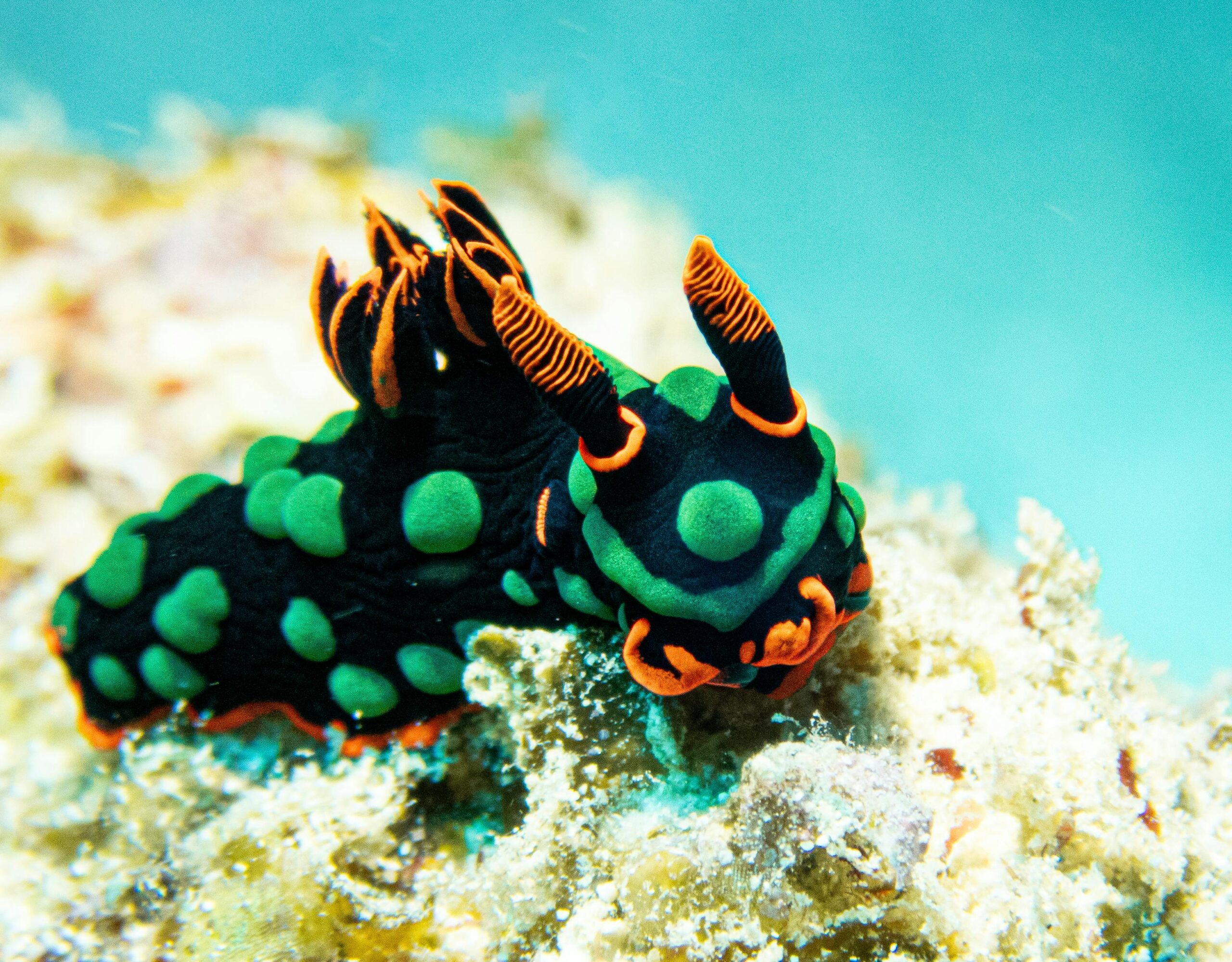
- Snorkeling and diving: April, May, September and October often offer the best underwater visibility after the rainy season and before the mid-summer plankton blooms.
- Kite surfing and wind sports: June to September when the southeast trade winds are strongest, particularly on the east coast and at Le Morne.
- Hiking and nature walks: May to October for cooler temperatures and lower humidity; trails across the central plateau are most comfortable in these months.
- Whale watching: July to October is prime for southern humpback sightings; boat trips operate out of the west coast ports.
- Cultural festivals: November and December include Diwali and Christmas events; Chinese Spring Festival and other cultural celebrations vary by lunar calendar and local schedule.
For booking accommodation and comparing options across the island, many travelers use well-known reservation sites to review hotel amenities and island locations; check listings early if traveling in peak months to secure preferred properties. Browse Mauritius hotels and resorts.
Regional variations and microclimates
Mauritius is compact but displays clear coastal contrasts and interior variation:
- Northwest and west coasts (Grand Baie, Flic en Flac): Leeward, sunnier and often drier — ideal for swimming and sunsets.
- East and southeast coasts (Belle Mare, Ile aux Cerfs): Windier with rougher seas on exposed beaches, great for wind and kite sports; sheltered lagoons can be calmer.
- South coast (Le Morne, Bel Ombre): Mix of surf and calm bays; Le Morne offers excellent conditions for kite surfing and dramatic mountain scenery for hikes.
- Interior highlands and central plateau (Moka, Curepipe): Cooler and wetter, with mist and lush vegetation. Hiking and waterfalls are most attractive here outside the hottest months.
Choosing where to stay can depend on the season: pick leeward northwest resorts during winter for calm seas, while windward beaches shine for active water sports when trade winds are strong.
Practical planning tips
Packing and preparation vary with season. For May–October bring light layers, a warm jacket for cool evenings in higher elevations and windproof clothing if you’ll be on the coast. For December–March, prioritize lightweight breathable clothing, a good sunhat and waterproof cover for sudden downpours.
Health and safety: update routine vaccinations, use insect repellent in the wetter months, and check local health advisories if traveling during the rainy season. Travel insurance is strongly recommended year-round to cover weather-related itinerary changes.
Transport and accessibility: road travel is straightforward on well-maintained coastal routes, though some rural roads in the interior may be steeper and narrower. Ferry and private-boat schedules can be disrupted by rough seas during summer months.
Official travel and visitor information from the Mauritius tourism authority provides entry requirements and seasonal advisories; for national guidance and visitor services consult the island’s tourism resources directly. Official Mauritius tourism information.
Comparison table: seasons at a glance
| Period | Weather | Best for | Notes |
|---|---|---|---|
| May–October (Dry season) | Cooler, dry, lower humidity | Beach, hiking, diving visibility, wind sports | Peak tourism in July–August; book early for resorts |
| April & November (Shoulder months) | Milder, improving sea clarity | Snorkeling, fewer crowds, good value | Nice balance of warm water and better weather stability |
| December–March (Hot & wet) | Hot, humid, heavier rains, cyclone risk | Warm-water swimming, resort relaxation | Possible disruptions from tropical storms; flexible plans advisable |
FAQs
When is the warmest time of year in Mauritius?
The warmest months are typically December through March, with daytime temperatures often reaching 29–31°C (84–88°F) and higher humidity. These months also bring the highest rainfall and the potential for tropical storms.
Is Mauritius safe to visit during cyclone season?
You can still visit during cyclone season (November–April), but travel plans should be flexible. Monitor official weather advisories, ensure travel insurance covers storm-related changes and choose accommodations with reliable communication. Most years see only minor disturbances, but stronger systems can cause cancellations.
Which months offer the best visibility for diving and snorkeling?
Best underwater visibility is usually in the shoulder months (April, May and September, October) when sea conditions stabilize after or before the heaviest rains. Winter months can also be very good, particularly on leeward coasts.
When is the best time for whale watching in Mauritius?
Whale watching is most productive between July and October, when migratory whale species such as humpbacks frequent surrounding waters. Trip operators run excursions from west-coast ports during this period.
Can I find good travel deals in Mauritius outside peak months?
Yes. Shoulder seasons (April, May, September, October, November) often yield better rates and availability while still offering good weather. The hot wet season (December–March) can also have discounted rates, but weigh savings against the higher chance of rain and storms.
Conclusion
Choosing the best time to visit Mauritius comes down to priorities: for reliably dry, comfortable weather prioritize May to October; for warm seas and active marine life consider April and November; and for resort-style relaxation with the hottest ocean temperatures, plan for December to March with flexible arrangements in case of heavy weather. Use this month-by-month guide and the regional notes to match activities, accommodation and travel dates to conditions, and consult official tourism and meteorological updates when finalizing plans to ensure a smooth trip.