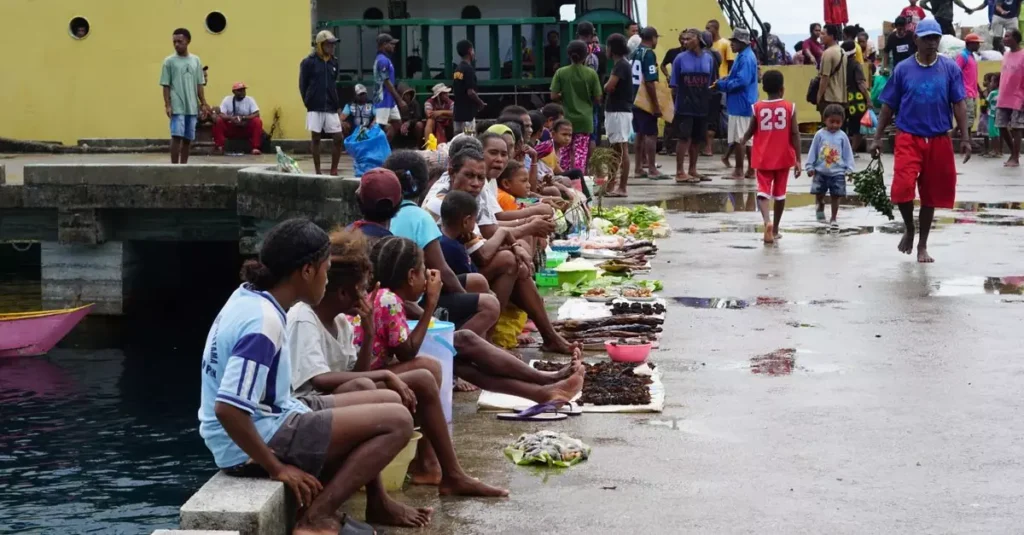
For travelers seeking the freshest catches and a true taste of coastal life, exploring the best island seafood markets offers an unparalleled culinary adventure. These destinations provide direct access to the day’s haul, often from local fishermen, ensuring peak flavor while supporting vibrant communities. From the rugged shores of the Pacific Northwest to the sun-drenched waters of Florida, each island presents a unique seafood experience waiting to be uncovered.
In this guide, you’ll learn how to identify the freshest seafood, understand seasonal availability, and navigate these bustling hubs like a local. We’ll also explore how to pair your market finds with local produce and discover restaurants that champion the spirit of “market fresh.” Prepare to dive into the authentic flavors of island life, where the ocean’s bounty is celebrated daily.
Why Island Seafood Markets Are a Must-Visit
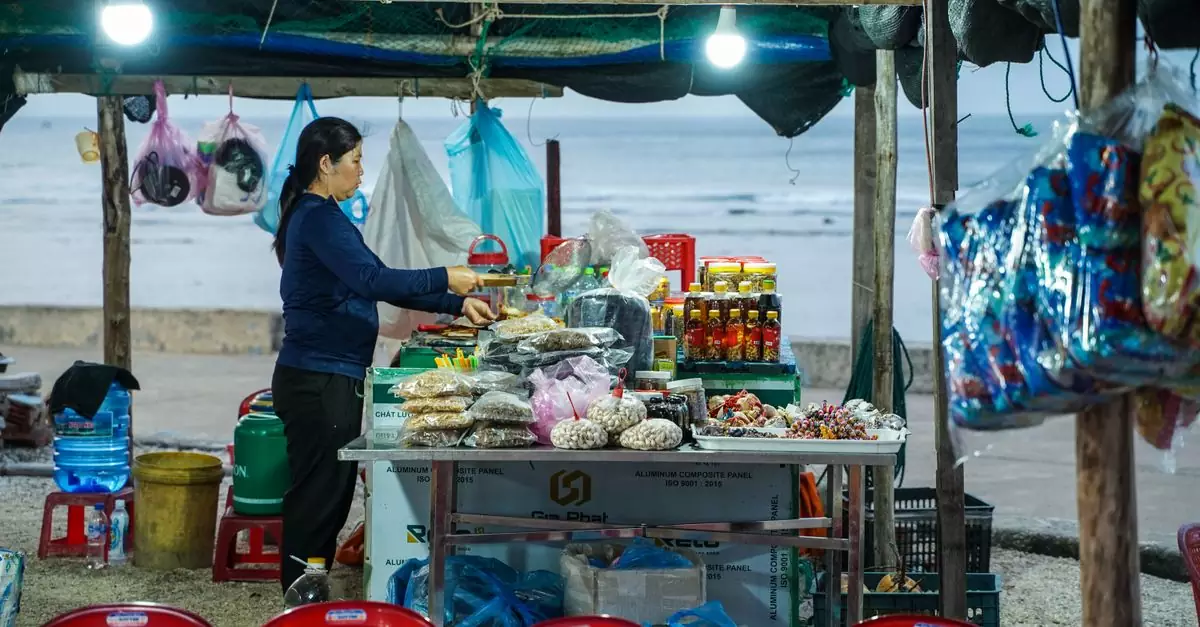
The Allure of Freshly Caught Delicacies
Visiting the best island seafood markets offers a direct portal to the ocean’s bounty. Unlike landlocked regions, islands boast immediate access to the day’s catch. This proximity translates into exceptional freshness, where the briny scent of the sea still clings to the glistening scales of tuna, snapper, and lobster. Travelers can witness the vibrant array of marine life brought ashore, from common catches to exotic regional specialties. This direct connection to the source elevates the dining experience, providing flavors and textures rarely found elsewhere.
The quality of seafood at these markets is typically superior due to the short supply chain. Fish are often caught within hours of being displayed, minimizing the time from ocean to plate. This immediacy ensures that the delicate flavors and nutritional value of the seafood are preserved. You might discover species unique to a particular archipelago, prepared simply by local vendors to highlight their natural taste. This focus on freshness and local variety is a defining characteristic of the island market experience.
Supporting Local Fishermen and Island Economies
Beyond the culinary delights, patronizing island seafood markets offers a tangible way to support local communities. These markets are often the primary sales channel for independent fishermen and small fishing cooperatives. Your purchases directly contribute to their livelihoods, helping sustain traditional fishing practices and the island’s economy. It’s an opportunity to engage in responsible tourism, ensuring that your travel benefits the people who call these beautiful places home.
Many of these markets operate on a community-driven model, fostering a sense of pride and shared heritage. By choosing to buy your seafood here, you become part of that ecosystem. This direct economic impact is crucial for islands, where diverse employment opportunities can sometimes be limited. You’re not just buying dinner; you’re investing in the sustainability of an island’s culture and its connection to the sea.
Experiencing Authentic Island Culture Through Food
Food is a universal language, and island seafood markets serve as vibrant cultural hubs. They are places where locals gather, share stories, and conduct daily business, offering visitors an unfiltered glimpse into island life. Observing the interactions, hearing the local dialects, and understanding the rhythms of the market provides a deeper cultural immersion than many tourist attractions. It’s an opportunity to connect with the soul of an island through its most vital resource.
The culinary traditions of an island are intrinsically linked to its seafood. You’ll often find vendors preparing simple, delicious dishes on-site using age-old family recipes. Tasting these prepared foods—perhaps grilled fish skewers, ceviche, or a rich seafood stew—offers a direct experience of the island’s gastronomic heritage. These markets are living museums of local cuisine, where every bite tells a story of the sea and the people who depend on it. Understanding the role of seafood in island diets is key to appreciating their unique way of life.
Top Island Destinations for Unbeatable Seafood Markets

For travelers seeking the freshest catches and a true taste of coastal life, exploring the best island seafood markets offers an unparalleled culinary adventure. These destinations provide direct access to the day’s haul, often from local fishermen, ensuring peak flavor while supporting vibrant communities. From the rugged shores of the Pacific Northwest to the sun-drenched waters of Florida, each island presents a unique seafood experience.
Ocracoke Island, North Carolina: A Taste of the Outer Banks
Ocracoke Island, a remote jewel in North Carolina’s Outer Banks, delivers an authentic coastal experience, complete with exceptional seafood. Life here moves at a slower pace, and the local markets reflect this unhurried approach to fresh food. You’ll find simple, no-frills stands and restaurants where the star is undeniably the seafood, pulled directly from the Atlantic and Pamlico Sound.
Expect to find plump oysters, sweet scallops, and flaky flounder, often prepared with minimal fuss to highlight their natural flavors. The historic village of Ocracoke offers several spots where you can buy seafood to cook yourself or enjoy prepared dishes. Consider visiting during the fall for the peak oyster season, when the waters are cooler and the oysters are particularly robust. Getting to Ocracoke requires a ferry ride, adding to its secluded charm and preserving its unique character.
Block Island, Rhode Island: Atlantic Treasures
Block Island, situated off the coast of Rhode Island, is a popular summer destination known for its stunning natural beauty and abundance of Atlantic seafood. The island’s harbors bustle with fishing boats, and local markets are the go-to for the freshest catches. Block Island’s proximity to rich fishing grounds means you can savor incredibly fresh lobster, clams, and cod.
Many restaurants on the island pride themselves on sourcing their seafood locally, often within hours of it being caught. For a true market experience, look for smaller, independent fishmongers where you can often chat with the fishermen themselves. The summer months, particularly July and August, offer the liveliest atmosphere and the widest selection. Getting to Block Island involves a ferry from mainland Rhode Island or Connecticut, making it an accessible yet distinct island getaway.
San Juan Islands, Washington: Pacific Northwest Bounty
The San Juan Islands in Washington State offer a breathtaking backdrop for experiencing the diverse seafood of the Pacific Northwest. Archipelago-bound by ferry from Anacortes, these islands are renowned for their pristine waters and high-quality marine life. The seafood markets here are a testament to the region’s rich fishing heritage, with salmon, Dungeness crab, and oysters being prominent highlights.
Local markets often feature a variety of salmon species depending on the season, from the rich King salmon to the leaner Sockeye. Dungeness crab, a local delicacy, is a must-try, available steamed and ready to eat or live for home preparation. The cooler waters also yield exceptionally sweet geoduck clams and a variety of oysters. Visiting in late spring or early fall can offer pleasant weather and a less crowded experience than the peak summer season.
Key West, Florida: Southernmost Seafood Havens
Key West, the southernmost point of the continental United States, boasts a vibrant culinary scene deeply rooted in its tropical island setting and abundant marine resources. The seafood markets in Key West are a lively reflection of this, offering a taste of the Florida Keys’ unique offerings. Here, you can find everything from the iconic Key West pink shrimp and snapper to conch, a staple in local cuisine.
The Conch Republic’s markets and seafood shacks are legendary for their fresh preparations, often featuring dishes like conch fritters and ceviche. The warm waters surrounding Key West provide a year-round supply of fresh fish, though certain species may have specific seasons. Evenings in Key West are often accompanied by fresh seafood enjoyed al fresco, with the salty air and lively atmosphere enhancing the dining experience. Access is typically via a scenic drive or a short flight into Key West International Airport.
| Destination | Primary Seafood Focus | Best Time to Visit (Seafood) | Access Method | Vibe |
|---|---|---|---|---|
| Ocracoke Island, NC | Oysters, Flounder, Scallops | Fall (Oysters) | Ferry | Laid-back, Historic |
| Block Island, RI | Lobster, Clams, Cod | Summer | Ferry | Bustling, Scenic |
| San Juan Islands, WA | Salmon, Dungeness Crab, Oysters | Late Spring – Early Fall | Ferry | Natural, Outdoorsy |
| Key West, FL | Pink Shrimp, Snapper, Conch | Year-round | Drive, Flight | Tropical, Lively |
What to Look for at the Best Island Seafood Markets
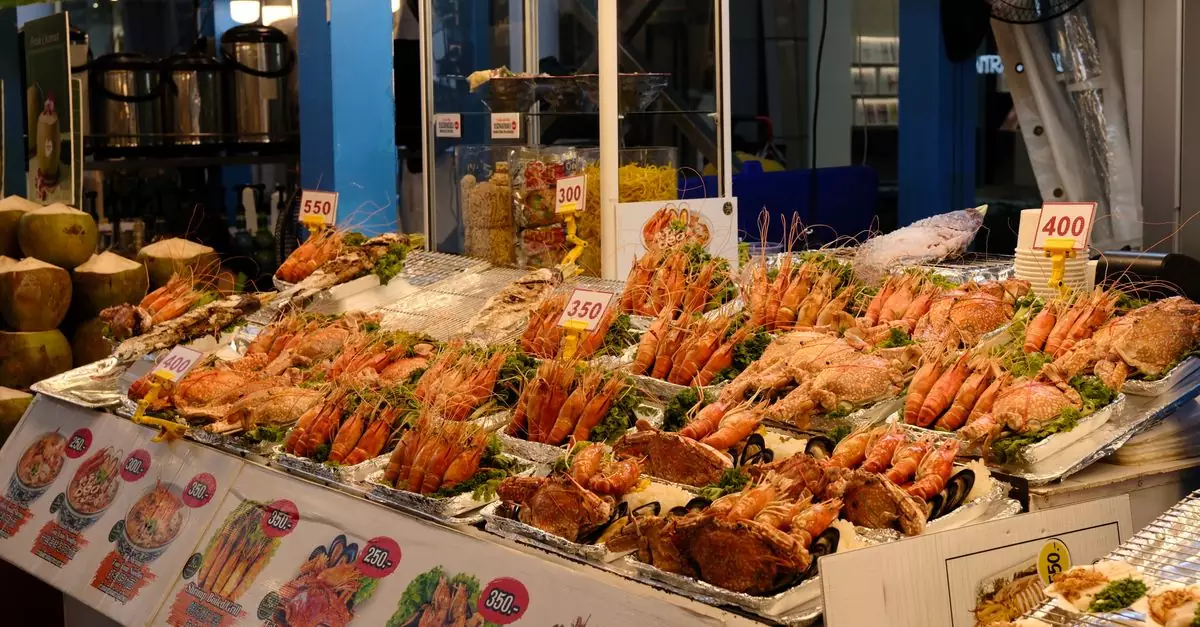
Navigating the vibrant world of island seafood markets connects you directly to the local culinary scene. To truly appreciate the offerings, understanding a few key elements will enhance your experience, from identifying the freshest catches to knowing when and where to find them. These markets are more than just places to buy fish; they are hubs of local culture and tradition.
Identifying Peak Seasonality for Your Catch
The bounty of the ocean varies significantly throughout the year, making seasonality a crucial factor when seeking the best seafood. Understanding when specific species are most abundant ensures you’re getting the freshest, most flavorful, and often most economical options. For instance, in many tropical island destinations, certain shellfish might peak during drier months, while migratory fish appear at different times of the year. Researching the local fishing calendar before your trip can help you plan your market visits effectively. This knowledge also supports sustainable fishing practices by favoring seafood that is in season and plentiful.
Signs of Freshness: From Gills to Shells
Distinguishing fresh seafood from something that’s past its prime is essential for both taste and safety. For whole fish, look for bright, clear eyes that are not sunken or cloudy, and vibrant red or pink gills. The flesh should be firm and spring back when pressed, accompanied by a clean, briny smell, not an overpowering fishy odor. For shellfish like oysters, clams, and mussels, ensure their shells are tightly closed. If any are slightly ajar, tap them; a live shellfish will close its shell. Discard any that remain open. For crustaceans such as shrimp and crab, the shells should be firm and intact, with no signs of black spots or a strong ammonia smell.
Understanding Local Catches: What’s on Offer?
Every island boasts its unique marine ecosystem, resulting in a diverse range of local catches. Familiarize yourself with the commonly available species in the region you’re visiting. This not only allows you to try authentic local delicacies but also helps you engage more meaningfully with the vendors. For example, in the Caribbean, you might find snapper, mahi-mahi, and conch, while in Southeast Asia, expect varieties of grouper, squid, and local shrimp. Don’t hesitate to ask the fishmongers about their catch of the day; they are usually passionate about their products and happy to share information about how the fish were caught and the best ways to prepare them. Supporting these local markets directly benefits the island communities and provides you with an unparalleled taste of the region.
How to Navigate Island Seafood Markets Like a Local

Visiting the best island seafood markets offers a direct connection to the heart of coastal communities and the freshest catch imaginable. To truly make the most of this experience, understanding local rhythms and customs is key. It’s about more than just buying fish; it’s about engaging with a way of life.
Best Times to Visit for the Freshest Selection
The freshest seafood is typically available early in the morning, as soon as the fishing boats return to shore. Aim to arrive shortly after the market opens. Weekdays often see fewer crowds than weekends, allowing for more direct interaction with vendors and a better chance to secure prime cuts.
Specific timings can vary significantly depending on the island’s location and fishing traditions. For instance, on islands known for their early morning dives, you might find the best selection before sunrise. Conversely, some markets operate on a staggered schedule throughout the day. Researching the specific market’s operating hours and peak times is crucial for a successful visit.
Tips for Interacting with Vendors and Fishermen
Building rapport with vendors and fishermen can enhance your market experience and often lead to better insights and prices. A friendly greeting and genuine interest in their catch go a long way. Don’t hesitate to ask questions about where the fish was caught, how it was prepared, or what makes it special.
Many vendors are passionate about their products and are happy to share their knowledge. Learning a few basic phrases in the local language can also be greatly appreciated. Observing how locals interact can provide valuable clues on etiquette. Remember that these are often working professionals, so be respectful of their time and craft.
Budgeting for Your Seafood Haul
The cost of seafood at island markets can fluctuate based on seasonality, catch volume, and the specific type of fish or shellfish. While generally more affordable than buying from a supermarket, prices can still vary. Setting a budget beforehand will help you make informed purchasing decisions.
Consider the weight and type of seafood you intend to buy. Some premium items, like lobster or certain types of oysters, will naturally cost more. If you’re looking to sample a variety, consider buying smaller portions of several different items. Many markets accept cash, so it’s wise to have some on hand, though some vendors may now offer digital payment options.
| Seafood Type | Average Price per Pound (USD) | Notes |
|---|---|---|
| Fresh Whole Fish | $8 – $25 | Varies by species (e.g., snapper, tuna) |
| Shrimp (peeled) | $15 – $30 | Price depends on size and origin |
| Oysters (per dozen) | $12 – $25 | Market oysters often cheaper than farmed |
| Lobster (live) | $25 – $50+ | Seasonal and size dependent |
| Mussels/Clams | $5 – $12 | Generally very affordable and plentiful |
This table provides a general guideline; actual prices will vary significantly by island and season. Always be prepared for price differences.
Beyond the Market: Enjoying Your Island Seafood
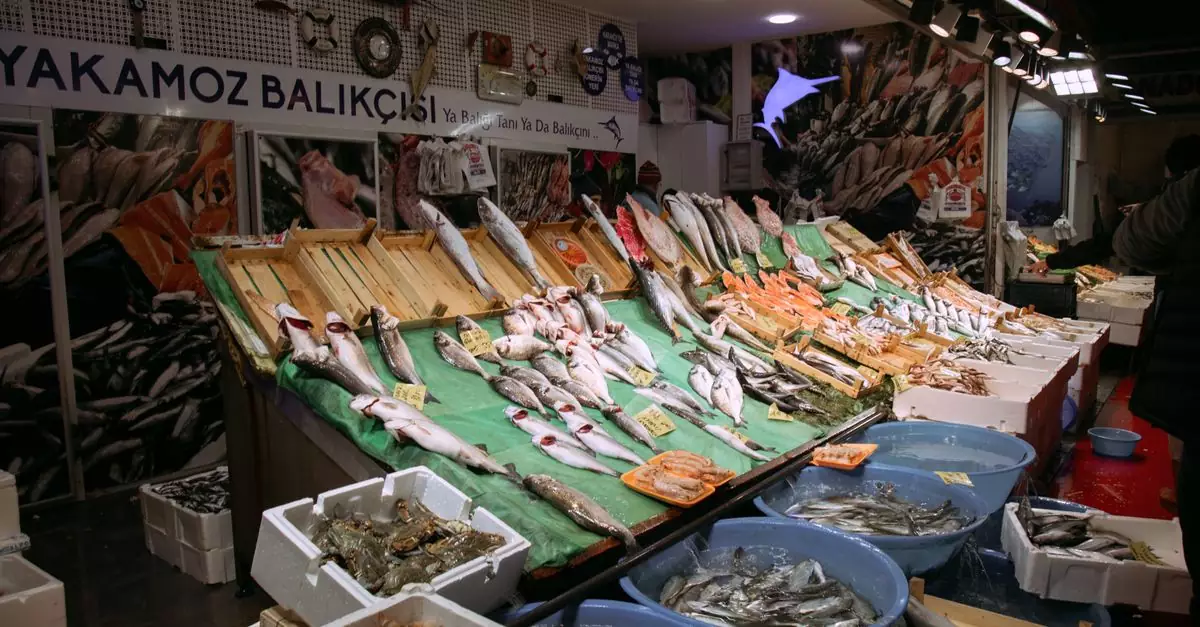
The true delight of visiting the best island seafood markets extends far beyond the transaction. It’s about savoring the freshest catches, understanding local culinary traditions, and bringing a taste of the island home. This section focuses on how to maximize your seafood experience, from simple preparation to finding the best local eateries.
Simple Preparation Methods for Maximum Flavor
Island seafood often shines with minimal intervention. The natural sweetness and briny freshness speak for themselves. For whole fish purchased at the market, a simple grilling or baking method often yields the best results. Seasoning can be as basic as a squeeze of fresh lime, a drizzle of local olive oil, and a sprinkle of sea salt and freshly cracked black pepper. For shellfish like oysters or clams, steaming them open with a splash of white wine or just plain water allows their pure ocean flavor to dominate. Many islands also have unique spice blends or marinades; ask vendors for their recommendations, as these often feature local herbs and peppers that complement the seafood beautifully.
If you’re staying in accommodations with a kitchen, consider preparing a simple seafood salad. Flaked grilled fish or cooked shrimp can be tossed with diced tomatoes, cucumbers, red onion, and a light vinaigrette made with island-grown citrus. This allows you to control the ingredients and enjoy a light, healthy meal that highlights the quality of the seafood. Even a quick pan-sear of scallops or shrimp with garlic and butter can transform a market find into a restaurant-quality dish in minutes.
Pairing Your Seafood with Local Island Produce
The islands are often blessed with abundant, flavorful produce that perfectly complements their seafood. Think about the vibrant colors and tastes you’ll find at local markets alongside the fish stalls. Sweet, sun-ripened tomatoes, crisp bell peppers, and fragrant herbs like basil and cilantro are common pairings. Many islands also produce unique fruits that can be incorporated into sauces or relishes. For instance, a mango or pineapple salsa can add a tropical sweetness to grilled fish, while citrus fruits like lemons, limes, and oranges are almost universally used to brighten seafood dishes.
Consider the local starches as well. Many island cuisines feature rice, potatoes, or root vegetables like taro or sweet potato. A side of perfectly steamed rice or roasted sweet potatoes can provide a grounding contrast to delicate fish. If you’re visiting a Mediterranean island, pairing grilled octopus with a simple Greek salad featuring ripe tomatoes, cucumbers, olives, and feta cheese is a classic combination. On a Caribbean island, consider serving freshly caught snapper with a side of fried plantains or rice and peas. The key is to embrace the seasonality and availability of local produce to create harmonious and authentic island meals.
Finding Restaurants That Showcase Market Freshness
While cooking your own seafood is rewarding, many restaurants pride themselves on sourcing directly from the best island seafood markets. Look for establishments that advertise “market fresh” or “catch of the day.” These restaurants typically have a rotating menu based on what’s available, ensuring you’re getting the highest quality ingredients. Often, these are smaller, family-run eateries rather than large chains, as they have closer relationships with local fishermen and vendors.
When dining out, don’t hesitate to ask your server about the origin of the seafood. Inquire about the specific types of fish available and how they were prepared. A knowledgeable server can guide you toward the most representative dishes of the island’s culinary heritage. Some restaurants even feature a display of the day’s catch, allowing you to choose your fish before it’s cooked. This transparency is a good sign of a restaurant committed to freshness. For a truly immersive experience, seek out waterfront restaurants or those in close proximity to the fishing harbors, as they are more likely to have the earliest and freshest selections.
Frequently Asked Questions About Island Seafood Markets
Are island seafood markets open year-round?
The operating hours for island seafood markets can vary significantly based on location and season. Many markets catering to tourist seasons will have reduced hours or close entirely during the off-season. However, markets in regions with a strong local fishing industry often maintain operations throughout the year, albeit with potentially fewer vendors or less variety during colder months. It’s always advisable to check the specific market’s website or call ahead to confirm their current operating schedule before making a trip. This is particularly important if you’re visiting a smaller island where resources might be more limited.
What are common seafood scams to avoid?
When purchasing seafood at any market, especially on islands where supply chains can be complex, be aware of potential scams. One common tactic is mislabeling. Fish might be sold as a more expensive species when it’s actually a cheaper alternative. Always ask about the origin of the seafood and the species. Another issue can be freshness; while less common in well-regarded island markets, sometimes older products are passed off as fresh. Look for clear eyes and firm flesh on whole fish. Overcharging is also a possibility, so having a general idea of local seafood prices can be helpful. Trust your instincts and be wary of vendors who are overly pushy or unwilling to answer questions about their products. For more information on what constitutes an island, understanding its geography can sometimes shed light on local supply dynamics.
Can I bring my own cooler to the market?
Yes, bringing your own cooler is generally a good idea and often encouraged at island seafood markets. This allows you to keep your purchases fresh during your journey home, especially if you have a significant distance to travel or if the weather is warm. Many vendors will happily pack your chosen seafood directly into your cooler. Some markets may even offer ice for purchase, but it’s wise to bring your own supply just in case. Having a cooler also prevents you from having to purchase bags and potentially flimsy packaging, contributing to a more sustainable shopping experience.