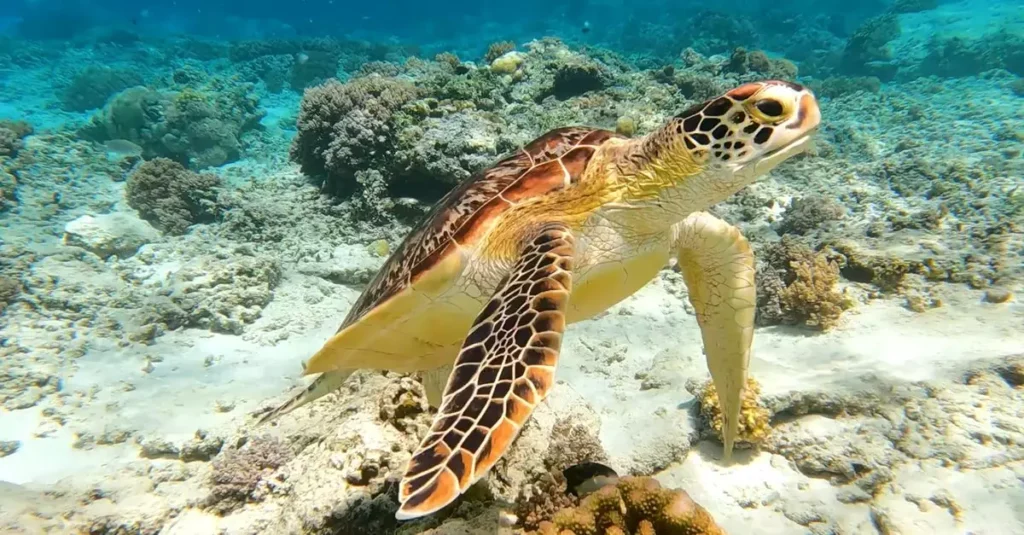
Witnessing the ancient ritual of sea turtles nesting or hatching is a profound connection to the natural world, but it requires visiting the right places with respect. Finding the best sea turtle beaches means understanding where these vulnerable creatures find sanctuary and when their life cycles unfold. This guide will lead you to remarkable coastlines around the globe, from Florida’s loggerhead havens to Hawaii’s green sea turtle gathering spots and Costa Rica’s famous arribadas. You’ll discover not only where to go but also the optimal times for viewing, crucial ethical guidelines for responsible tourism, and essential logistical tips for planning your unforgettable journey. Prepare to explore beaches where conservation efforts ensure these magnificent mariners can continue their vital journey for generations to come.
Top 5 Best Sea Turtle Beaches for Witnessing Nesting
Observing sea turtles as they come ashore to nest is an unforgettable experience, but it requires visiting the right beaches at the right time and with utmost respect for these vulnerable creatures. These locations are known for significant nesting populations and dedicated conservation efforts. Remember that many of these sites have strict regulations to protect nesting turtles and their eggs, so always follow local guidelines.
Loggerhead Nesting on Florida’s Juno Beach
Juno Beach, Florida, is recognized as one of the most important loggerhead sea turtle nesting sites on the Atlantic coast. From May through October, this stretch of coastline attracts hundreds of loggerheads. The town actively participates in conservation, offering guided night walks during nesting season, allowing a chance to observe nesting behavior from a respectful distance.
- Best time to visit: May to October for nesting; August to October for hatchlings.
- Getting there: Palm Beach International Airport (PBI) is about a 30-minute drive away.
- Logistics: Stay in nearby Jupiter or Palm Beach Gardens. Book guided tours in advance.
- Conservation: Strict lighting ordinances protect nesting turtles.
Green Sea Turtle Havens in Hawaii: Laniakea Beach
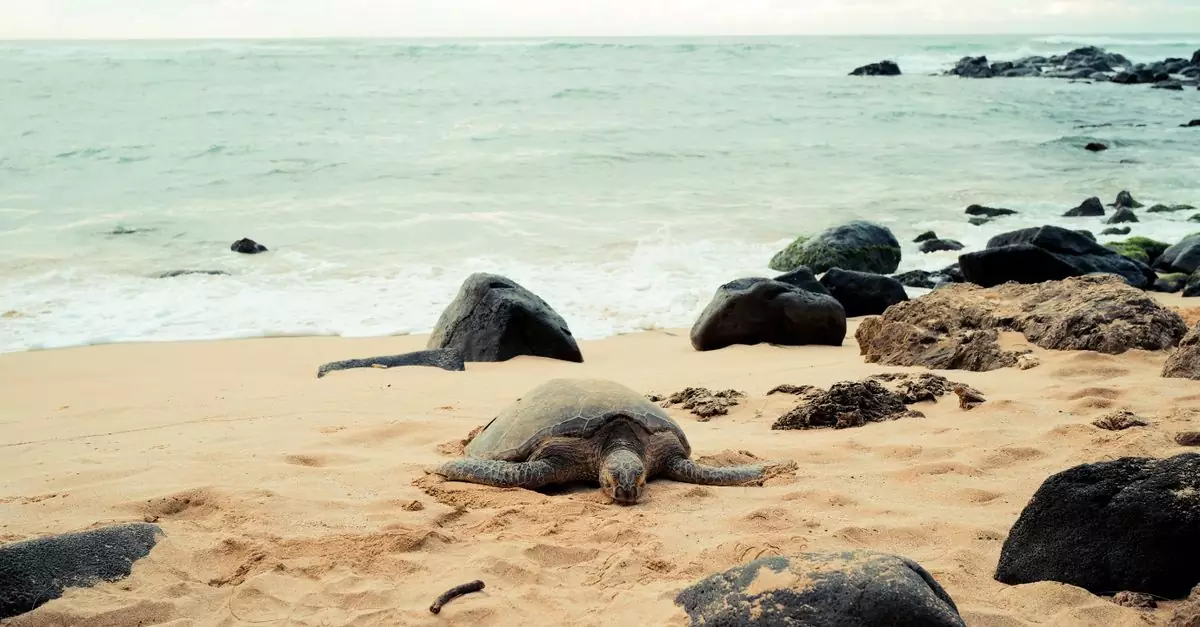
On the North Shore of Oahu, Laniakea Beach, commonly known as Turtle Beach, attracts Hawaiian green sea turtles (Honu). While primarily known for turtles basking on the shore, it also serves as a nesting site, though less frequently observed than others. Volunteers often patrol the area to ensure turtles are not disturbed.
- Best time to visit: Year-round for basking; nesting is sporadic and unpredictable.
- Getting there: Accessible by car from Honolulu; parking can be challenging.
- Logistics: Visit early morning or late afternoon to avoid crowds. Maintain a respectful distance of at least 10 feet.
- Cultural note: The Hawaiian green sea turtle is a protected species and holds cultural significance.
Leatherback Sanctuary: Ostional Wildlife Refuge, Costa Rica
Ostional Wildlife Refuge on Costa Rica’s Nicoya Peninsula is famous for its “arribadas,” mass nesting events of olive ridley turtles. While olive ridleys are the stars here, leatherbacks also nest in smaller numbers. The peak arribada season runs from July to December, with specific moon phases often triggering larger events.
- Best time to visit: July to December for olive ridley arribadas; leatherback nesting is less predictable.
- Getting there: Requires a 4×4 vehicle from nearby towns like Nosara.
- Logistics: Tours are mandatory for viewing arribadas and must be booked with local guides.
- Budget consideration: Entrance fees and guide costs contribute to overall trip expenses.
Hawksbill Hotspots: Barbados’s West Coast Beaches
Barbados’s west coast, particularly near Folkestone Marine Park, is a crucial nesting ground for hawksbill turtles. While nesting occurs primarily at night, the waters here are also excellent for snorkeling and diving, offering opportunities to see these turtles feeding and swimming. Conservation efforts are strong, with protected areas and dedicated marine patrols.
- Best time to visit: May to October for nesting; year-round for sightings while snorkeling/diving.
- Getting there: Grantley Adams International Airport (BGI) is about a 45-minute drive to the west coast.
- Accommodations: A range of hotels and villas are available along the west coast.
- Responsible tourism: Avoid touching or feeding turtles and ensure your snorkeling tours are eco-friendly.
The Magic of Carey Island, Malaysia for Olive Ridley Turtles
Carey Island, off the coast of Selangor, Malaysia, is a significant nesting site for olive ridley turtles. The nesting season typically runs from April to September. Local communities and conservation groups work together to protect the nests, often relocating them to hatcheries to improve survival rates before returning them to the sea.
- Best time to visit: April to September for nesting season.
- Getting there: Easily accessible by car from Kuala Lumpur.
- Logistics: Inquire about visiting local turtle conservation centers or hatcheries.
- Local insight: The island is also known for its indigenous Mah Meri people and their wood carvings.
When Is the Best Time to See Sea Turtles Hatching?
Timing your visit to witness the magic of sea turtle hatching requires an understanding of regional nesting seasons and the specific behaviors of different species. While some locations offer year-round opportunities, peak viewing often aligns with warmer months and specific lunar cycles. Patience and a bit of luck are key to observing these incredible natural events.
Peak Hatching Season by Region: A Global Overview
Sea turtle nesting and hatching seasons vary significantly across the globe, influenced by water temperatures and prevailing currents. For instance, in the United States, Florida’s Atlantic coast sees loggerhead and green sea turtles nesting from May through October, with hatching typically occurring from July to October. Hawaii offers a more extended viewing window, with green sea turtles frequently seen nesting and hatching throughout the year, though the busiest period is generally from May to October.
Further afield, Costa Rica’s Caribbean beaches are famous for massive arribadas (mass arrivals) of olive ridley turtles, which can occur multiple times a year, often between July and March. In Greece, especially Zakynthos, prime nesting grounds for loggerheads see nesting from May to August, with hatchlings emerging from July to October. Understanding these regional differences is crucial for planning a trip focused on seeing hatchlings.
Understanding Lunar Cycles and Tide Patterns for Optimal Viewing
Sea turtle nesting and hatching are influenced by natural cycles, including lunar phases and tidal patterns. Many sea turtle species prefer to nest and emerge from their nests during high tides, particularly at night. This behavior provides a protective buffer against predators and reduces the distance hatchlings must travel across the beach to reach the ocean.
While specific tides are unpredictable far in advance, observing nesting and hatching events around the new moon or full moon can increase your chances. These periods often coincide with higher spring tides. However, it’s important to remember that sea turtles are wild animals, and their behavior is not solely dictated by these cycles. Local guides and conservation organizations can provide the most up-to-date information on when and where activity is most likely to occur. Always follow their guidance to ensure the safety of both the turtles and yourself.
Seasonal Variations for Different Sea Turtle Species
Different species of sea turtles have distinct nesting and hatching seasons, reflecting their migratory patterns and preferred environmental conditions. Loggerhead turtles, for example, generally nest during warmer months, typically from late spring through summer in temperate and subtropical regions. Their hatchlings emerge a few months later.
Green sea turtles, found in warmer waters worldwide, often have overlapping nesting and hatching periods that can extend longer than those of loggerheads, sometimes spanning from late spring into autumn. Leatherback turtles, the largest of all sea turtle species, have a more diverse range of nesting seasons depending on their location. For example, nesting in Trinidad and Tobago can occur from March to August, with hatchlings emerging in the summer months. In contrast, leatherbacks nesting in Malaysia historically had a different season, though populations there have declined significantly. Always research the specific species and location you plan to visit for the most accurate timing.
Responsible Sea Turtle Tourism: Protecting These Ancient Mariners
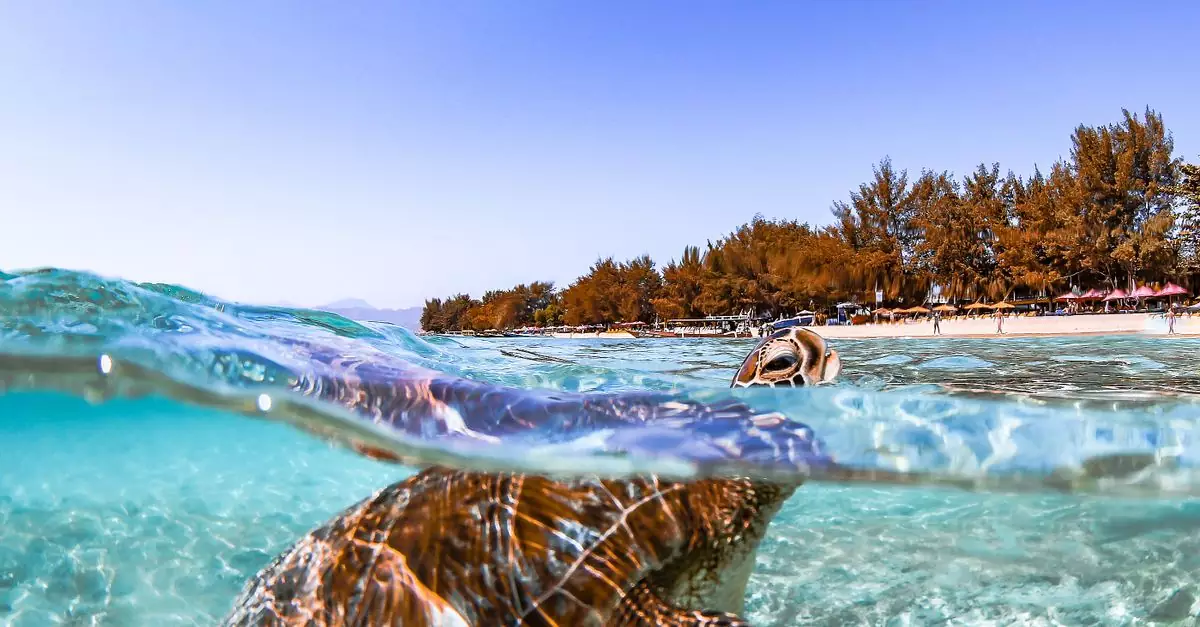
Witnessing sea turtles nesting or hatching is a profound experience, but it comes with a significant responsibility. These ancient mariners are vulnerable, and human presence can easily disrupt their vital life cycles. Practicing responsible tourism ensures that future generations can also marvel at these incredible creatures without causing harm. It’s about appreciating nature from a respectful distance and understanding that our actions have consequences.
Ethical Viewing Guidelines: Keeping a Safe Distance
When you have the opportunity to observe sea turtles, maintaining a safe distance is paramount. For nesting turtles, this generally means staying at least 30 feet (9 meters) away. Avoid shining any lights, including flashlights or camera flashes, directly at the turtle, especially during nesting or hatching. Low red lights are sometimes permitted as they are less disruptive, but it’s best to check local regulations. Never touch a nesting turtle or her eggs, as this can cause stress and deter her from completing her nesting. For hatchlings making their way to the sea, provide them a clear, unobstructed path and avoid touching them. Their journey is critical, and any interference can be detrimental.
Avoiding Disturbances: What Not to Do on Turtle Beaches
Several common behaviors can unintentionally harm sea turtles and their offspring. First, never disturb a nesting turtle. If a turtle is disturbed before or during egg-laying, she may abandon her nest, rendering those eggs non-viable. Driving or walking on marked nesting areas is strictly prohibited and can crush nests buried just beneath the sand. Collecting or moving turtle eggs is illegal and harmful. Additionally, keep beaches clean by removing all trash, especially plastic, which can be mistaken for food by turtles or entangle them. Filling in any large holes you dig on the beach is crucial, as these can trap hatchlings or nesting mothers.
Supporting Conservation Efforts: Local Organizations to Watch For
Many coastal communities actively work to protect sea turtles through dedicated conservation organizations. These groups often rely on volunteer support and donations to fund their crucial work. Look for local sea turtle patrol groups or wildlife rescue centers when visiting areas known for turtle activity. Organizations like the Sea Turtle Conservancy offer valuable information on how to support their efforts, which can include adopting a nest, volunteering for beach cleanups, or donating to fund research and rehabilitation programs. Supporting these initiatives directly contributes to the survival of these endangered species. You can often find information about local conservation groups through visitor centers or by searching online for “[destination name] sea turtle conservation.”
Beyond the Nest: Other Sea Turtle Hotspots Worldwide
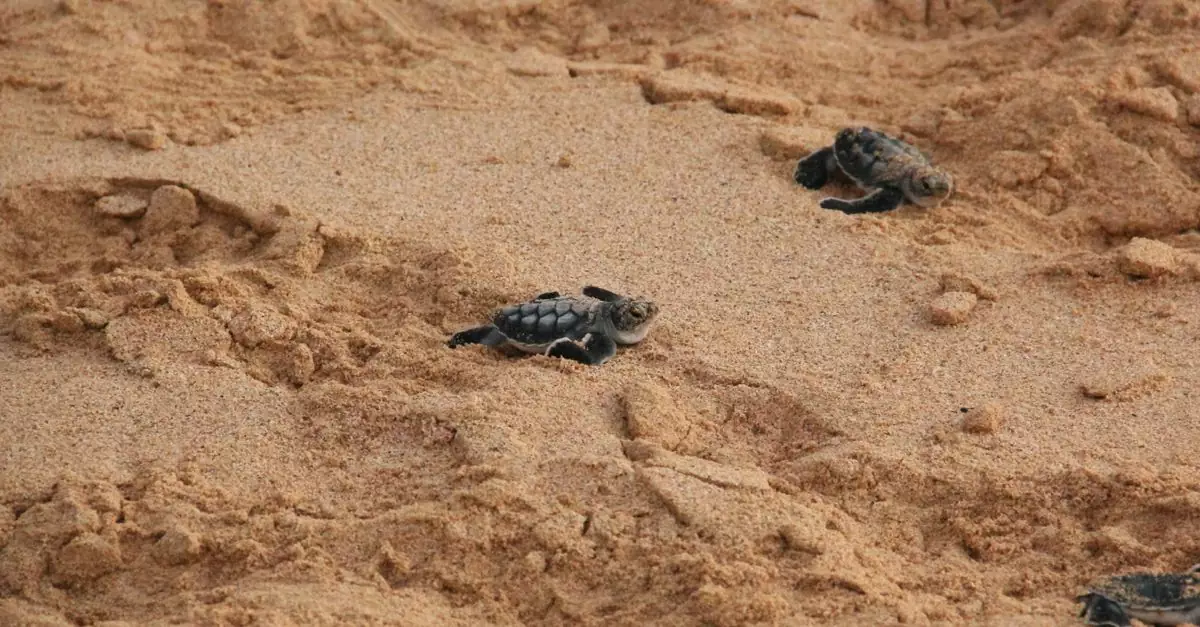
While many travelers seek out specific beaches for nesting and hatching, sea turtles are a global phenomenon, gracing diverse marine environments. Understanding these broader habitats offers a different perspective on conservation and wildlife viewing opportunities.
Galapagos Islands: A Unique Ecosystem for Marine Life
The Galapagos Islands, a volcanic archipelago off the coast of Ecuador, are a renowned wildlife sanctuary. Here, several species of sea turtles, including the green sea turtle and the critically endangered hawksbill, come ashore to nest. The islands’ isolation has fostered a unique environment where these reptiles coexist with other endemic species like marine iguanas and giant tortoises.
For travelers, visiting the Galapagos requires careful planning due to its protected status. Tours are typically guided, and regulations are in place to minimize human impact on wildlife. The nesting season for green sea turtles generally runs from January to March, with hatchlings emerging a few months later. Access to nesting sites is often restricted to protect the turtles.
The Great Barrier Reef: A Diverse Underwater World
Australia’s Great Barrier Reef, the world’s largest coral reef system, is a vital habitat for six of the seven species of sea turtles. Green turtles, loggerheads, and hawksbills are commonly found here, utilizing the reef’s islands and cays for nesting. The sheer scale of the reef means that opportunities to spot turtles, both on land and underwater, are abundant.
Visiting the Great Barrier Reef offers a dual experience: observing nesting turtles on remote islands and snorkeling or diving with them in their natural marine environment. Seasonality is a key factor; nesting typically occurs between October and March, with hatching following shortly after. Many tour operators in Queensland offer dedicated turtle watching or diving trips.
Mediterranean Gems: Zakynthos, Greece and Its Loggerheads
Zakynthos, a Greek island in the Ionian Sea, is famous for its population of loggerhead sea turtles (Caretta caretta). Laganas Bay is a protected nesting ground, particularly for loggerheads, making it one of the most important Mediterranean sites for this species. The island’s warm waters and sandy beaches provide ideal conditions for nesting.
Travelers visiting Zakynthos during the nesting season, which typically spans from May to August, can participate in responsible turtle watching tours. These tours are designed to educate visitors about the turtles’ life cycle while ensuring minimal disturbance. Strict rules are enforced in protected areas to safeguard nesting sites and prevent harm to the turtles. It’s crucial to respect designated zones and follow guide instructions to contribute to conservation efforts on this significant island.
Planning Your Sea Turtle Watching Trip: Essential Logistics
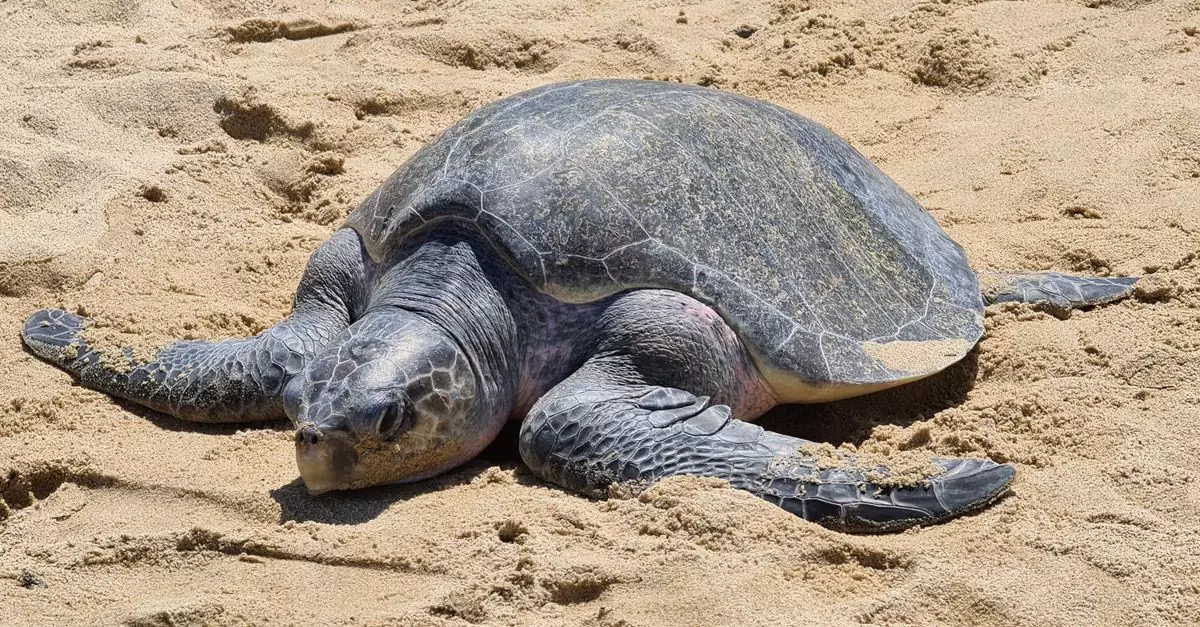
Witnessing sea turtles nesting or hatching is an unforgettable experience, but it requires careful planning. Many prime nesting beaches are in remote locations, often on islands or protected coastlines, demanding specific logistical considerations. Understanding these elements beforehand will ensure a smoother and more responsible trip.
Best Accommodation Options Near Prime Turtle Beaches
Accommodation choices vary significantly depending on the specific beach and its level of development. For those prioritizing proximity to nesting sites, consider eco-lodges or small, locally-owned guesthouses. These often have a vested interest in conservation and can provide valuable local insights. Larger resorts might offer more amenities but could be situated further from undisturbed nesting areas.
Some popular regions, like parts of Florida’s coast or certain Caribbean islands, offer a range of options from beachfront hotels to vacation rentals. For more remote locations, camping or basic cabins might be the only choices. Always book in advance, especially during nesting season, as availability can be limited.
| Accommodation Type | Proximity to Nesting Sites | Amenities | Budget Range (USD/night) |
|---|---|---|---|
| Eco-lodge | High | Basic to moderate | $100 – $250 |
| Locally-owned Guesthouse | High | Basic | $50 – $150 |
| Beachfront Hotel | Moderate to High | Moderate to High | $150 – $400+ |
| Vacation Rental | Variable | Variable | $100 – $500+ |
| Campsite/Cabin | High | Basic | $20 – $80 |
Getting Around: Transportation to Remote Nesting Sites
Reaching the best sea turtle beaches often involves multiple modes of transport. Many prime locations are on islands, requiring ferry services or small aircraft flights. Once on the island or in the coastal region, local transport can range from rental cars and taxis to scooters or even bicycles. In some protected areas, access might be limited to guided tours or designated park vehicles.
For remote nesting sites, especially those within national parks or wildlife refuges, it’s crucial to check access regulations. Some areas may prohibit private vehicles during certain times of the year to protect nesting turtles. Always research the specific transportation options available for your chosen destination well in advance of your trip. Planning for potential delays, especially with ferry schedules or limited flights to smaller islands, is also wise.
- Island Access: Research ferry schedules or small aircraft options.
- Local Transport: Determine if rental cars, scooters, or taxis are available and recommended.
- Park Access: Verify if special permits or guided tours are required for entry to protected areas.
- Foot Traffic: Be prepared for walking, especially to reach more secluded beach sections.
What to Pack for a Sea Turtle Viewing Adventure
Packing for a sea turtle viewing trip requires a focus on practicality and respect for the environment. Light, breathable clothing is essential, especially for warmer climates where nesting often occurs. Sun protection is paramount; pack high-SPF sunscreen, a wide-brimmed hat, and sunglasses.
Since many viewing opportunities occur at dawn or dusk, or even at night, a reliable flashlight with a red-light filter is crucial. Red light is less disruptive to nesting turtles and hatchlings than bright white light. Binoculars can enhance your viewing experience from a respectful distance.
- Clothing: Lightweight, long-sleeved shirts and pants for sun and insect protection.
- Footwear: Comfortable walking shoes or sandals suitable for sandy terrain.
- Gear: Red-light flashlight, reusable water bottle, binoculars, and a small backpack.
- Essentials: Insect repellent, basic first-aid kit, and any necessary personal medications.
Remember to avoid bringing anything that could harm the turtles or their habitat, such as loud music devices or bright, flashing lights. Adhering to responsible viewing guidelines is key to ensuring these magnificent creatures continue to nest and thrive.
Frequently Asked Questions About Visiting Sea Turtle Beaches
Can I touch sea turtles on the beach?
No, you should never touch sea turtles, whether they are nesting, hatching, or in the water. This is for the safety of both the turtles and yourself. Touching can stress nesting mothers, leading them to abandon their nests. Hatchlings are also vulnerable, and human contact can disrupt their natural journey to the sea. Always maintain a respectful distance.
What are the chances of seeing turtles nesting or hatching?
The chances of witnessing nesting or hatching depend heavily on the specific location and the time of year. Sea turtle nesting seasons vary by species and region, typically occurring during warmer months. For example, loggerhead turtles often nest on East Coast beaches between May and August. While these events are natural, they are not guaranteed sightings. Many visitors opt for guided tours to increase their chances of a responsible viewing experience.
Are there guided tours for sea turtle viewing?
Yes, guided tours are an excellent way to see sea turtles responsibly. Many coastal communities offer nighttime nesting walks led by trained biologists or naturalists. These guides ensure that viewing protocols are followed, minimizing disturbance to the turtles. They also provide valuable insights into turtle behavior and conservation efforts. Booking these tours in advance is often necessary, especially during peak season. Some locations may also offer boat tours for viewing turtles in their marine habitat.
What safety precautions should I take on these beaches?
When visiting beaches known for sea turtle activity, prioritize safety and conservation. Always follow posted regulations, especially regarding beach access during nesting hours. Avoid using bright lights on the beach at night, as artificial light can disorient nesting turtles and hatchlings. Keep the beach clean by taking all trash with you. If you encounter a turtle, do not approach it. For general beach safety, be aware of currents and tides, and swim in designated areas. If you’re visiting a remote island, ensure you have adequate supplies and understand local emergency procedures.